The 19th century
THE 19TH CENTURY
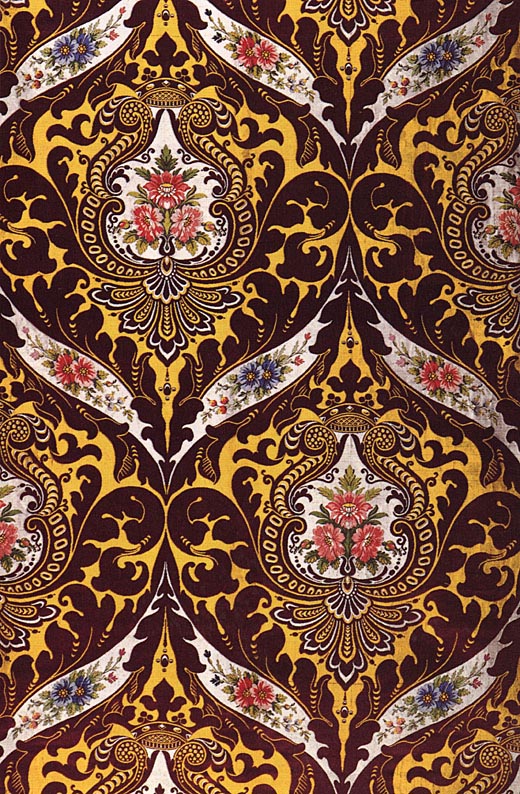
The mechanical loom of J.M. Jacquard, presented at the Paris Exhibition of 1801, brought about a great revolution in the textile world: it eliminated the complex apparatus needed to produce the design, simplified the manufacturing process and, by making it possible to obtain numerous effects simultaneously, improved the perfection of the product and favoured numerous decorative formulas. While the efforts made on the level of technical progress were abundant, in the use of the machine initiative was confined to recovering and re-proposing the heritage of the past, with which a confrontation was inevitable. This is the age of the great revivals: from English Victorian Neo-Gothic to the recovery of the French “grand siècle”, in which the various “Louis” styles live again, mixed together. The Empire style and the William Morris style open and close this era.
Revival
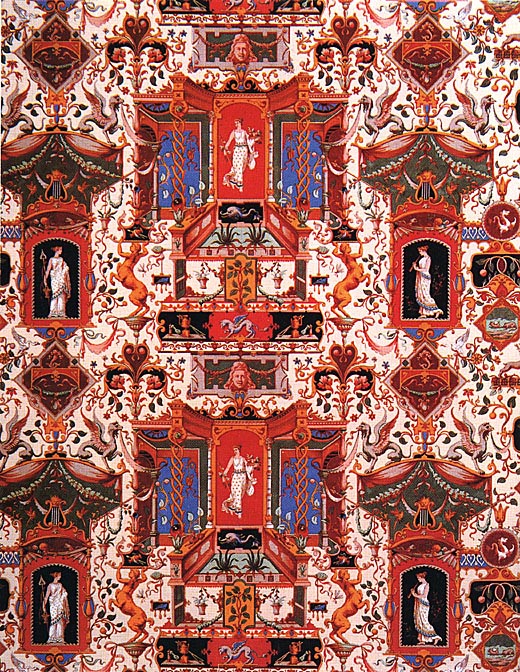
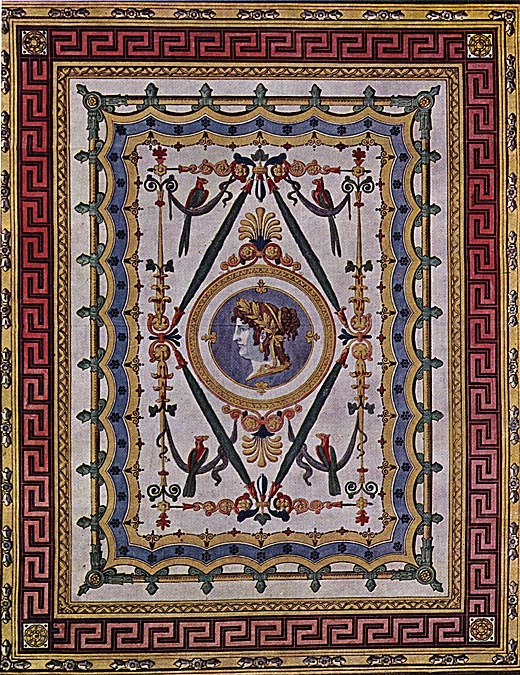
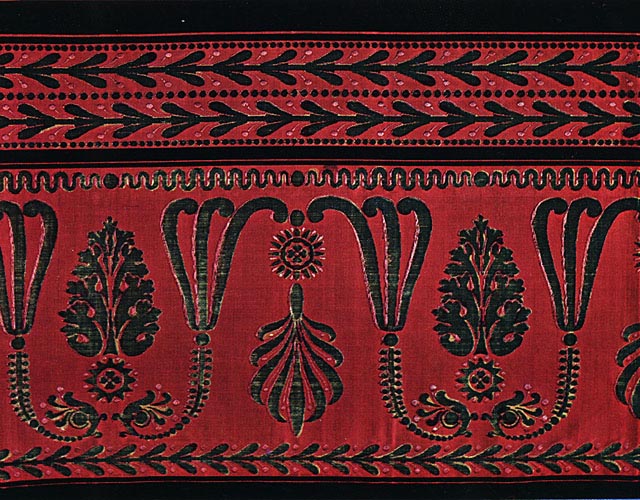
EMPIRE
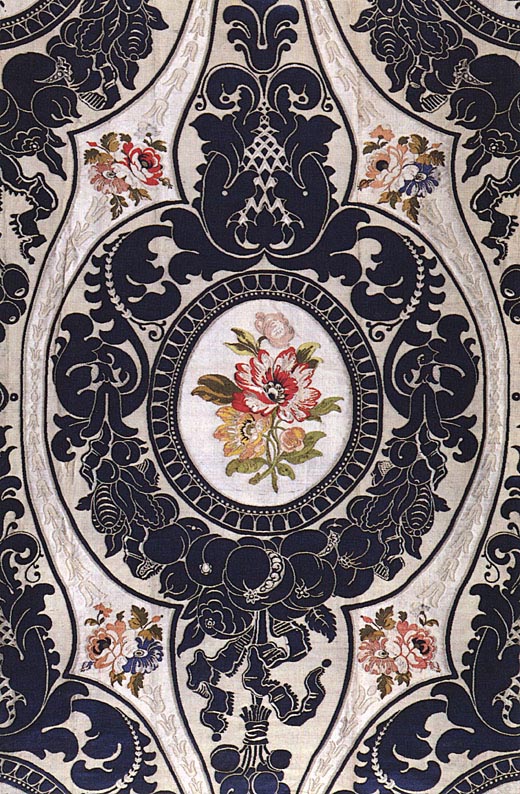
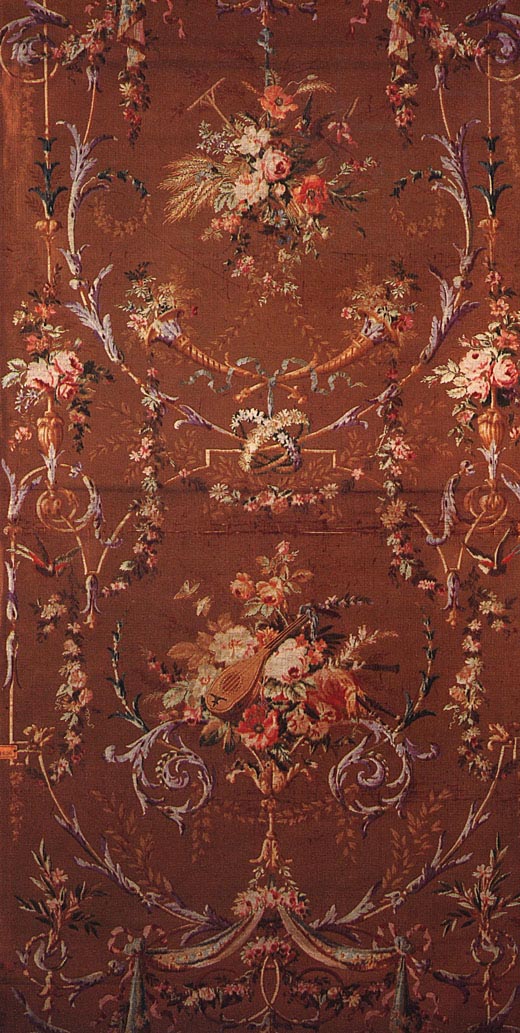
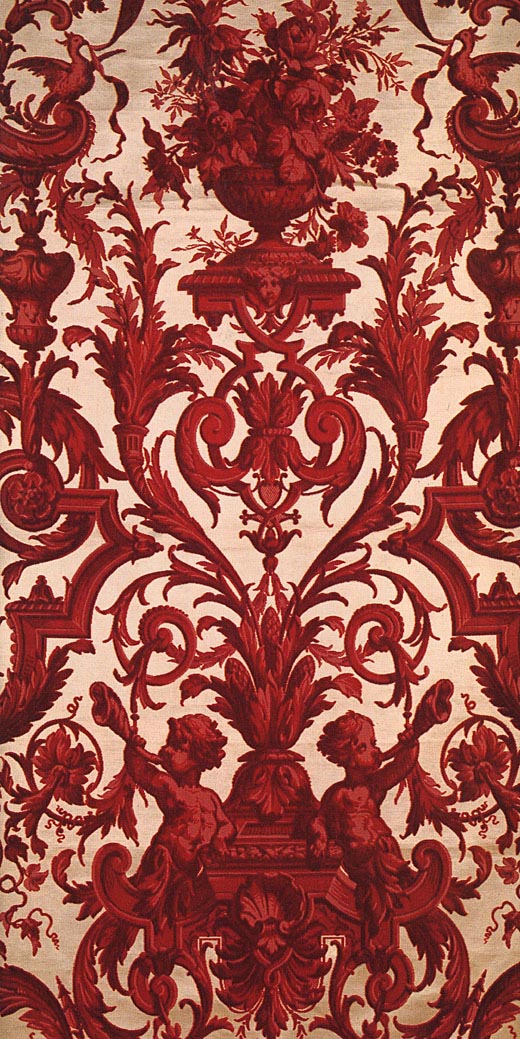
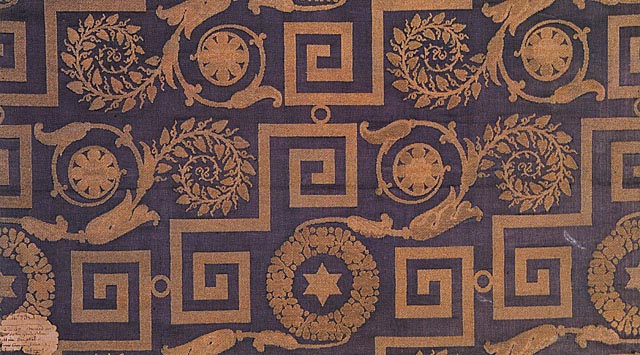
It arises at the beginning of the century as a reaction to the Rococo, from the recovery of Greco-Roman iconographic themes in support of the Napoleonic political regime.
In furnishing fabrics, very rich, damask predominates, with the use of ribbons and motifs such as the palmette, the ovals, acanthus leaves and Greek-key decoration.
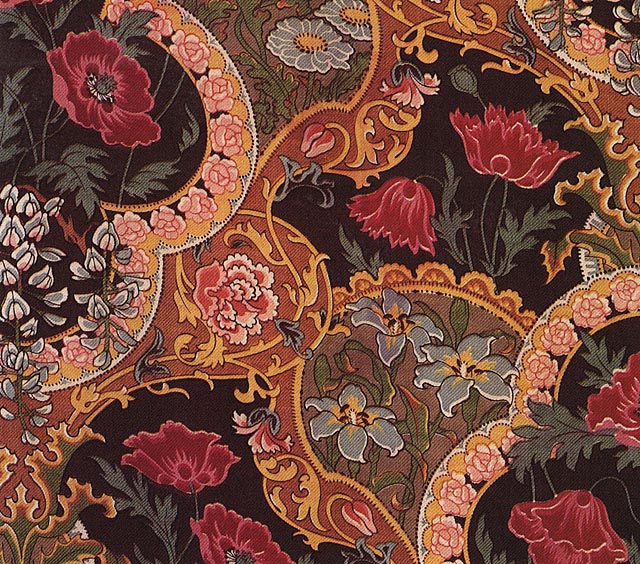
WILLIAM MORRIS
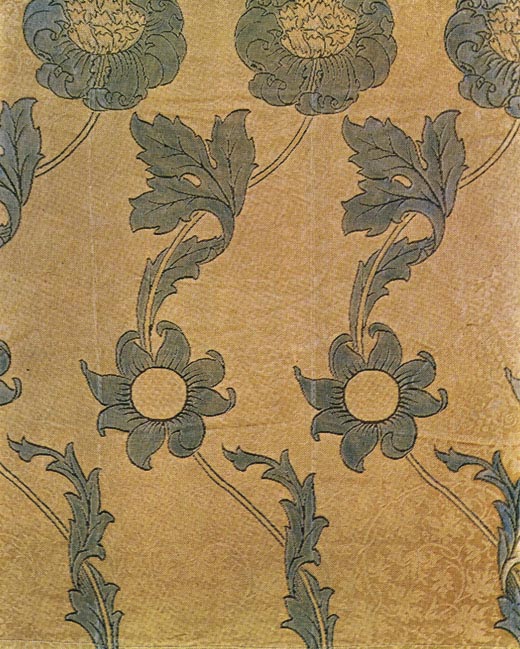
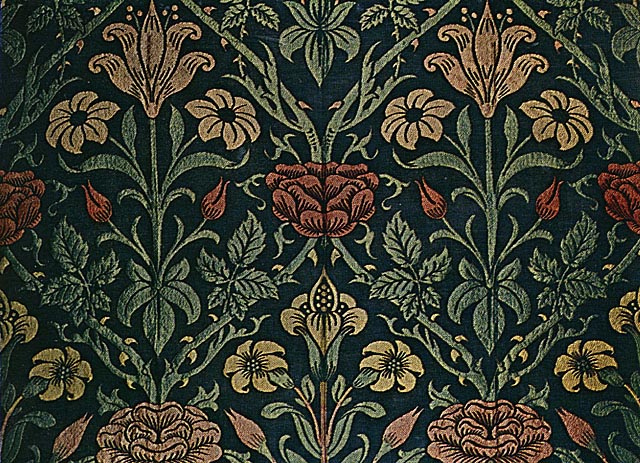
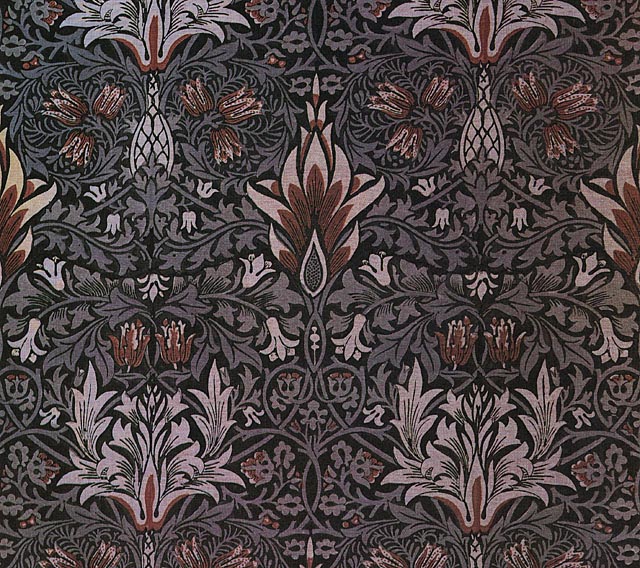
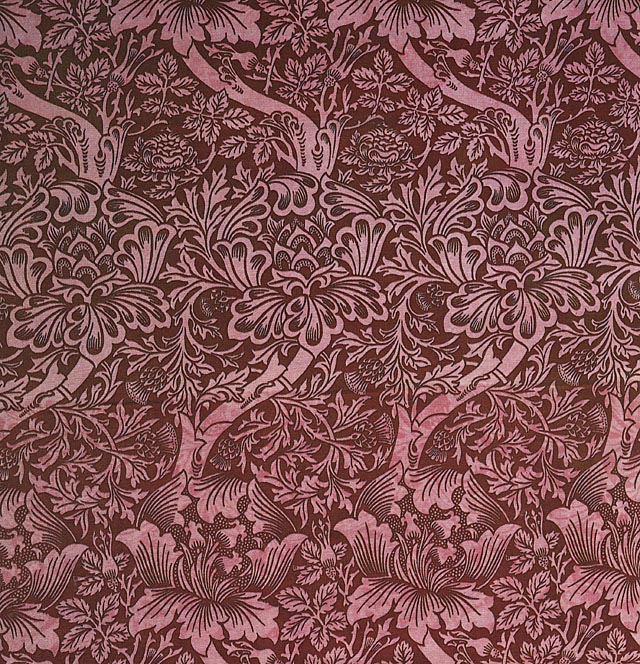
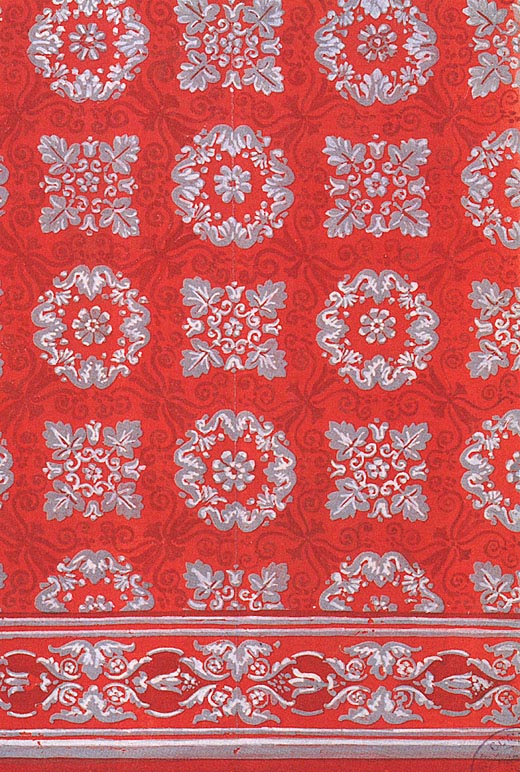
His style dominates the last quarter of the century and, although set within the climate of revival described above, he gives it a personal interpretation: he rejects the simple re-proposal of ancient stylistic features and, by personally overseeing the various stages of production, achieves a close correlation between the design and the material on which it is to be executed. In light cotton chintz fabrics or in silks he favours undulating designs with a vertical movement; in silk-and-wool fabrics the design of double-pointed ovals with flowers and birds prevails