Mineralogy
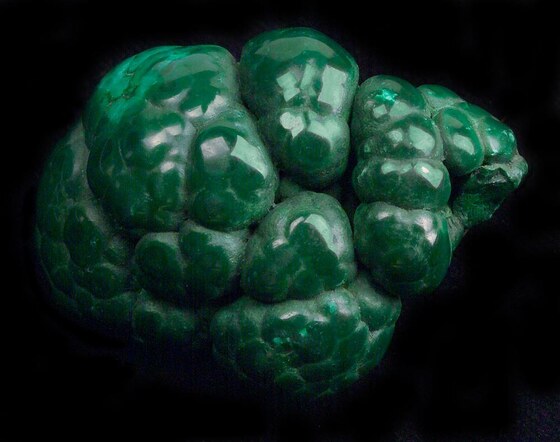
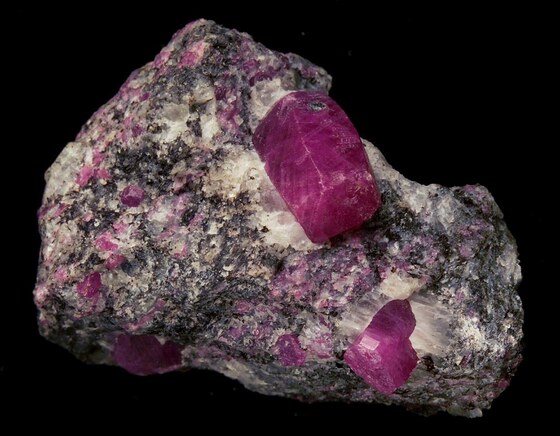
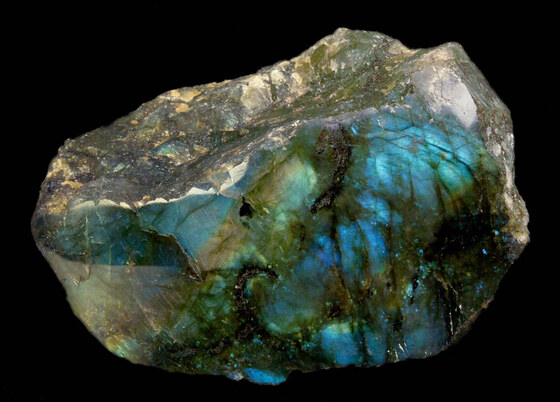
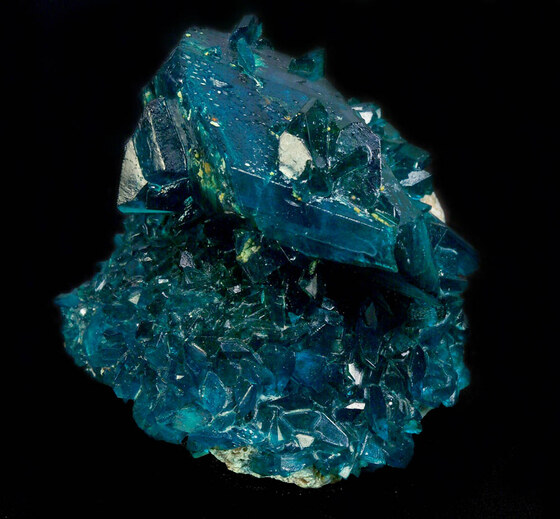
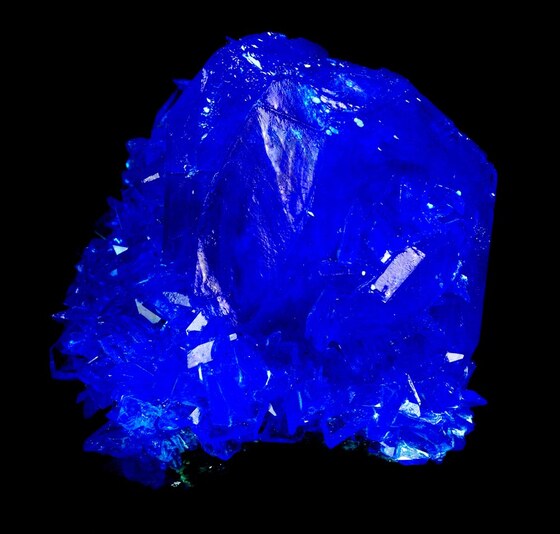
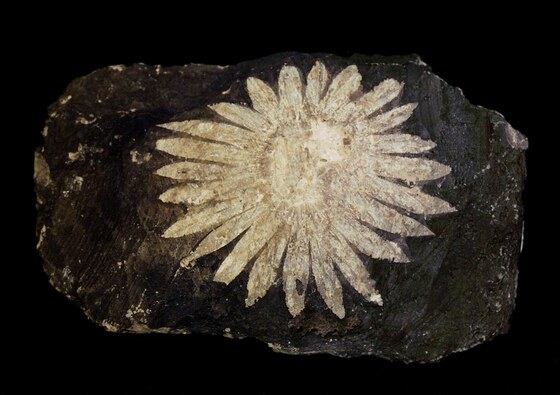
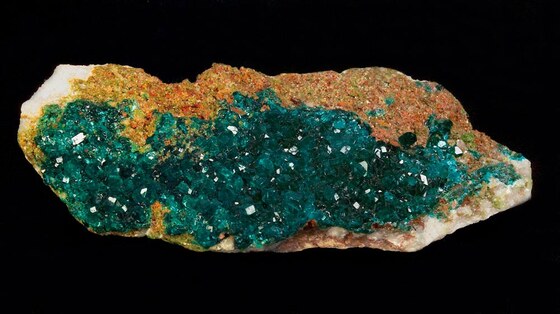
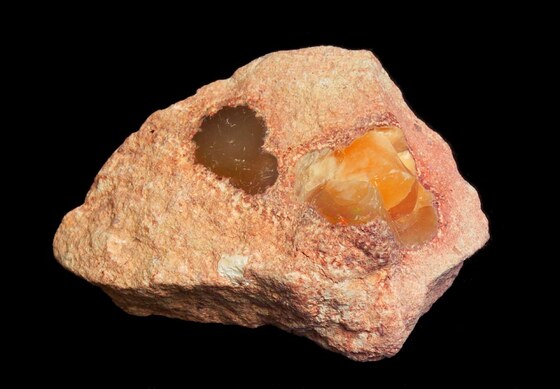
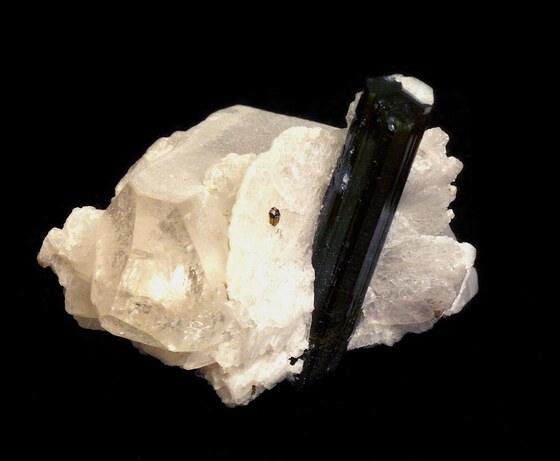
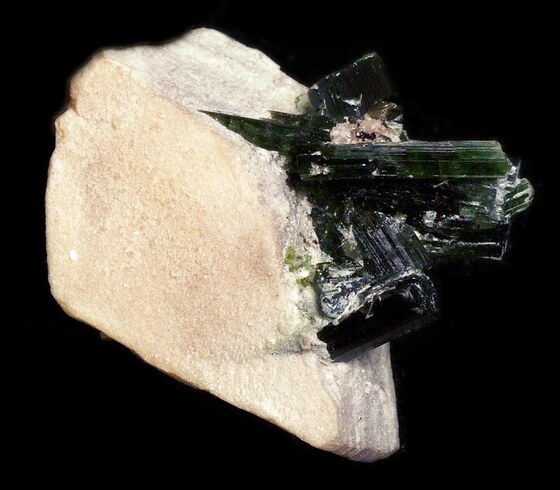
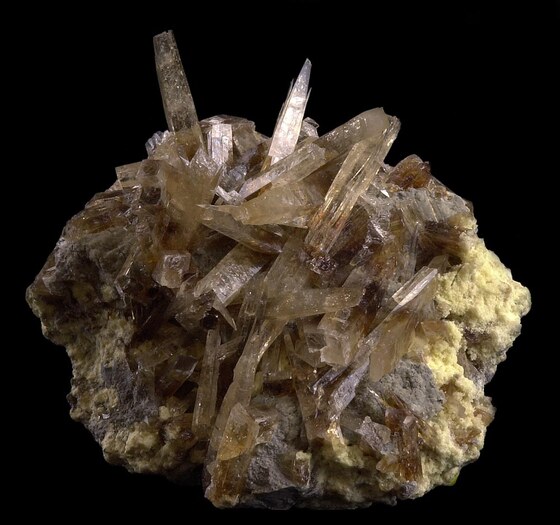
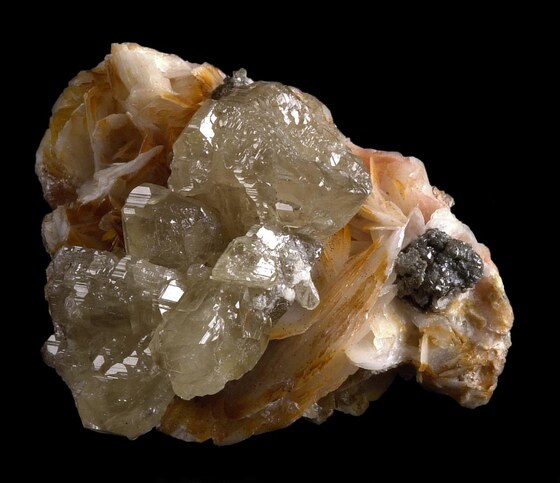
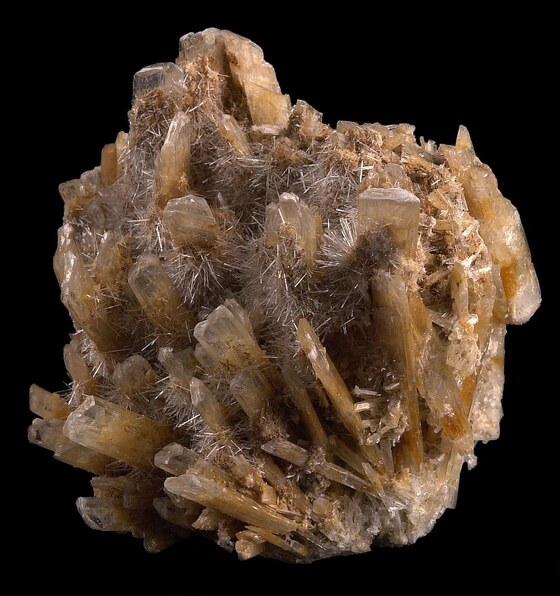
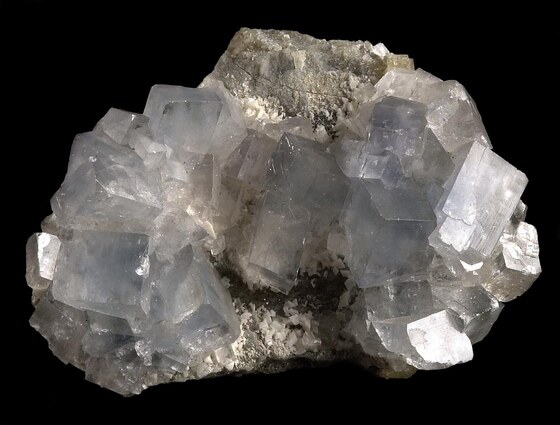
54 specimens of minerals and crystals, from amethyst geodes to the rarest silicates — provenance, class, physical properties and description for each.
Minerals are nothing other than the aggregates of rocks, essential components of the Earth's crust. Rocks are divided into three main groups — igneous, metamorphic and sedimentary — and are made up of aggregates of grains of different minerals.
Minerals are for the most part inorganic solids, formed by a single chemical element or by combinations of several. Starting from the observation that around 3000 species of minerals exist in nature, it was necessary to devise a classification method which, taking into account the specific characteristics of each, starts from those with the simplest chemical composition and arrives at minerals with very complex chemical bonds. This yields nine main classes: native elements, sulphides, halides, oxides and hydroxides, carbonates, sulphates, phosphates, silicates and organic substances.

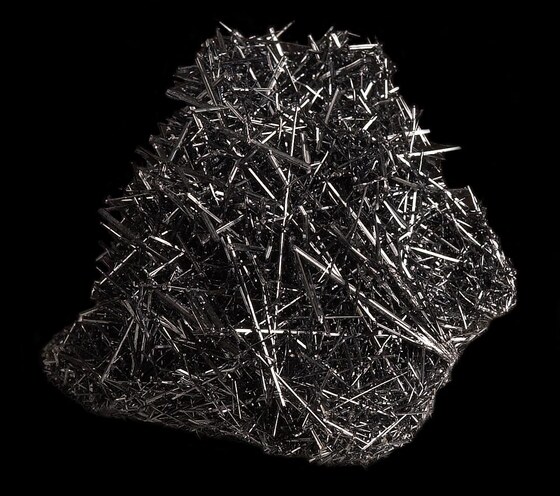
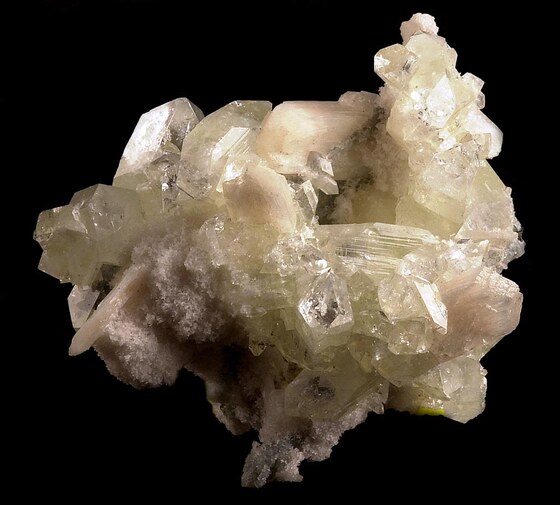





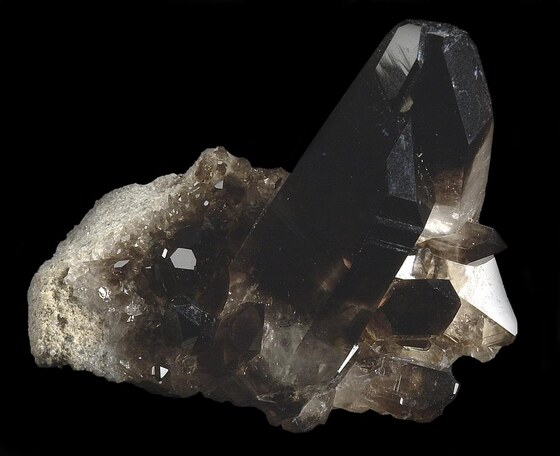
 Oxides and Hydroxides