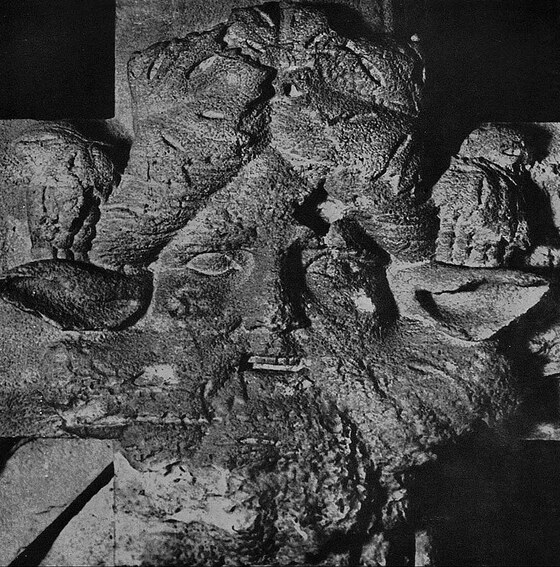
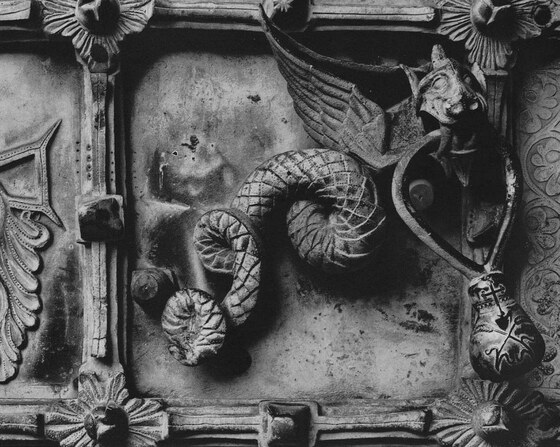
Romanesque Sculpture
From the early Middle Ages to the height of the 12th century: capitals, ambos and portals of the great Italian Romanesque building sites. 130 works documented in this section.
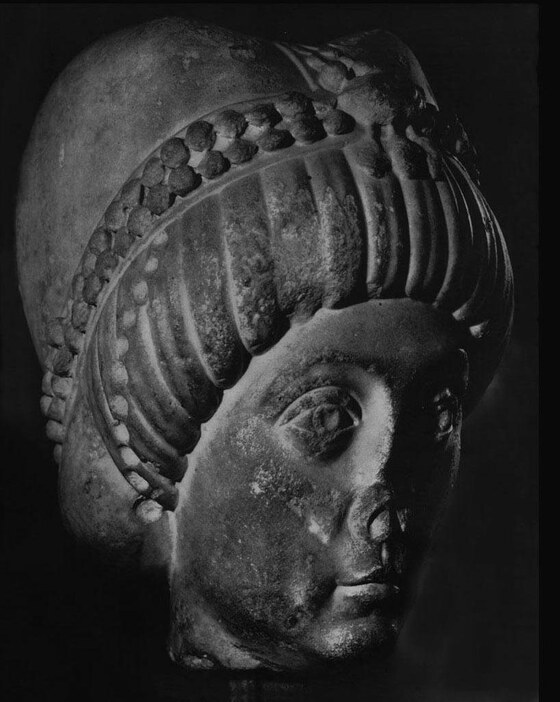 6th c.
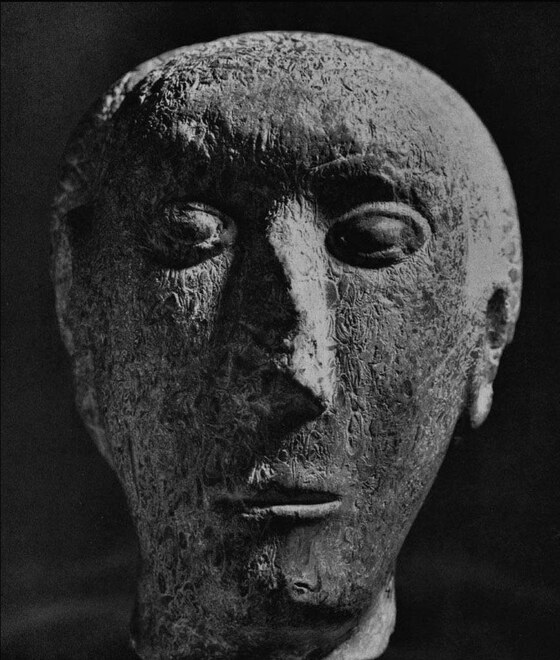
Head of the So-Called Theodora
Description: Late Roman sculpture, perhaps imported from the East.
Read the entry
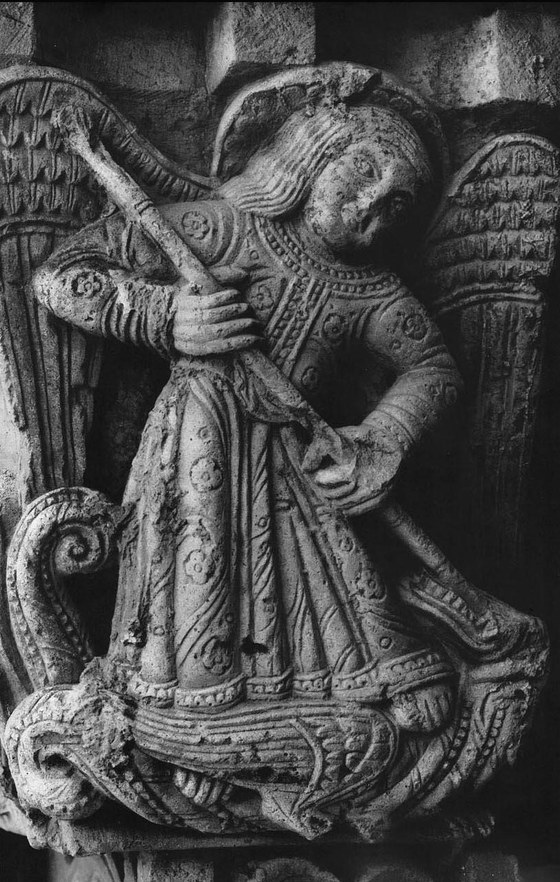 12th c.
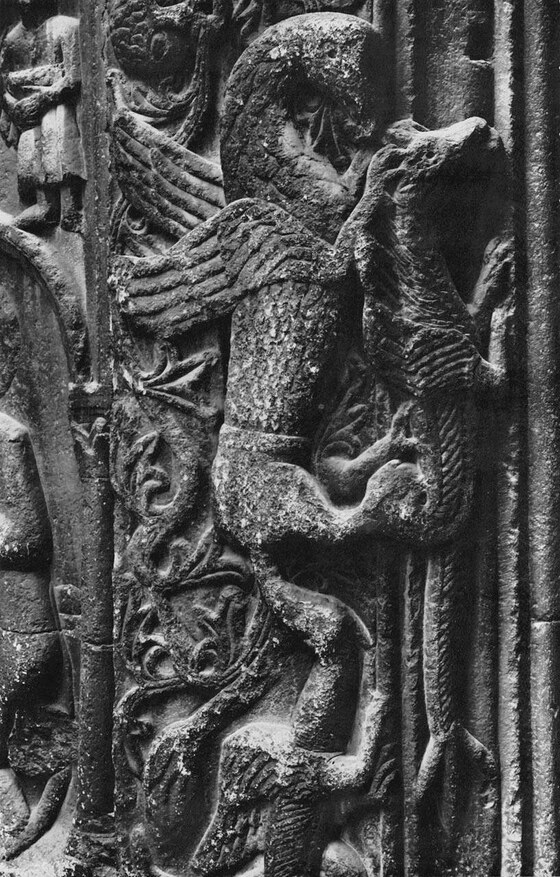
The Archangel Michael and the Dragon
Description: Stone, detail of the portal on left side of the Abbey.
Read the entry

 8th c.
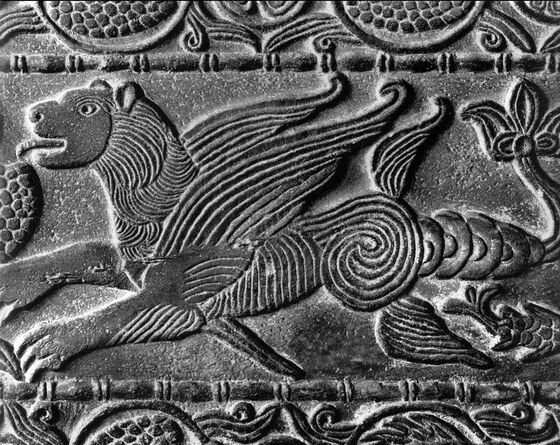
Sarcophagus of Theodota
Marble, detail of the slab with hippocamps. Transennae of the Presbytery Enclosure of the Church of Santa Maria. Monastero di Teodora. It is dated to around 720.
Read the entry
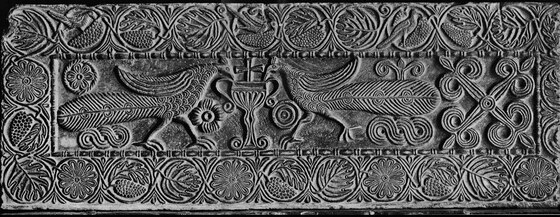 8th c.
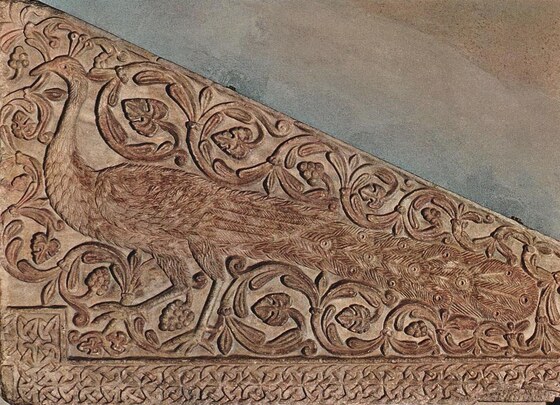
Sarcophagus of Theodota
Marble, detail of the slab with peacocks. Transennae from the chancel enclosure of the church of Santa Maria. Monastery of Theodota.
Read the entry
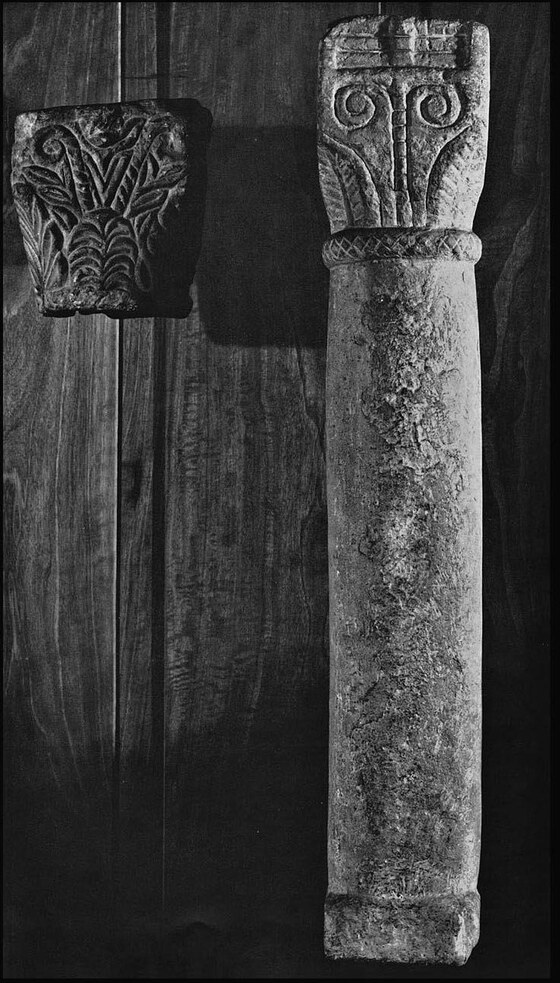
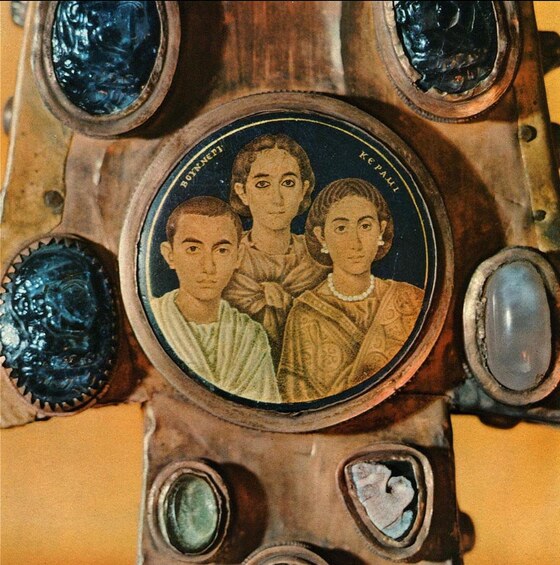 4th c.
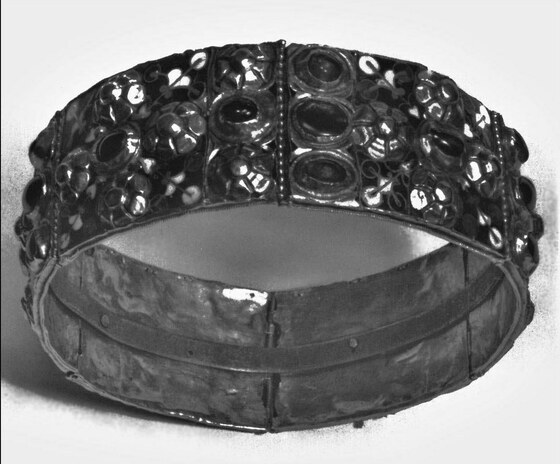
Processional Cross Known as the Cross of Desiderius
Metal sculpture set with hard stones, cameos and glass.
Read the entry
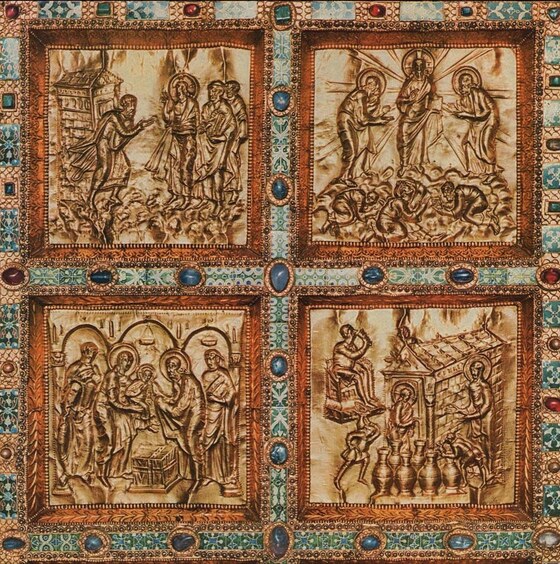 9th c.
Altar Frontal
Gold sheet with stones and enamels, detail of the front face. The altar was conceived in the time of Charles the Bald, as an inscription shows. The gold covering of the altar was donated by Archbishop Angilbert II (824-859).
Read the entry
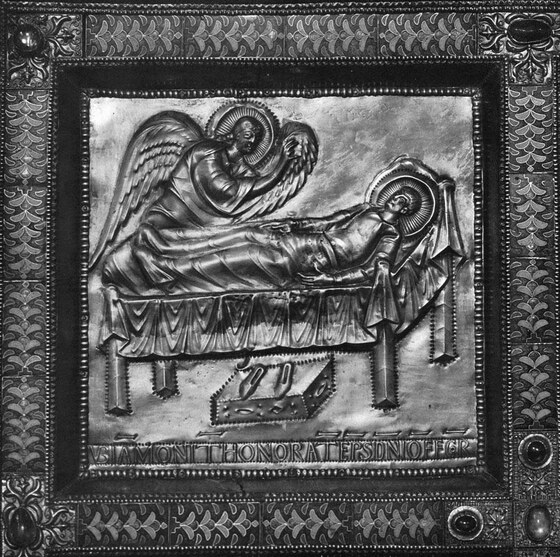
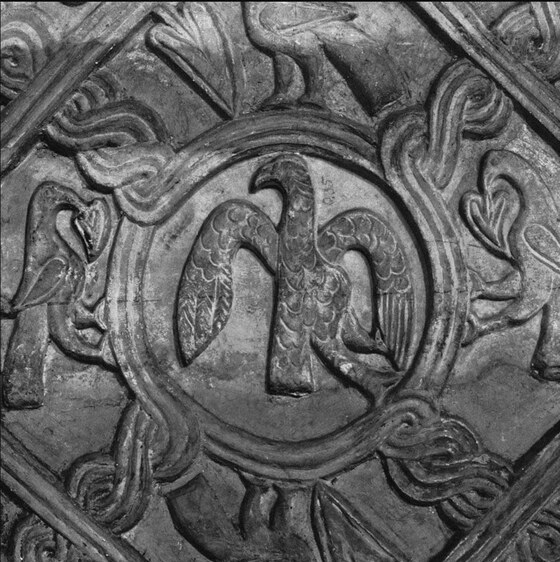
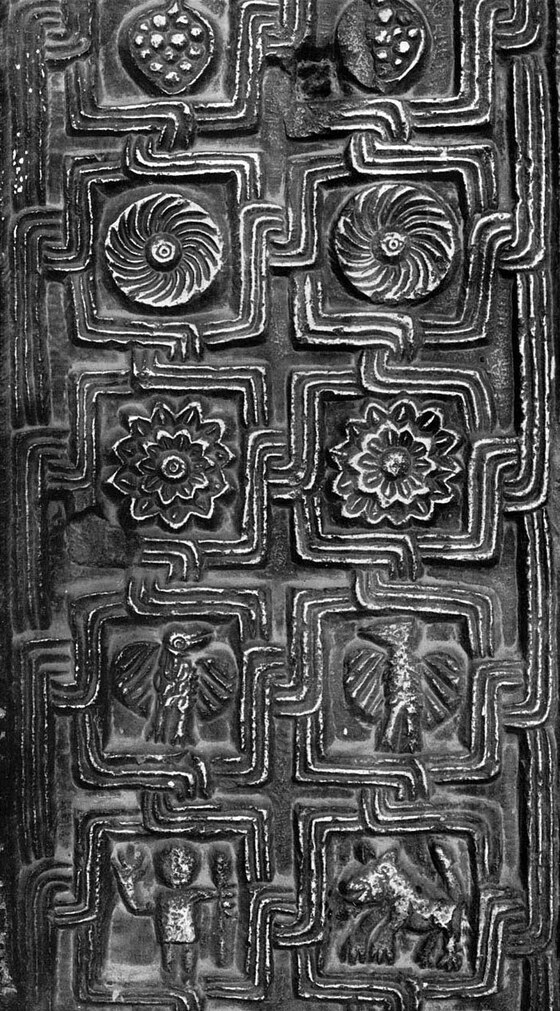
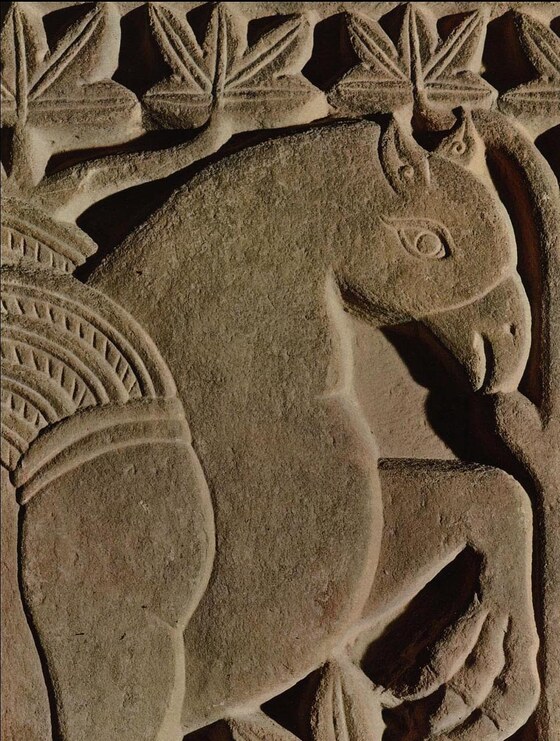
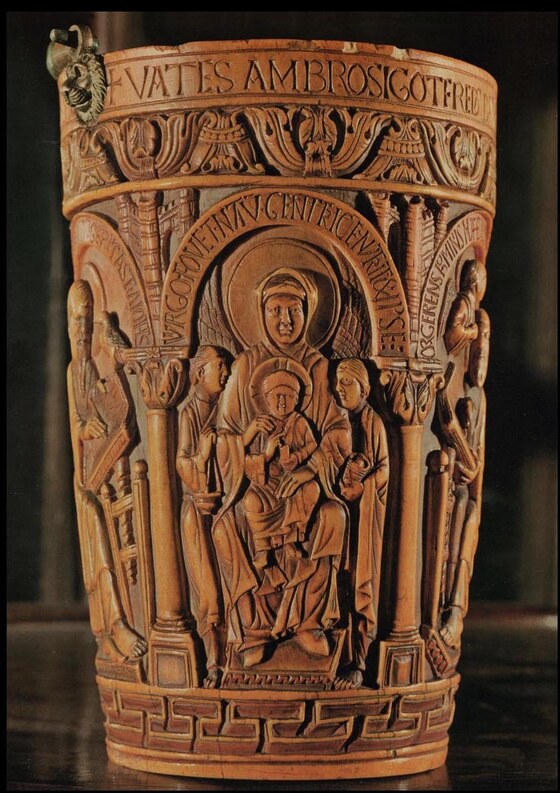 9th c.
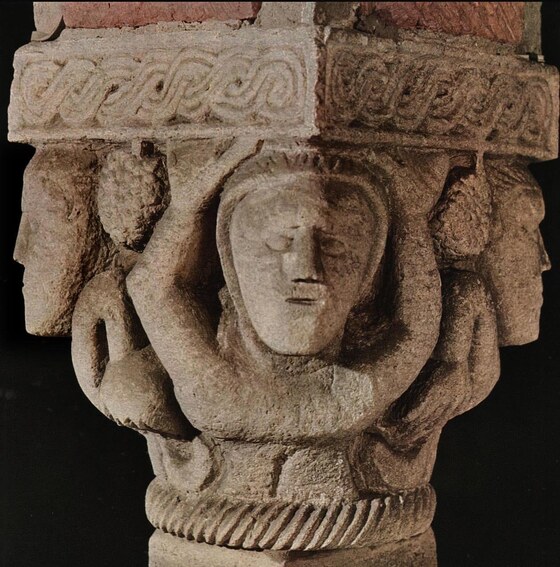
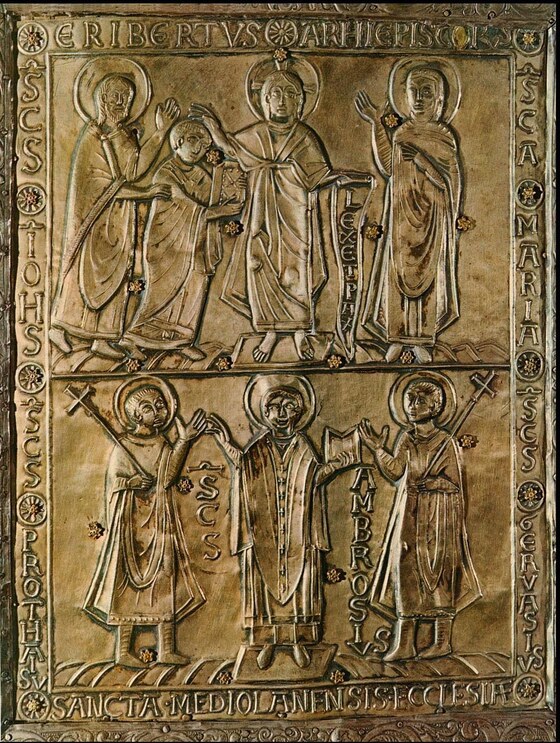
Situla of Gotofredo
Ivory. The holy-water bucket of Archbishop Gotofredo of Milan was made for the ceremonies in Sant'Ambrogio on the occasion of Otto II's passage through Milan in 980.
Read the entry

 12th c.
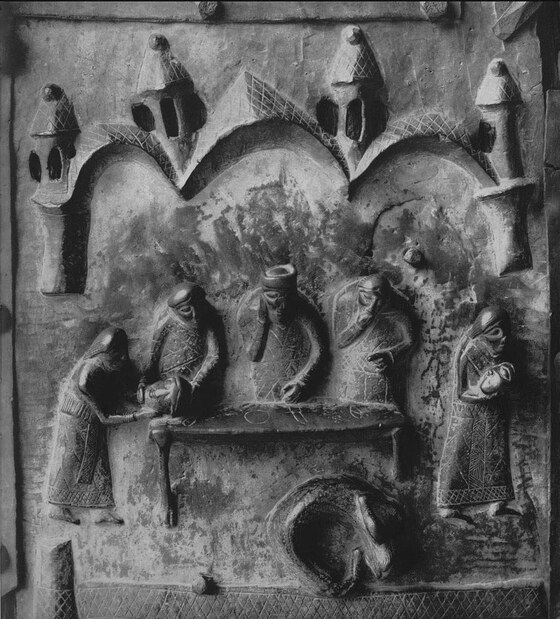
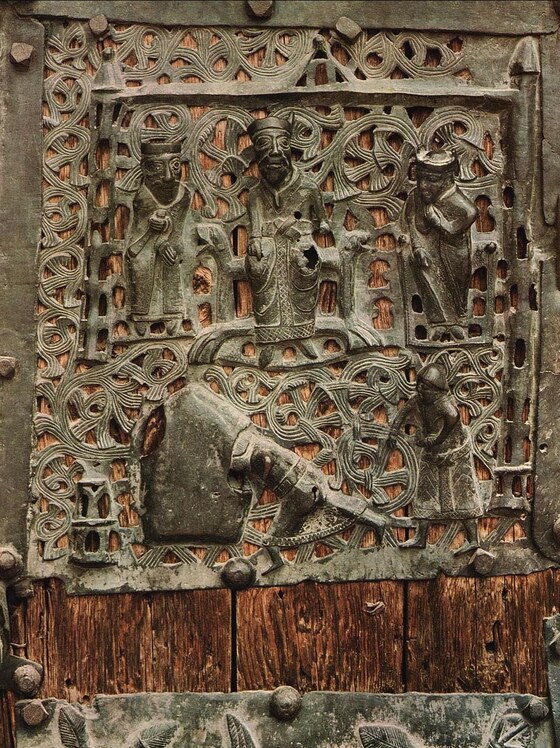
Dance of Salome
Bronze panel from the door. The door of San Zeno, reassembled at the time the façade of the cathedral was completed (1117-1138), is the work of different periods and hands. It now consists of 83 panels. Lagerino is the author of the oldest of them.
Read the entry
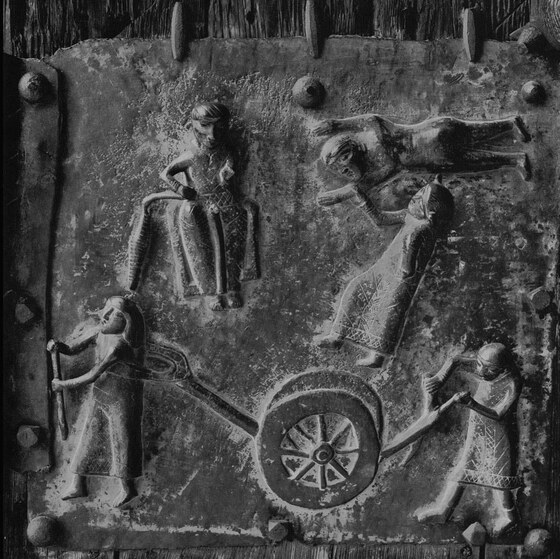
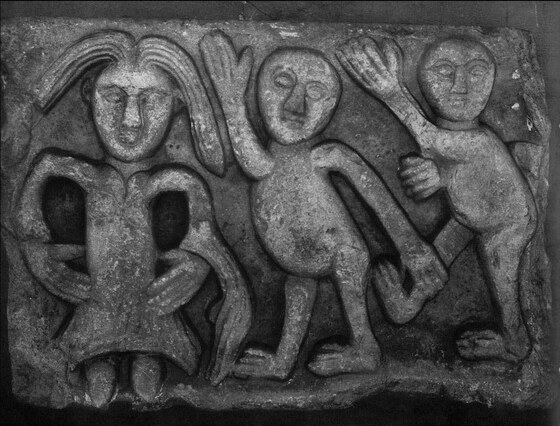
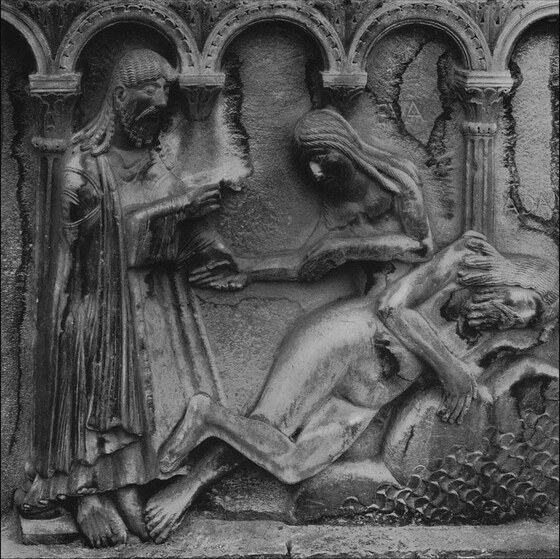
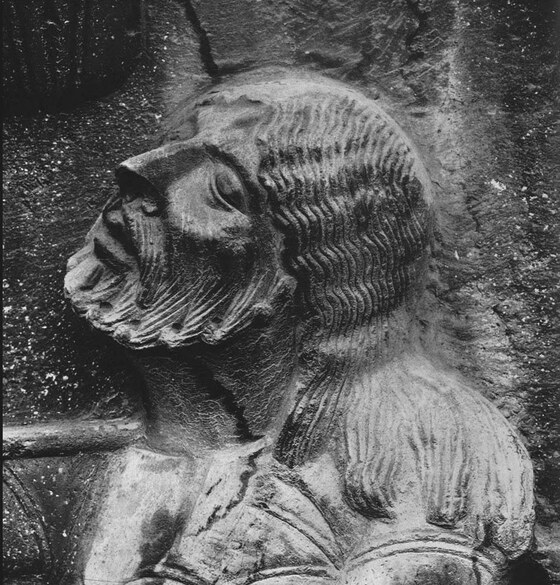 12th c.
Death of Cain
Marble, detail of the façade slabs carved by Wiligelmo in the early 12th century, with reliefs from the Book of Genesis.
Read the entry
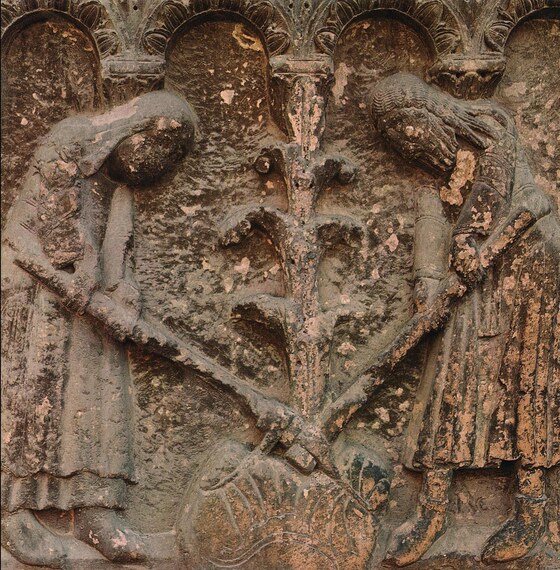
 12th c.
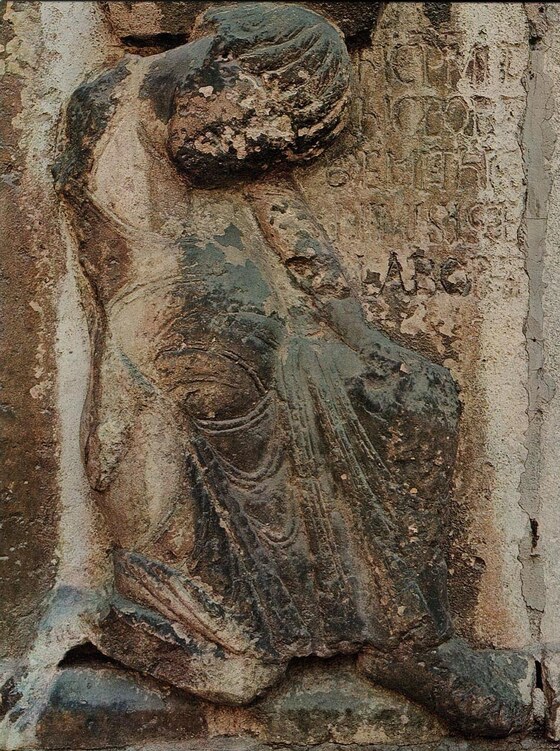
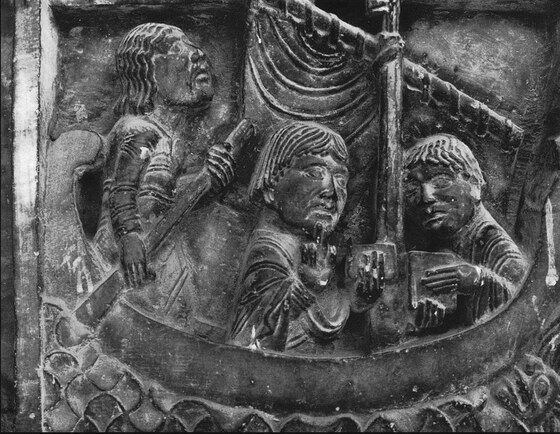
Stories of St. Geminianus
Marble, detail portraying the patron saint of the church. (attributed)
Read the entry
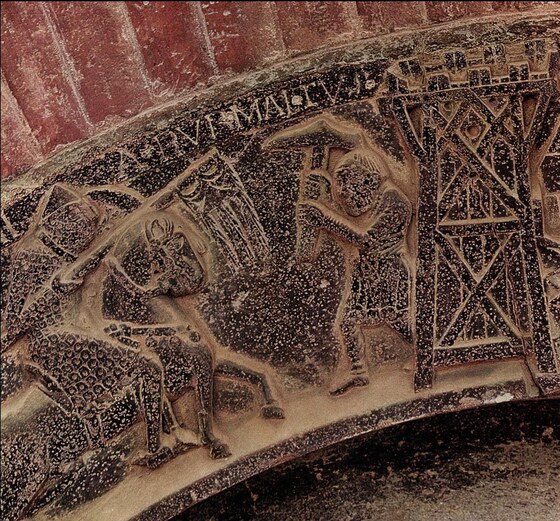 12th c.
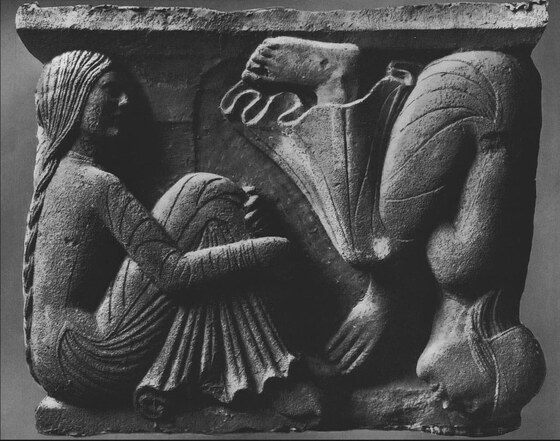
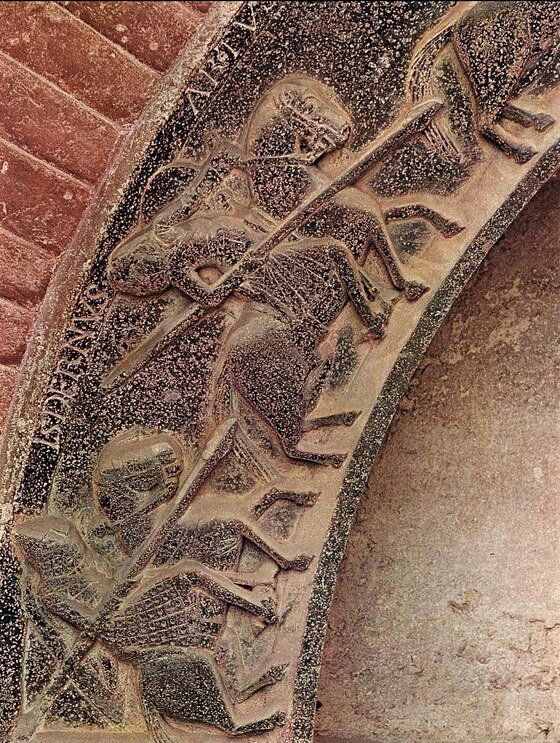
Legend of King Arthur
Stone. Detail of the Pescheria portal, on the north side of the cathedral, carved with scenes from the Breton cycle. This series of knights represents the episode of the assault on the castle of Mardoc.
Read the entry

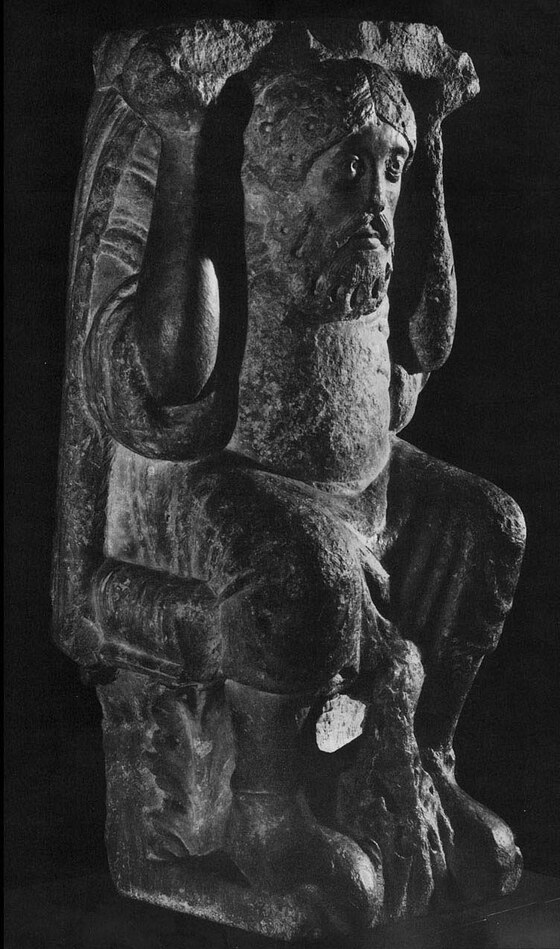
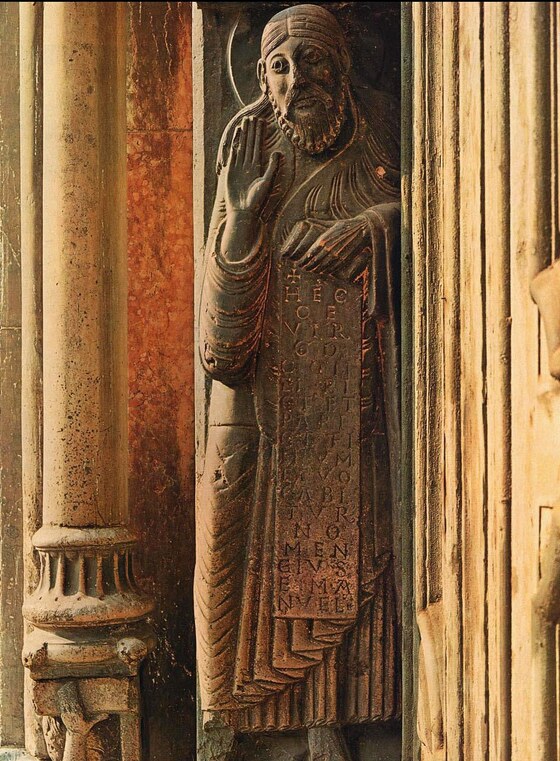
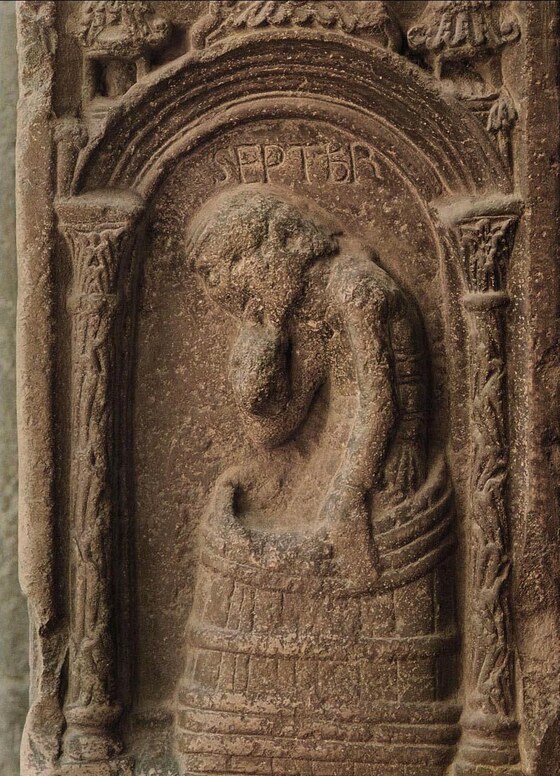
 12th c.
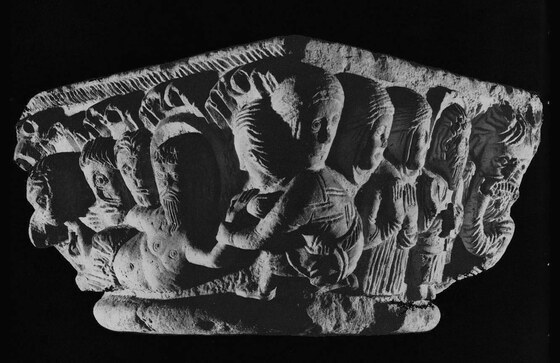
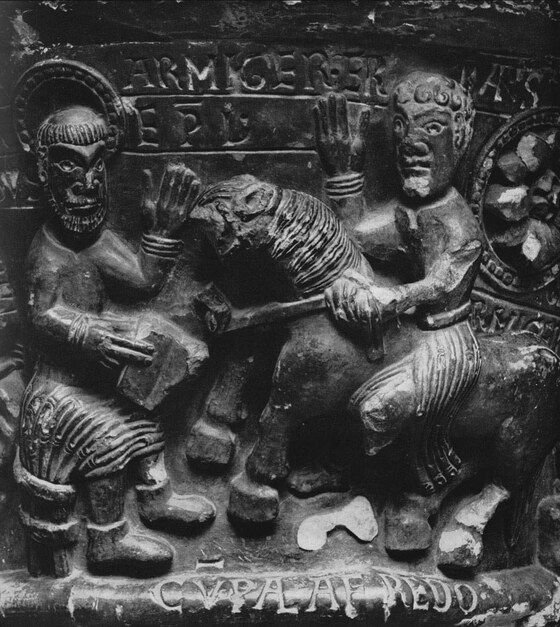
Capital with the "Stories" of St. Ursus
Marble, detail of a capital in the cloister of the church.
Read the entry
 12th c.
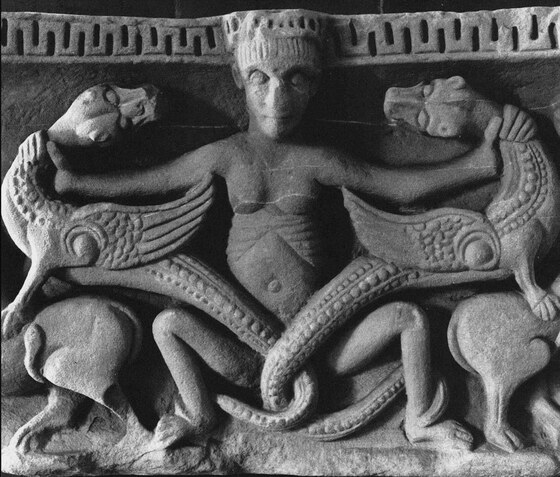
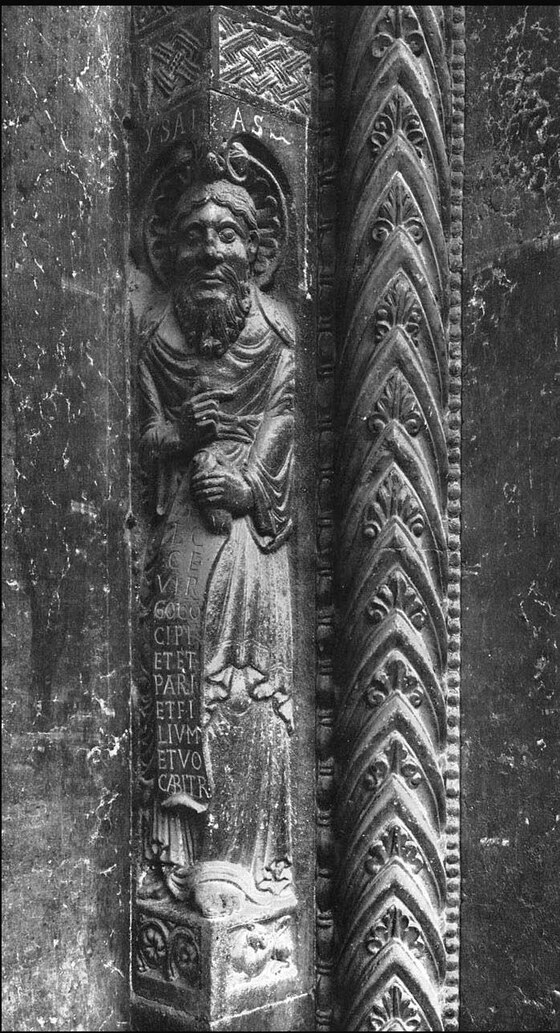
Prophet
Marble. The artist worked on the Cathedral façade. Detail of the portal, concluded in 1141.
Read the entry
 12th c.
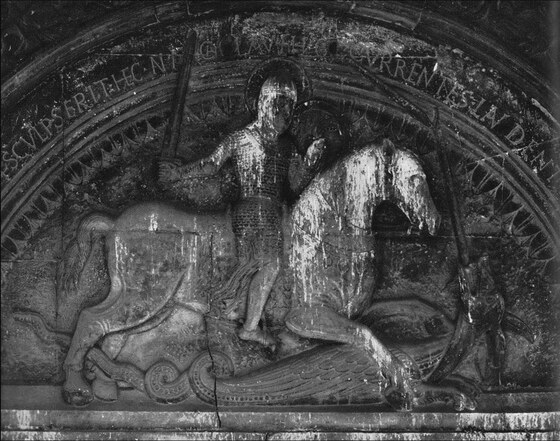
(?) Saint George
Marble, detail of the decorations executed on the cathedral façade around 1135. (attributed)
Read the entry
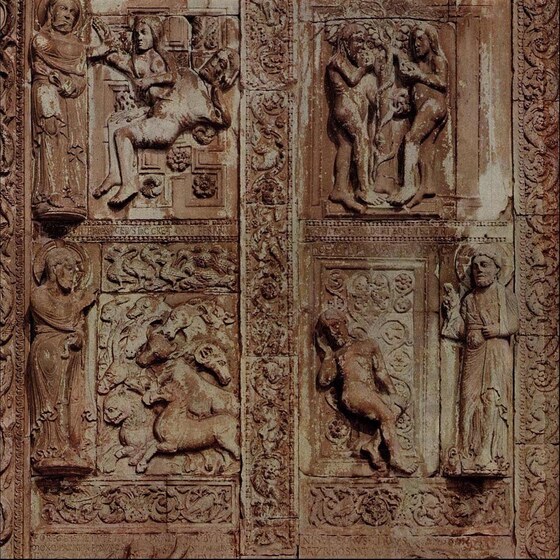 12th c.
Panels with Stories from Genesis
Marble, detail. Relief on church facade, about 1138.
Read the entry
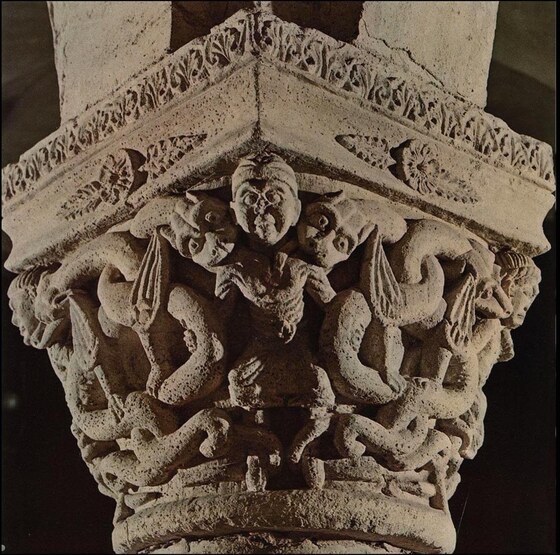
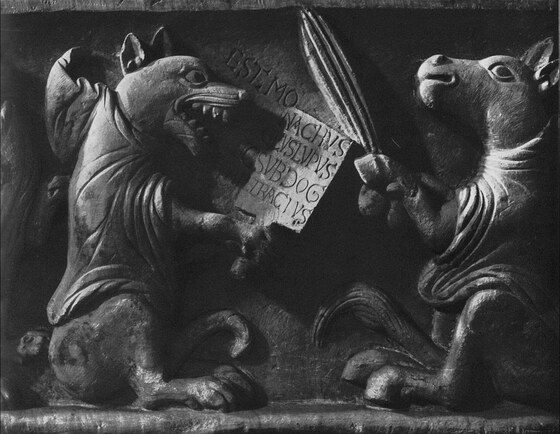

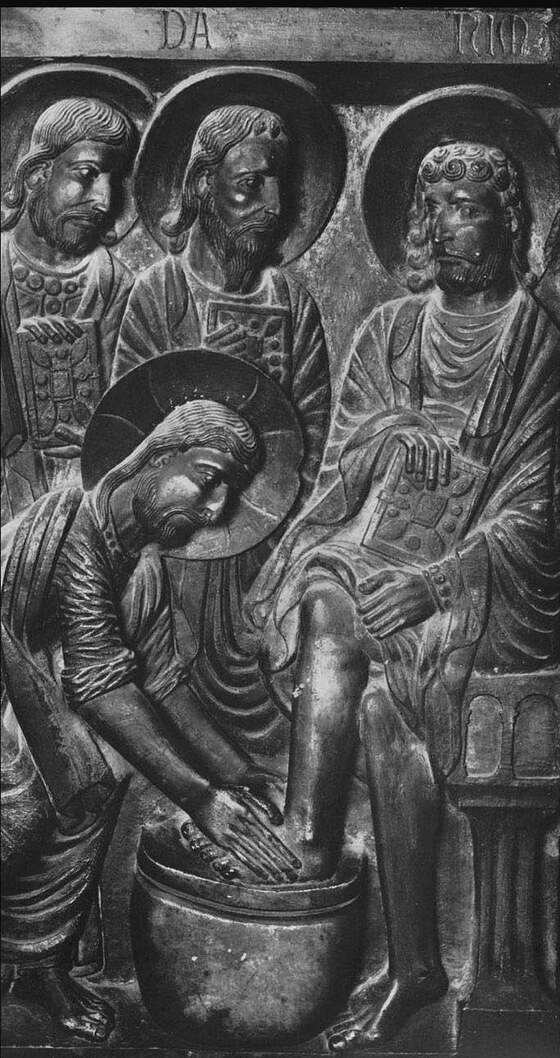 12th c.
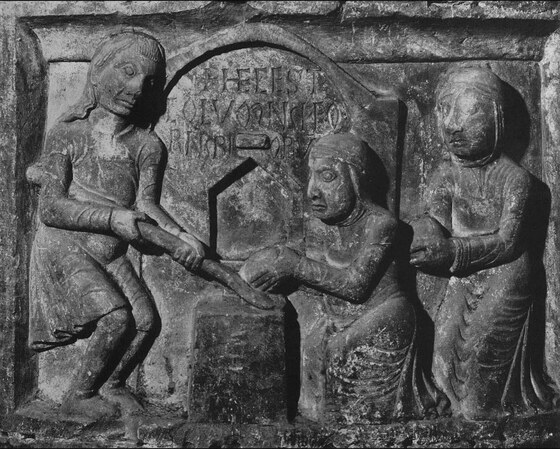
(?) The Washing of the Feet
Marble, detail of the rood screen. Anselmo headed the Campionese masters at Modena Cathedral from 1160 to 1175. (attributed)
Read the entry
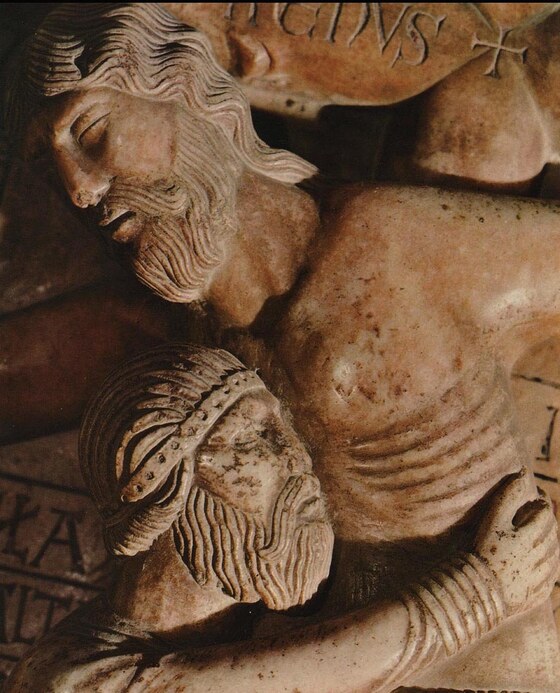 12th c.
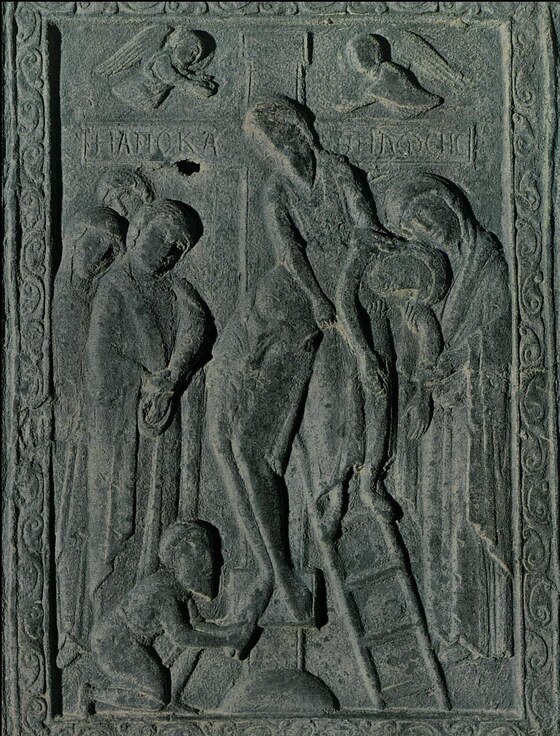
Deposition
Marble, detail of the choir decoration inside the Cathedral, work on which began around 1178.
Read the entry
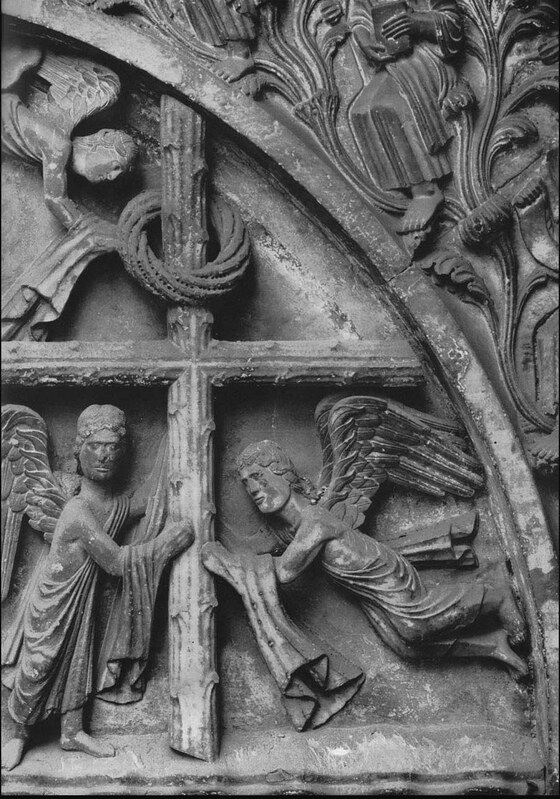 12th c.
Lunette of the Porta del Giudizio
Marble, detail of the lunette on the west portal of the Baptistery, on whose construction and decoration Antelami worked from 1196 to 1216.
Read the entry
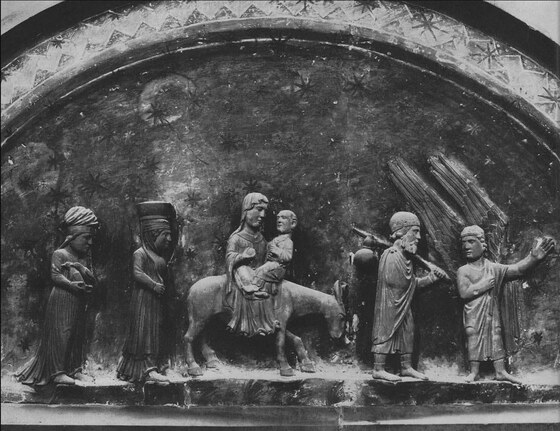
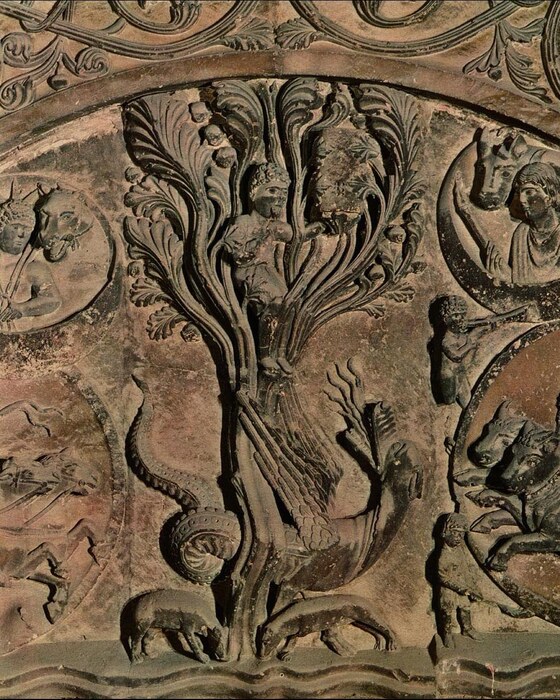 12th c.
Lunette with the Legend of the Tree of Life
Marble, detail of the lunette adorning the south portal of the Baptistery, representing the Tree of Life according to the fable of Barlaam. About 1196-1216.
Read the entry
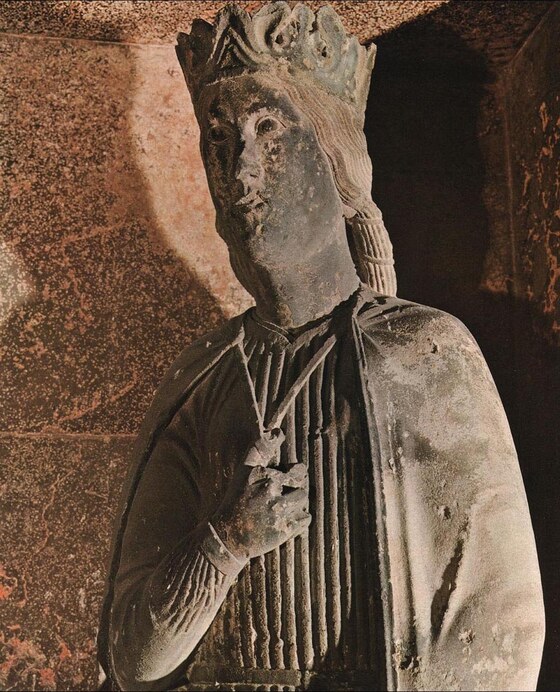 12th c.
The Queen of Sheba
Stone, detail of one of the figures representing the Prophets and Apostles which decorated the sides of the north Baptistery Portal. About 1196-1216.
Read the entry
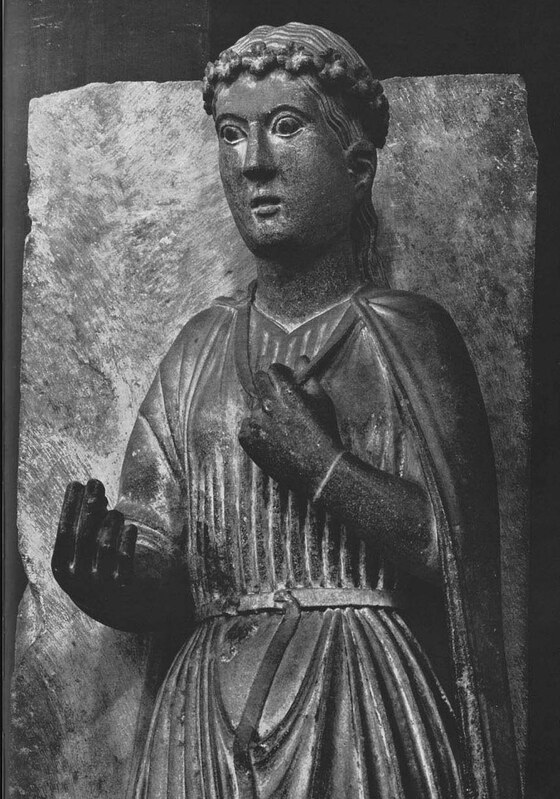 12th c.
Spring
Stone, detail of one of the statues representing allegorical figures and Prophets adorning the portals of the Baptistery, about 1196-1216. (School of Antelami)
Read the entry
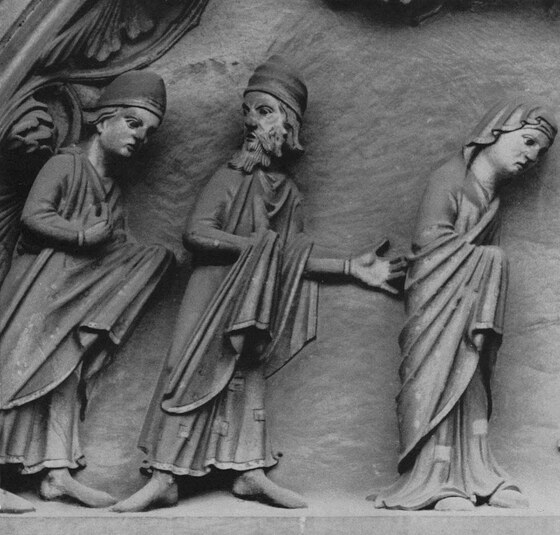
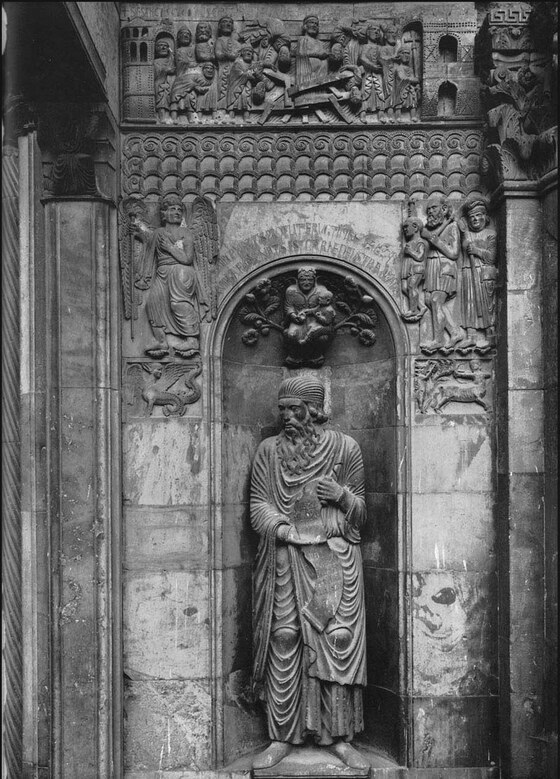 12th c.
(?) The Prophet Ezekiel
Marble. Statue belonging to one of the sculptural groups decorating the (unfinished) façade of Fidenza Cathedral, on whose design Antelami worked during the first decade of the 13th century.
Read the entry
 13th c.
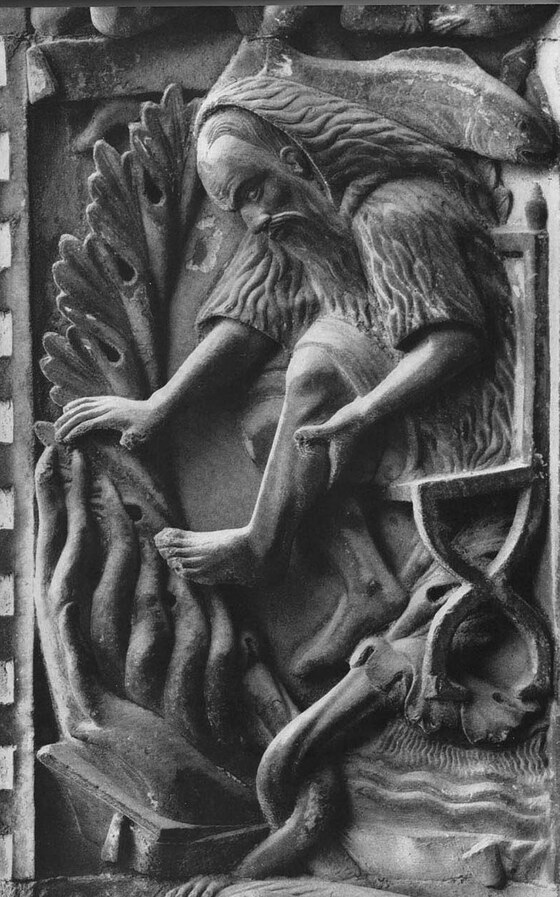
Month of February
Stone. Detail of one of the reliefs showing zodiac signs carved in the middle arch of the main Basilica portal. About 1240. -
Read the entry
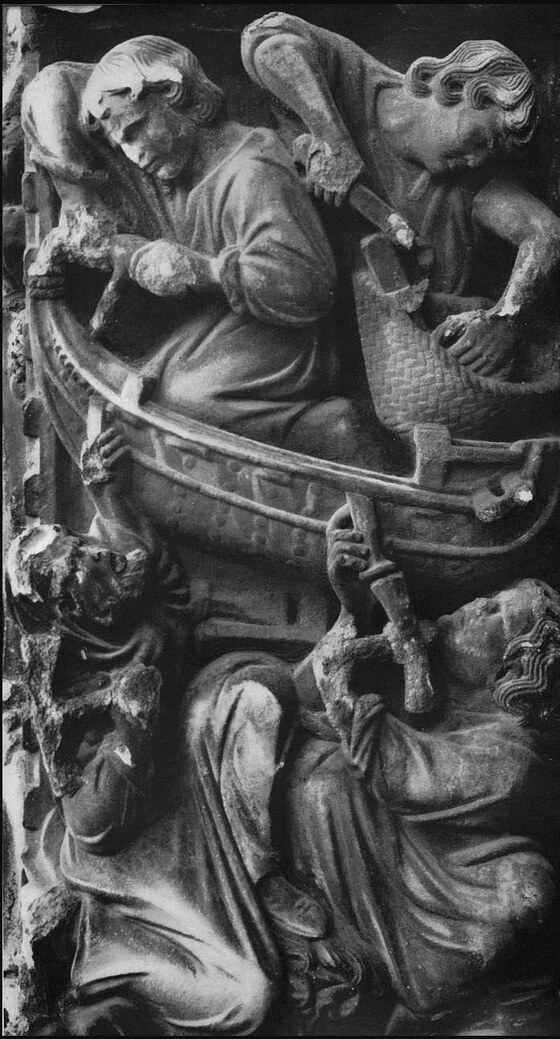 13th c.
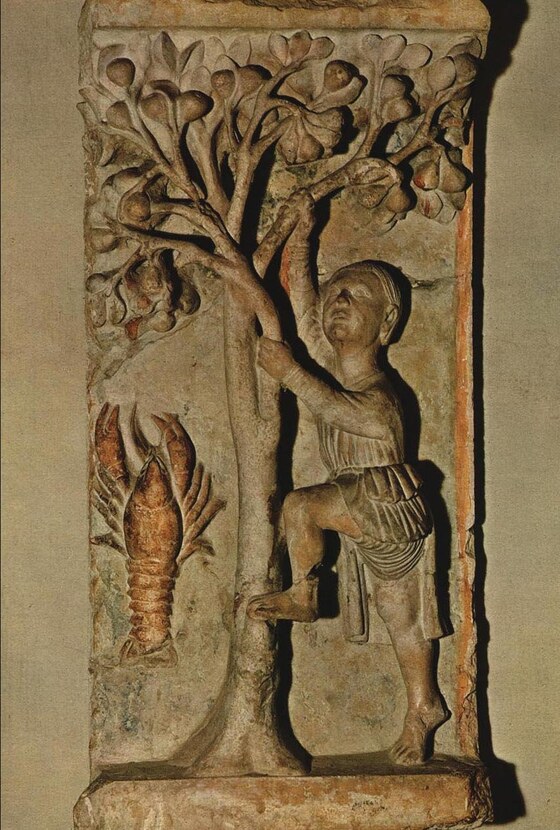
Crafts
Stone, detail of the band belonging to the triple series of reliefs adorning the portal of the Basilica, about 1265.
Read the entry
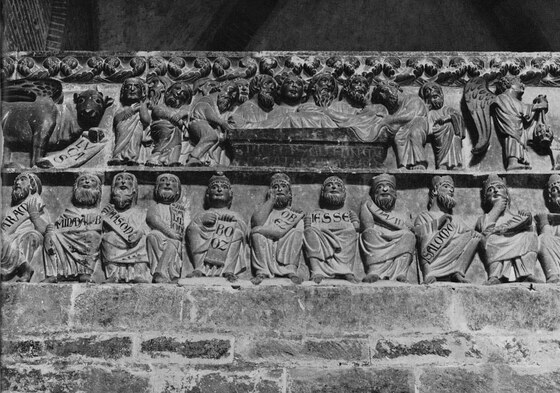
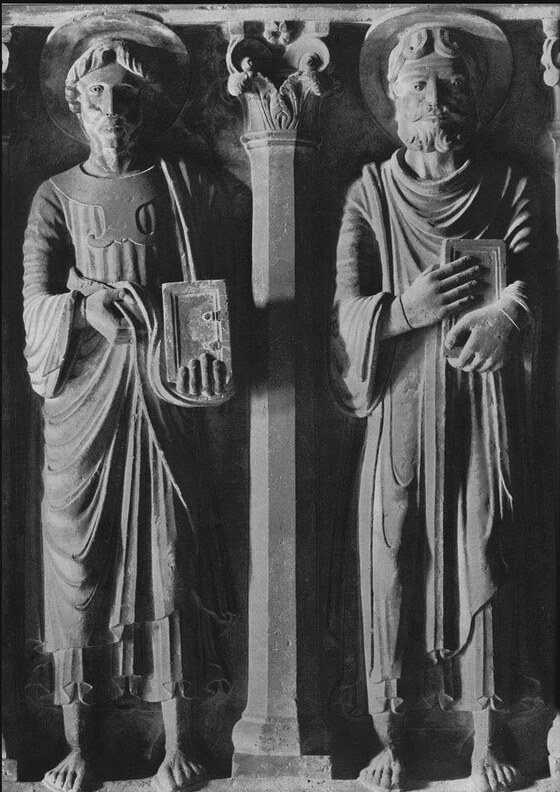
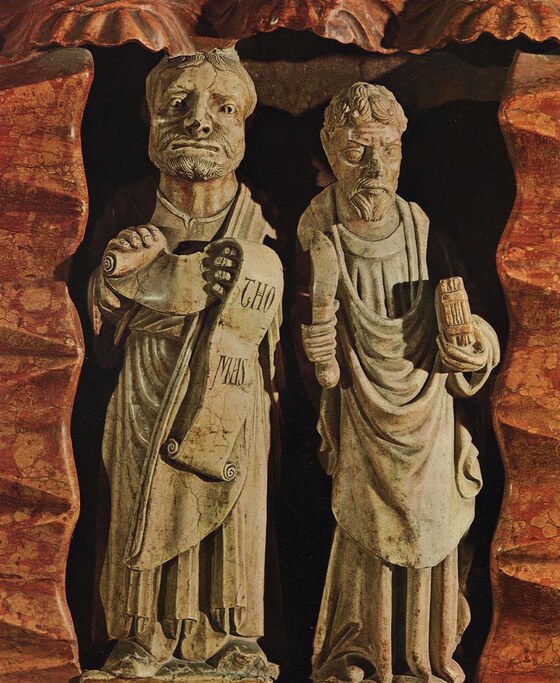
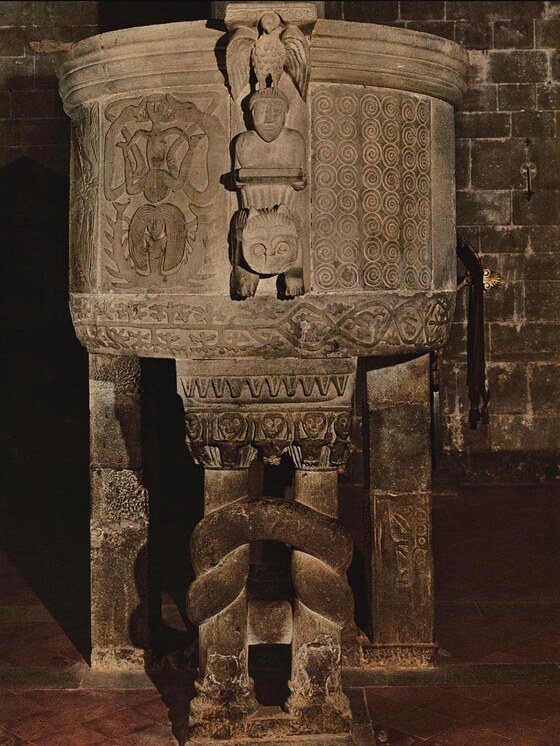
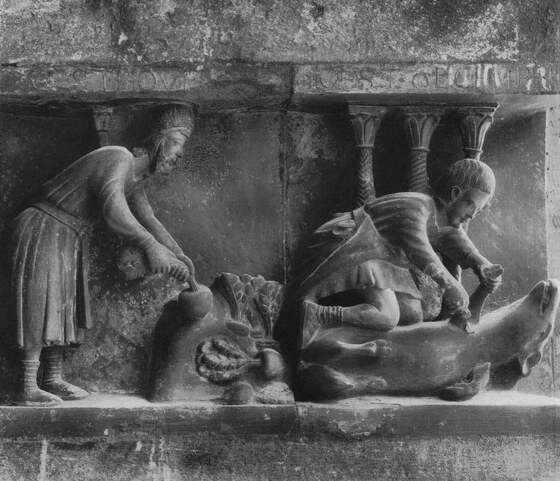
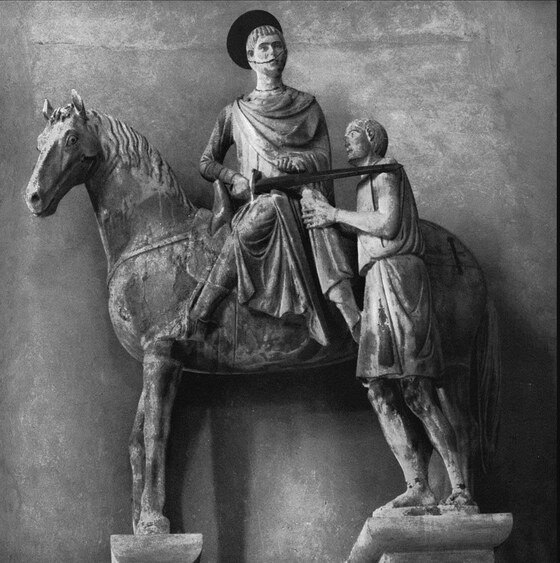 13th c.
Saint Martin and the Beggar
Marble. Height approx. cm 200. Work by an anonymous master who carved the “Stories of Saints Martin and Regulus” in the portico of the cathedral around 1233.
Read the entry
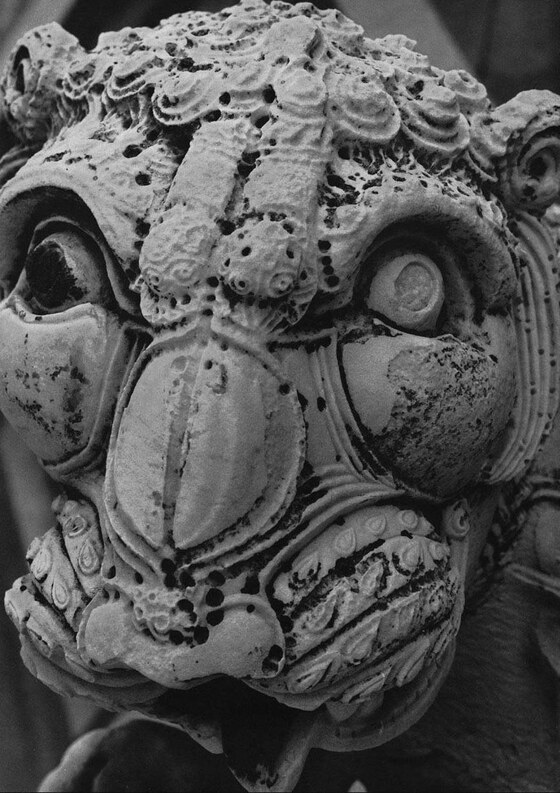
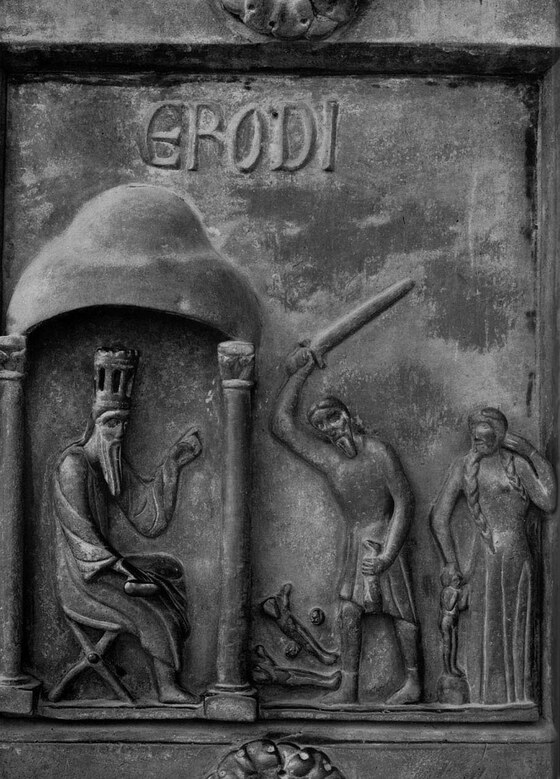 12th c.
The Massacre of the Innocents
Bronze, detail of one of the panels decorated with biblical and Gospel episodes and with prophets, which make up the San Ranieri door of the Cathedral, about 1186.
Read the entry
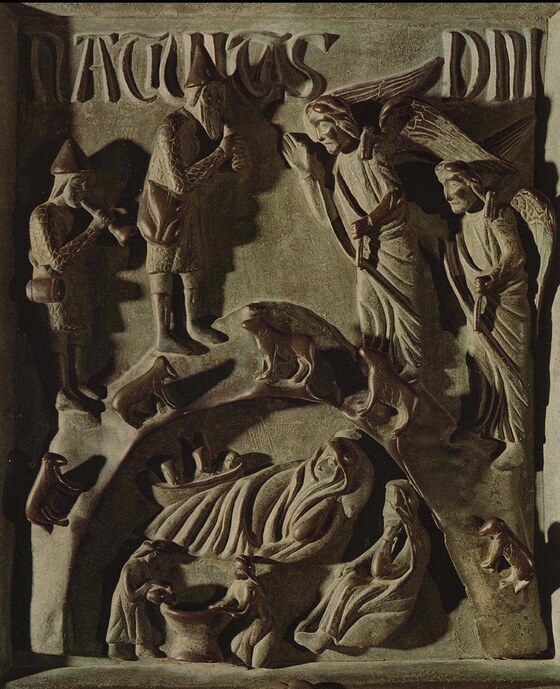
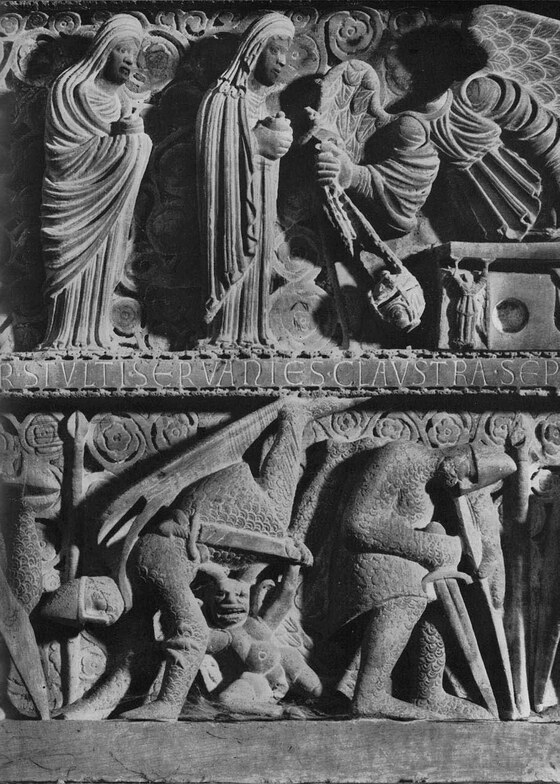 14th c.
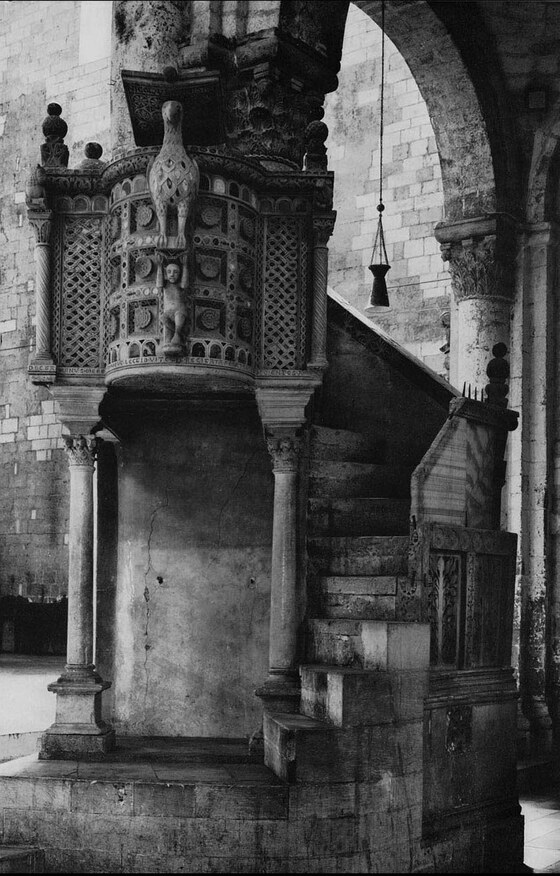
Pulpit
Marble, detail. The pulpit, decorated with stories of the Passion, was made for Pisa Cathedral and brought from there in 1312 to Cagliari Cathedral.
Read the entry
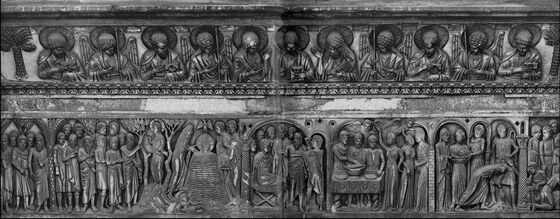 12th c.
Architrave with the "Deesis" and Stories of the Baptist
Marble, frieze of the east door of the Baptistery, second half of the 12th century.
Read the entry
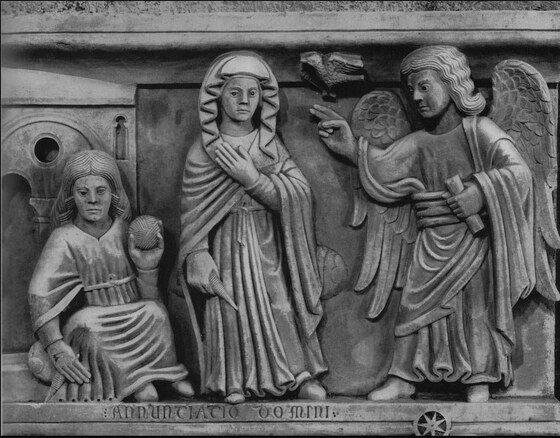
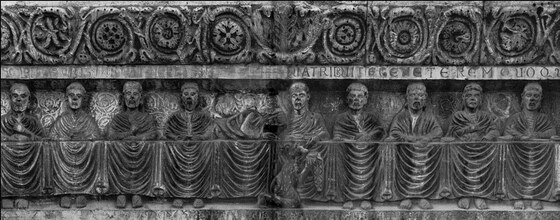 12th c.
The Last Supper
Stone, detail of the relief signed by the author, dated about 1170. (with Adeodato)
Read the entry
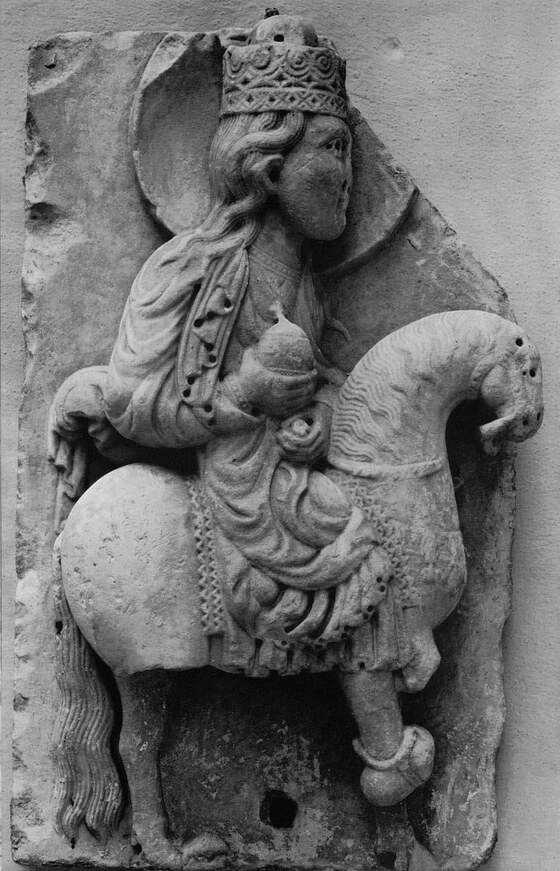
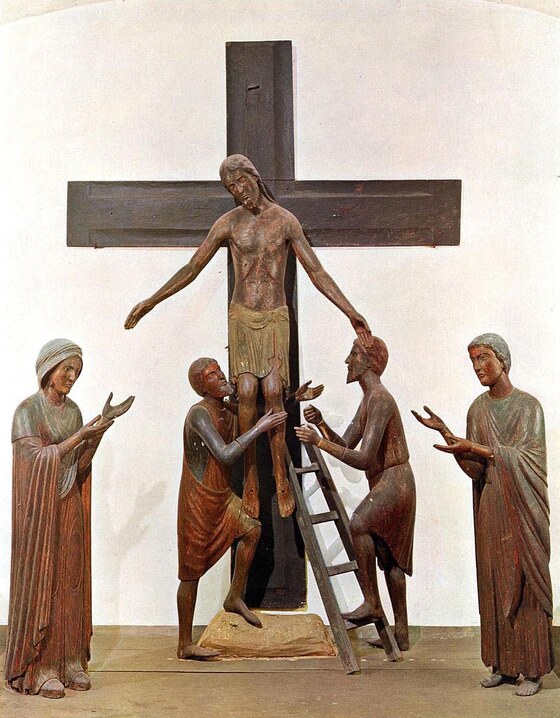

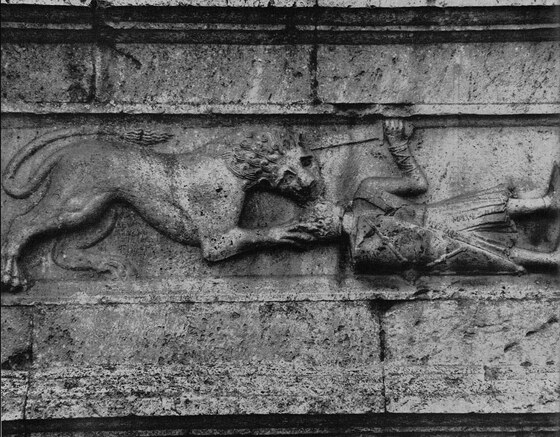
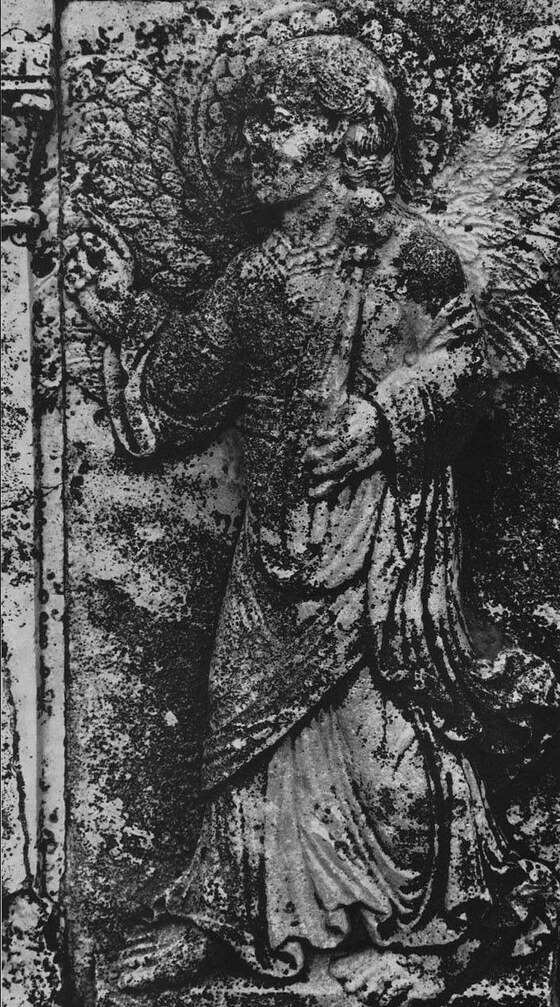

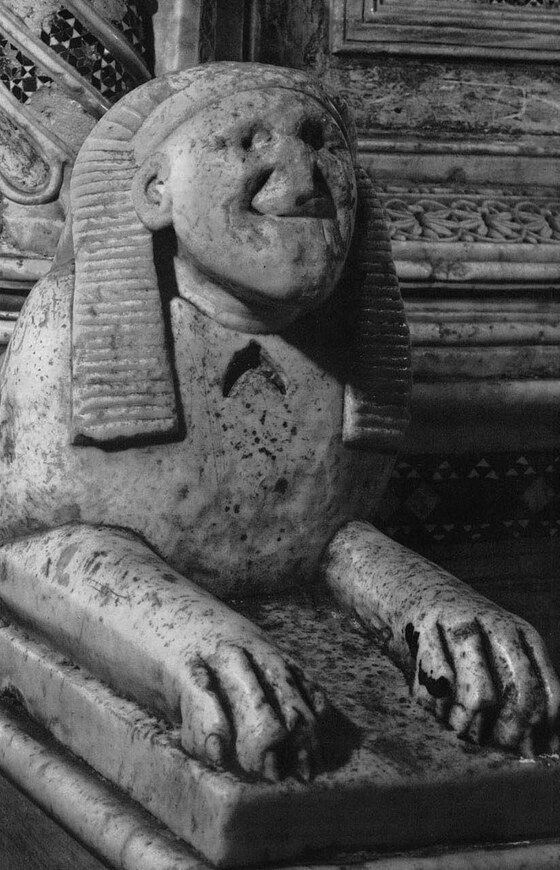
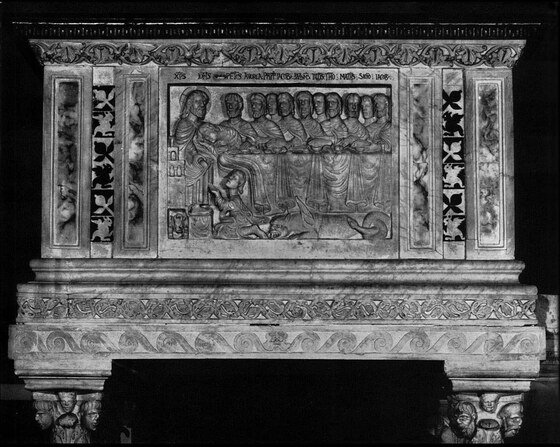
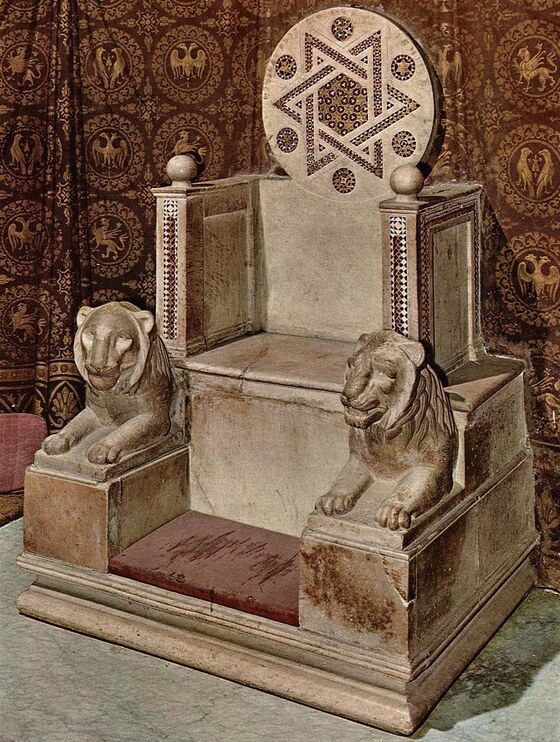 12th c.
Episcopal Throne
Polychrome marble. The Vassalletto family belongs to the Cosmati, a conventional name used for certain families of marble workers active in Rome and Lazio between the 12th and the end of the 13th century as decorators and architects. (attributed)
Read the entry
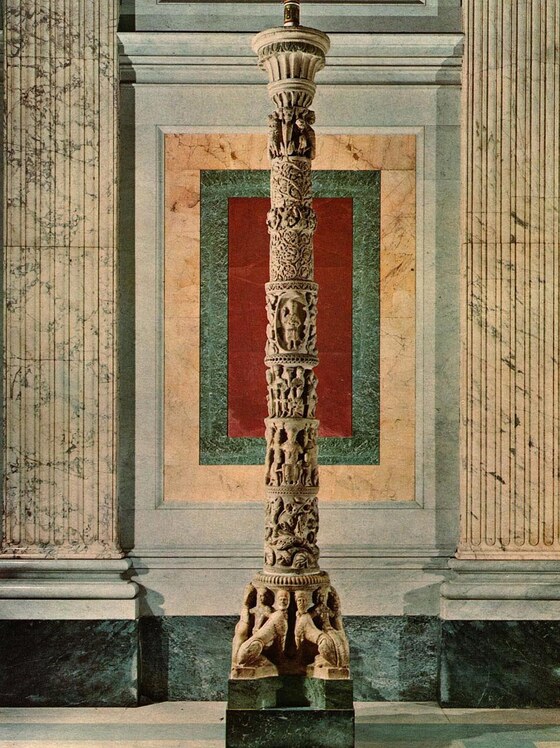
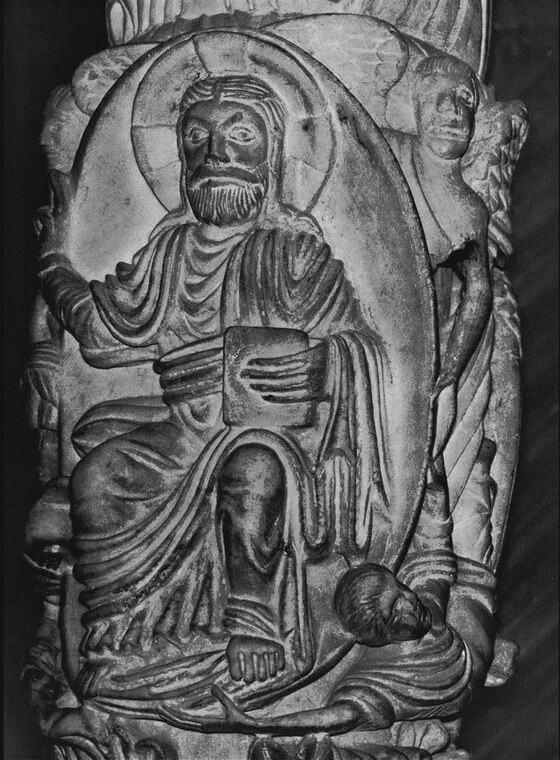

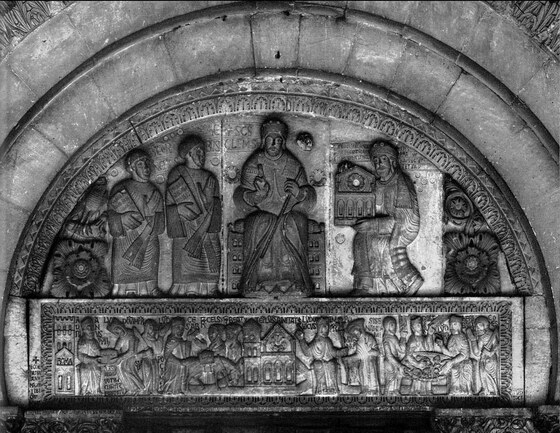
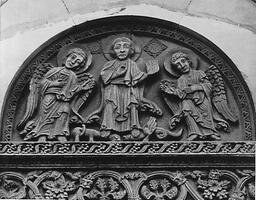
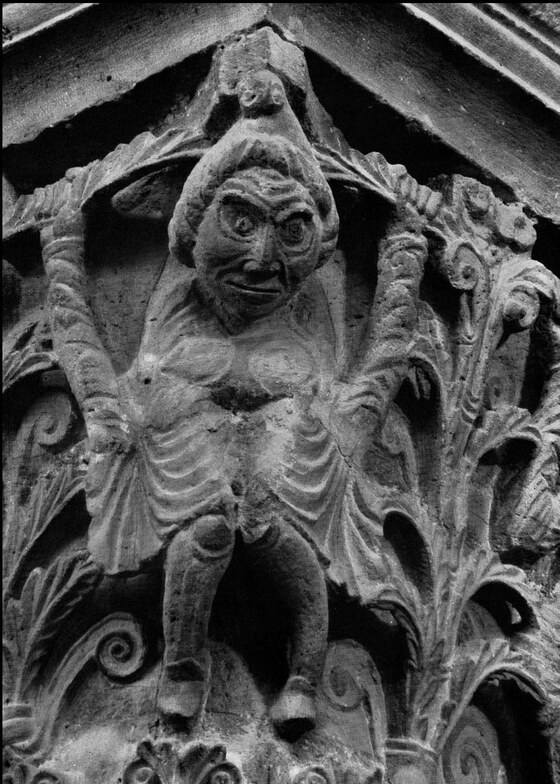
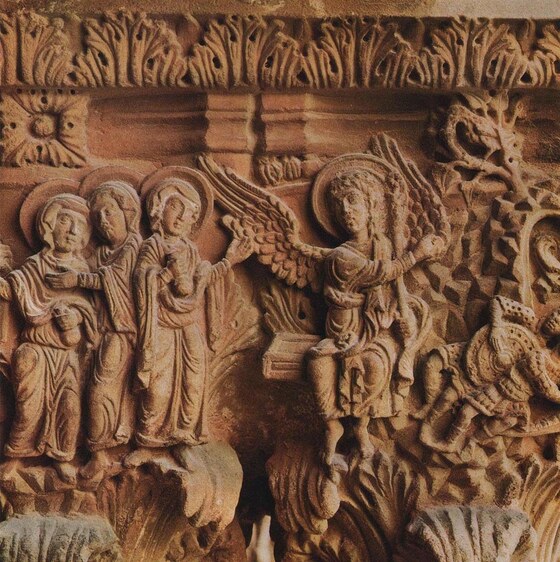
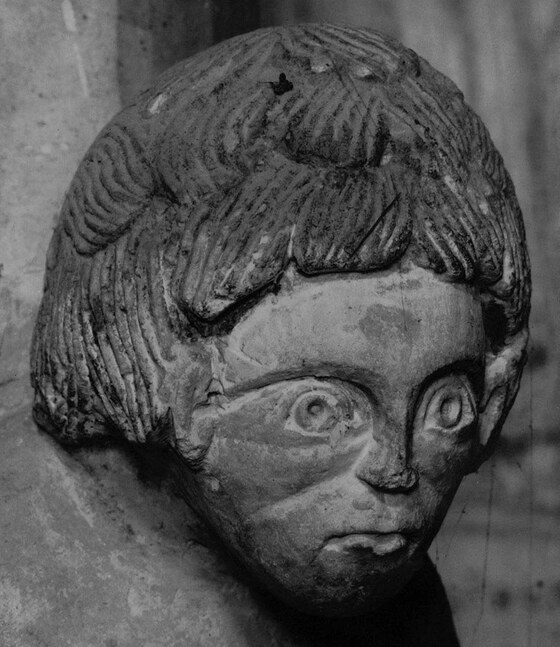
 12th c.
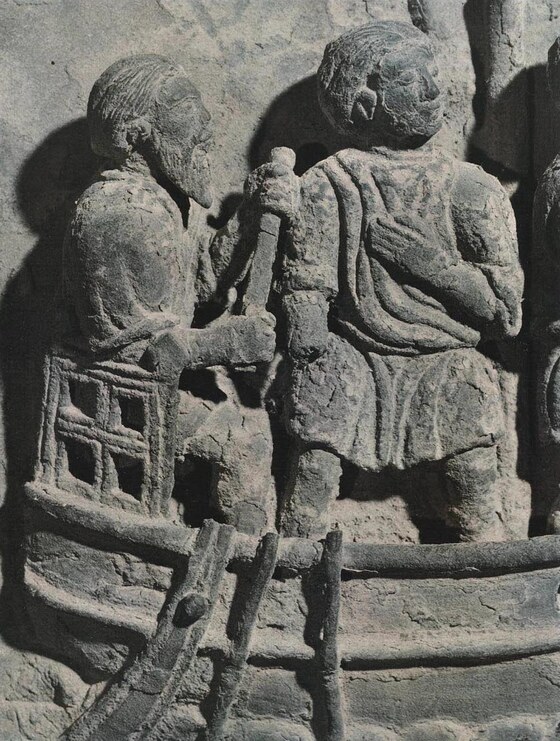
Christ Walking on the Water
Bronze. Detail of a panel of the Cathedral Door, gravely damaged during the last war.
Read the entry
 13th c.
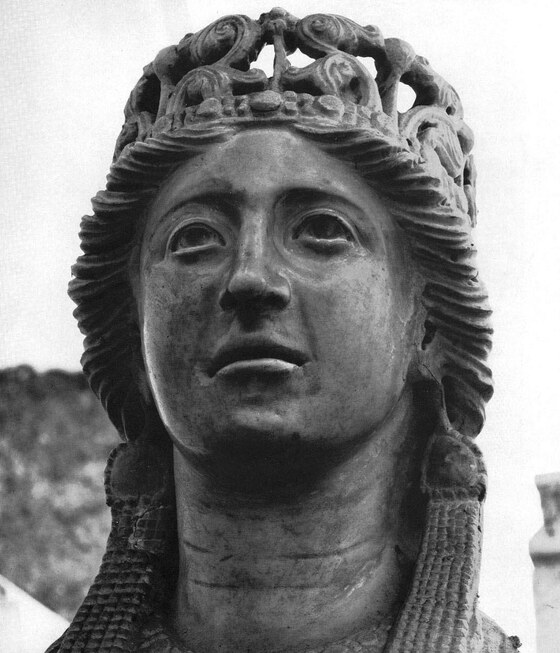
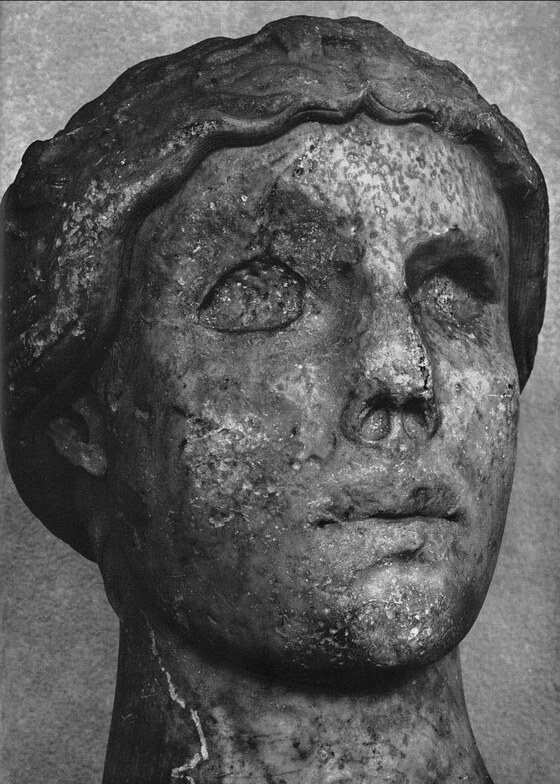
Fidelity of Capua ("Capua Fidelis")
Marble, about 1239, allegorical head. Inspired by antique models, it reflects the climate of 'renaissance' fostered by Frederick II and his court.
Read the entry
 13th c.
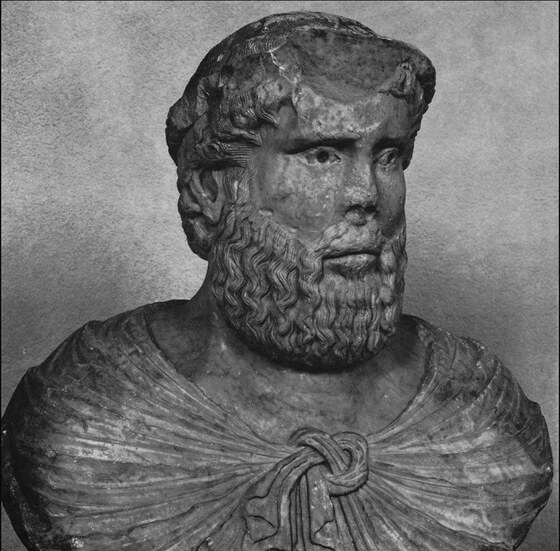
The So-Called "Pier delle Vigne"
Marble, about 1239, allegorical head. Inspired by antique models, it reflects the climate of 'renaissance' fostered by Frederick II and his court.
Read the entry