Minor Romanesque Churches in Italy
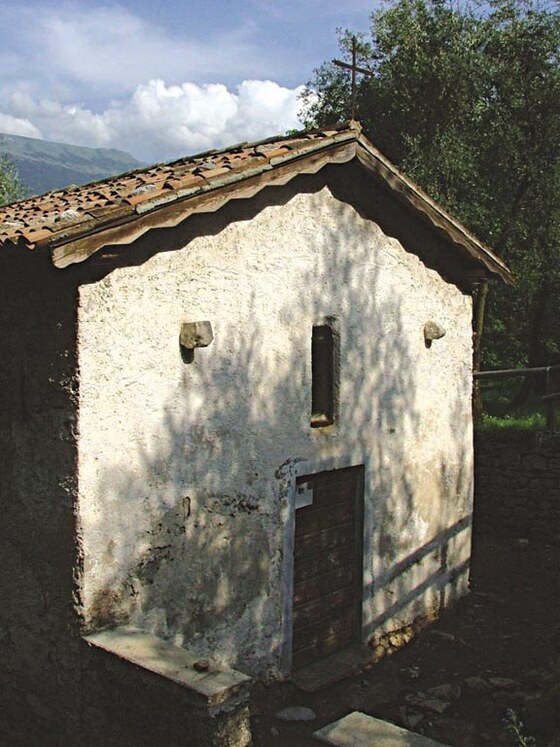
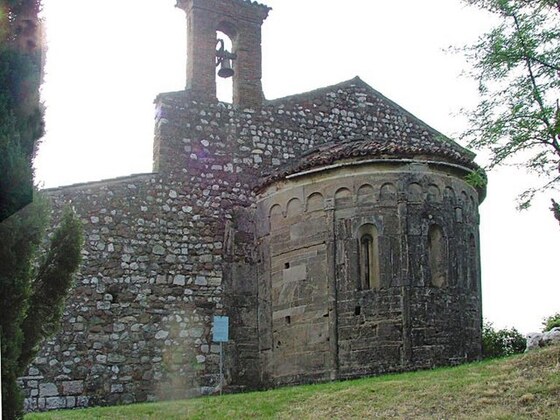
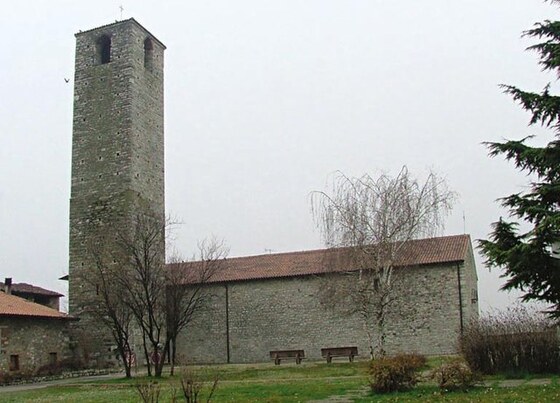
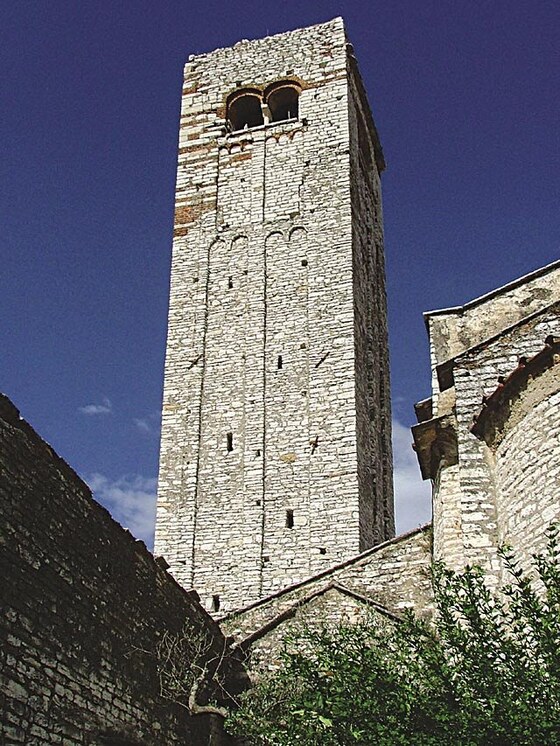
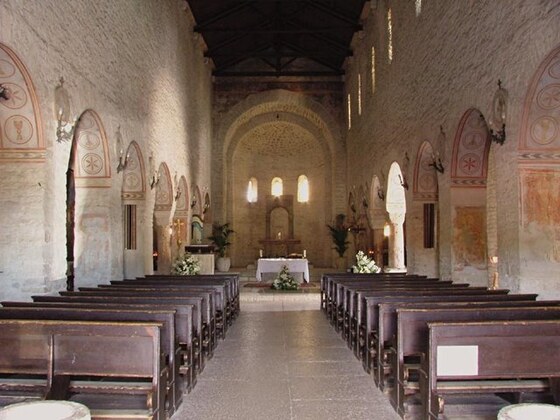
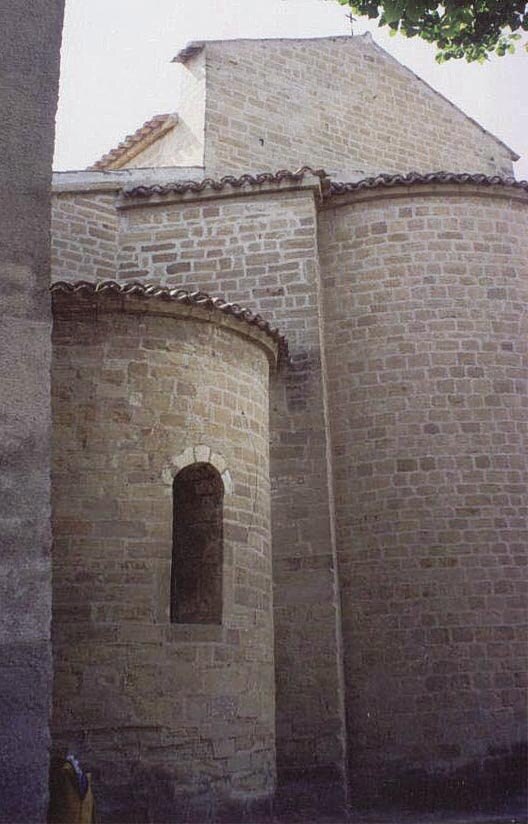
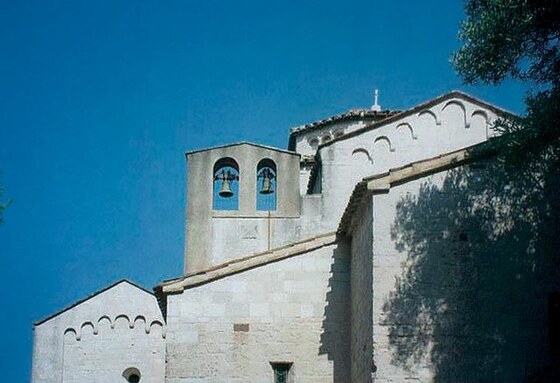
Minor Romanesque churches and abbeys in Italy, regional itineraries across Lombardy, Veneto and the Marche, away from the major monumental circuits. 38 works documented in this section.
To what end, some may ask, devote a section of THAIS to minor Romanesque buildings? Aren’t Italy (or even Europe) rich enough in “major” Romanesque buildings? The answer can only be yes.
And yet it is precisely the fame of certain exemplary Romanesque monuments (such as Sant'Ambrogio in Milan, undisputed leader of Lombard Romanesque, together with the Duomo di Modena and San Zeno in Verona; or Santa Maria de Ripoll for Spain; or Saint-Michel-de-Cuxa and the abbey church of Cluny, the abbey church of Vézelay and the abbey churches of Caen for France; or St. Michael’s at Hildesheim for what remains of Romanesque in Germany, to mention only the most important examples of Romanesque in continental Europe) that makes countless sources of information available, from practical tourist guides to magnificently illustrated monographs and rich, attractive, up-to-date websites.
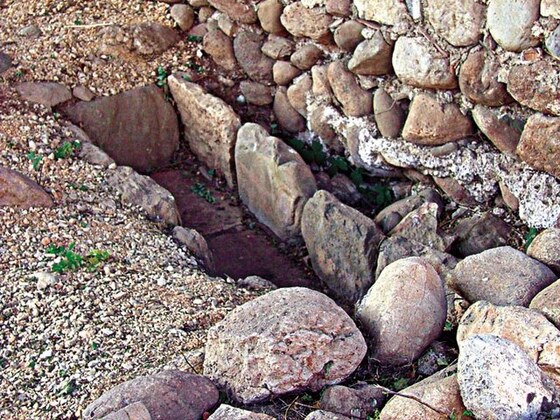
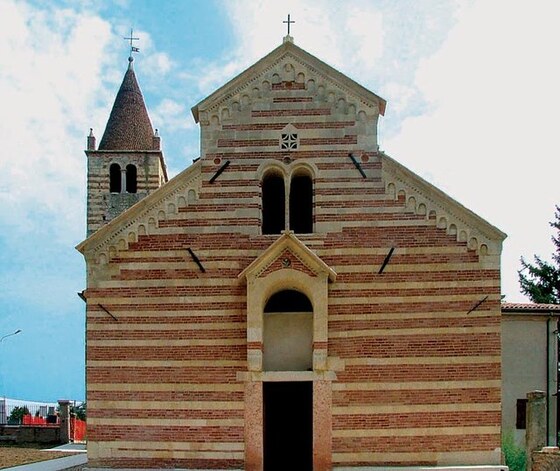
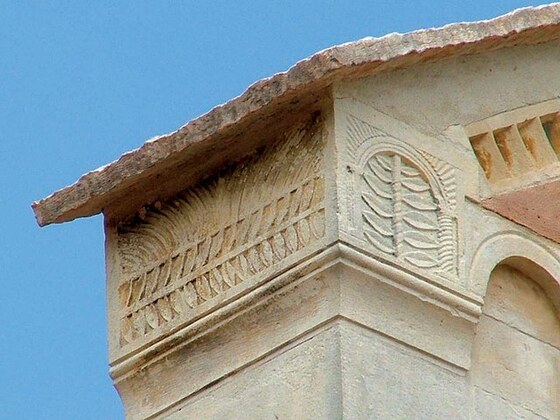
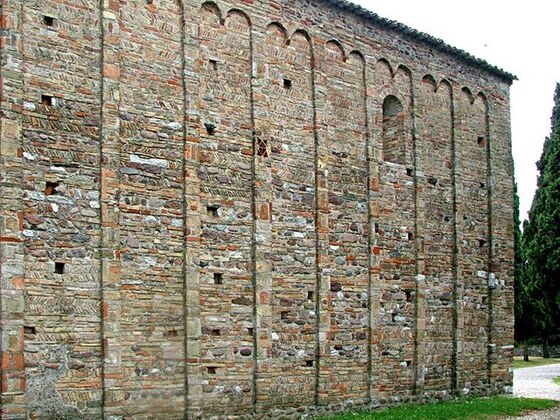
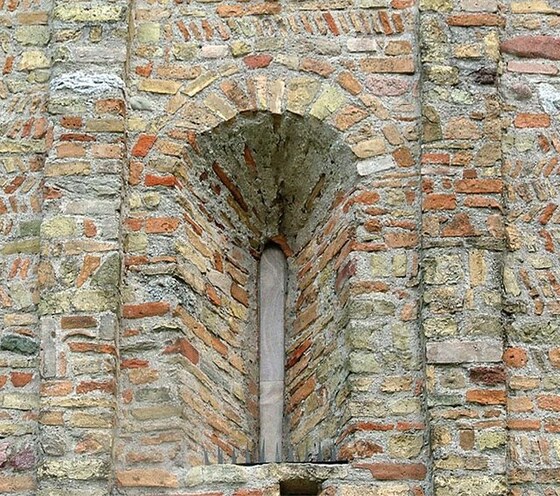
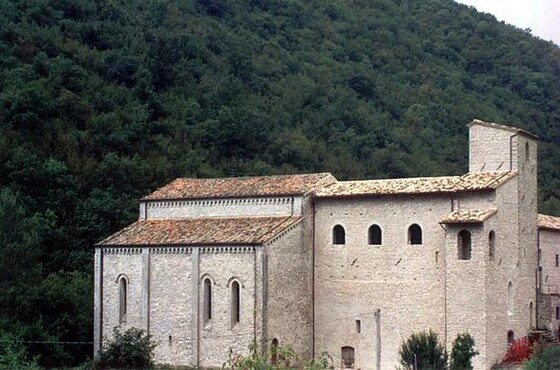
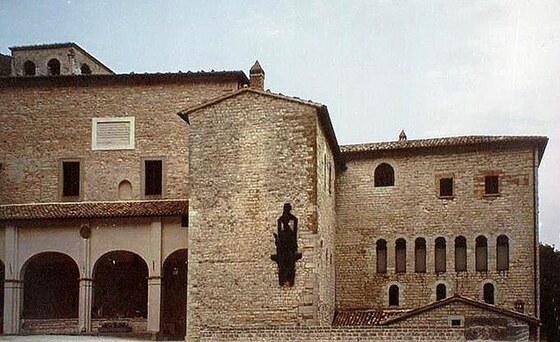
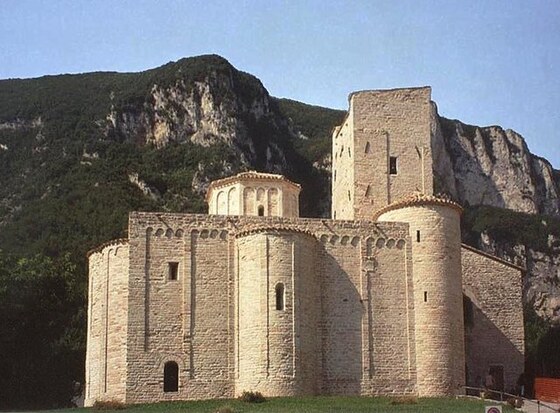
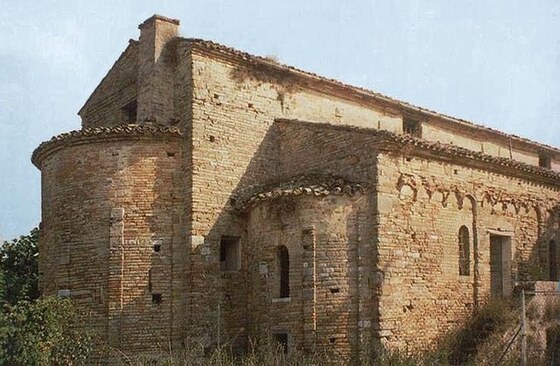
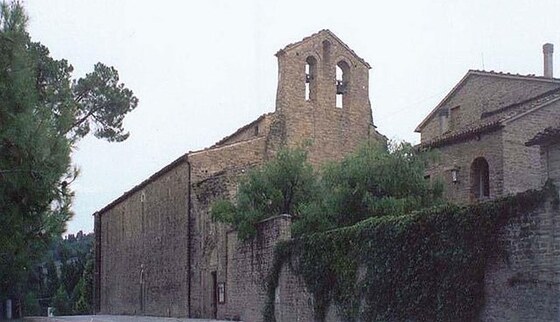
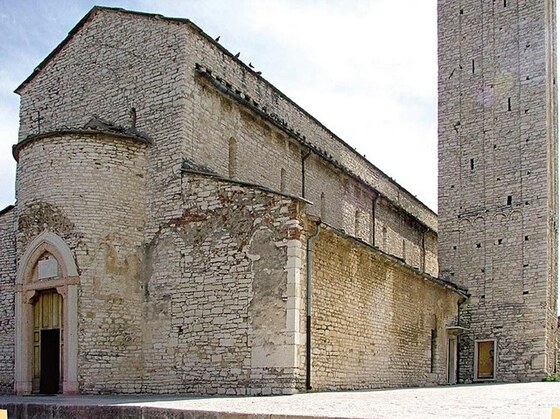
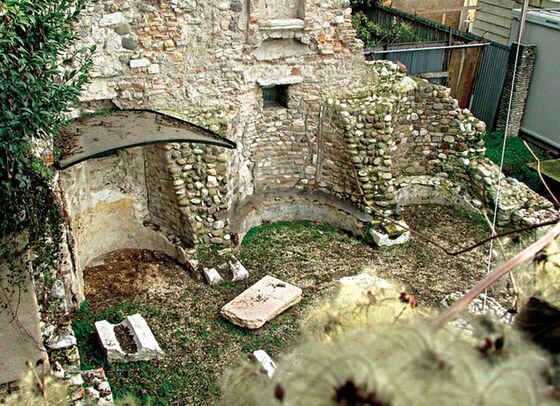
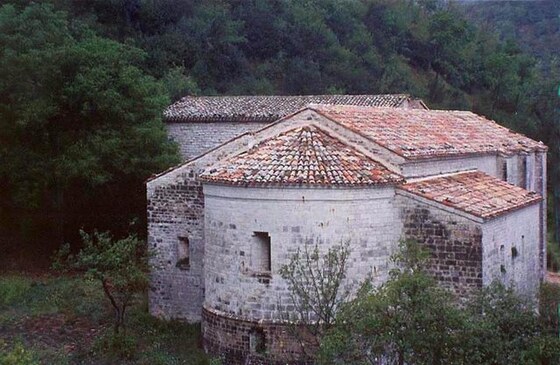
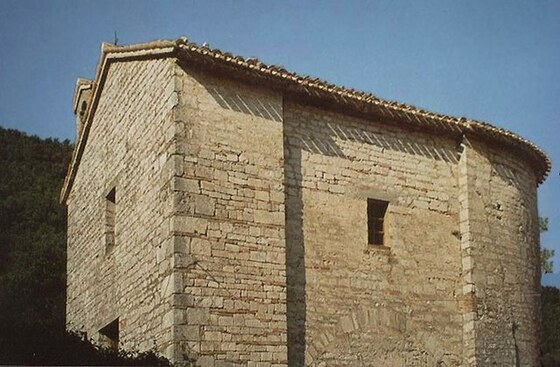
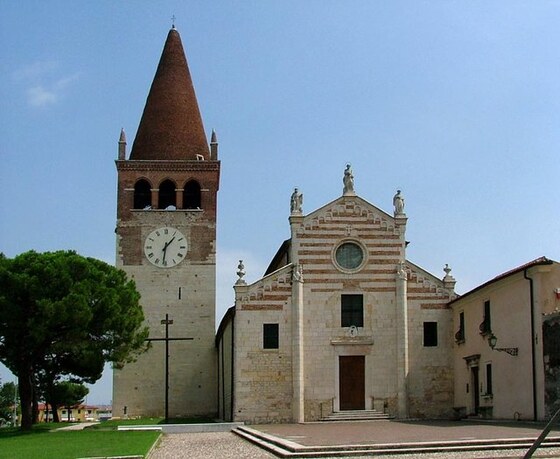
In our wanderings, which have led us to comb through the Italian countryside, villages and towns, we have often also admired some marginal Romanesque buildings which, in our opinion, deserve more attention. Unfortunately, both because they lie outside the better-known tourist circuits and because reaching them often calls for patience and a compass, one risks finding oneself in front of artistically or historically remarkable buildings with no possibility of getting inside. It is precisely the lack of documentation and of information for the public that inevitably makes such buildings marginal, “lost” from both a geographical and a cultural point of view.
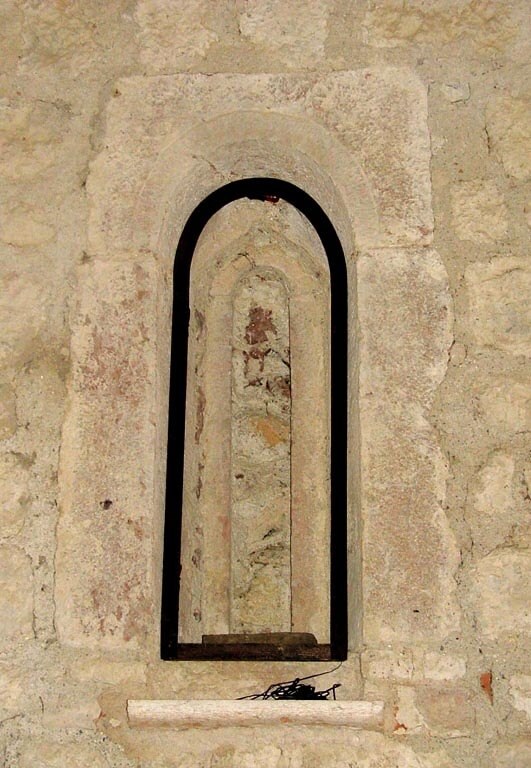
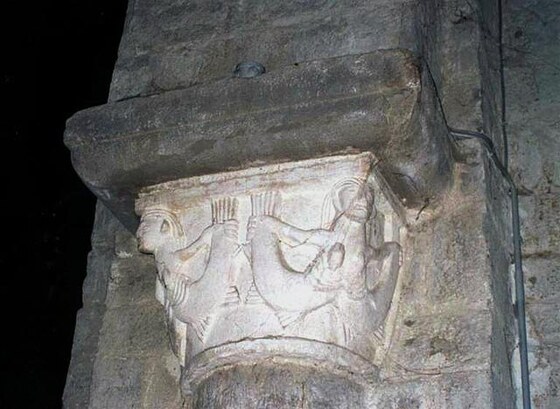
To fill this gap, our travels turned into a systematic survey of the territory. At first we had only a tourist camera, and therefore an inadequate one, later replaced by a professional digital camera, to which we added binoculars for close observation of the architectural details and a recorder to capture the description of each building, which we would later transcribe.
What drives us, now, to show the material we have collected is the attempt to standardise the available information, so as to obtain a digest that can describe what has remained visible of the ROMANESQUE in the various minor monuments examined.
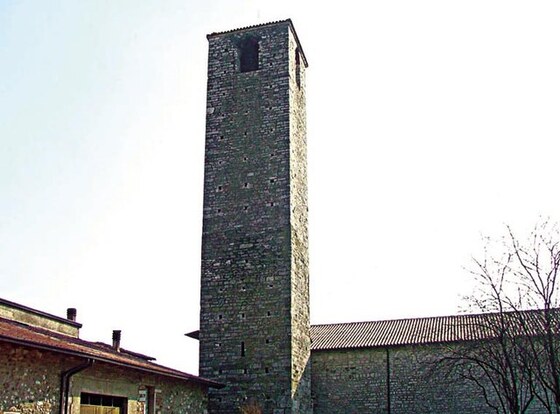
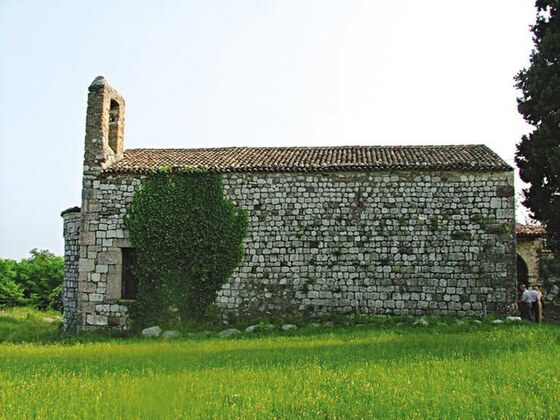
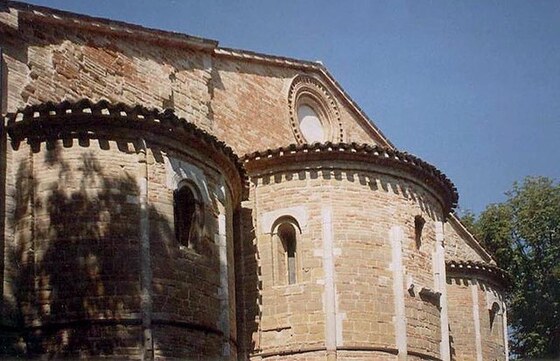
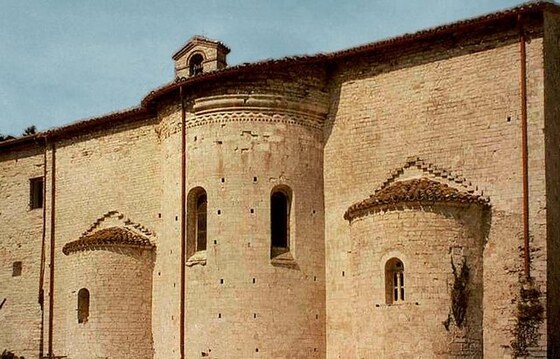
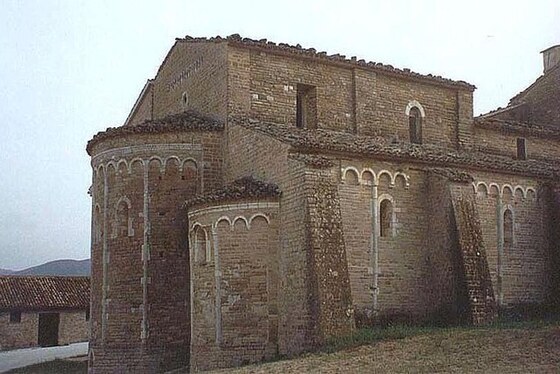
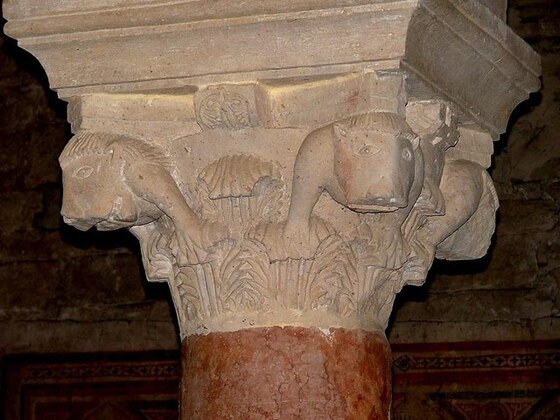
We feel it is necessary to clarify the meaning attributed here to the definition “minor monuments”, which we take to refer to the majority of ecclesiastical buildings of the Romanesque and Pre-Romanesque periods that are not characterised by monumental construction but which, at times, represent an architectural reflection of them, and at other times might even be their prototypes.
In our plans, these first descriptions, which will be available on these pages by January 2005, should be followed by others which, over time, we would like to form small “Romanesque itineraries” in various regions of Italy. Naturally, we are more than willing to welcome suggestions and clarifications on the topics covered.
Text and photos by Ruggero Forti and Denise Zanini
 Minor Romanesque
 Minor Romanesque
 Minor Romanesque
 Minor Romanesque
 Minor Romanesque
 Minor Romanesque
 Minor Romanesque
 Minor Romanesque
 Minor Romanesque
 Minor Romanesque
 Minor Romanesque
 Minor Romanesque
 Minor Romanesque
 Minor Romanesque
 Minor Romanesque
 Minor Romanesque
 Minor Romanesque
 Minor Romanesque
 Minor Romanesque
 Minor Romanesque
 Minor Romanesque
 Minor Romanesque
 Minor Romanesque
 Minor Romanesque
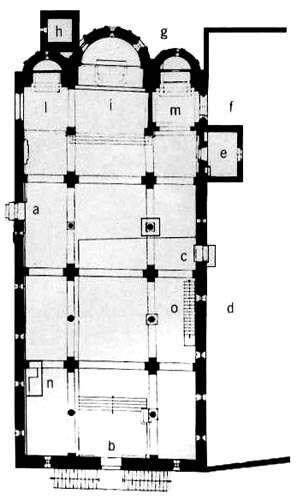 Minor Romanesque
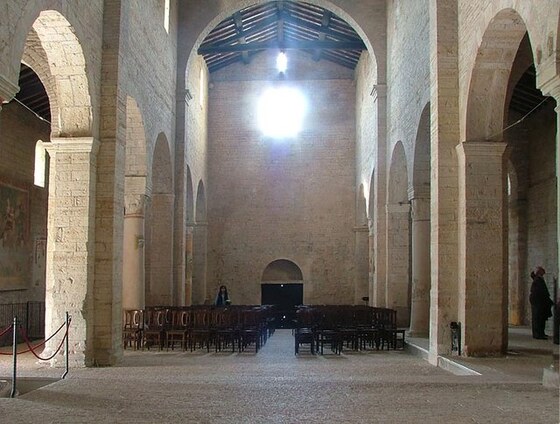 Minor Romanesque
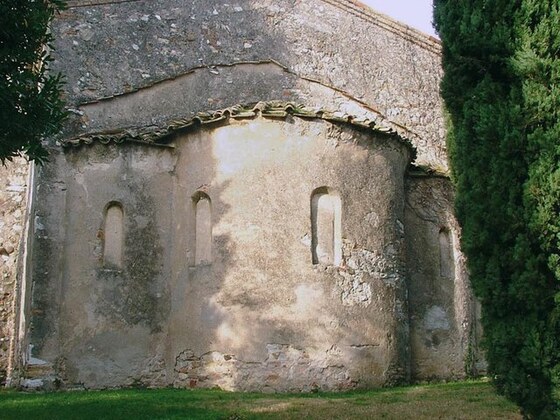 Minor Romanesque
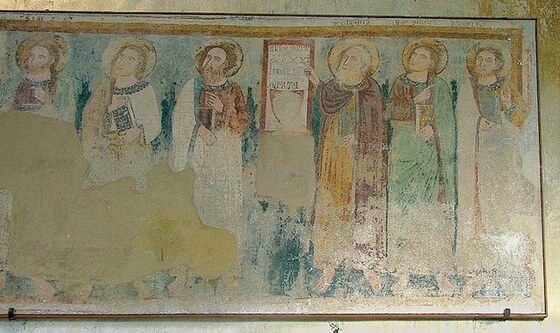 Minor Romanesque
 Minor Romanesque
 Minor Romanesque
 Minor Romanesque
 Minor Romanesque
 Minor Romanesque
 Minor Romanesque
 Minor Romanesque
 Minor Romanesque
 Minor Romanesque
imageMinor Romanesque