Florence
Text taken from: “Nuovo Dizionario Geografico Universale”, an original Italian work by a society of scholars, Venice, 1828.
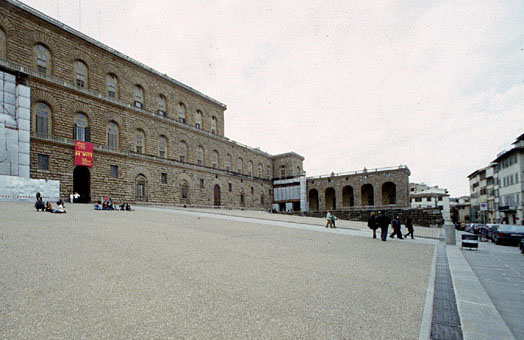
FLORENCE, Florentiae, a very fine and ancient city of Italy, capital of the Grand Duchy of Tuscany, situated a short distance from the foothills of the Apennines, in a fertile and pleasant plain surrounded by delightful hills all dotted with villas and castles, and lying on the Arno, which divides it into two unequal parts and is crossed by four bridges, among which the one called Santa Trinità is admired for its elegant architecture. It is almost oval in shape, enclosed by walls, with a castle called St. John the Baptist's. There is also the fort of St. George, situated in the hilly part of the city, which it entirely dominates, called the Belvedere; this fort communicates by a secret gate with the royal garden called Boboli. The city is about 2 leagues in circumference and lies 18 leagues W.S.W. of Livorno, 20 leagues S.W. of Bologna and 55 leagues N.N.W. of Rome, Lat. N. 43° 46'46''; long. E. 8° 55' 38''; taken from the cathedral. Florence, which the whole world agrees in calling the Beautiful, is the residence of the Grand Duke and of the royal family, who live in the magnificent palace called the Pitti, after Luca Pitti, the wealthy citizen who built it. It is the seat of an archbishop, who is the metropolitan of Tuscany, of the civil and military secretariats, of all the administrative directorates of Finance and of all the courts, of a supreme council of final appeal for the whole State, of a civil court for the Florentine district, and of a criminal court for the whole of Tuscany, excluding the lower province of Siena. The streets of this city are for the most part wide, straight and well paved; the Lungarno on the south side, from Ponte Vecchio to Ponte alla Carraja, is very beautiful. Its buildings are fine and sumptuous, and a wealth of excellent paintings and sculptures adorns not only the public buildings and institutions but also the houses of private citizens.
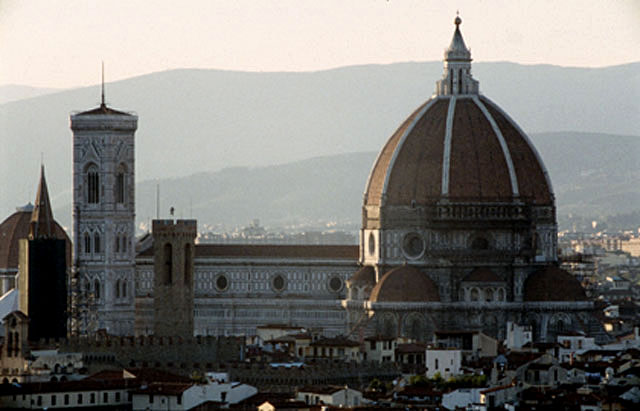
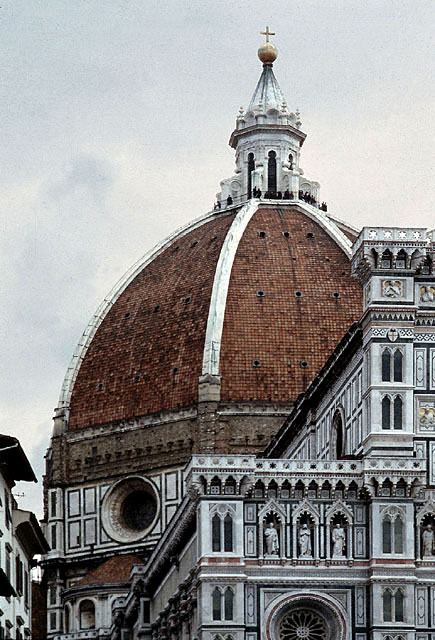
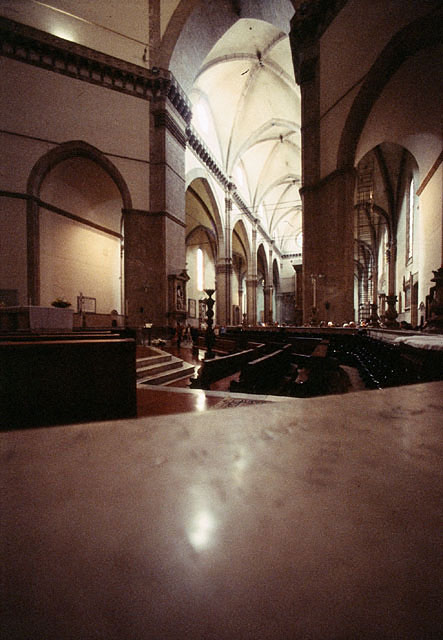
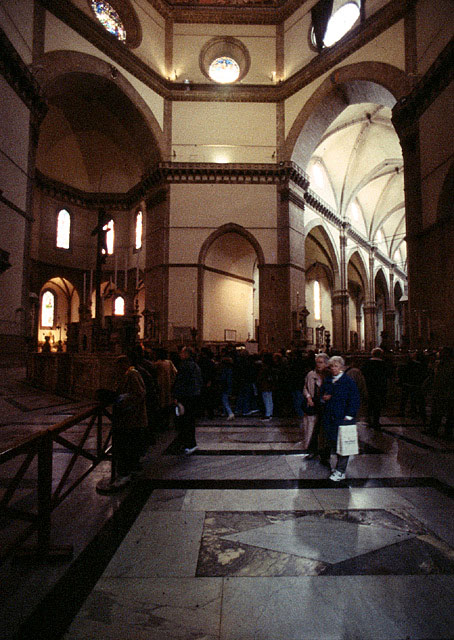
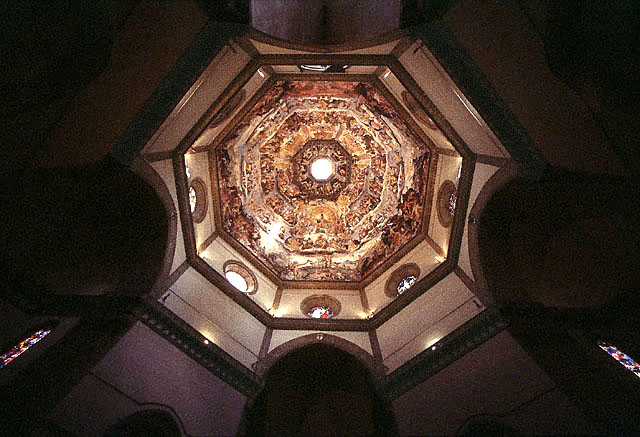
Among the former, the first that deserves to be named is the metropolitan church, or Santa Maria del Fiore, a building that surpasses all the others of the city in merit and whose magnificence bears witness to the happy times of the republic in which it was raised. In 1294 its construction was entrusted to Arnolfo di Lapo, in place of the older church dedicated to Santa Reparata. Besides Arnolfo, this truly sumptuous building was directed by Giotto, Taddeo Gaddi and Orgagna, and Filippo di ser Brunellesco completed the work, conceiving that most graceful dome which perhaps has no equal in the world. This magnificent temple, entirely faced with marbles of various colours, measures 22,118 square braccia. The Wool Guild bore the cost of its construction, which lasted 166 years, with some interruptions. The internal width of the church is 67 braccia and its length 257. The dome, from the floor of the church to the lantern, measures 154 braccia; the small temple of the lantern is 36 braccia high, the ball 4 and the cross 8. Inside, this temple is enriched with paintings, statues and bas-reliefs, especially the choir, entirely of marble, and outside it is adorned above the doors with statues and mosaics. It is served by a numerous clergy, made up of canons, among whom are some dignitaries, of chaplains and of clerics. Here one admires the superb urn containing the ashes of the glorious bishop St. Zenobius, masterfully sculpted in bronze by
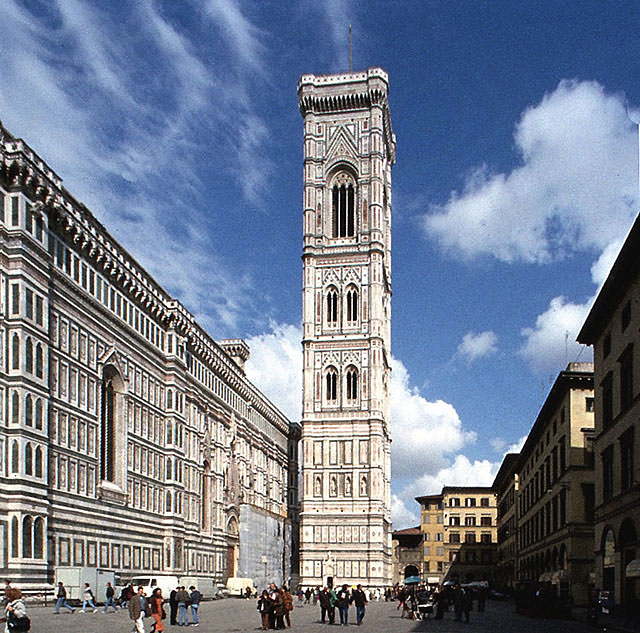
by Lorenzo Ghiberti. Beside the temple rises the magnificent tower erected by Taddeo Gaddi to the design of his master Giotto. Free-standing on every side, it is 144 braccia high and 100 in circumference, and is magnificently faced with marbles of various colours and enriched with statues and bas-reliefs by the best artists of its time. The foundations of this magnificent structure were begun in 1334. San Giovanni, the baptistery of the city, is a very ancient free-standing temple, octagonal in form, which some claim was an ancient temple of Mars. In 1293 the merchants' guild had its exterior faced with marble at its own expense, to the design of Arnolfo di Lapo. Inside it is adorned with 16 granite columns supporting a terrace whose parapets, like the vault, are covered with mosaics, a prized work of ancient Tuscan artists. Here one admires the magnificent tomb (a work by Donatello) of the Neapolitan Baldassare Coscia, formerly John XXIII, supreme pontiff, who, having renounced that sublime dignity in order to bring peace to the Church, died a private man in Florence. The church is adorned outside with statues and has 3 bronze doors of marvellous beauty. The one on the south side is by Andrea Pisano; the other two are by Lorenzo Ghiberti and depict various stories from the Old and New Testaments. The middle one is so beautiful that the divine Michelangelo used to say it was worthy to be the door of Paradise. On either side of this door stand two porphyry columns, given to the Florentines by the Pisans when they returned from the conquest of the Balearic Islands. In this church there is an ancient gnomon described by the celebrated Father Ximenes. The foundation of the illustrious basilica of San Lorenzo goes back to the most
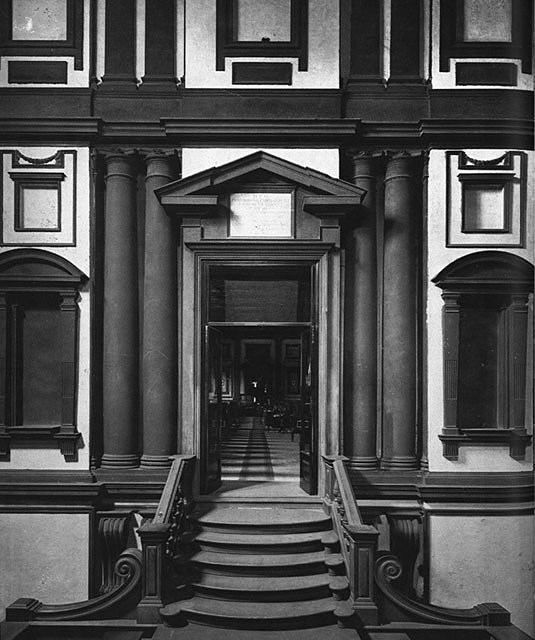
remote antiquity, as it was consecrated by St. Ambrose. It was restored several times until, having been reduced to ashes by a fire in 1423, Cosimo de' Medici commissioned Brunellesco to rebuild it in its present form. It is built entirely of macigno sandstone and contains highly prized works of fine art. It is 144 braccia long and 36 wide, and has three naves, each 60 braccia long. Joined to this church is the chapel known as the Cappella dei Depositi, where the ashes of the Medici sovereigns lay, now placed in the vaults below. Its architecture is by Michelangelo, and by his hand too are the sublime and marvellous statues that adorn it. The Grand Duke Ferdinand III, of ever-revered memory, is buried here, to be moved later to the celebrated Medici chapel now being completed, located behind the choir, which for its magnificence and richness may be said to have no equal. It is entirely faced with pietre dure and, besides the tomb of Ferdinand III, contains those of six grand dukes of the house of Medici. The Cavaliere Pietro Benvenuti has been commissioned by the reigning grand duke to paint the dome of this celebrated chapel. Attached to this fine temple is the renowned Medicea Laurenziana library, which contains codices in oriental languages, Greek, Latin and Italian, collected through the munificence of the Medici and of the other grand dukes.
of the library is to a design by Michelangelo; and a new room is now being added to it to house the library of first editions collected by Count Angelo d'Elci and generously donated by him to his native city. The first stone of the great church and convent of Santa Croce of the Conventual Fathers was laid in 1294, to the design of Arnolfo di Lapo, another testimony to the piety and magnificence of the Florentines; indeed it seems impossible that a small number of merchants could at the same time have erected so many grand and beautiful buildings. This sacred building, which may rightly be called the Florentine Pantheon, was restored and embellished in 1566 under the direction of the Cavaliere Giorgio Vasari. It has a great number of altars, all adorned with panels by the most celebrated painters of the Florentine school, beginning with Giotto. The convent, the sacristy and other annexed buildings contain a great number of fine paintings and sculptures, ancient and modern. In this church one admires, among others, the mausoleums of Leonardo Aretino, Michelangelo Buonarroti, Galileo, Machiavelli, Alfieri, Filicaja, the naturalist Micheli and other famous men, and very soon a grand monument to the sublime poet Dante Alighieri will be placed here, which is currently being executed by the sculptor Stefano Ricci. In front of this church is a fine square with a fountain, where in olden times the game of Calcio was played. The superb Dominican church of Santa Maria Novella was begun in 1221 under the direction of Fra Ristoro da Campi, Fra Sisto and Fra Giovanni, lay brothers of the adjoining convent of the same name. The façade is to a design by Leon Battista Alberti. On it are two astronomical monuments made under the direction of Father E. Danti, a friar of this convent, which, like the church, abounds in
very fine monuments of the fine arts. The former houses a celebrated foundry, and the church faces two squares: the Piazza Nuova, where the chariot race (corsa dei Cocchi) is held, with the 2 marble obelisks serving as turning posts, and the other, at the side, called the Piazza Vecchia. The magnificent church of Santo Spirito of the Augustinians has three naves, with the high altar and choir in the middle. It was built to the design of Brunellesco, has a high altar and choir in the middle, and is adorned with statues and bronzes. This church and a convent look onto a fine square with a fountain. The grand and rich church of the Santissima Annunziata, with the convent of the Servite Fathers, is entirely faced with marble and gilded stucco, and contains a quantity of very fine paintings and statues. Its dome, a very fine work by Volterrano, makes it most charming. In this church is venerated the image of the Blessed Virgin of the Annunciation, an object of particular devotion for the Florentine people. Through the piety of the Medici grand dukes its chapel was entirely faced with pietre dure, and it is enriched with a superb silver altar and many candelabra, candlesticks and lamps of the same metal, all offered by the piety of the faithful. The cloister, which serves as an entrance to the church, is adorned with superb lunettes painted in fresco by Andrea del Sarto, which is judged a masterpiece of art.
The square, adorned with three fine loggias, in one of which is the Ospedale degli Innocenti, contains two graceful bronze fountains and the equestrian statue of Ferdinand I, cast from the cannon captured from the Turks by the Knights of St. Stephen. where the republic ordered in 1284 a magnificent portico to serve as a grain market, there now stands the provostal church of Orsanmichele, which is a very large square tower, whose upper part serves as a public archive, in which the records of both the contracts and the wills of the State are deposited, and which is reached by an overhead passage. The lower part serves as a church, where a very ancient image of the Virgin Mary is venerated, for which Orgagna, who converted the loggia into a church, made a sumptuous marble tabernacle in the Gothic taste. The exterior of this church, rich in stonework, is adorned with 16 niches containing the statues of the patron saints of the guilds, some in bronze and the others in marble, among which one admires the St. George carved in marble by Donatello, which is reckoned the most prized of modern statues. For brevity's sake, since this is a short dictionary entry, we shall omit the description of the many churches of this capital, worthy of admiration on a par with its splendid palaces, all adorned with masterpieces of fine art. We cannot, however, refrain from speaking of the Palazzo Vecchio with its annexed buildings, and of the Pitti, where the sovereign resides. The Palazzo Vecchio, raised by the republic as its residence in 1298 to the design of the oft-mentioned Arnolfo, later served as the dwelling of Duke Cosimo, who, to the design of Giorgio Vasari, made superb additions to it, among them the magnificent great hall adorned with statues and paintings, one of the largest and most ornate in Italy. It now houses the royal secretariats, the office of the royal
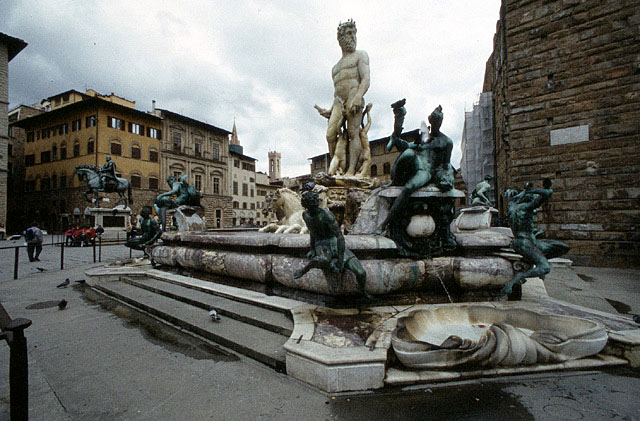
estates, the royal treasury and the general wardrobe, and other offices. The ground floor, on the side, is the city customs house. The tower of this palace is 160 braccia high. Beside the door facing the square stand the fine statue of David by Buonarroti and the group by Baccio Bandinelli representing Hercules killing Cacus. Next to the palace is the great fountain, with a marble Neptune of gigantic stature by Ammannati, shown in a sea chariot drawn by four horses. The great basin is adorned with satyrs and sea deities, all in bronze and of marvellous workmanship. In the middle of the square is the equestrian statue, also in bronze, of Cosimo I, a sublime work by Giovan Bologna, who also made, as a prized work, the splendid bas-reliefs depicting the principal events in the life of that sovereign. The loggia known as the Loggia dei Lanzi, raised by the republic in 1355 to the design of Orgagna, has only three arches, and for its slenderness, breadth and solidity it is admired as a miracle of art. It is adorned with very fine statues, ancient and modern, such as the four colossal female figures and the two lions
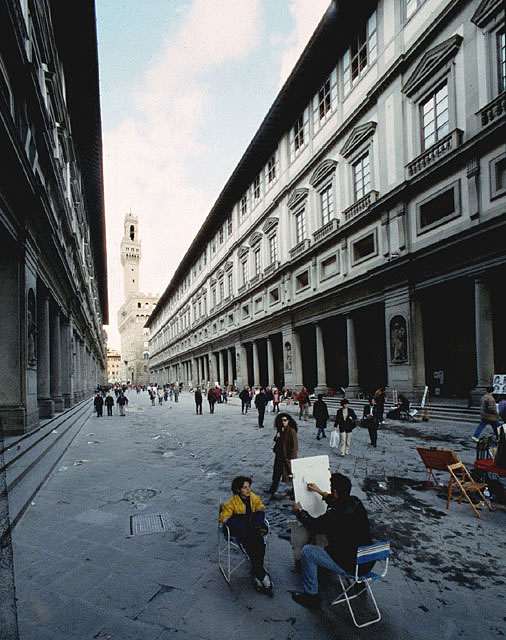
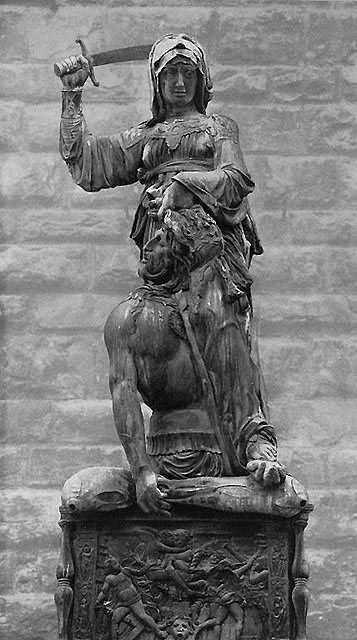
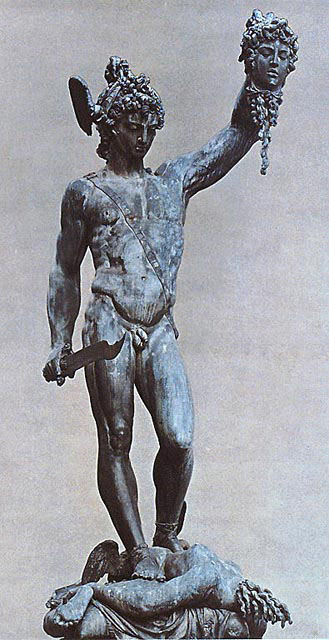
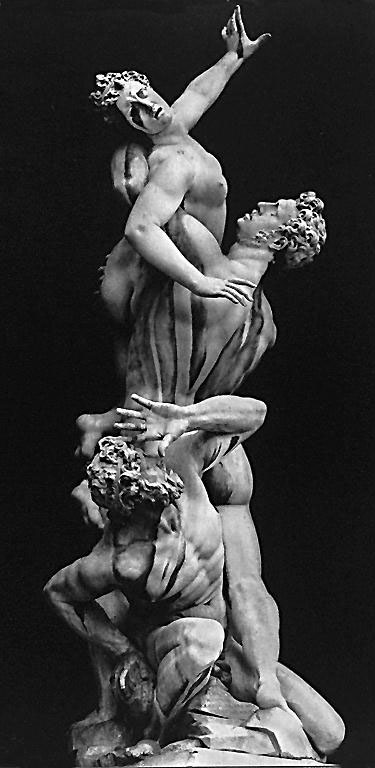
which Pietro Leopoldo had brought from Rome, from the Villa Medici. Here too are Donatello's bronze Judith, Benvenuto Cellini's Perseus, likewise in bronze, and the celebrated group of the Rape of the Sabines, carved in marble by Giovan Bologna. Adjoining it is the building or loggia of the Uffizi, executed by order of Cosimo I by Giorgio Vasari, who managed to incorporate into it the old building of the Royal Mint. The ground floor of the quarters corresponding to these vast loggias serves for the law courts, the middle floor for various offices, and the upper floor for the Royal Gallery, begun by Cardinal Leopoldo and continually enriched by the succeeding Grand Dukes. In its vast corridors and in the many rooms annexed to them one admires a great quantity of the finest ancient statues, among them the Medici Venus, etc., and, besides the masterpieces of the best painters, a magnificent collection of gems, medals, drawings, prints, ancient Egyptian and Etruscan monuments and those of other ancient peoples, bronzes, inscriptions, etc., of which it would take too long to give even a brief description. In 1440 Luca Pitti, a very rich citizen, commissioned Brunellesco to build the great Palace that took his name, and which in 1549 was sold by Bonaccorso Pitti to Cosimo I, when only the central portion existed. All the sovereigns who succeeded him later enlarged it, bringing it to the size in which it is admired today, and joining to it the beautiful Boboli garden. Of this truly worthy royal residence, too, it would take too long to describe the beauty and sumptuousness of every part. Suffice it to say that it houses a collection of paintings by great masters of all schools, perhaps one of the finest in Europe. ........ ......... There is in this city an academy of fine arts, a magnificent institution, presently presided over by Cav. Antonio Montalvi and directed by the celebrated painter Cav. Pietro
Benvenuti. It occupies a grand space on Piazza San Marco, and drawing, life drawing, painting, ornament, architecture and copper engraving are taught there. Besides the schools it has two large and valued galleries, one containing casts of the finest ancient statues, at the end of which is the famous fresco by Giovanni da San Giovanni representing the Flight into Egypt, which the Grand Duke Pietro Leopoldo had moved in a single piece from the royal garden of the Crocetta, under the direction of the engineer Gasparo Paoletti. ...... ...... This truly magnificent and delightful city, which has 17 squares, 170 statues on public display, 20 fountains, 6 columns and 2 pyramids, is currently divided into three quarters, two on the south side of the Arno and one to the west, in each of which there is a police commissioner. It numbers 28 parishes, over 8,000 houses and about 90,000 inhabitants, not counting foreigners. The Jewish nation enjoys privileges here; it has a ghetto, but since this cannot hold them all, they are also scattered throughout the city, the richest having
acquired comfortable and fine dwellings. All other religious communions are tolerated and protected. The Russians, the English and other Protestants have chapels where they practise their worship. The Jews and the Evangelicals have their own cemeteries here; all the others have theirs at Livorno. Besides the chapter of the Cathedral and that of the imperial Basilica of San Lorenzo, there are many other chapters of priests and various convents of monks and religious of both sexes, as well as several conservatories for the education of girls, who come to them even from other states of Italy; among these the new institute of the Santissima Annunziata stands out in particular, founded with royal munificence by the reigning grand duke and directed by lay ladies, with the grand duchess as its patroness. Besides the external school for poor girls which the Salesian nuns keep attached to their conservatory, there are public schools for poor girls in which all kinds of women's work are taught, up to the art of weaving linen, silk and wool. Here the girls who show good conduct and make progress in their work are encouraged with prizes and dowry grants. Each quarter has free schools where reading, writing and arithmetic are taught to poor children, besides some schools of mutual instruction maintained at the expense of private societies......... . ..... Among the scientific institutions of this illustrious city, it is worth recalling, finally, the celebrated Accademia della Crusca, established in 1582, to which the ancient university founded in 1438 was joined; its principal aim is to preserve and refine the Italian language; the Accademia dei Georgofili, devoted to the progress of agriculture, the arts and commerce. The one called the Cimento, which served as a model for the academies of
London and Paris, existed only from 1657 to 1667. The countryside surrounding Florence, admirably described by Ariosto and industriously cultivated, may be regarded as a continuation of the city itself, so many are the villas and palaces pleasantly scattered here and there and handsomely laid out, besides the magnificent royal suburban villas of Careggi, Castello and Poggio Imperiale, the monastery of the Certosa, etc. We shall say only that about 3 m. from Florence are the remains of the city of FIESOLE, Faesulae or Fesula, one of the 12 Etruscan cities, and the one from which Florence descended. There are the bishop's palace and the seminary, an ancient cathedral and other churches, among them the magnificent basilica of Sant'Alessandro, in which one admires 16 columns of Egyptian cipollino with varied capitals, which are probably the remains of some ancient Etruscan temple. Some remains of an ancient aqueduct and part of its walls of Etruscan construction are still preserved. Part of an amphitheatre has also been excavated, and recently a hoard of Roman consular medals or coins was discovered. Catiline withdrew here after the discovery of his conspiracy. This city was destroyed in 1010 by the Florentines, who used part of its remains to enlarge their own city.
Museo Archeologico
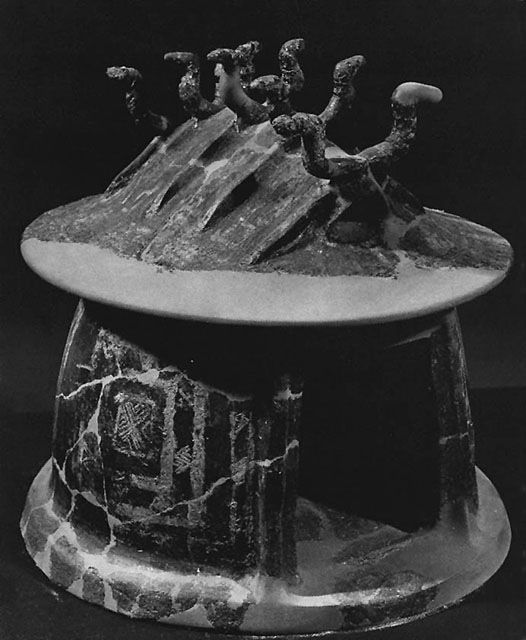
Florence, Museo Archeologico, Hut-shaped ossuary from Vetulonia (9th-8th century BC)
Florence, Museo Archeologico, Ossuary from Montepulciano (third quarter of the 7th century BC)
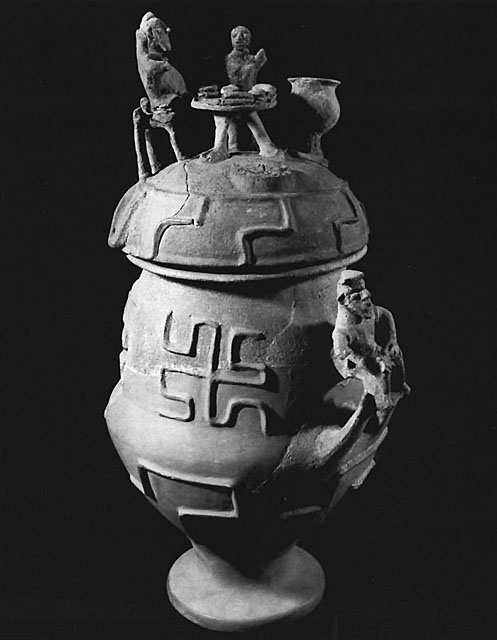
Florence, Museo Archeologico, Ossuary from Montepulciano (third quarter of the 7th century BC) Detail
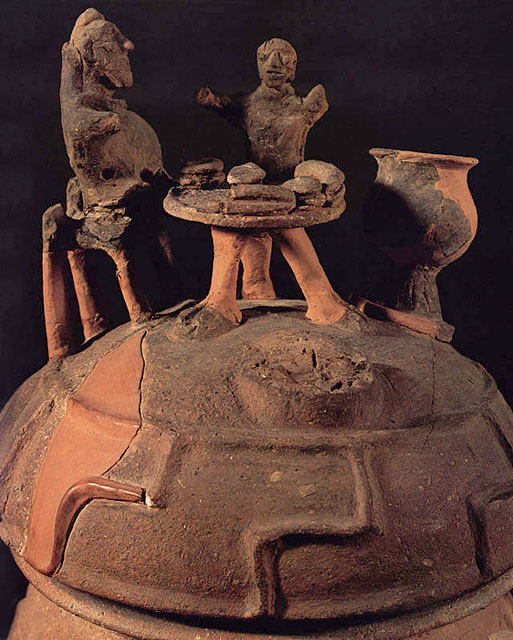
Florence, Museo Archeologico, Canopic urn from the area of Chiusi (second quarter of the 7th century BC)
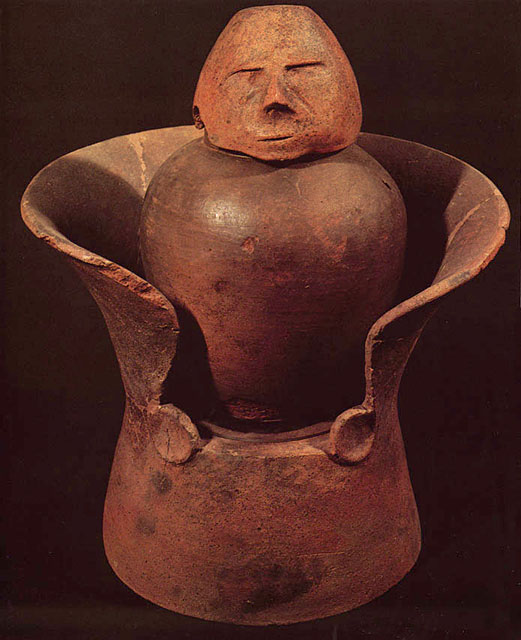
Florence, Museo Archeologico, Canopic urn from the area of Chiusi (second quarter of the 7th century BC)
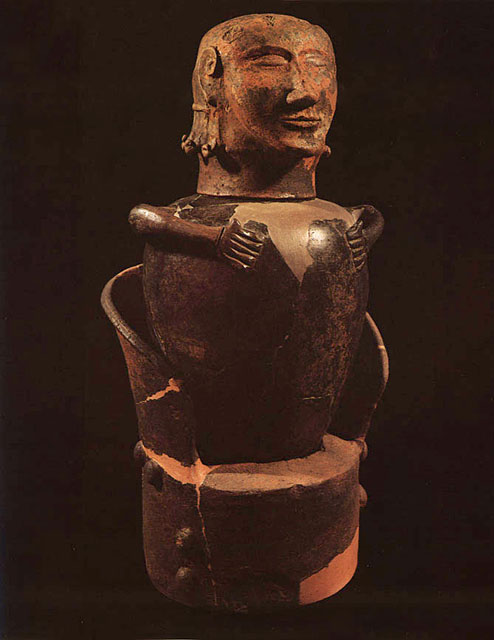
Florence, Museo Archeologico, Canopic urn from Cetona (first half of the 6th century BC)
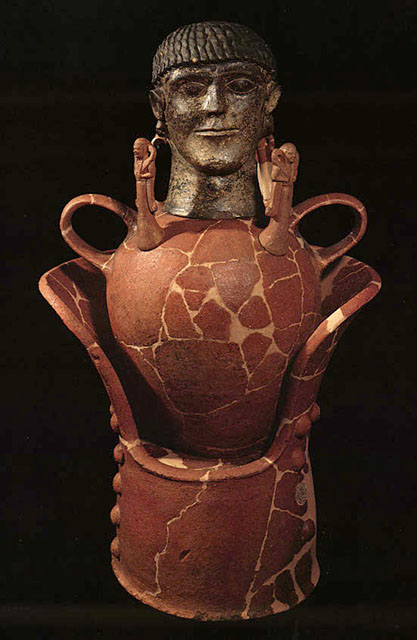
Florence, Museo Archeologico, Female canopic urn from Cetona (first half of the 6th century BC)
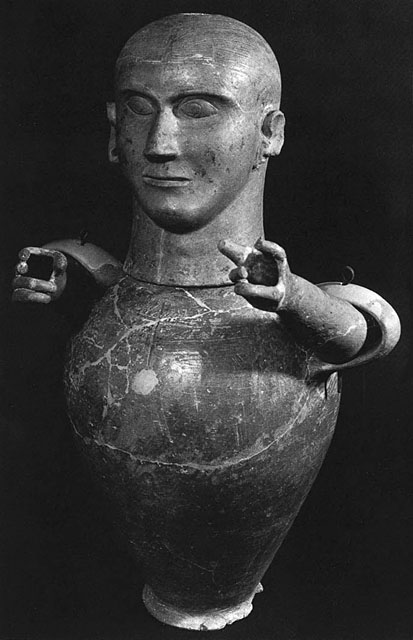
Florence, Museo Archeologico, Fragment of a tufa statue (mid-6th century BC)
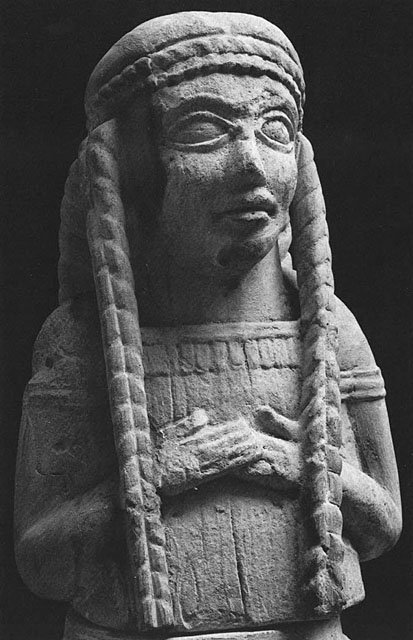
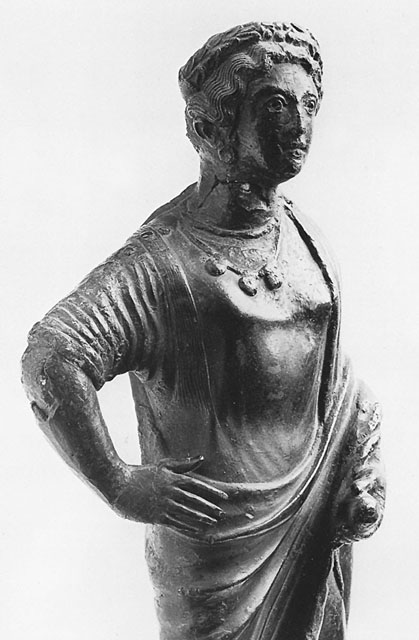
Florence, Museo Archeologico, Votive bronze statuette (second quarter of the 5th century BC)
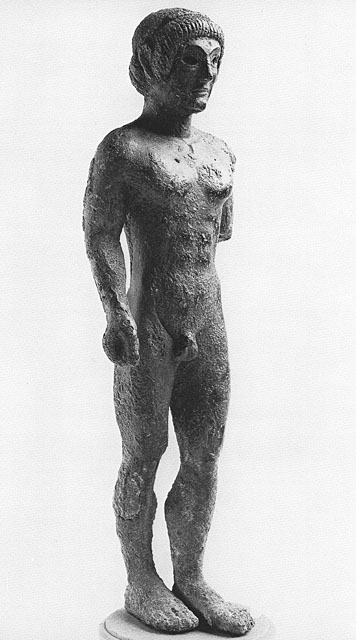
Florence, Museo Archeologico, Lid of a stone cinerary statue (last quarter of the 5th century BC)
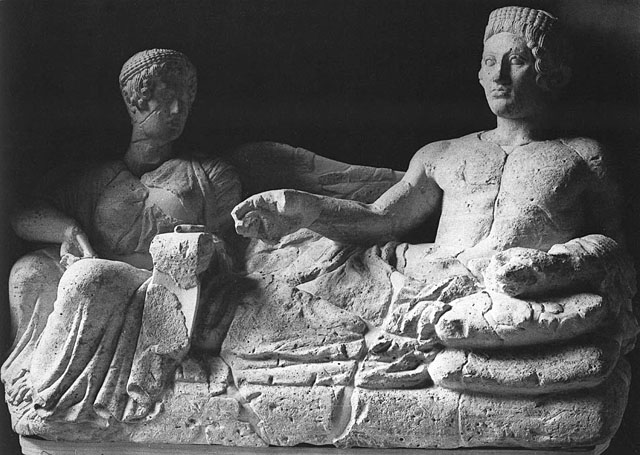
Florence, Museo Archeologico, Statuette representing the goddess Ilithyia (early 4th century BC)
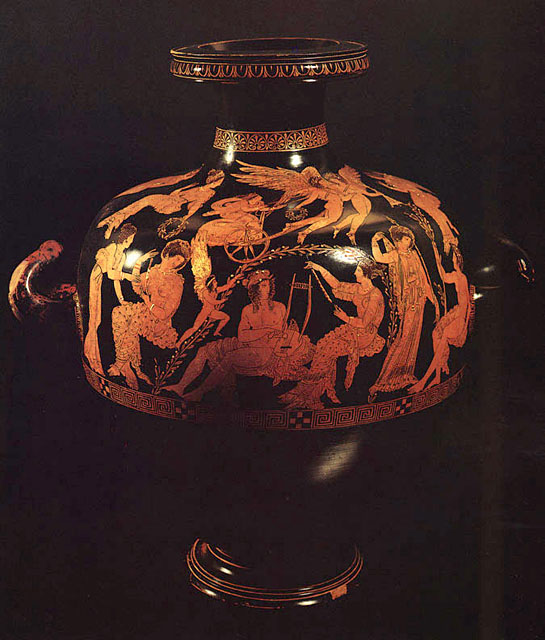
Florence, Museo Archeologico, Attic hydria attributed to Meidias (late 5th century BC)
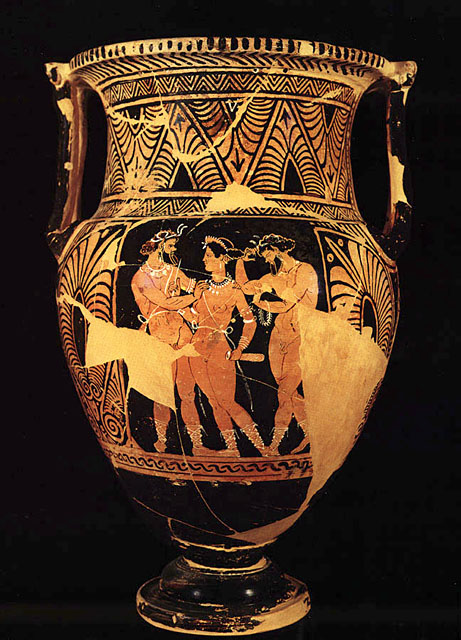
Florence, Museo Archeologico, Volterran krater from Carminiano (last quarter of the 4th century BC)
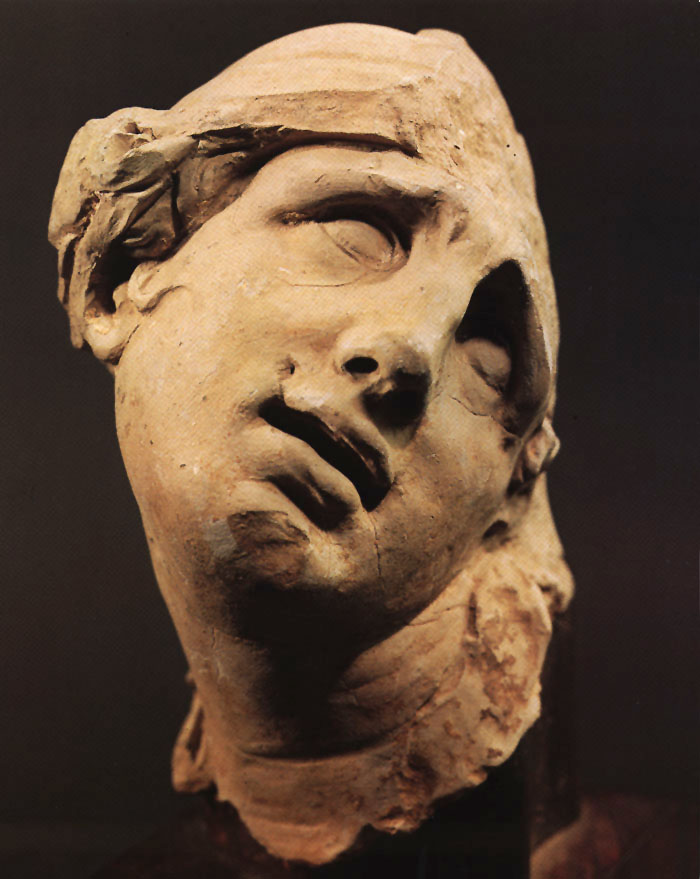
Florence, Museo Archeologico, Terracotta head from Arezzo (second half of the 2nd century BC)
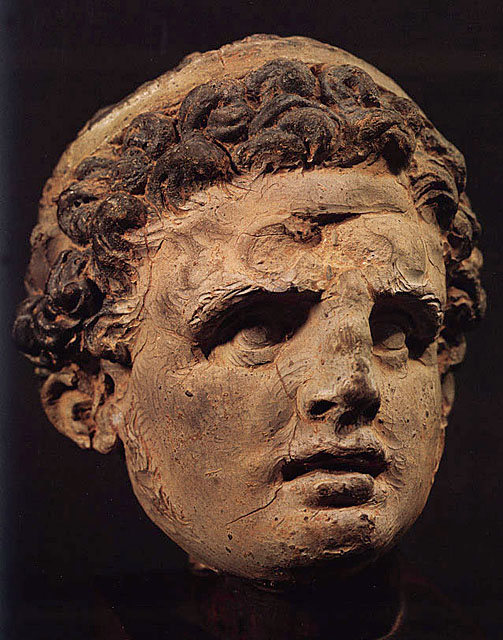
Florence, Museo Archeologico, Terracotta head from Arezzo (second half of the 2nd century BC)
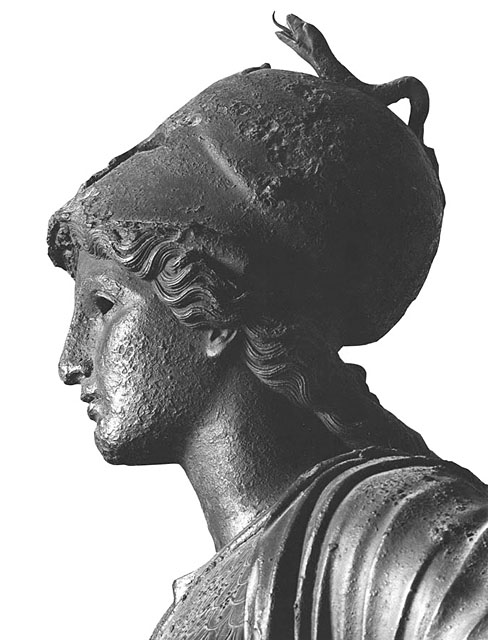
Florence, Museo Archeologico, Minerva from Arezzo (late 4th century BC)
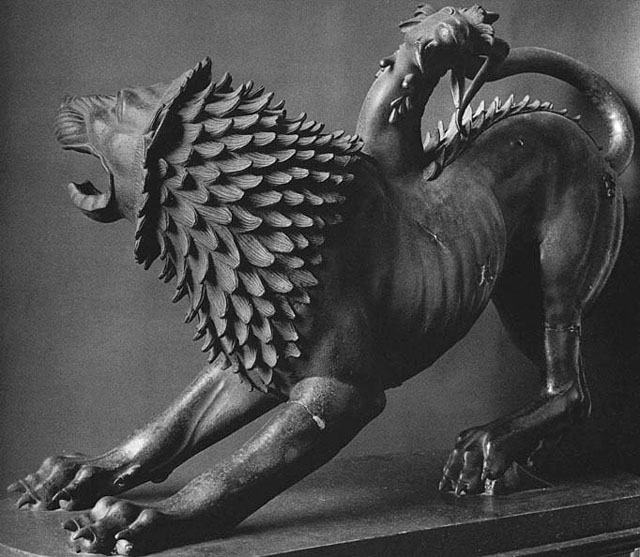
Florence, Museo Archeologico, Chimera of Arezzo (last quarter of the 4th century BC)
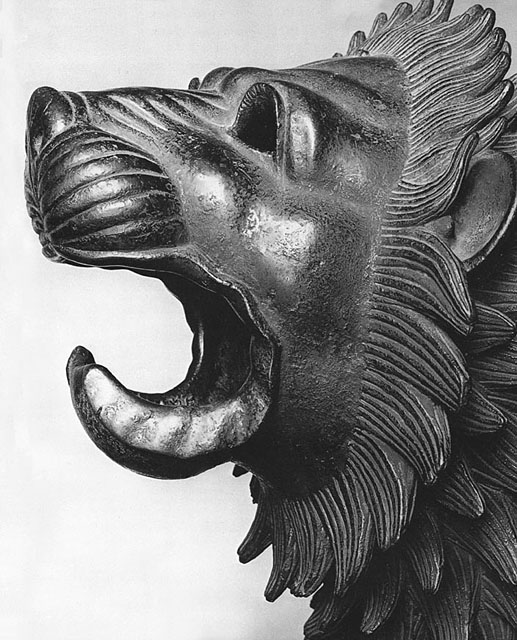
Florence, Museo Archeologico, Chimera of Arezzo (last quarter of the 4th century BC)
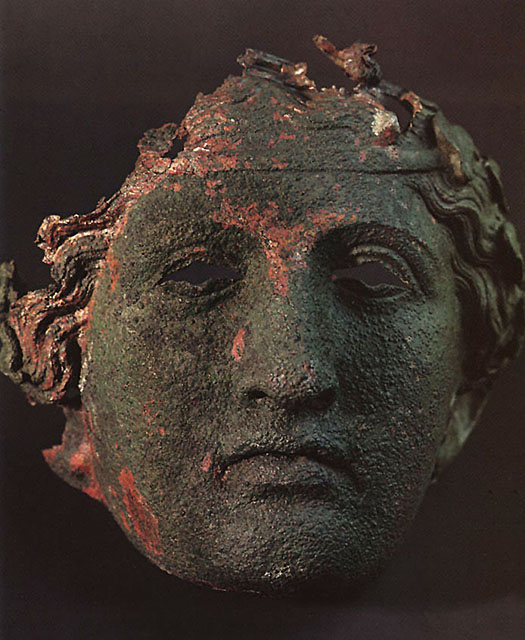
Florence, Museo Archeologico, Bronze mask from Rapolano.
Museo degli Argenti
Florence, Museo degli Argenti, Detail of the frescoes in the second room
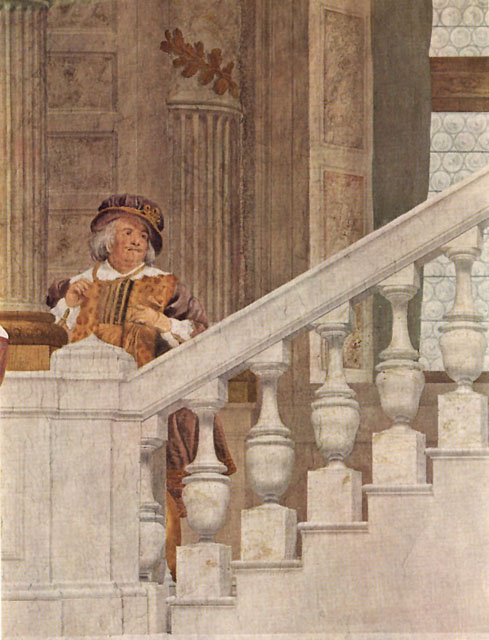
Florence, Museo degli Argenti, Room of Giovanni da San Giovanni
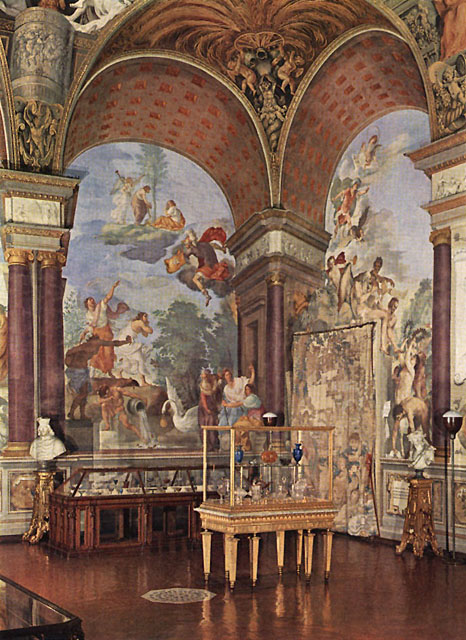
Florence, Museo degli Argenti, Room of Giovanni da San Giovanni
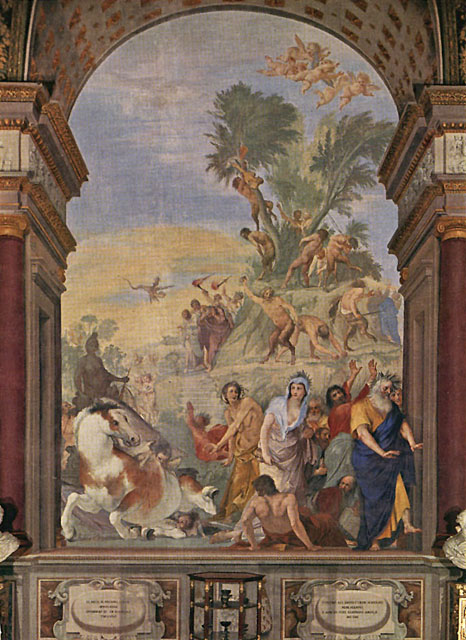
Florence, Museo degli Argenti, First room
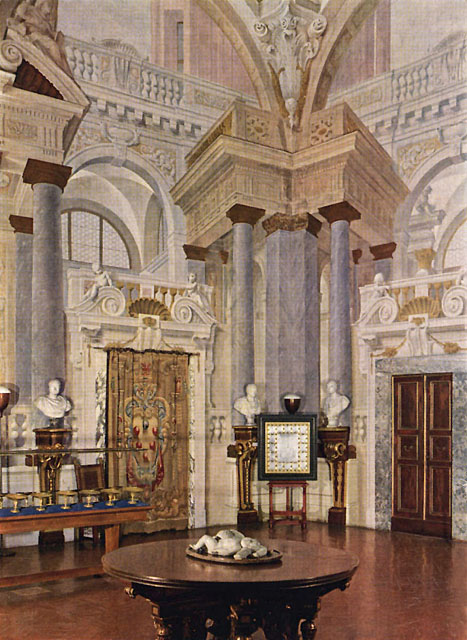
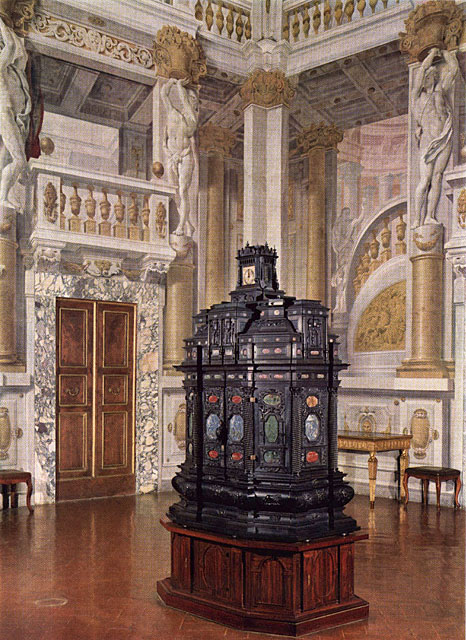
Florence, Museo degli Argenti, Third room
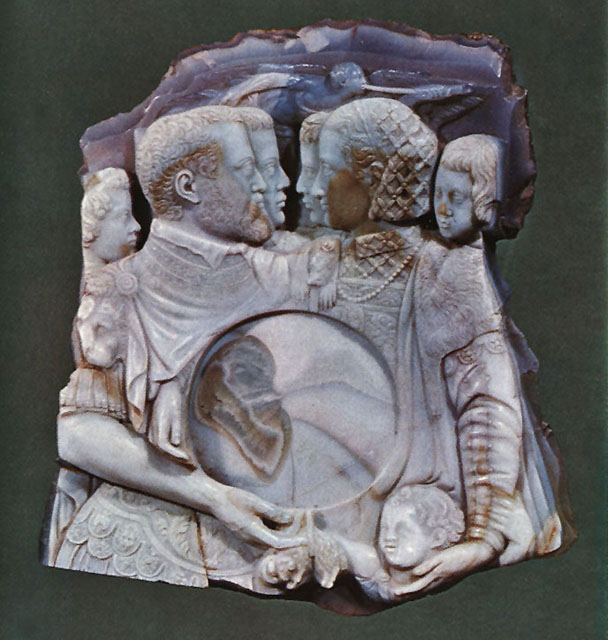
Florence, Museo degli Argenti, G. Antonio De'Rossi: Onyx cameo with the portraits of Cosimo I and his family, 1557-1562
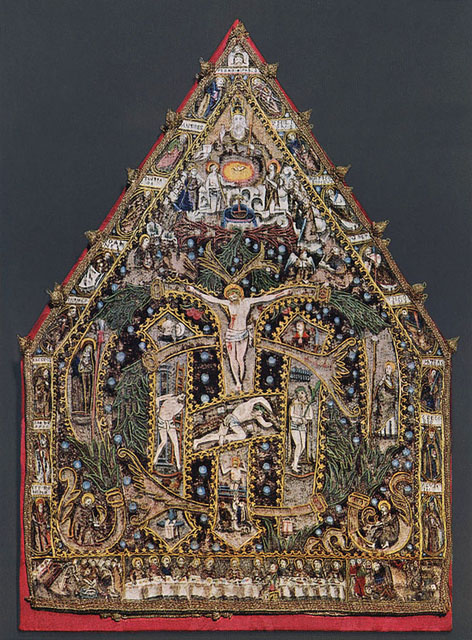
Florence, Museo degli Argenti, Mexican Mitre, 1500
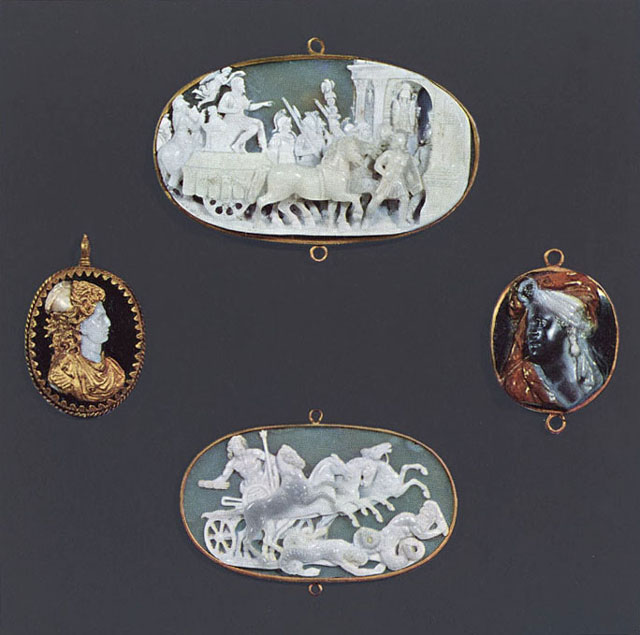
Florence, Museo degli Argenti, Cameos (5th and 6th centuries)
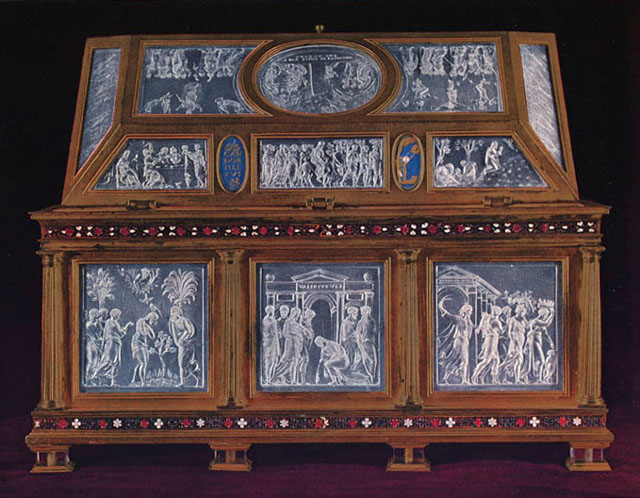
Florence, Museo degli Argenti, Valerio Belli: Rock crystal casket mounted in enamelled silver gilt. 1532
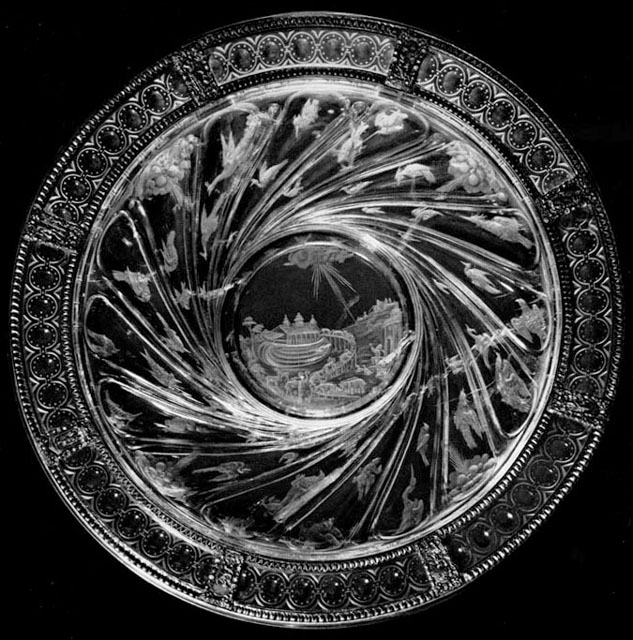
Florence, Museo degli Argenti, Giovanni dei Bernardi: Rock crystal plate (16th century)
Florence, Museo degli Argenti, Rock crystal jug (Milan 1550-1570)
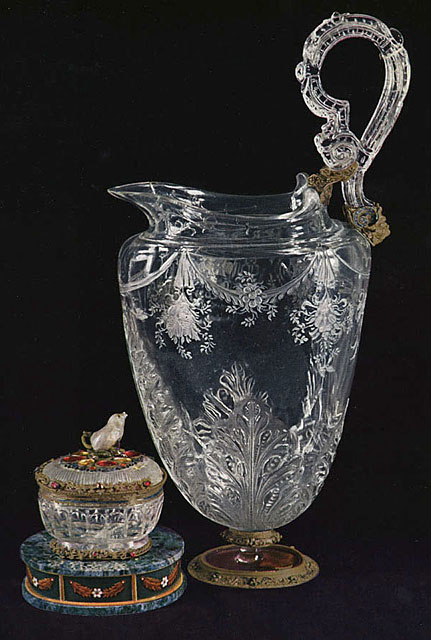
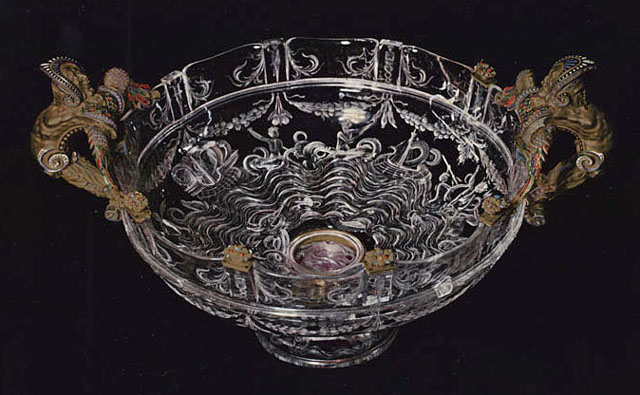
Florence, Museo degli Argenti, Rock crystal cup (Florence, late 16th century)
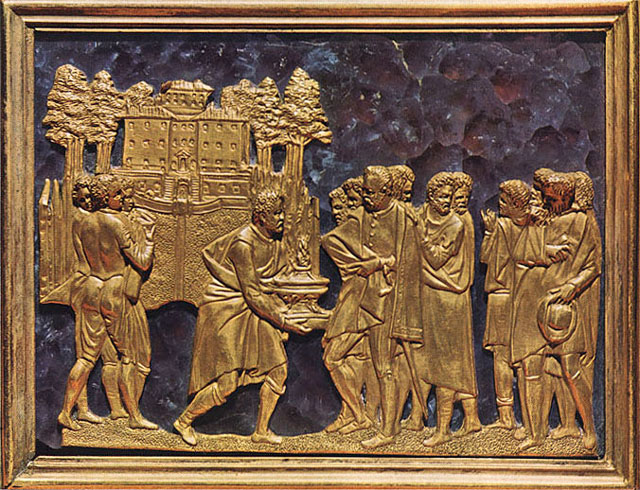
Florence, Museo degli Argenti, Relief on hard stone from the wax model by Giambologna representing Francesco I at Pratolino (1587)
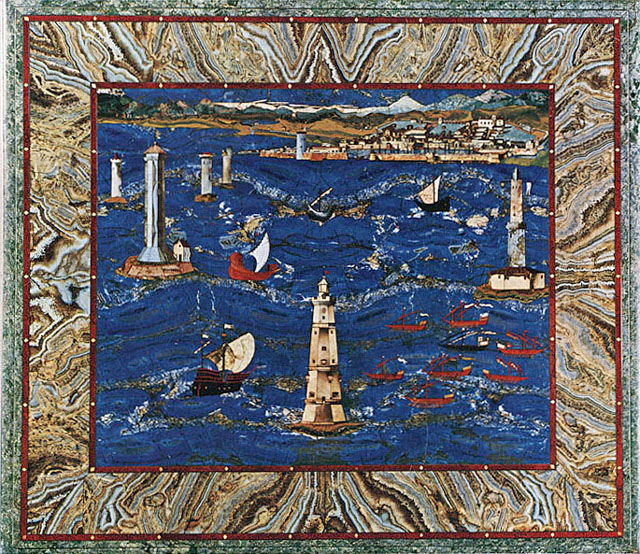
Florence, Museo degli Argenti, Table top with the port of Livorno, made by Cristofano Gaffuri to a design by Ligozzi (1600-1604)
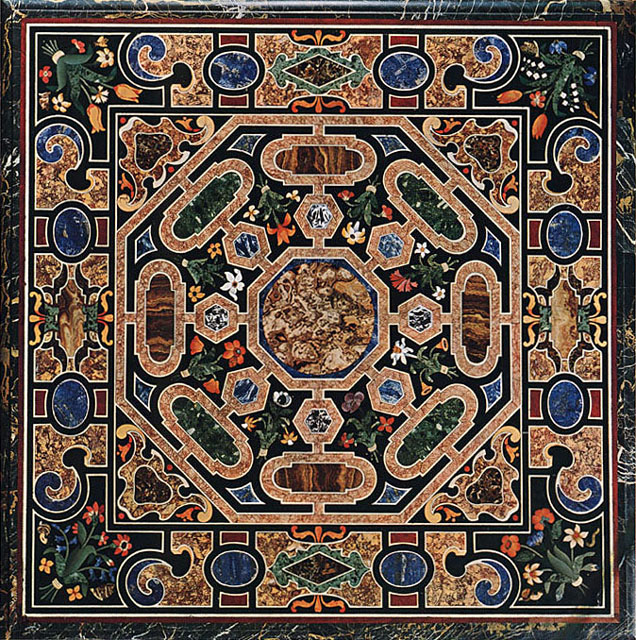
Florence, Museo degli Argenti, Grand-ducal workshops: Pietre dure table top (17th century)
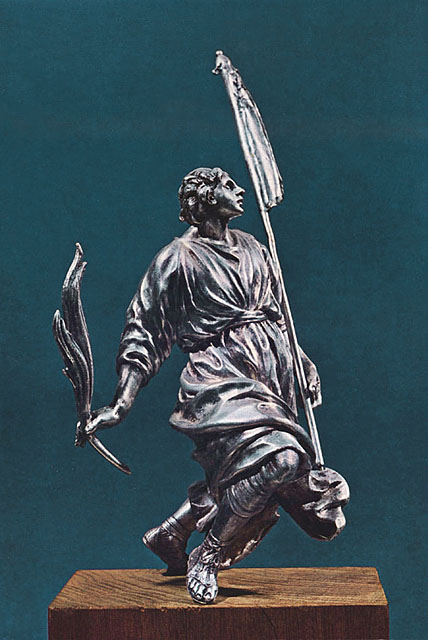
Florence, Museo degli Argenti, G.B. Foggini: Silver statuette from the reliquary of the Protector Saints (1718)
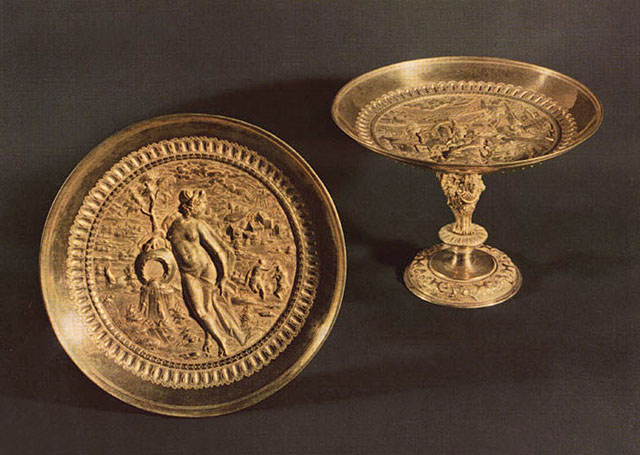
Florence, Museo degli Argenti, Paolo Huebner: Silver-gilt cups, Augsburg 1585-1590
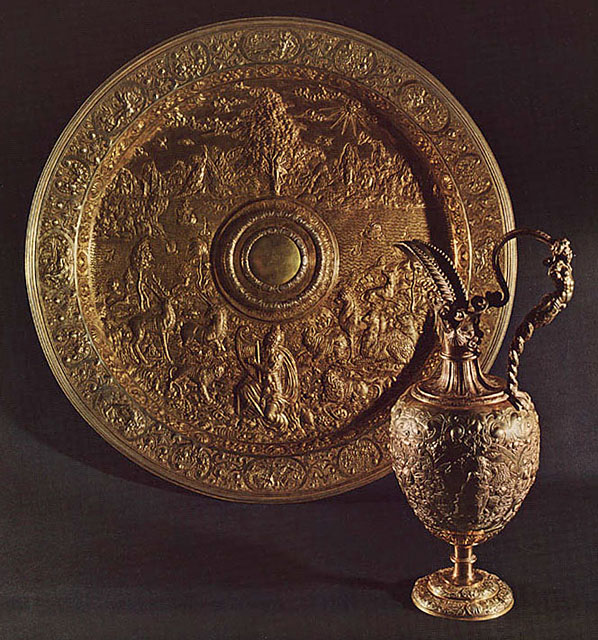
Florence, Museo degli Argenti, Paolo Huebner: Silver-gilt ewer and tray, Augsburg 1585-1590
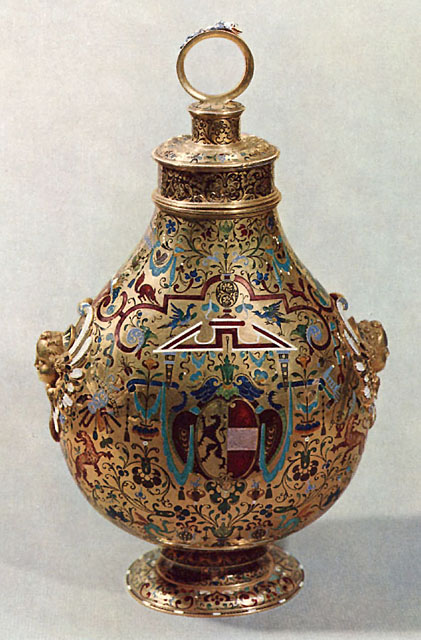
Florence, Museo degli Argenti, Hans Karl: Enamelled gold flask (1602)
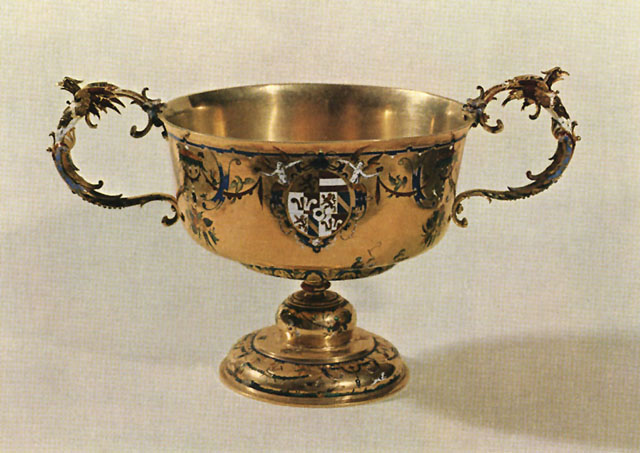
Florence, Museo degli Argenti, Enamelled gold cup, Salzburg, 17th century
Museo Horne
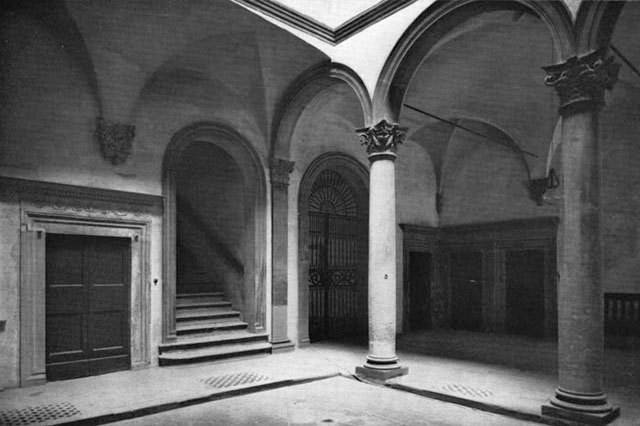
Florence, Museo Horne, view of the courtyard
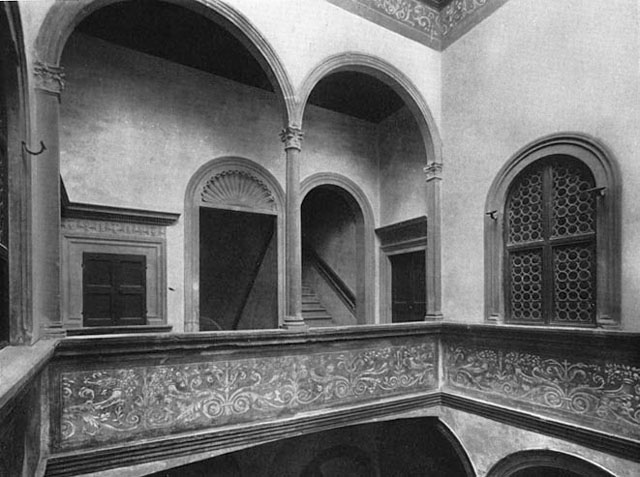
Florence, Museo Horne, Upper loggia
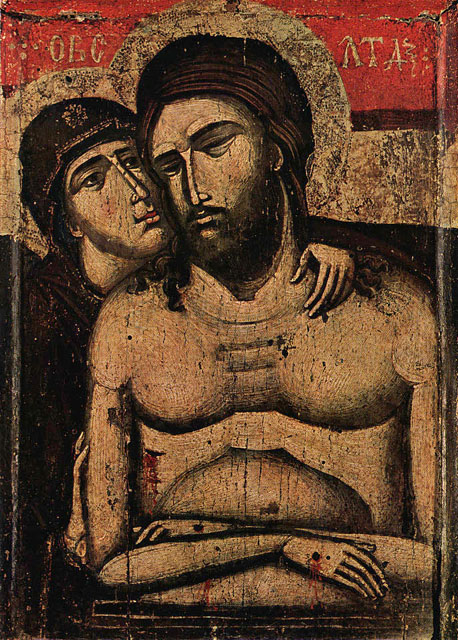
Florence, Museo Horne, Pietà. Italo-Byzantine art, 14th century
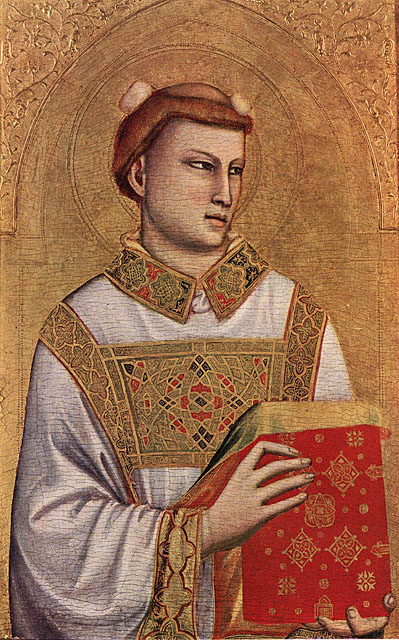
Florence, Museo Horne, Giotto, S. Stefano
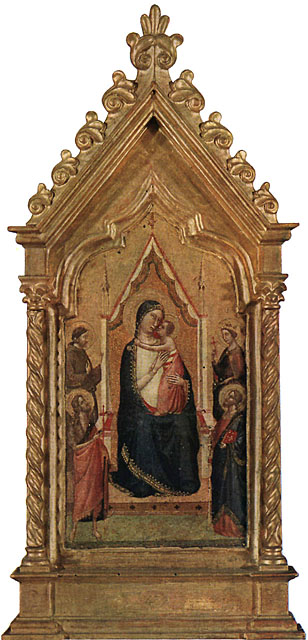
Florence, Museo Horne, Bernardino Daddi: Madonna
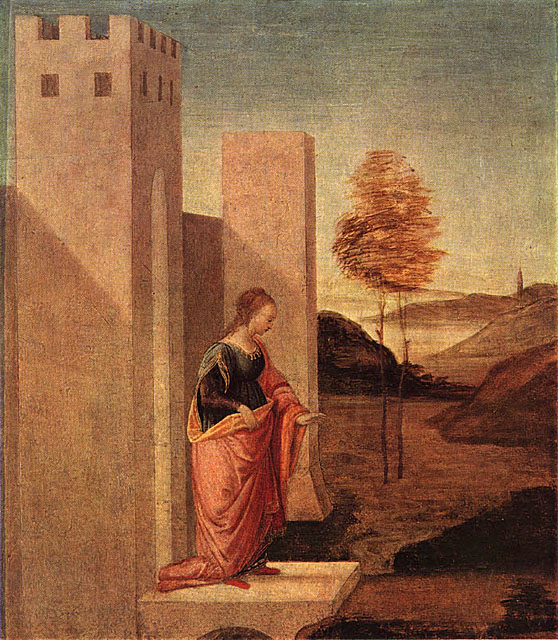
Florence, Museo Horne, Filippino Lippi: Queen Vashti leaving the royal palace
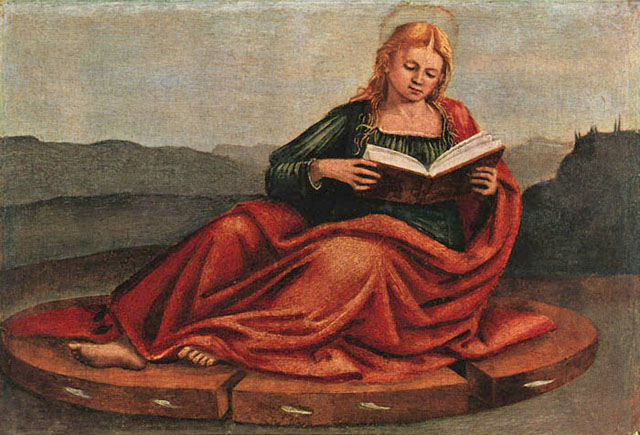
Florence, Museo Horne, Luca Signorelli: Saint Catherine of Alexandria
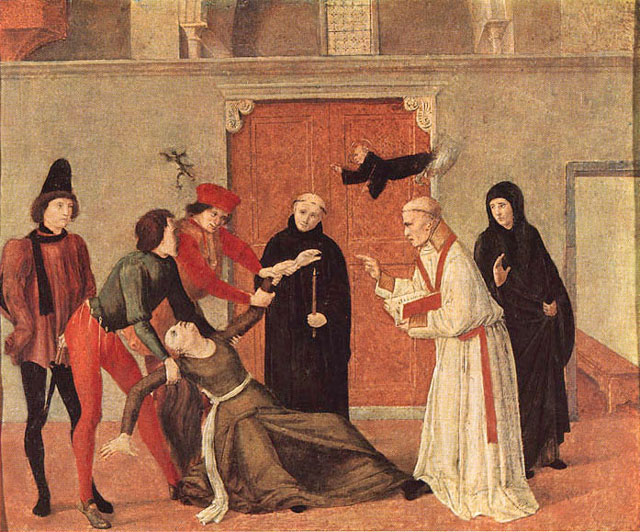
Florence, Museo Horne, Master of San Severino: Exorcism of a Possessed Woman
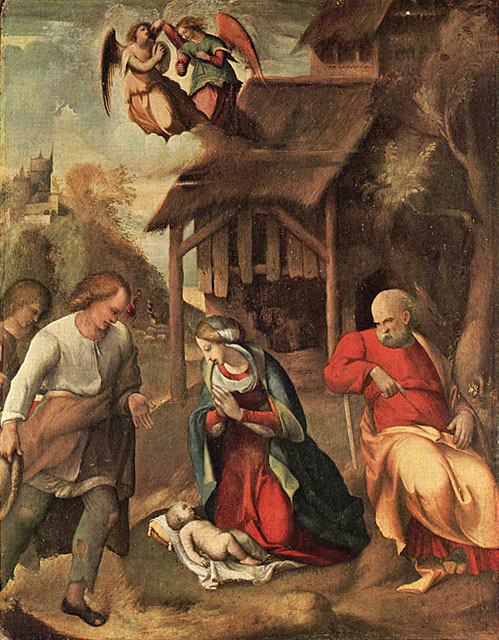
Florence, Museo Horne, Correggio (?): Adoration of the Shepherds
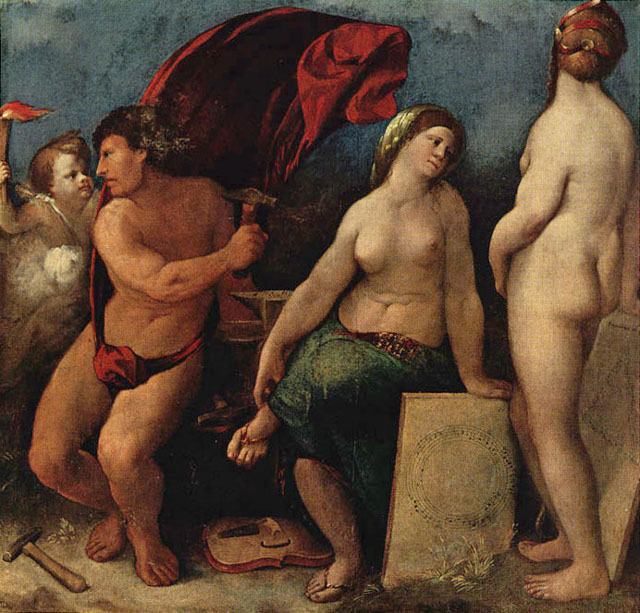
Florence, Museo Horne, Dossi: Allegory of Music
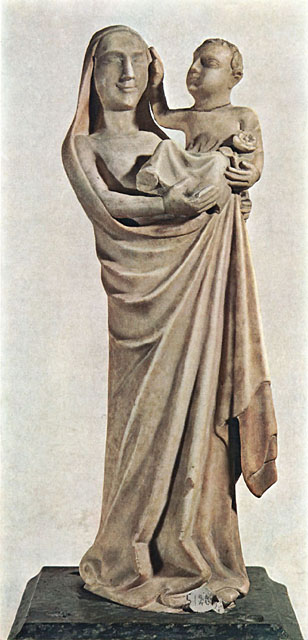
Florence, Museo Horne, Pisan art: Madonna and Child (15th century)
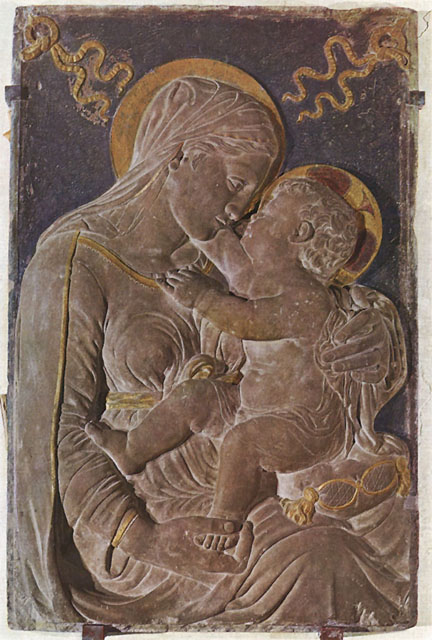
Florence, Museo Horne, Antonio Rosellino: Madonna of the Candelabra
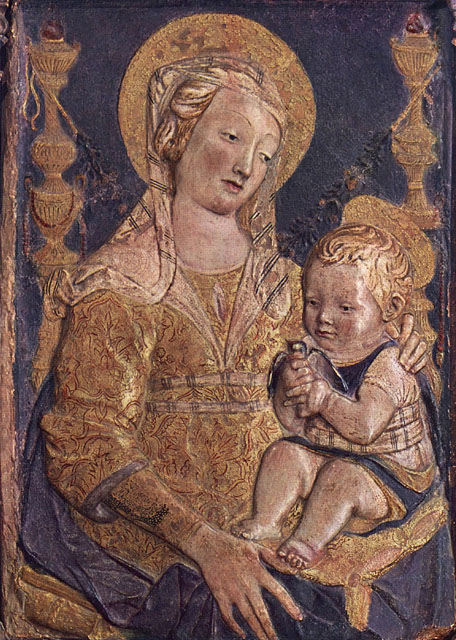
Florence, Museo Horne, Jacopo Sansovino: Madonna
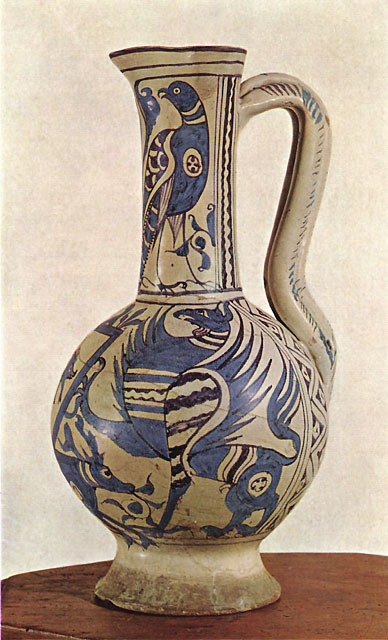
Florence, Museo Horne, 14th-century jug. Florence manufactory
Florence, Museo Horne, 14th-century jug. Florence manufactory
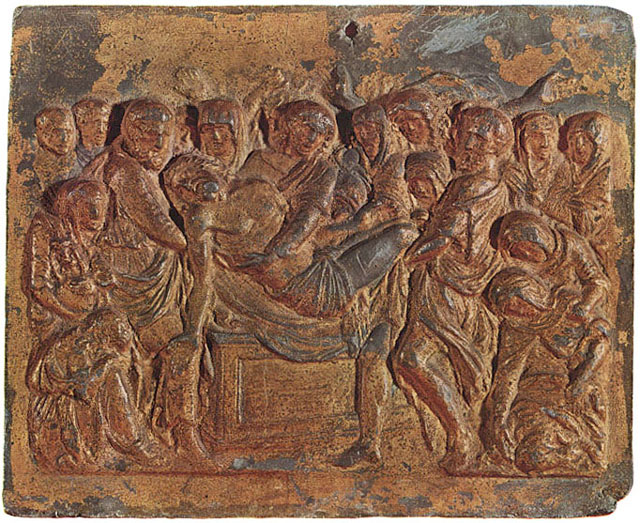
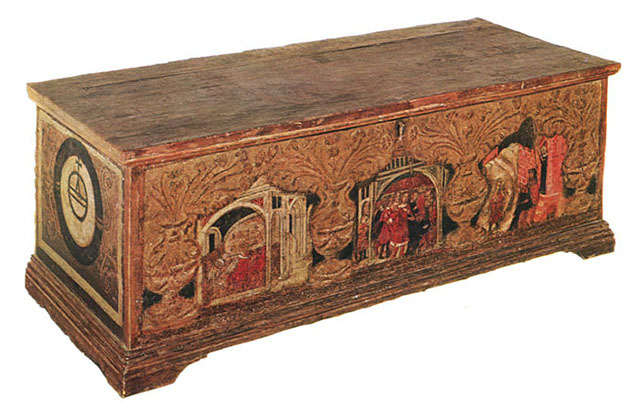
Florence, Museo Horne, Cassone decorated with gilded stucco and paintings. Tuscan art of the 15th century
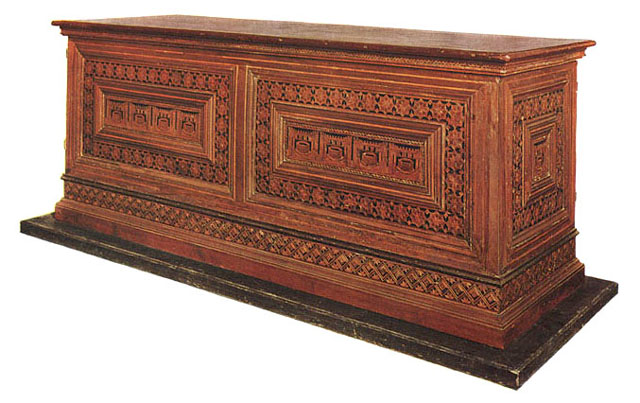
Florence, Museo Horne, Sacristy bench. Tuscan art of the 15th century
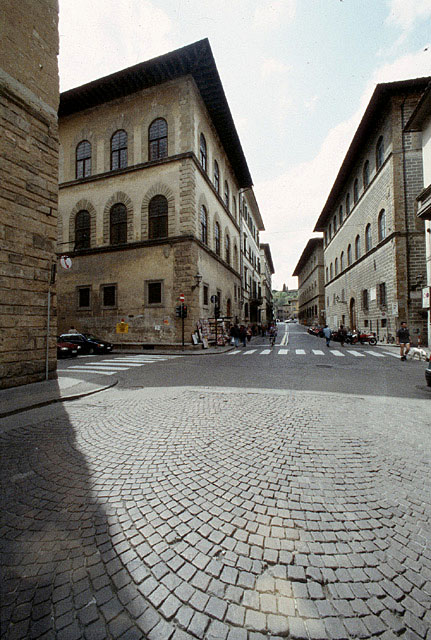
Florence, Museo Horne, exterior view
Museo Stibbert
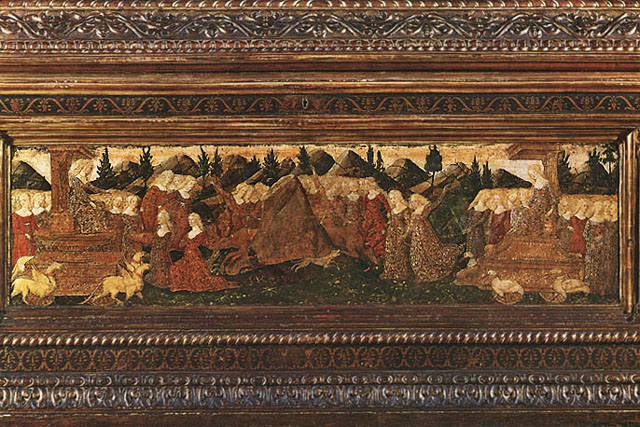
Florence, Museo Stibbert, Cassone front: Mythological subject, Sienese art, 15th century
Florence, Museo Stibbert, Spinet, 17th century
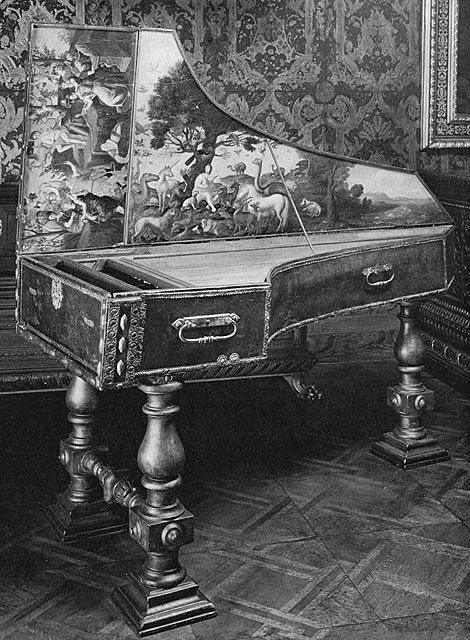
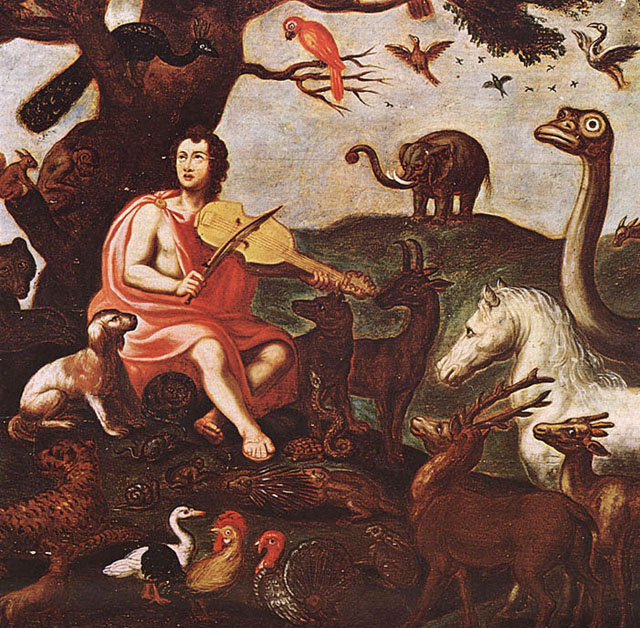
Florence, Museo Stibbert, Spinet, 17th century. Detail
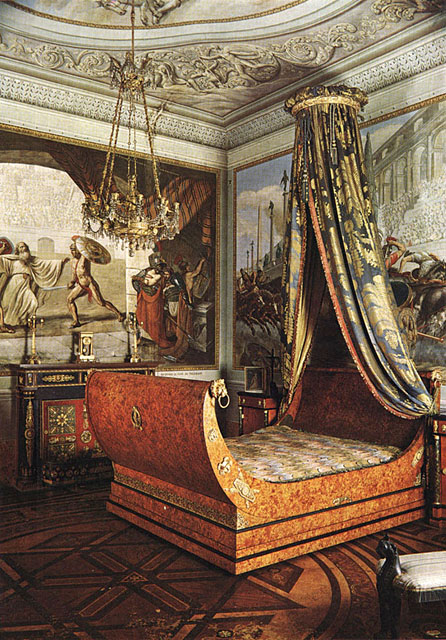
Florence, Museo Stibbert, Boat-shaped bed, 19th century
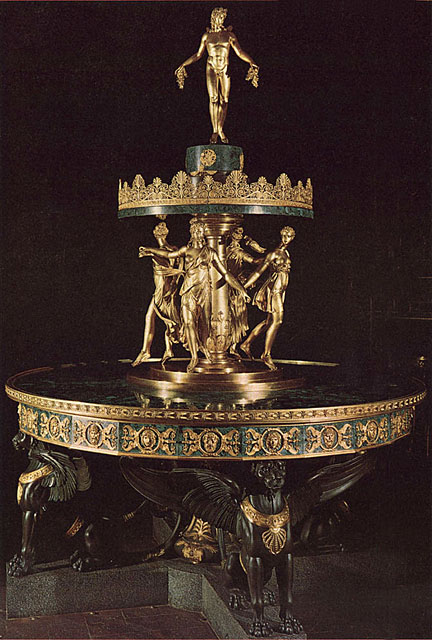
Florence, Museo Stibbert, Table, French art, 19th century
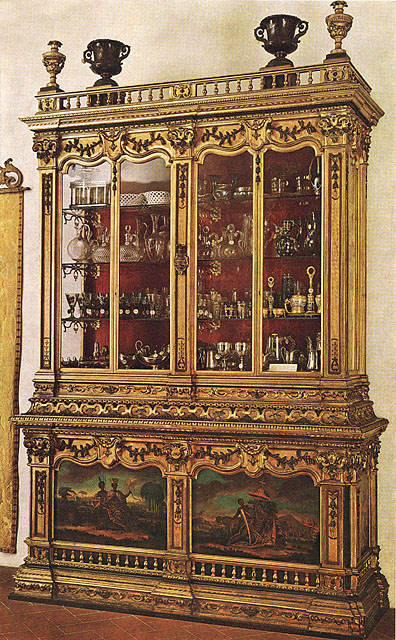
Florence, Museo Stibbert, Display cabinet, 19th century
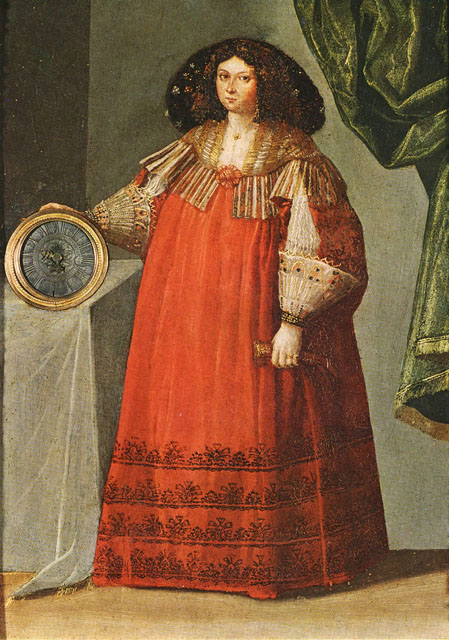
Florence, Museo Stibbert, French clock, 17th century
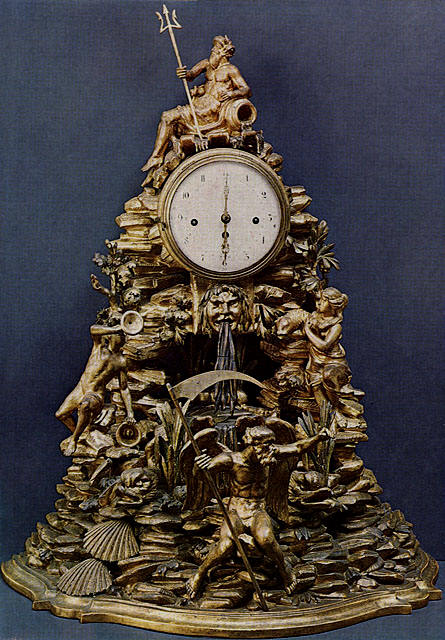
Florence, Museo Stibbert, Clock, 18th century
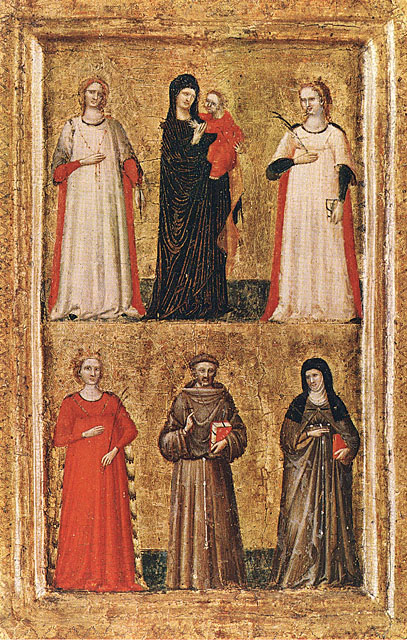
Florence, Museo Stibbert, Madonna and Child with Saints, Master of Verrucchio, 1340 c
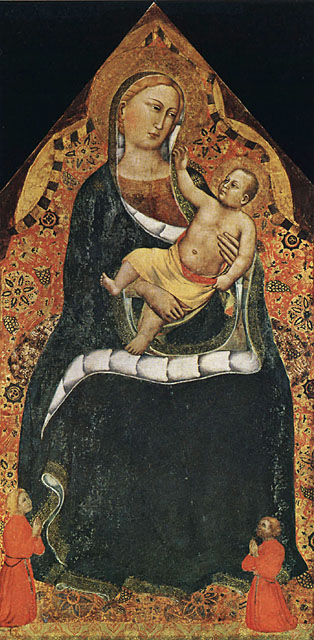
Florence, Museo Stibbert, Madonna Enthroned with Child, Florentine school, 14th-15th century
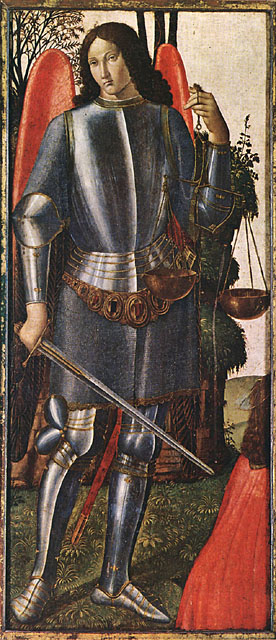
Florence, Museo Stibbert, Saint Michael the Archangel, Cosimo Rosselli
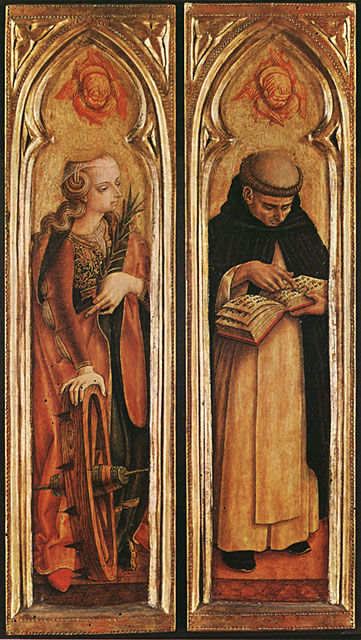
Florence, Museo Stibbert, Saint Catherine and St. Dominic, Carlo Crivelli
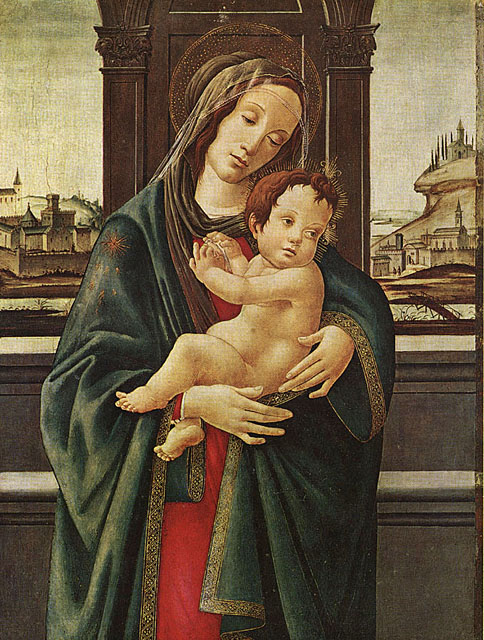
Florence, Museo Stibbert, Madonna and Child, Sandro Botticelli (?)
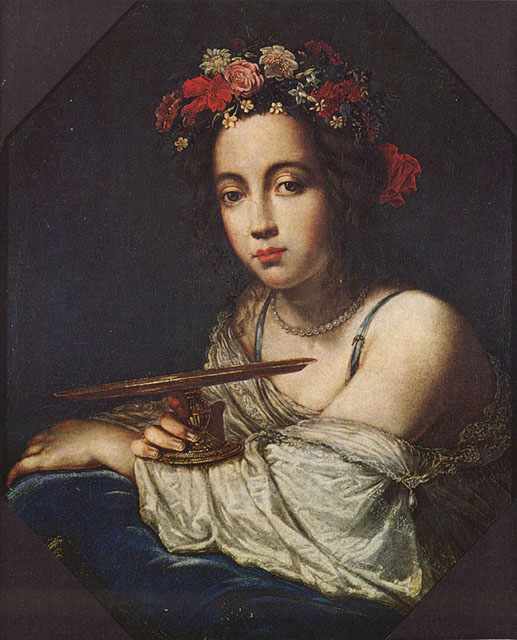
Florence, Museo Stibbert, Female figure, Cesare Dandini
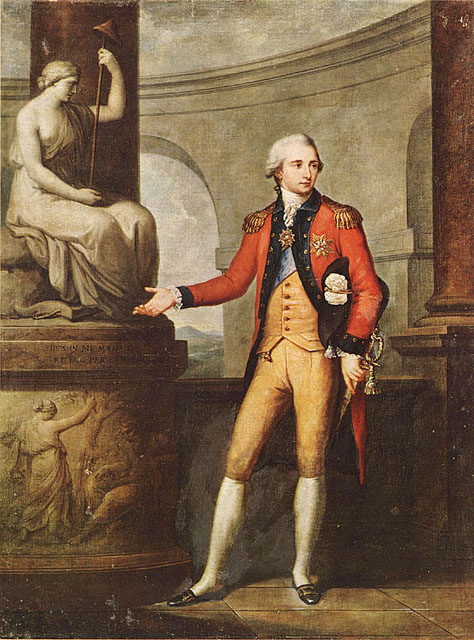
Florence, Museo Stibbert, Prince Stanislas Poniatowski, Angelica Kauffman (?)
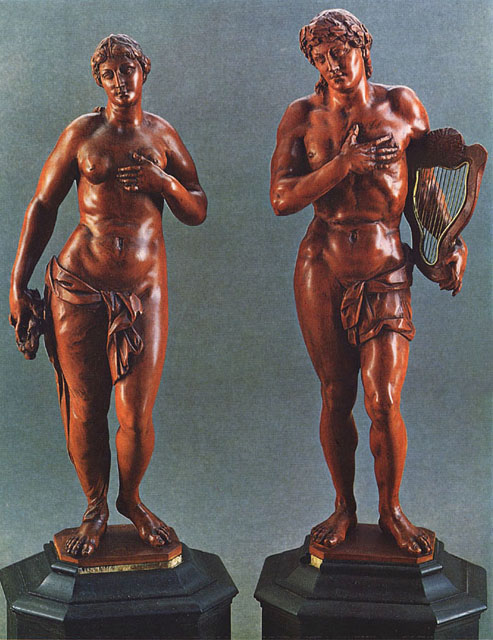
Florence, Museo Stibbert, Orpheus and Eurydice, German art, 17th century
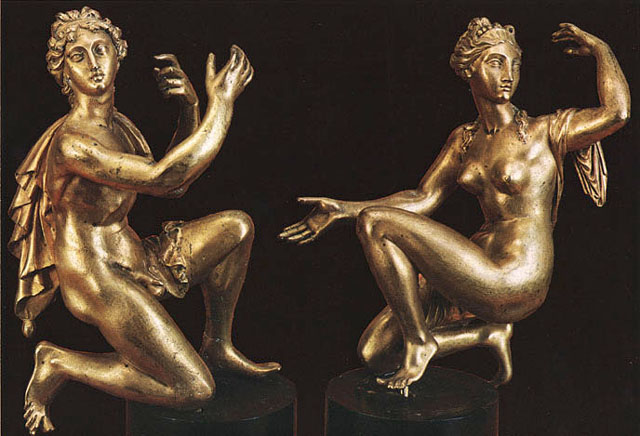
Florence, Museo Stibbert, Apollo and Venus, bronze, 16th century
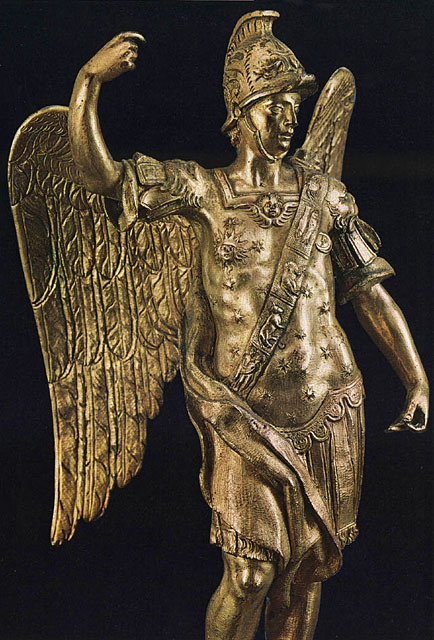
Florence, Museo Stibbert, Archangel, bronze, 17th century
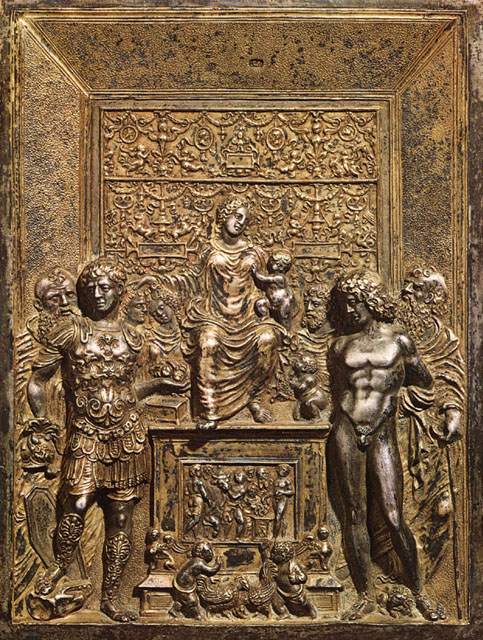
Florence, Museo Stibbert, Madonna Enthroned with Saints, silver plaquette, 15th century
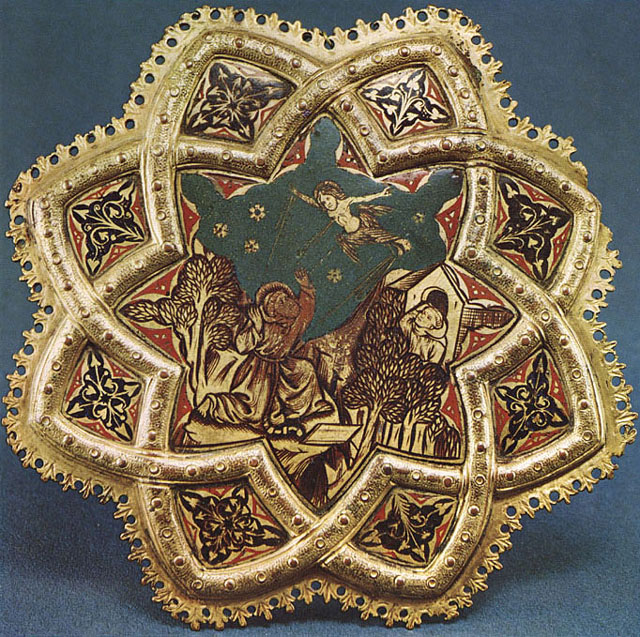
Florence, Museo Stibbert, Cope clasp, copper, 14th century
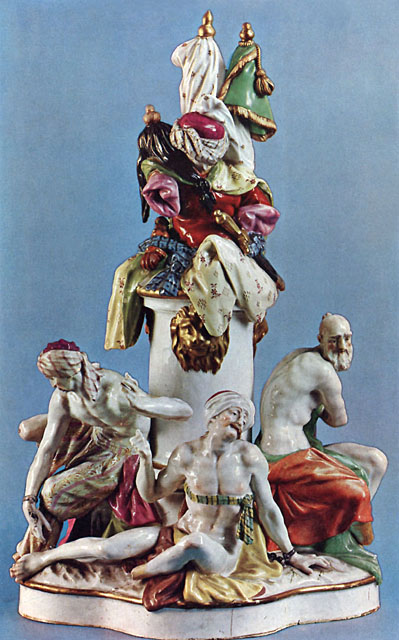
Florence, Museo Stibbert, Group of Three Moors, Berlin, 18th century
Florence, Museo Stibbert, Group with a Moor, Ginori, 1760
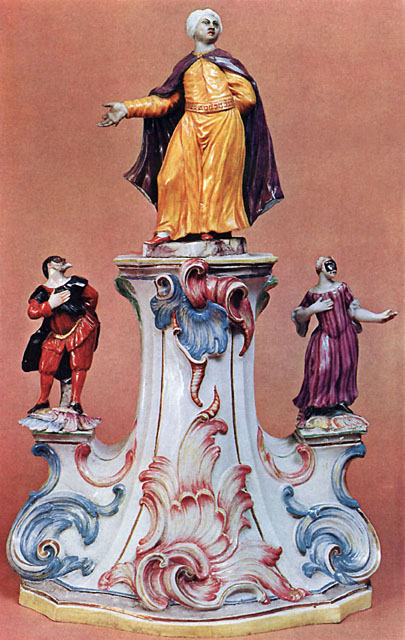
Florence, Museo Stibbert, Oriental Figure and Young Peasant Girl, Ginori, 1758-1791
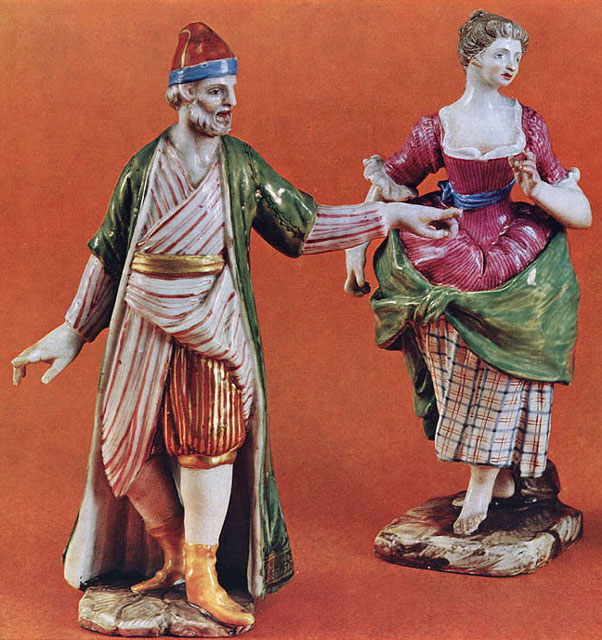
Florence, Museo Stibbert, Six-piece service. Meissen, 1774-1814
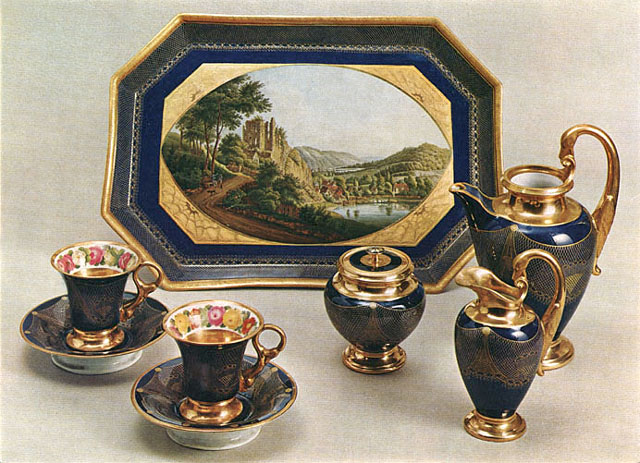
Florence, Museo Stibbert, Africa, Meissen, 18th century
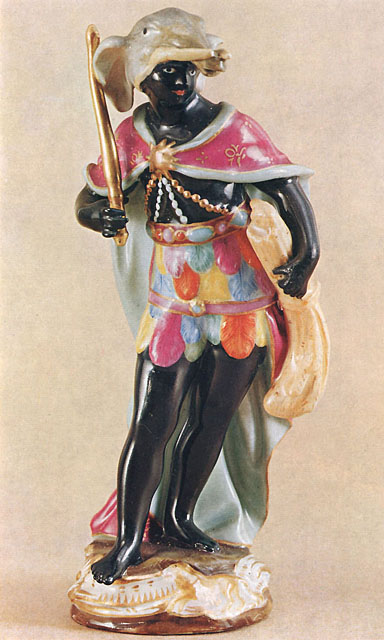
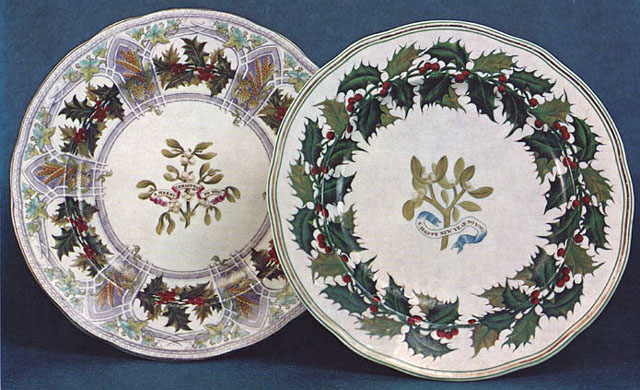
Florence, Museo Stibbert, Christmas plates, Stocke-on-Trent, 19th century
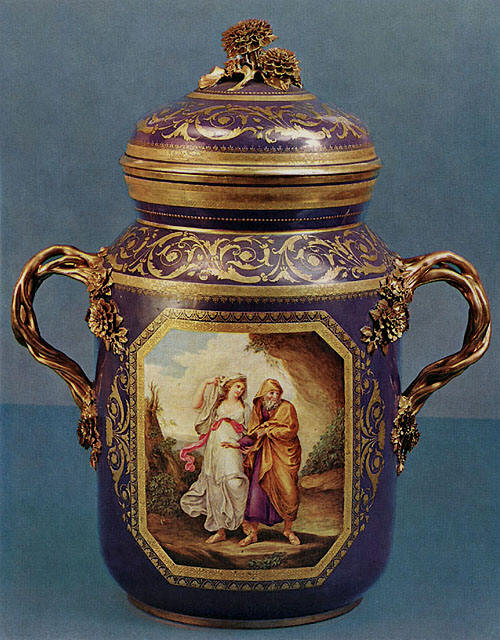
Florence, Museo Stibbert, Lidded vase, Vienna, 18th century
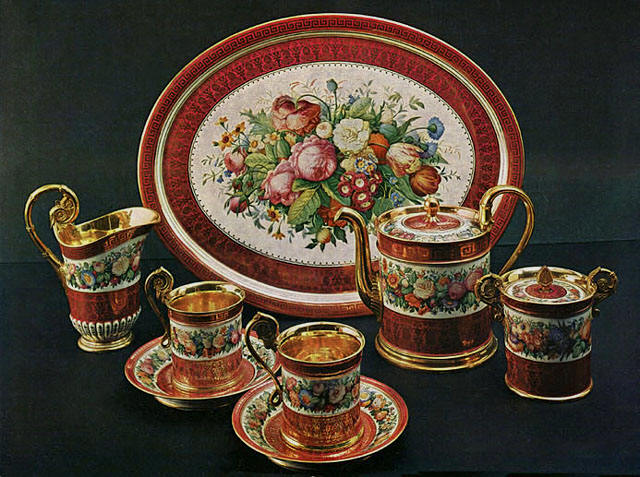
Florence, Museo Stibbert, Ten-piece service, 19th century
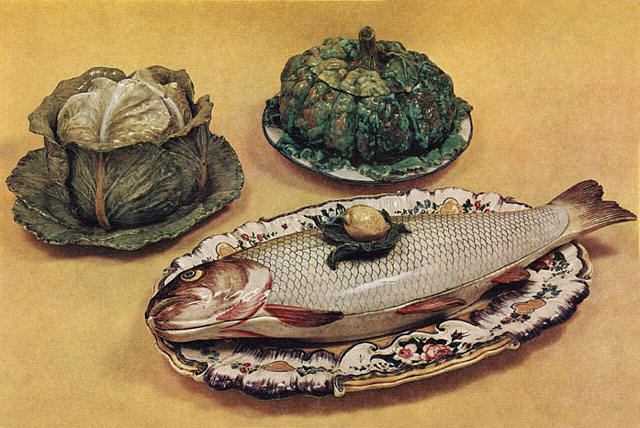
Florence, Museo Stibbert, Tureen, 18th century - Tureen, 18th century - Fish platter, 19th century
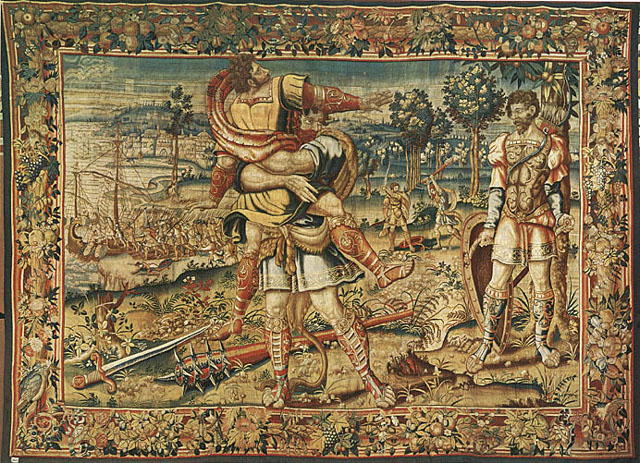
Florence, Museo Stibbert, Hercules Slaying Antaeus, Brussels work, 17th century
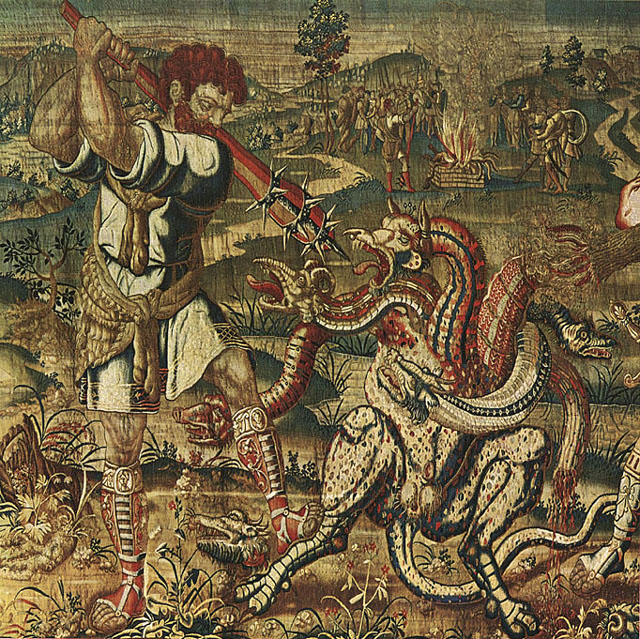
Florence, Museo Stibbert, Hercules slays the Lernaean Hydra, Brussels work, 17th century
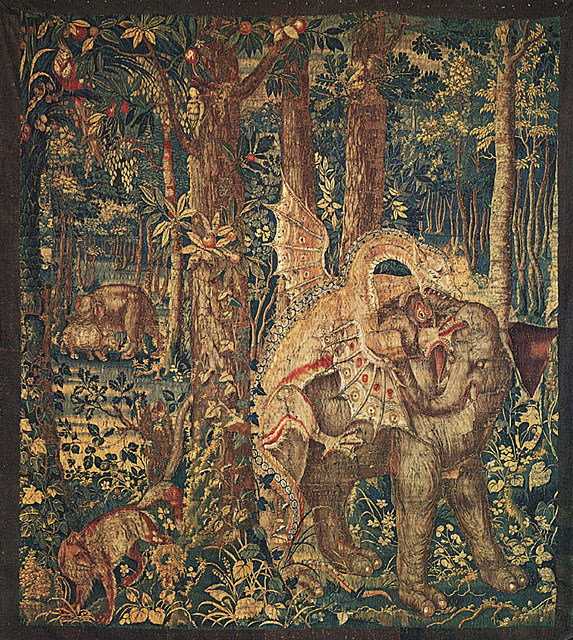
Florence, Museo Stibbert, The Dragon and the Elephant, Flemish art, 17th century
Florence, Museo Stibbert, Embroidered velvet, 16th century
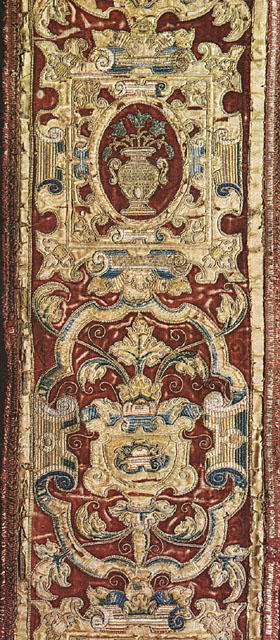
Florence, Museo Stibbert, Fragment of Velvet, 16th century
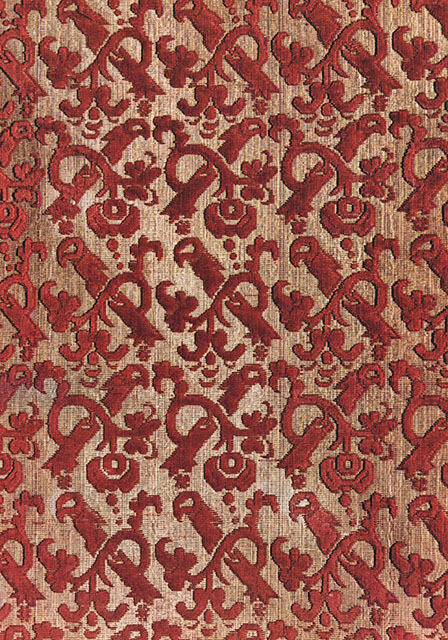
Florence, Museo Stibbert, Fragment of Velvet, 16th century
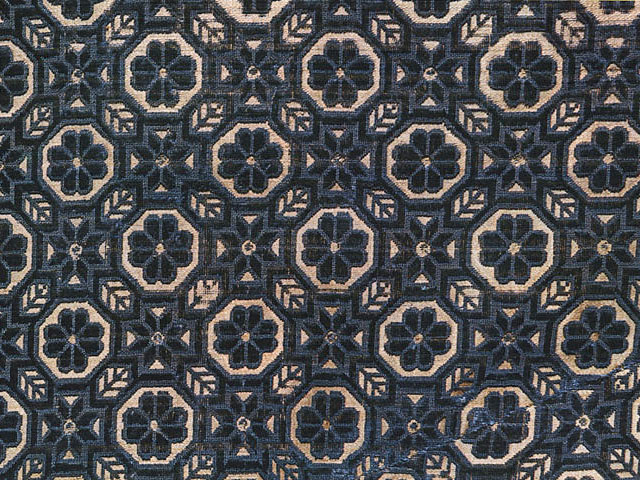
Florence, Museo Stibbert, Fragment of Velvet, 16th century
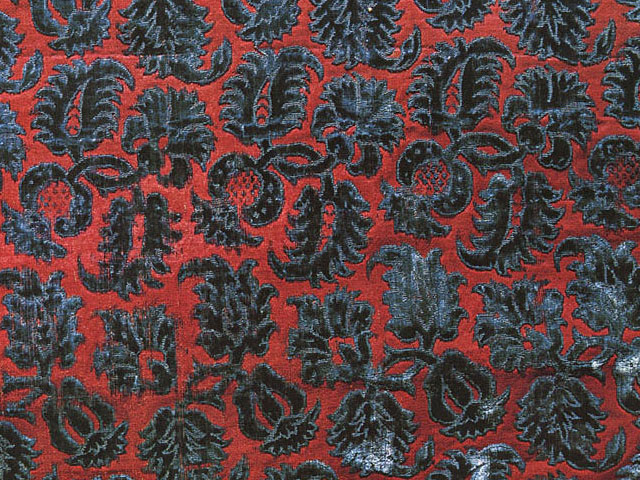
Florence, Museo Stibbert, Snuff boxes, 18th-19th century
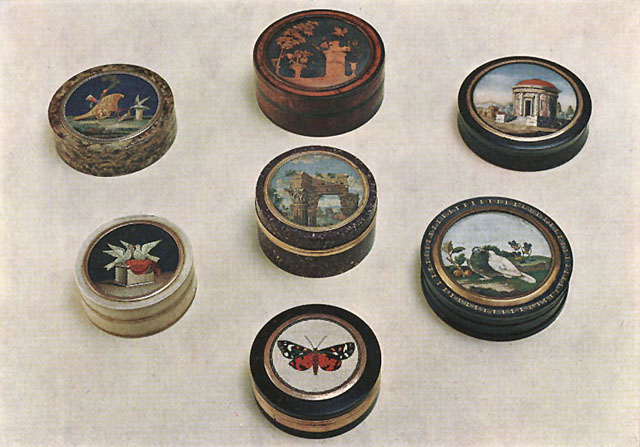
Florence, Museo Stibbert, Snuff boxes, 18th century
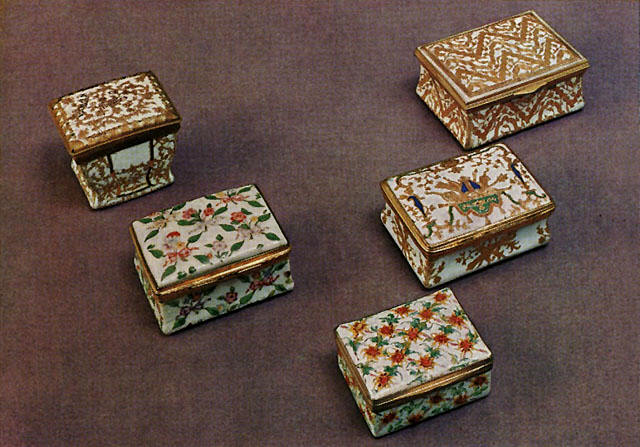
Florence, Museo Stibbert, Snuff boxes, 18th-19th century
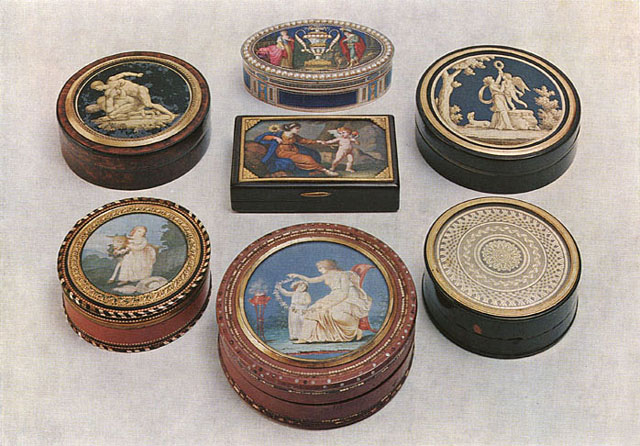
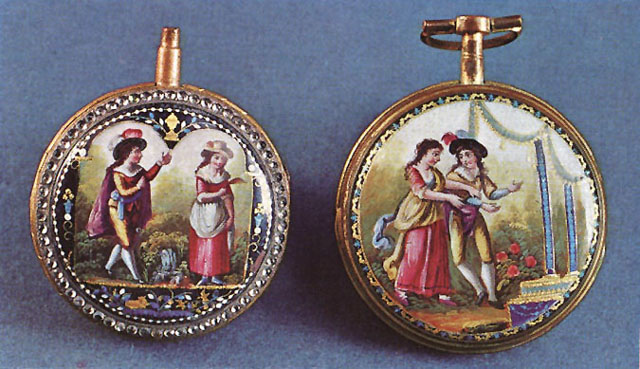
Florence, Museo Stibbert, Pocket watches, 19th century
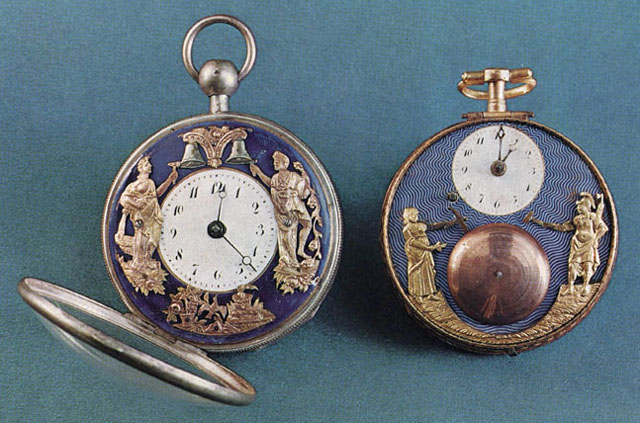
Florence, Museo Stibbert, Pocket watches, 19th century
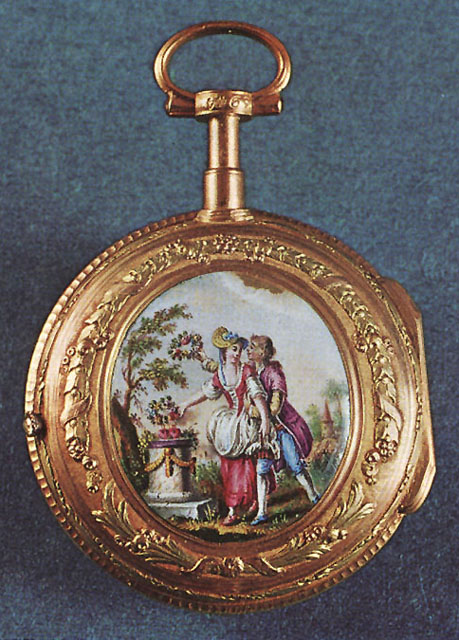
Florence, Museo Stibbert, Pocket watches, France, 18th century
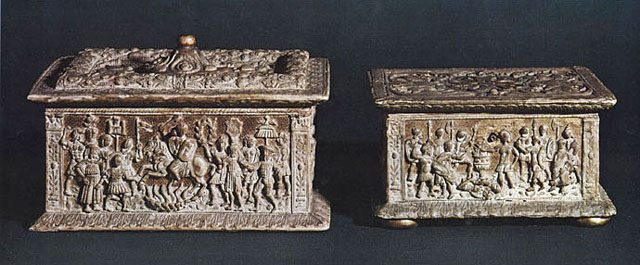
Florence, Museo Stibbert, Coffers, Ferrarese (?) or Paduan school, 15th century
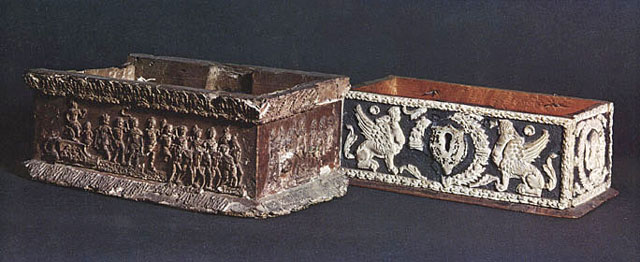
Florence, Museo Stibbert, Coffers, Ferrarese (?) or Paduan school, 15th century
Florence, Museo Stibbert, Horse armour, Konrad Treytz the Younger, Innsbruck, c. 1520
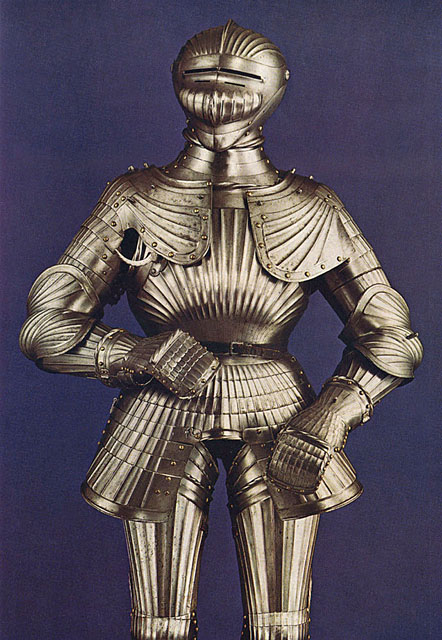
Florence, Museo Stibbert, Remains of a horse armour, Brescia, c. 1570-90
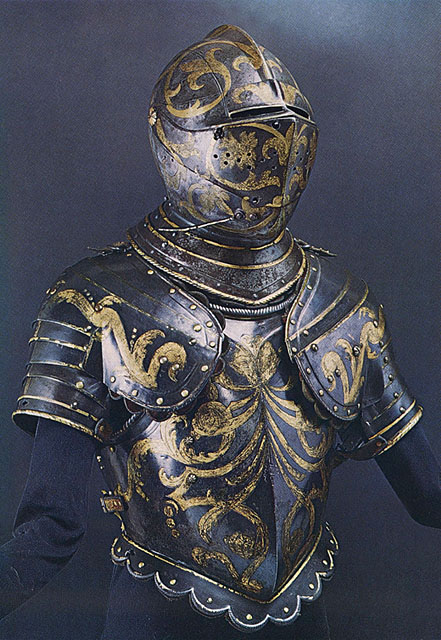
Florence, Museo Stibbert, Remains of a garniture that belonged to a Borromeo, c. 1580-85
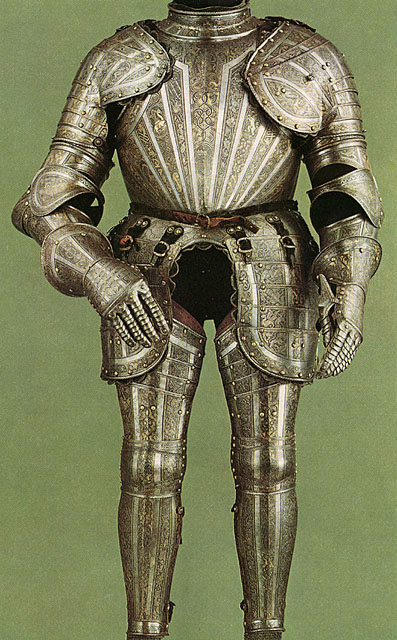
Florence, Museo Stibbert, Remains of a boy's garniture, Orazio da Calino, Turin, c. 1600
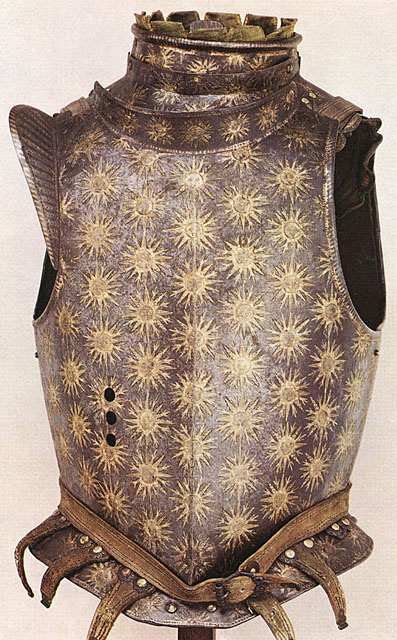
Florence, Museo Stibbert, Cavalry helmet, Italy (?), c. 1510-15
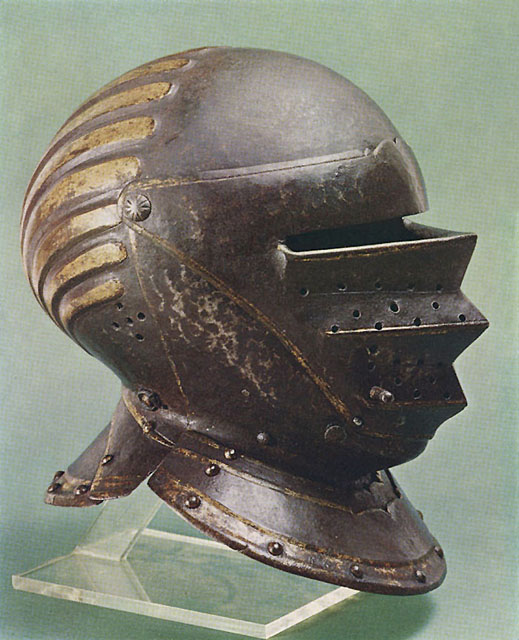
Florence, Museo Stibbert, Close helmet, Northern Italy, c. 1555-60
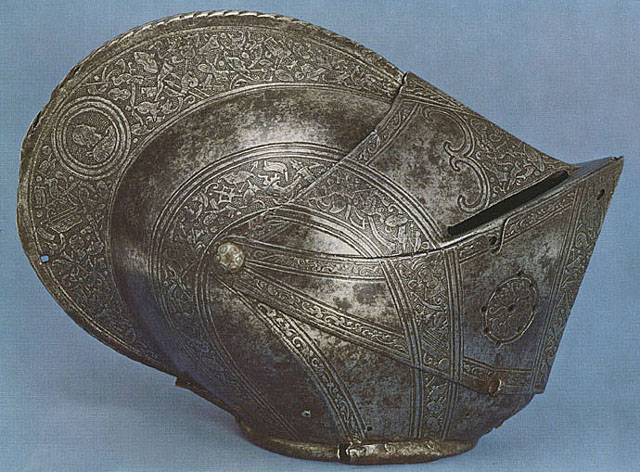
Florence, Museo Stibbert, Cavalry helmet, Southern Germany, c. 1555
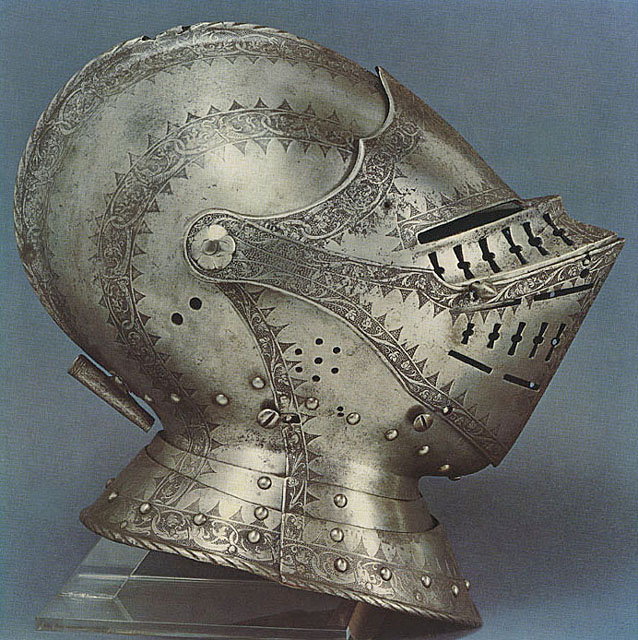
Florence, Museo Stibbert, Cavalry helmet, Netherlands, c.1580
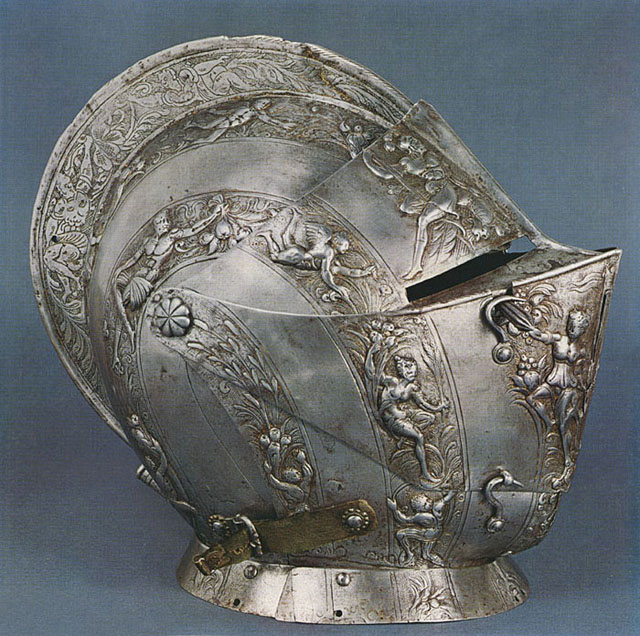
Florence, Museo Stibbert, Burgonet, France, c. 1560-70
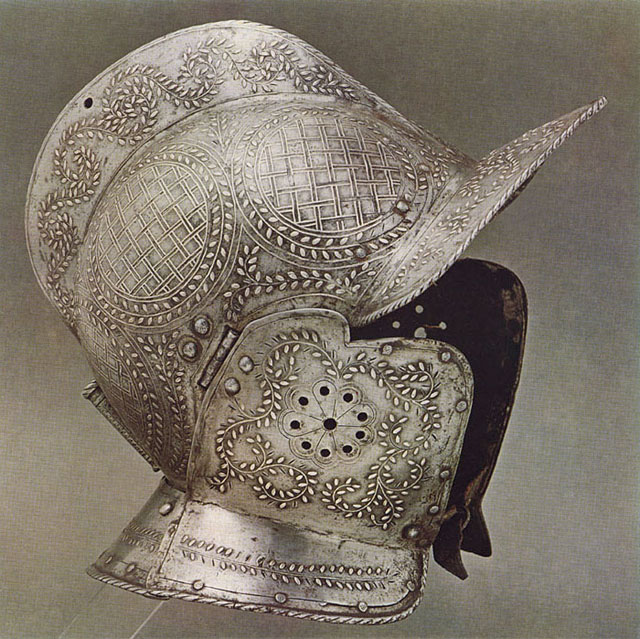
Florence, Museo Stibbert, Three-ridged morion of the Farnese ducal guards, Northern Italy, c. 1545
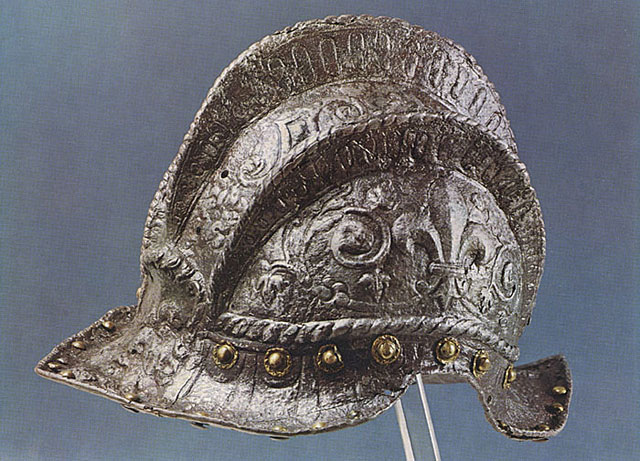
Florence, Museo Stibbert, Remains of a Savoyard-style cavalry helmet, Northern Italy, c. 1590
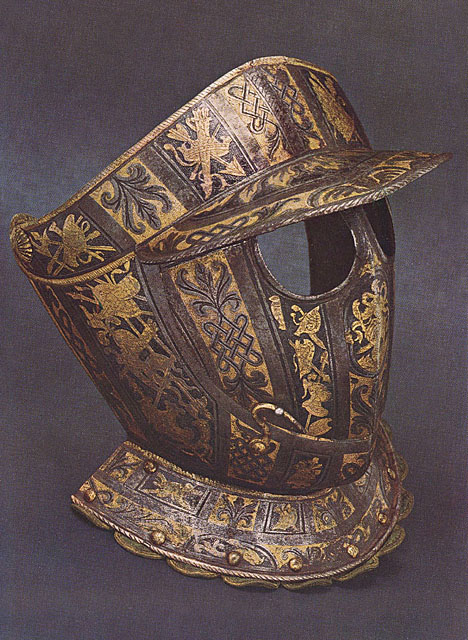
Florence, Museo Stibbert, Andreas Richter?, Augsburg,1571: Detachable collar
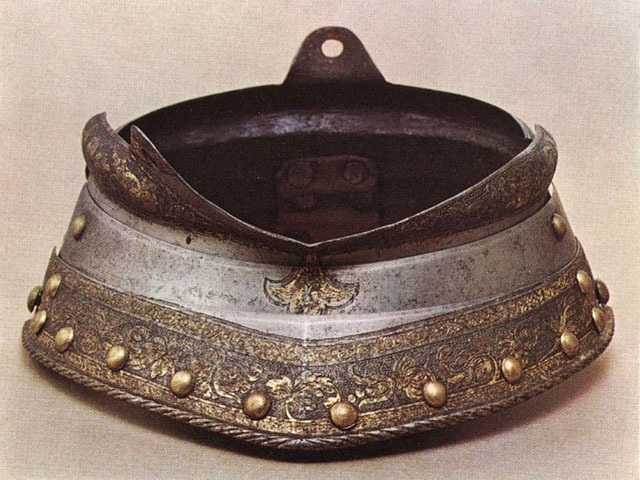
Florence, Museo Stibbert, Andreas Richter?, Milan, 1575: Locking gorget
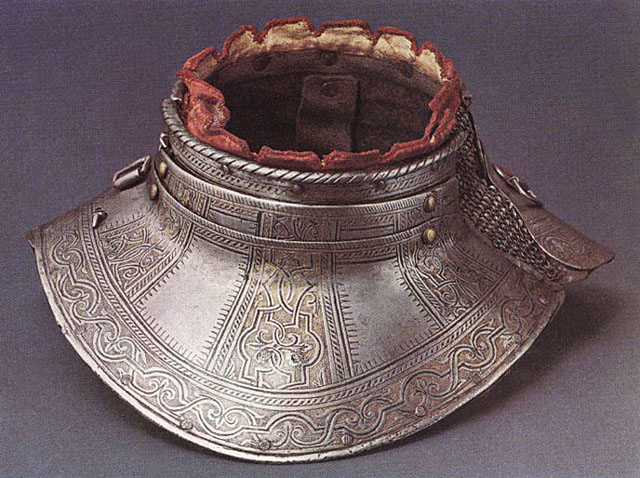
Florence, Museo Stibbert, Italy, 1540-45: Lame of a left vambrace in the antique style
Florence, Museo Stibbert, Italy, 1600: Right pauldron
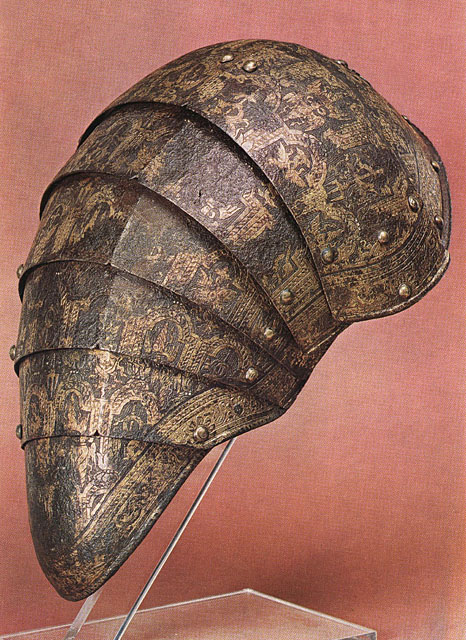
Florence, Museo Stibbert, Mattaus Frattenpreiss, 1549: Right vambrace for the field
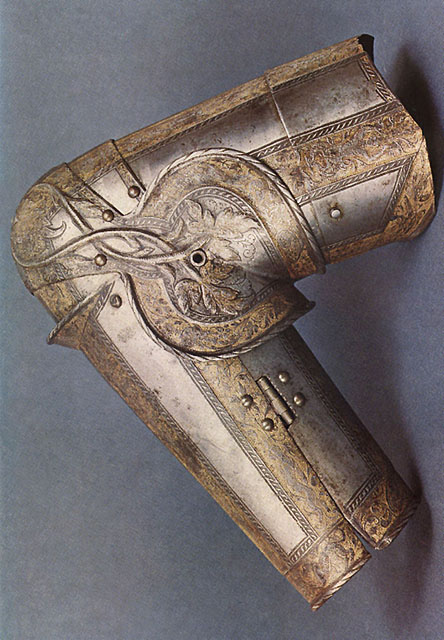
Florence, Museo Stibbert, Augsburg, 1559: Left upper vambrace for the field
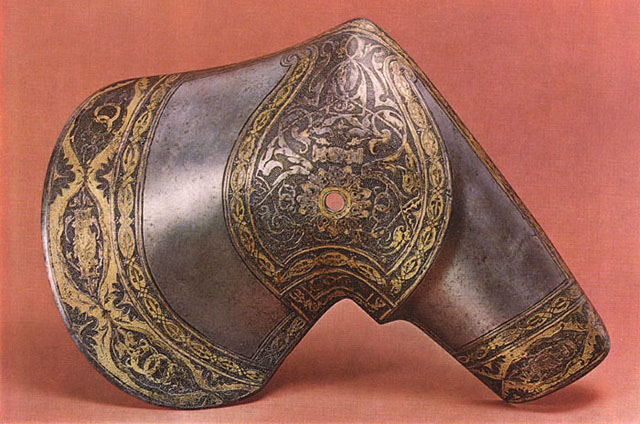
Florence, Museo Stibbert, France, 1600-1610: Left gauntlet
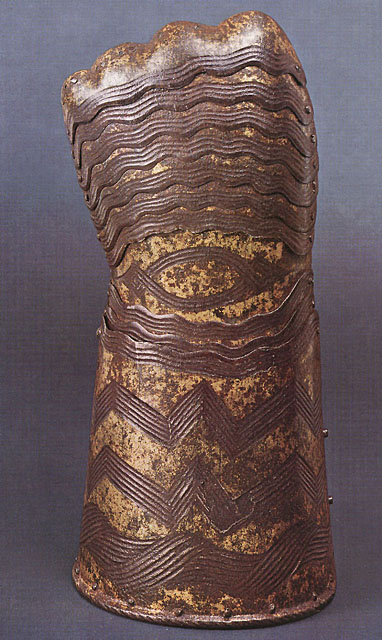
Florence, Museo Stibbert, Lucio Piccinino, Milan, 1580-85: Remains of a tasset lame
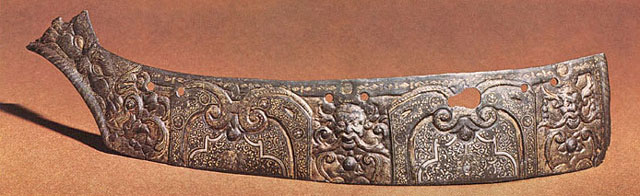
Florence, Museo Stibbert, Netherlands, 1630-40: Right reinforcing gauntlet
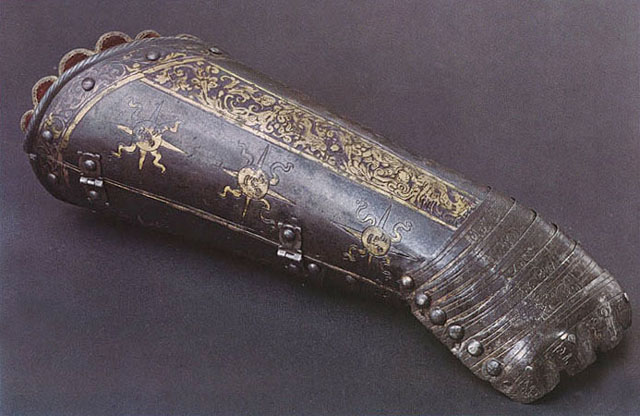
Florence, Museo Stibbert, Left leg harness
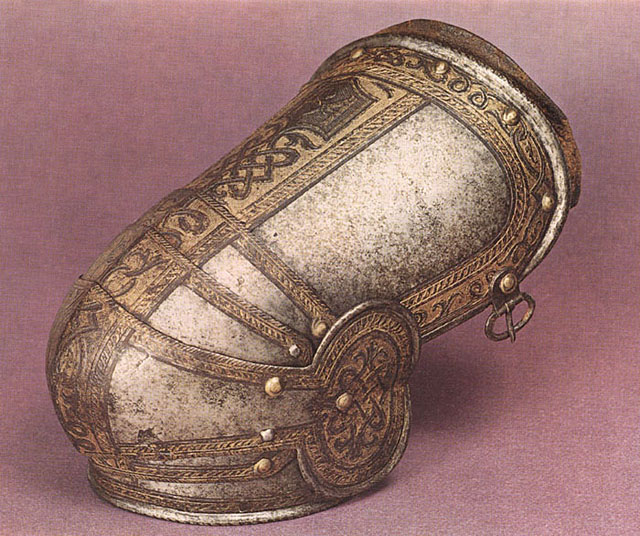
Florence, Museo Stibbert, Italy, 1520: Left knee cop
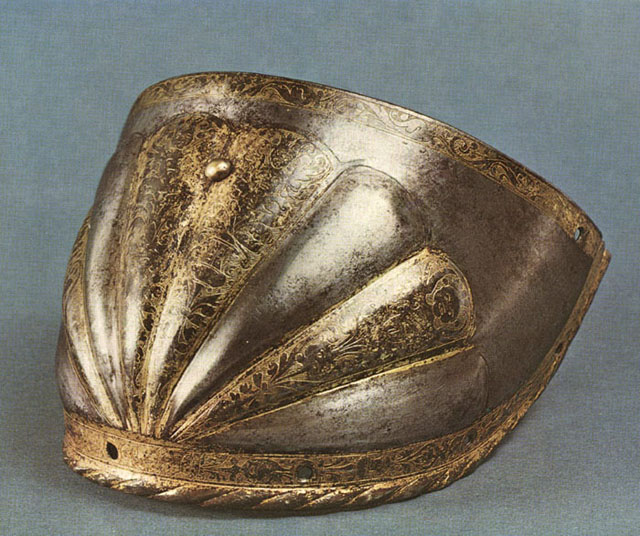
Florence, Museo Stibbert, Northern Italy, late 1300s: carousel round shield
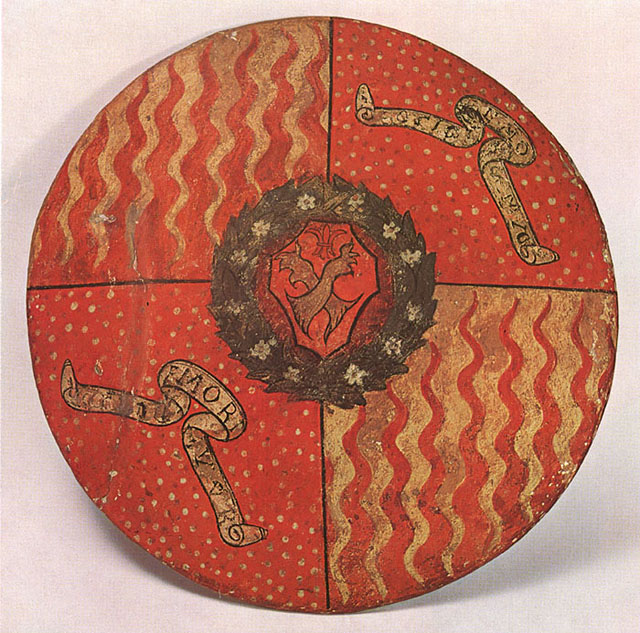
Florence, Museo Stibbert, Venice, fine1500: Round shield
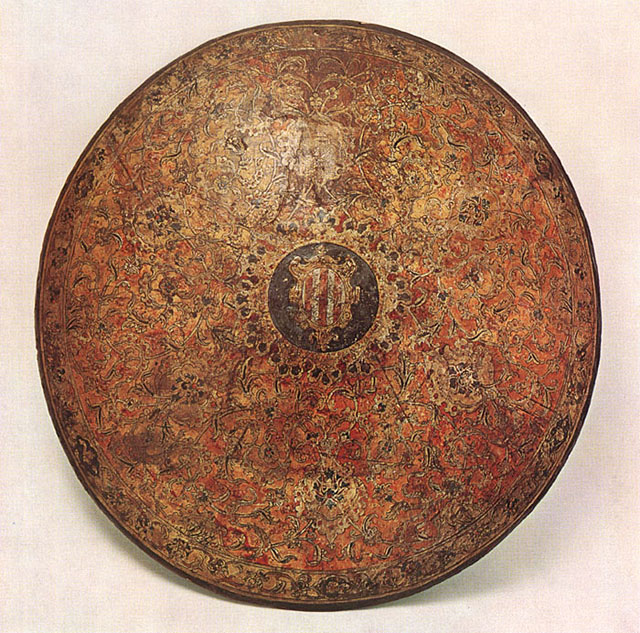
Florence, Museo Stibbert, Spain (?), Begun 1300: Right prick spur
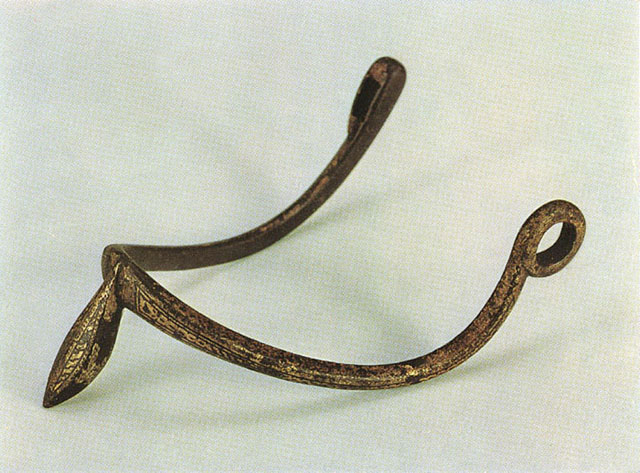
Florence, Museo Stibbert, France, 1350-60: Pair of spurs
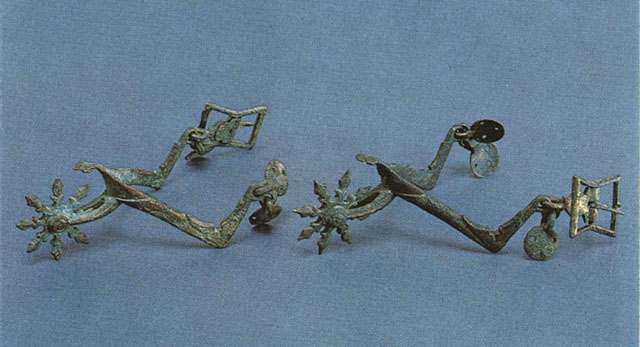
Florence, Museo Stibbert, Germany, 1400-1420: Pair of spurs
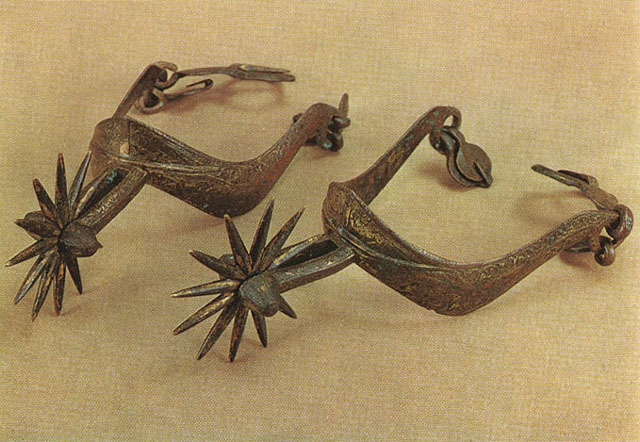
Florence, Museo Stibbert, Central-Eastern Europe, 1450-80: pair of spurs
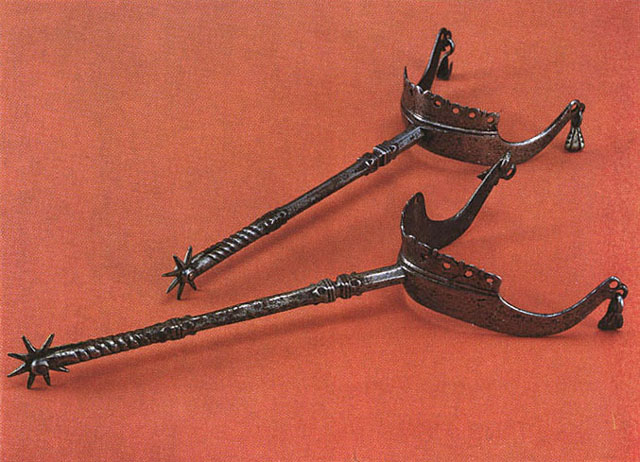
Florence, Museo Stibbert, England, 1610-30: Left spur
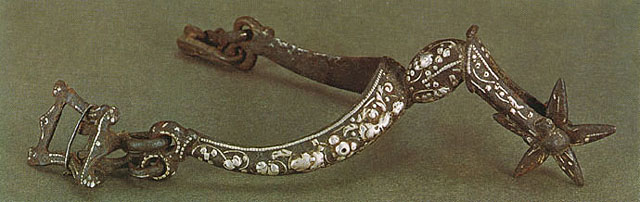
Florence, Museo Stibbert, Spain, late 1700s: pair of spurs
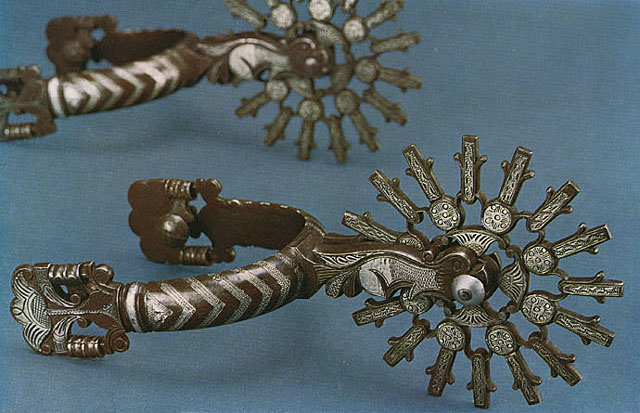
Florence, Museo Stibbert, Austria (?) 1560: Muzzles
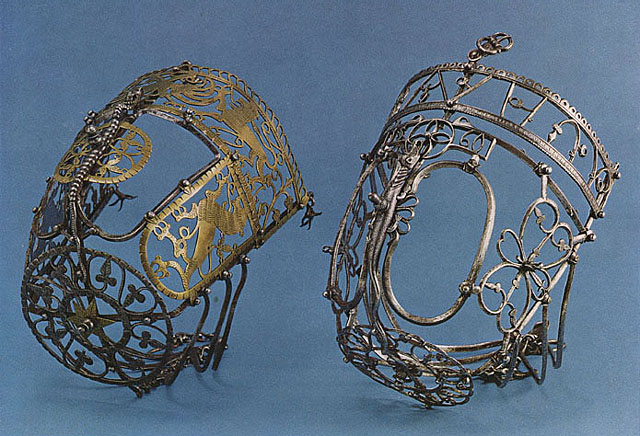
Florence, Museo Stibbert, Anton Peffenbauser (?), Augsburg, 1550-60: Remains of a chanfron
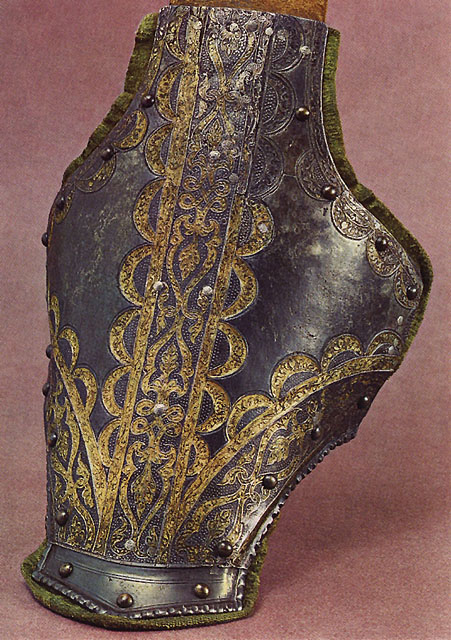
Florence, Museo Stibbert, Transylvania (?), 1620: Bit
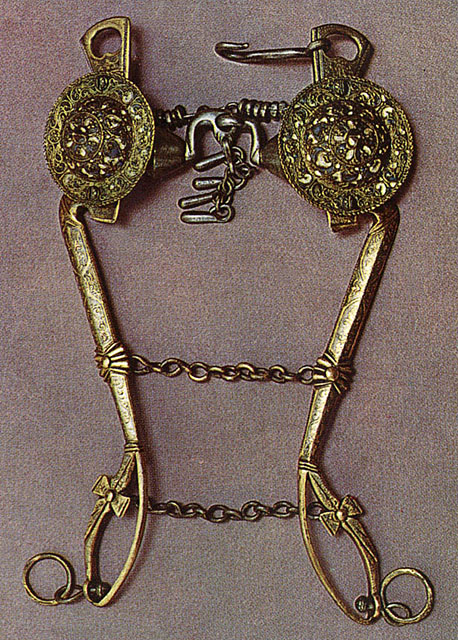
Florence, Museo Stibbert, Ercole dei Fedeli, Ferrara, 1480-1500: Cinquedea blade
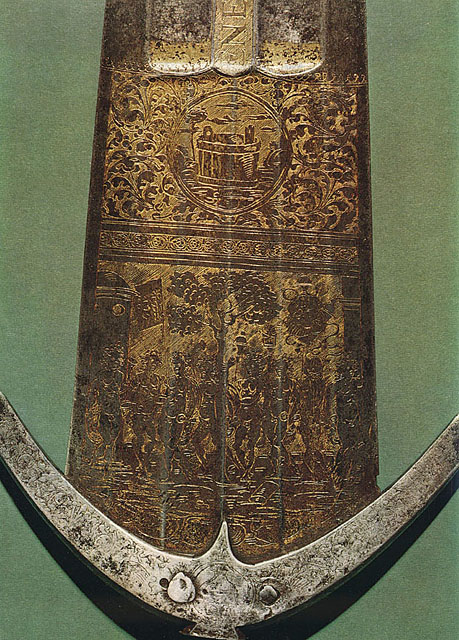
Florence, Museo Stibbert, Italy, 1570: Side sword
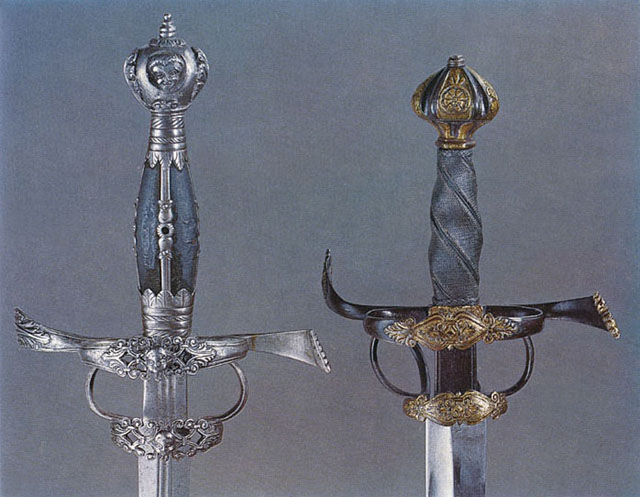
Florence, Museo Stibbert, Veneto, 1650: Schiavona
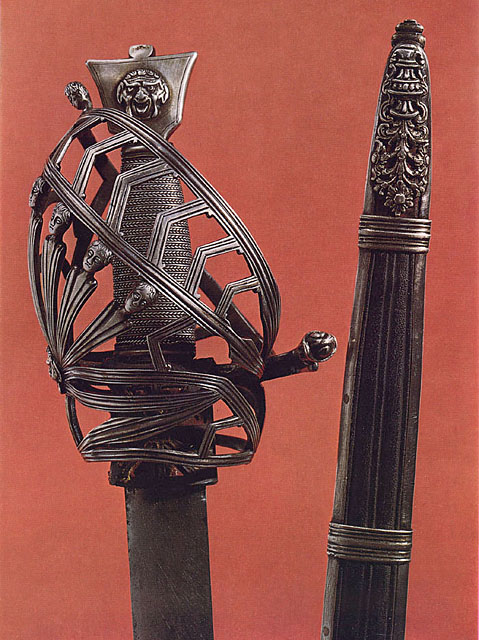
Florence, Museo Stibbert, Europe, 1600: Side sword
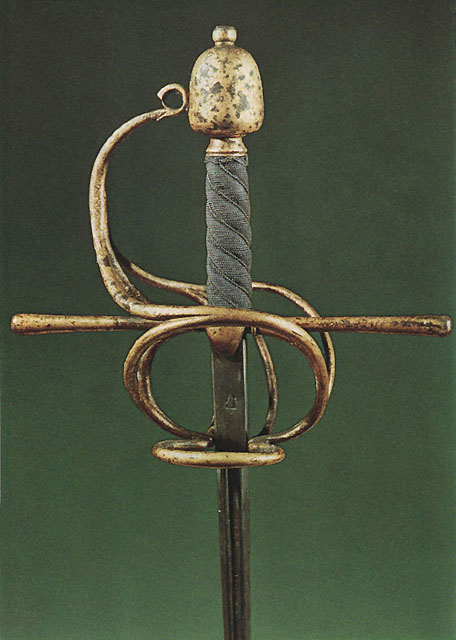
Florence, Museo Stibbert, Europe, 1600: Side sword.
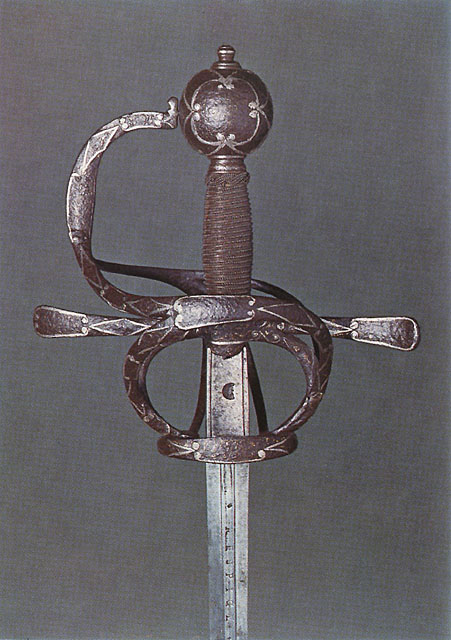
Florence, Museo Stibbert, France or the Netherlands, 1600-20: Side sword
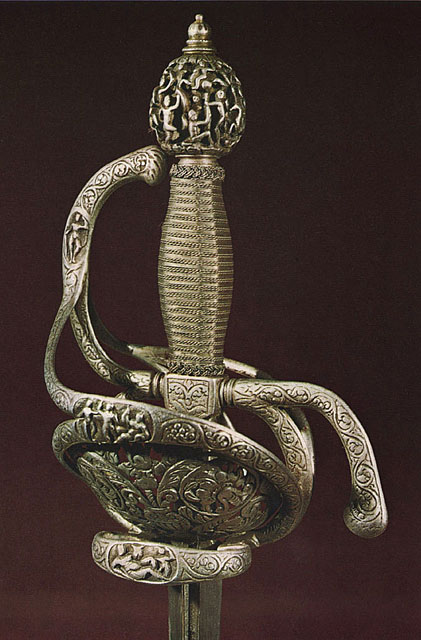
Florence, Museo Stibbert, France or the Netherlands, 1600-20: Side sword
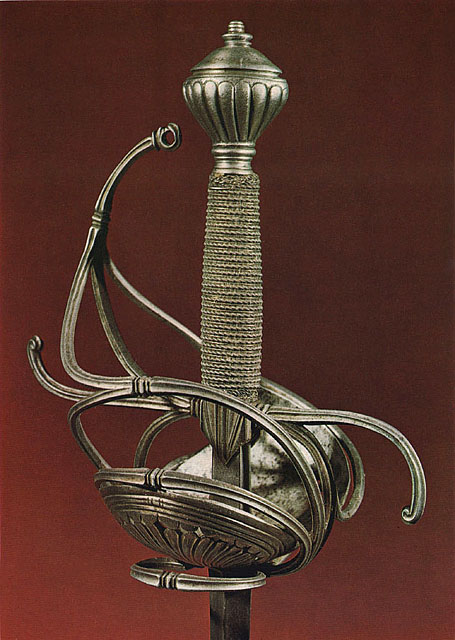
Florence, Museo Stibbert, Spain and Germany (?) 1660-70: Spanish-style sword
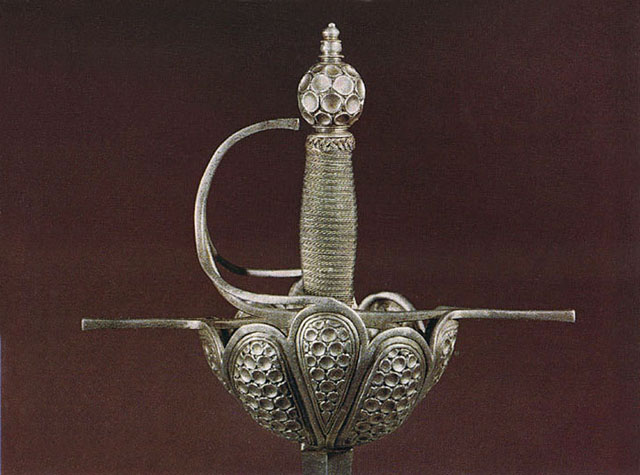
Florence, Museo Stibbert, Italy (?), 1670: Spanish-style sword
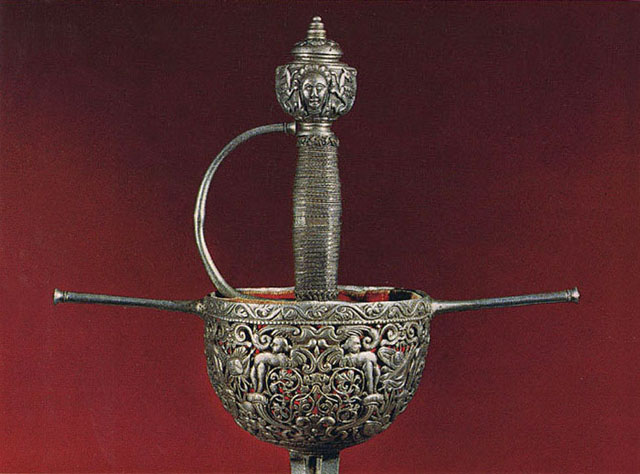
Florence, Museo Stibbert, Germany, 1670: Spanish-style sword
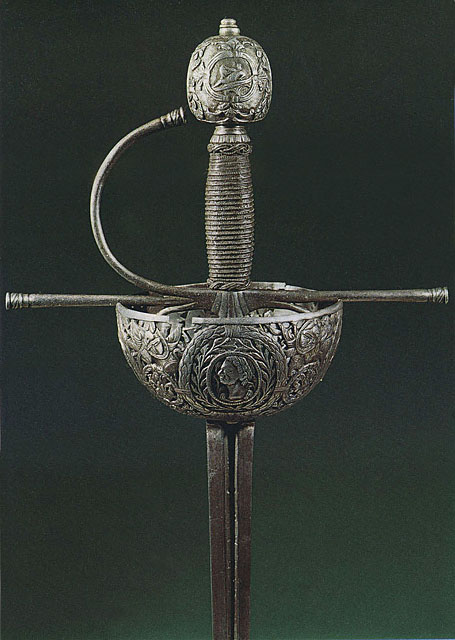
Florence, Museo Stibbert, Spain, 1670: Spanish-style sword
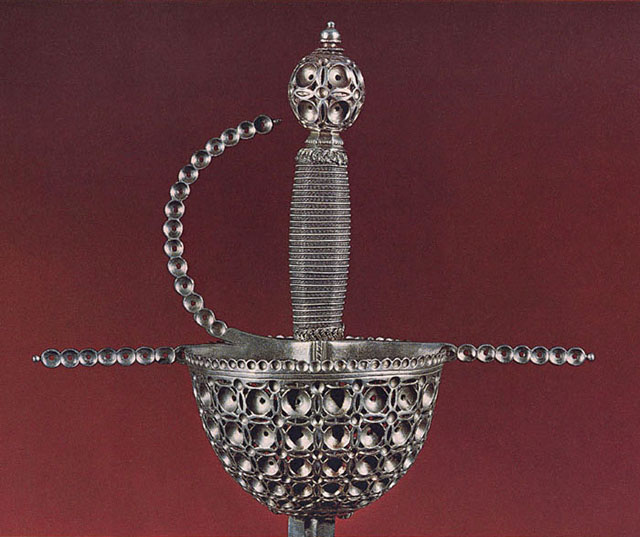
Florence, Museo Stibbert, Northern Europe, 1670: Spanish-style sword
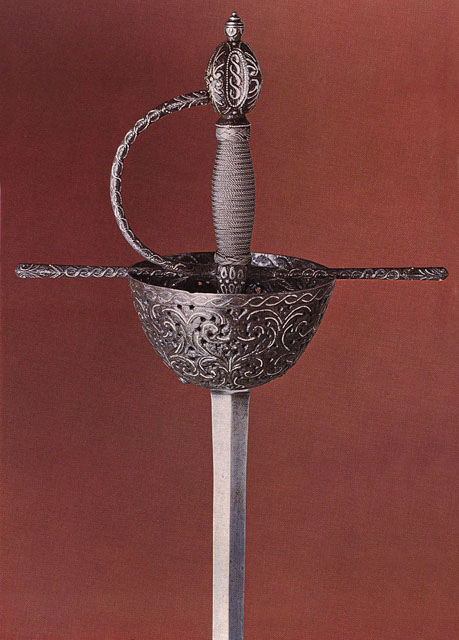
Florence, Museo Stibbert, Central-Western Europe, 1660: Small swords
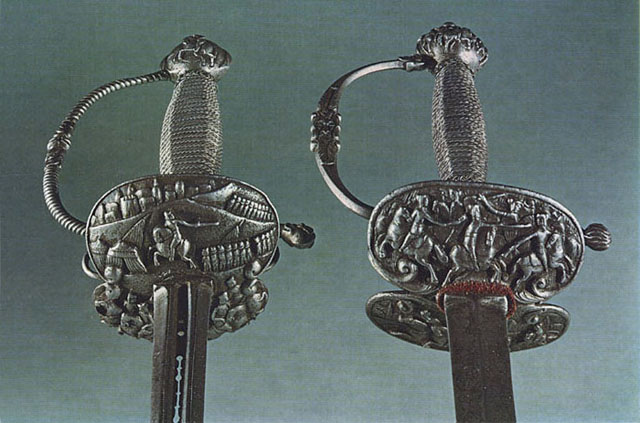
Florence, Museo Stibbert, Saxony, 1750: Small sword
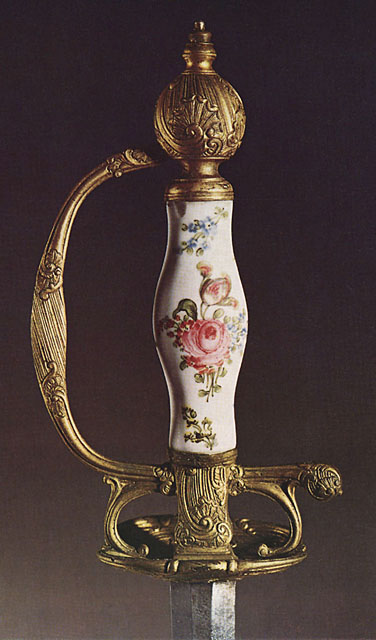
Florence, Museo Stibbert, Germany, 1750: Small sword
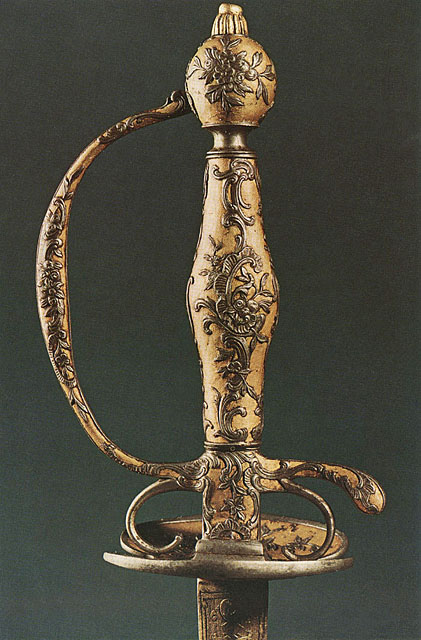
Florence, Museo Stibbert, Hunting hangers
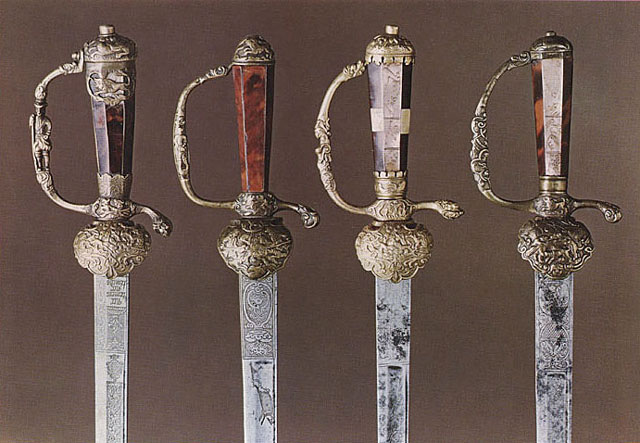
Florence, Museo Stibbert, England, 1610: Dagger
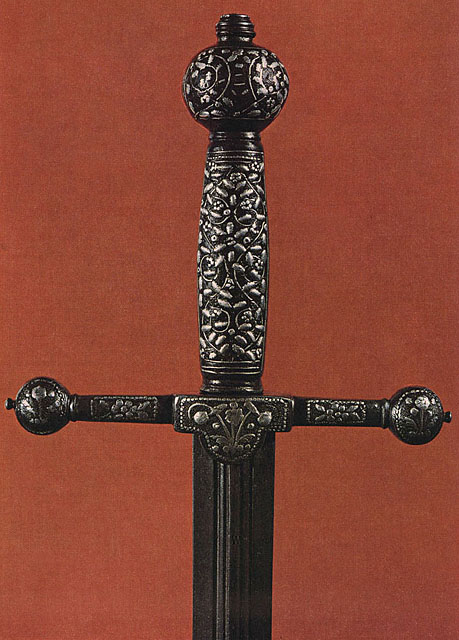
Florence, Museo Stibbert, Sword pommel
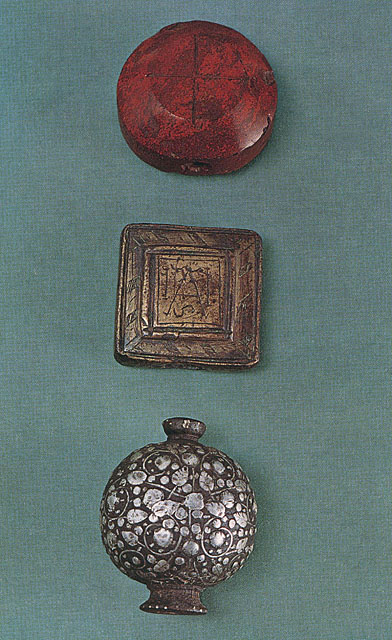
Florence, Museo Stibbert, Spontoons
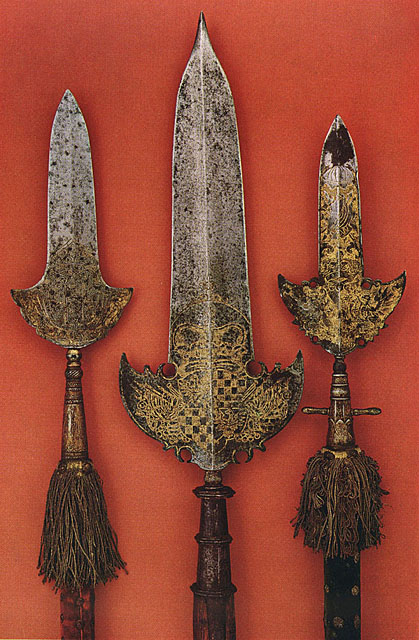
Florence, Museo Stibbert, France (?), 1730-50: Spontoon
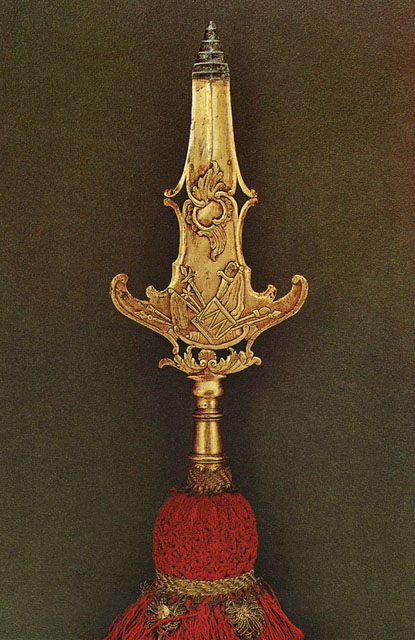
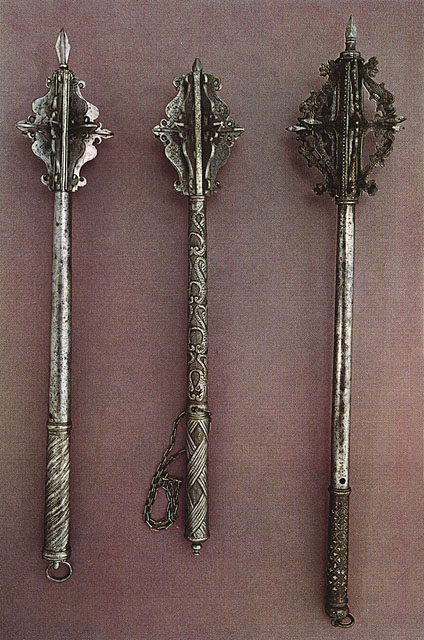
Florence, Museo Stibbert, Europe, 1570-80: Maces
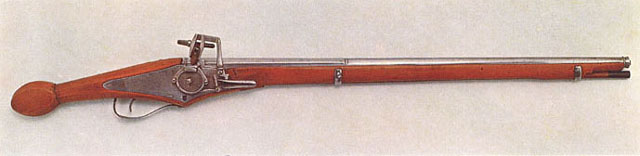
Florence, Museo Stibbert, Southern Germany, 1620: Rifled wheel-lock arquebus
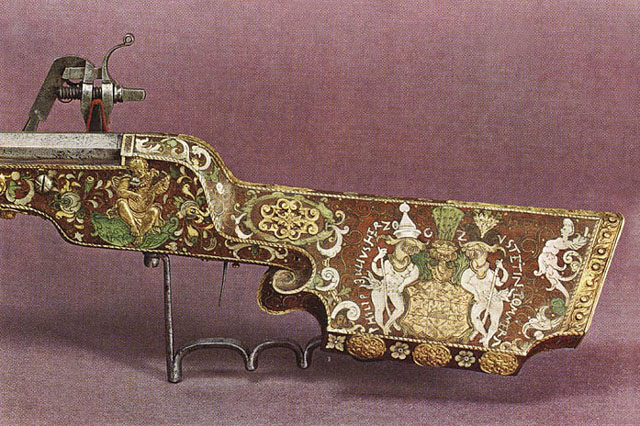
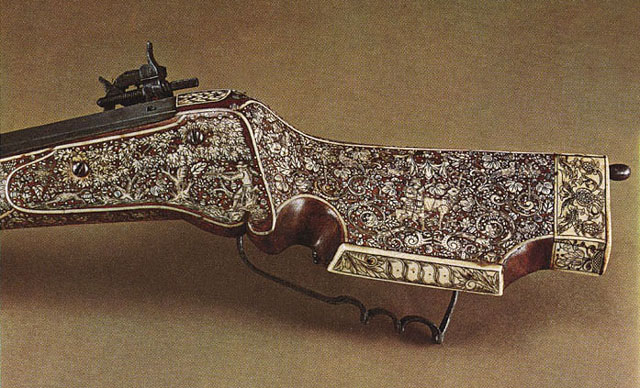
Florence, Museo Stibbert, Strasbourg, 1660: Rifled wheel-lock carbine
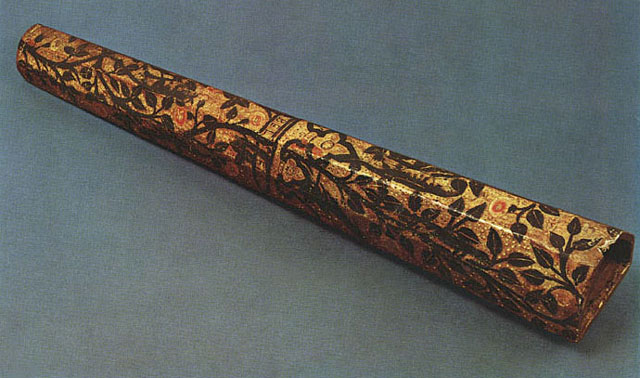
Florence, Museo Stibbert, Italy, late 1400s early 1500s: Quiver for arrows
Florence, Museo Stibbert, Armand Bongarde, Dusseldorf, 1700: Long flintlock arquebus
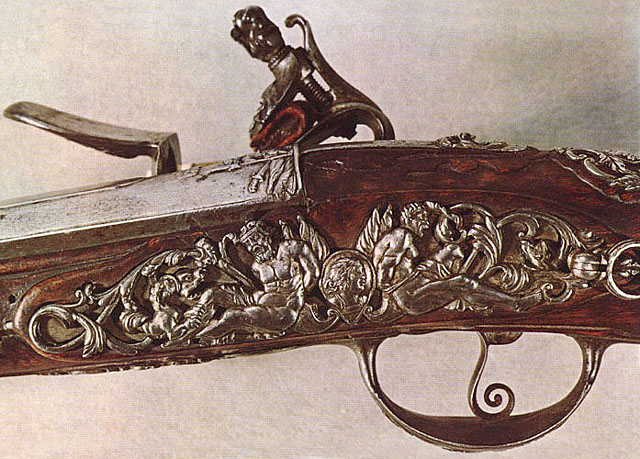
Florence, Museo Stibbert, Armand Bongarde, Dusseldorf, 1700: Long flintlock arquebus
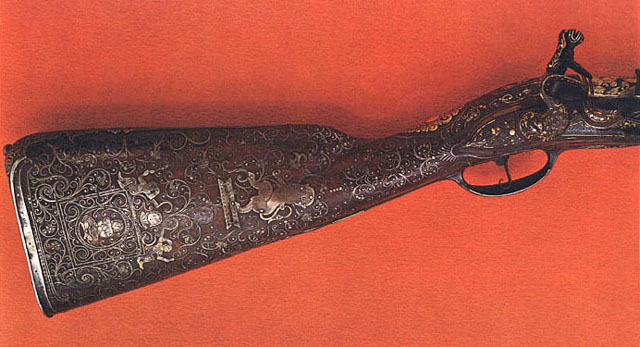
Florence, Museo Stibbert, Long flintlock arquebus
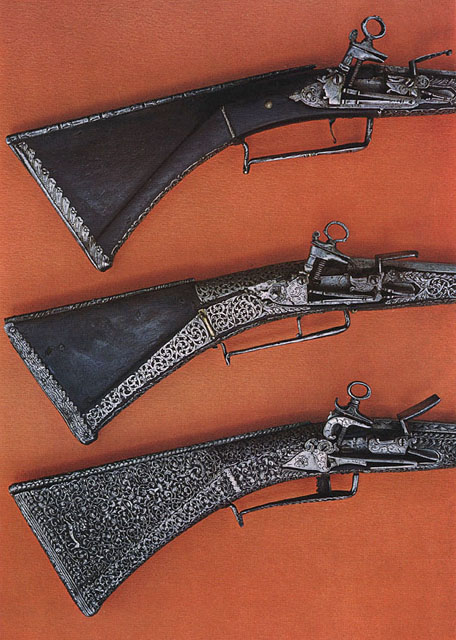
Florence, Museo Stibbert, Long flintlock arquebus
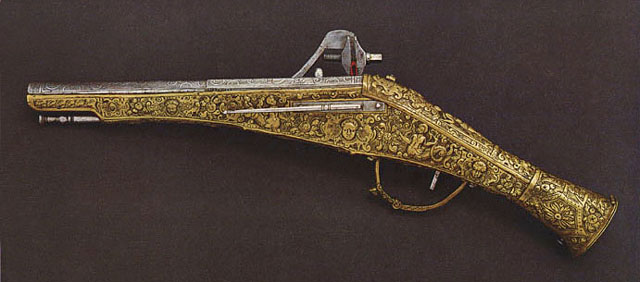
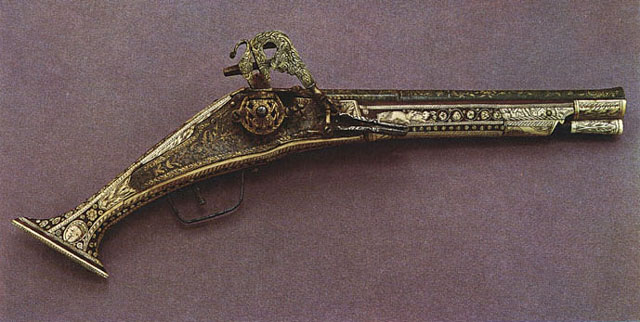
Florence, Museo Stibbert, Augsburg (?) 1590-1600: Small wheel-lock pistol
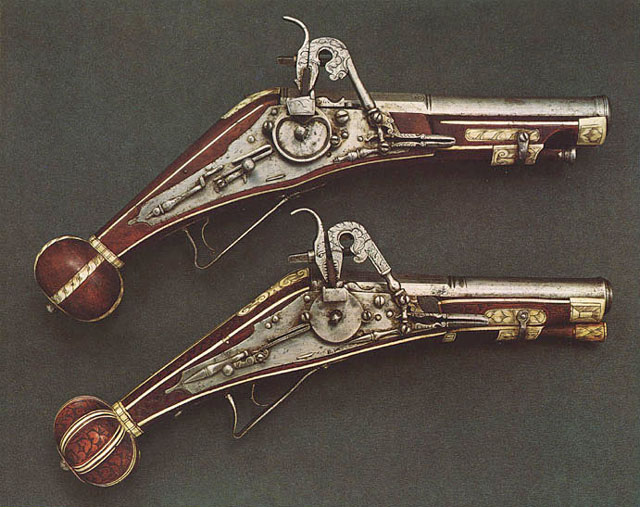
Florence, Museo Stibbert, Northern Germany, 1590: Wheel-lock pistol
Florence, Museo Stibbert, Northern Germany, 1590: Wheel-lock pistol
Florence, Museo Stibbert, Brescia, 1650: Long flintlock pistols
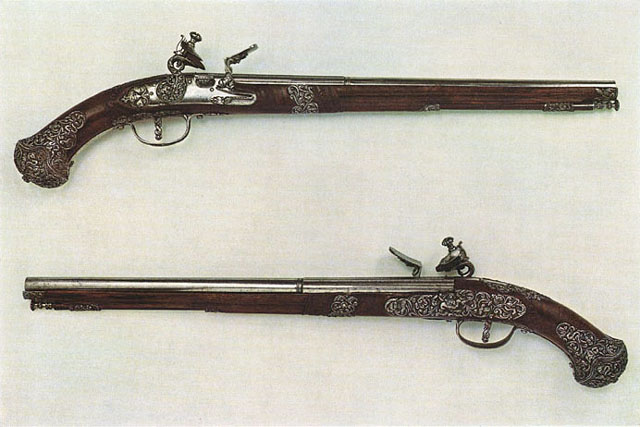
Florence, Museo Stibbert, Teschen. 1650: Long wheel-lock pistols
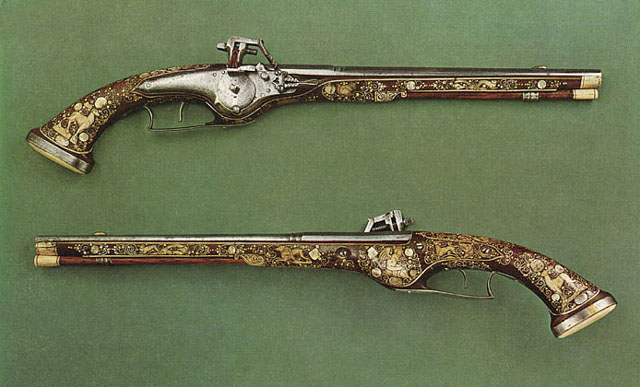
Florence, Museo Stibbert, Netherlands, 1670-80: Long flintlock pistol
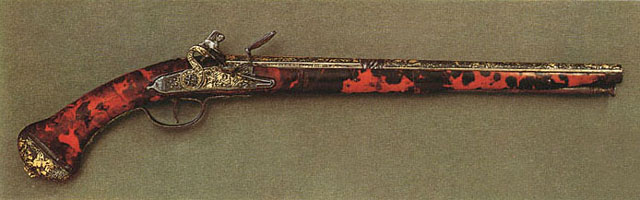
Florence, Museo Stibbert, Thaddaus Poltz, 1760: Short flintlock pistols
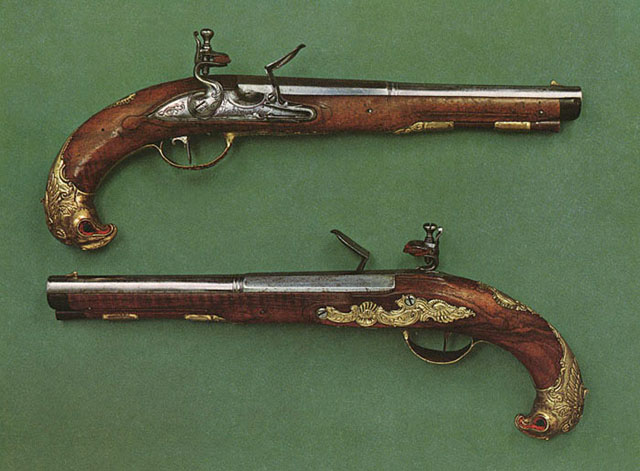
Florence, Museo Stibbert, Flintlock pistols
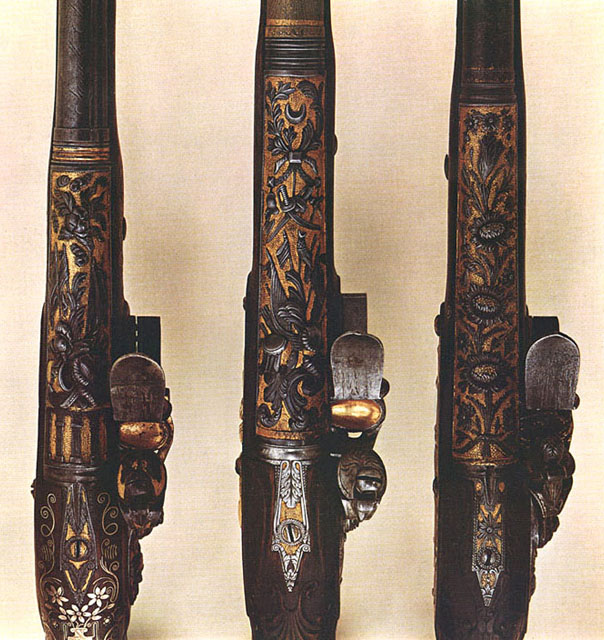
Florence, Museo Stibbert, J.B. Lamotte, St. Etienne, 1810: long flintlock pistols
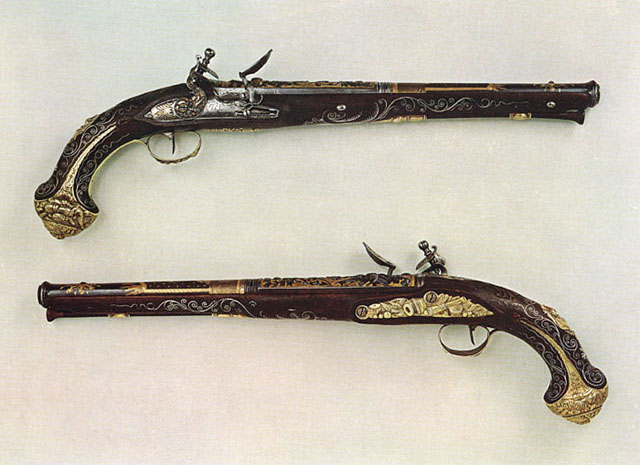
Florence, Museo Stibbert, Flintlock blunderbuss pistol
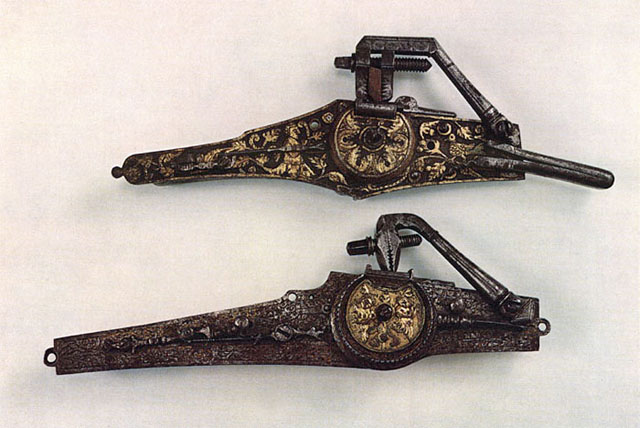
Florence, Museo Stibbert, Germany, mid-16th century: Wheel-lock for an arquebus
Florence, Museo Stibbert, Nuremberg (?), 1640: Self-spanning wheel-lock for an arquebus
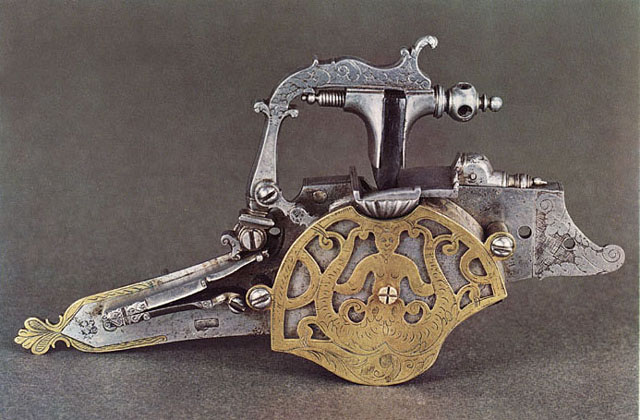
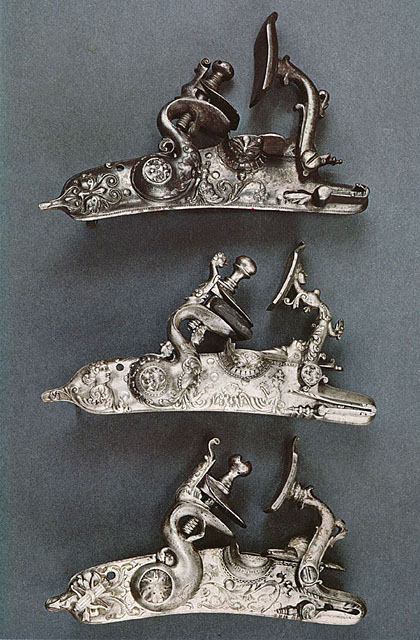
Florence, Museo Stibbert, Italy, 1790: Spanish-style lock
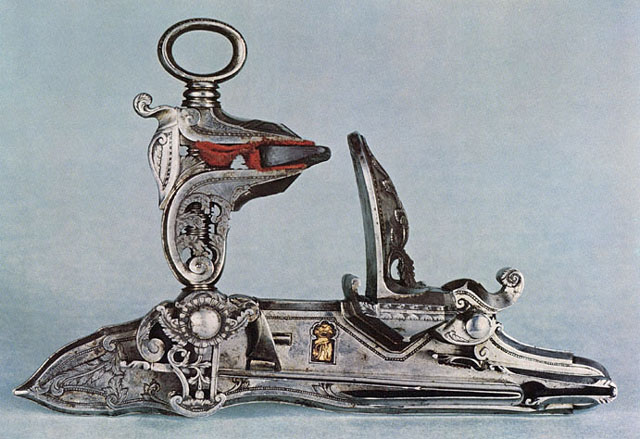
Florence, Museo Stibbert, L. Lamotte, St. Etienne, 1780: Pistol lock
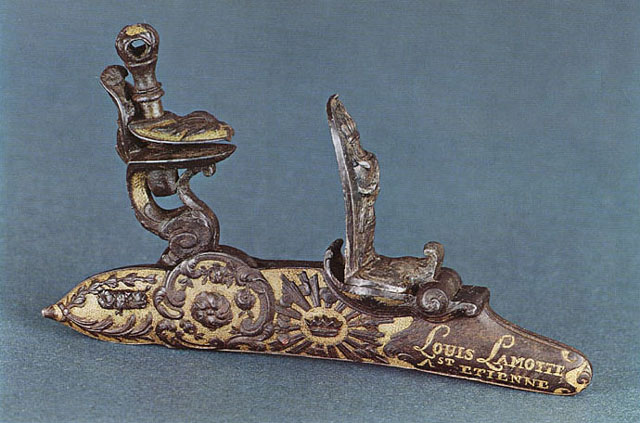
Florence, Museo Stibbert, Italy, 1730-1800: Florentine-style lock for an arquebus
Florence, Museo Stibbert, Europe, second half of the 19th century: Priming flask
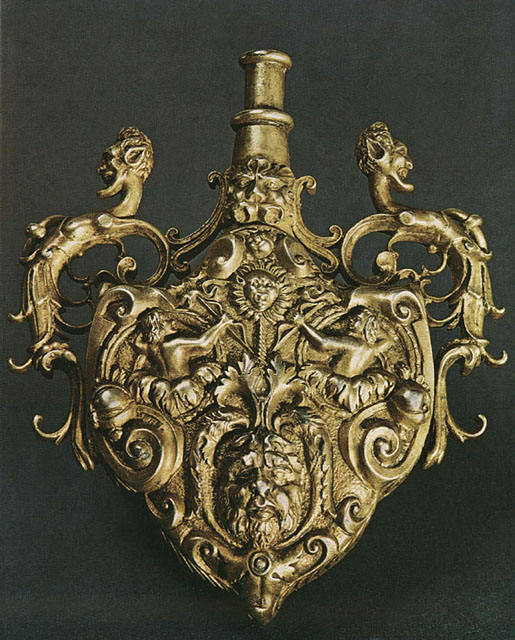
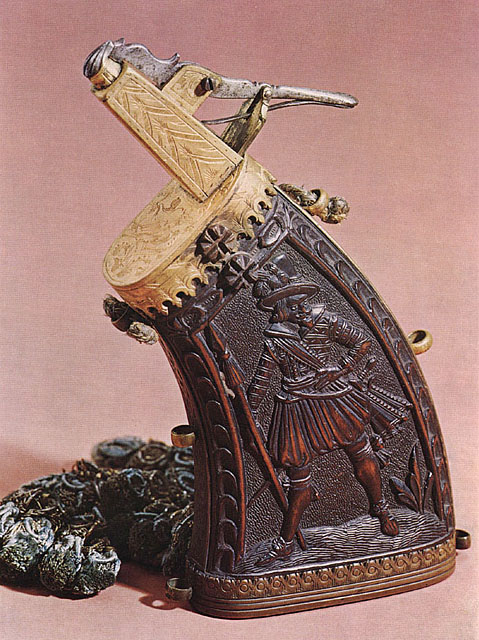
Florence, Museo Stibbert, Dresden, 1610: Flask
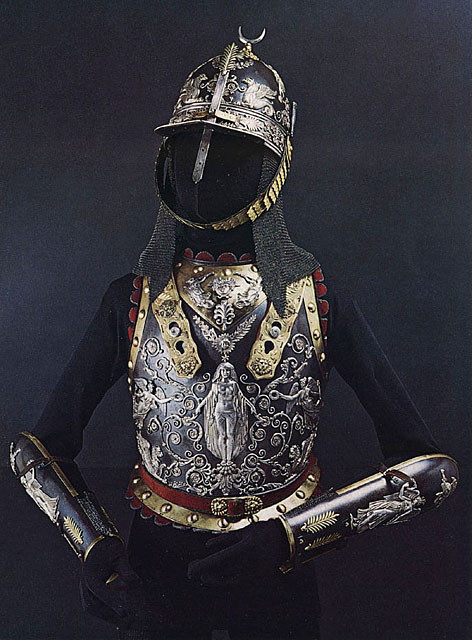
Florence, Museo Stibbert, Austria (?), 1810: Half armour in the Muslim style
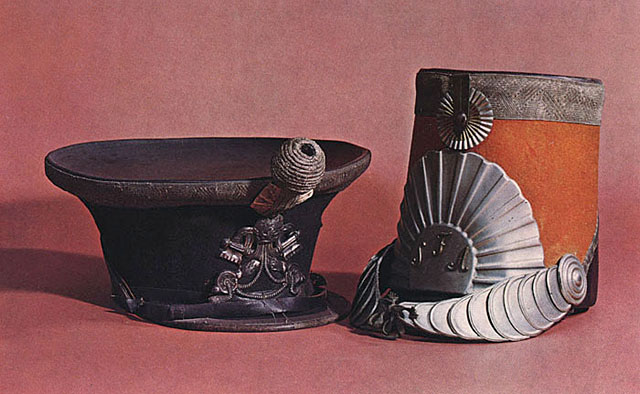
Florence, Museo Stibbert, Papal States, 1840: Shako - Papal States, 1830-40 Kepi
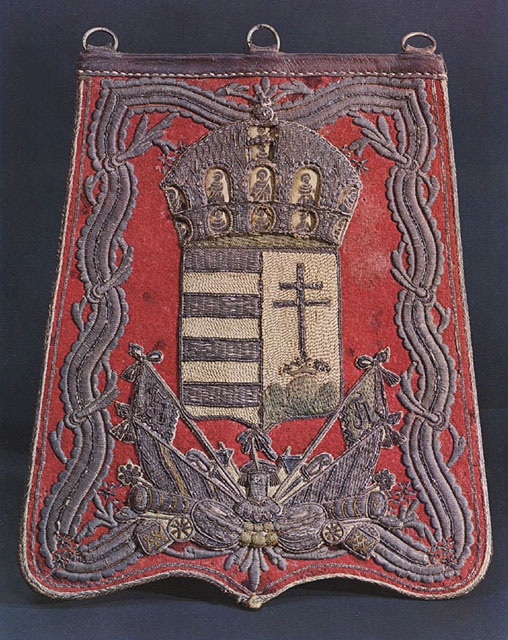
Florence, Museo Stibbert, Hungary, 1840: Hussar's sabretache
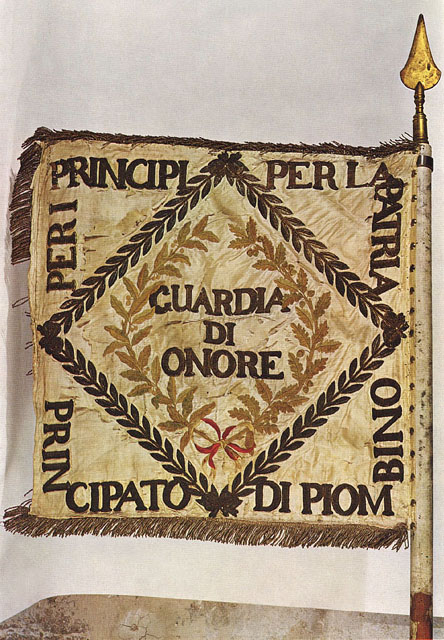
Florence, Museo Stibbert, Piombino, 1805-14: Flag of the Guard of Honour
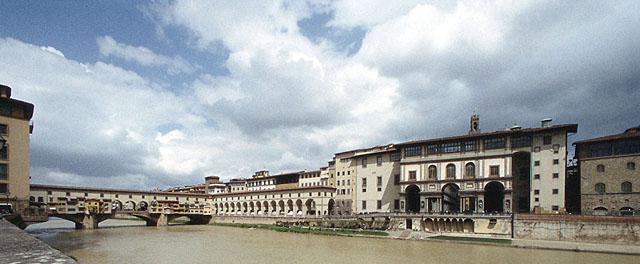
Pontevecchio
Uffizi Façade upon Lungarno with the Vasarian Corridor and the Ponte Vecchio seen from Oltr'Arno
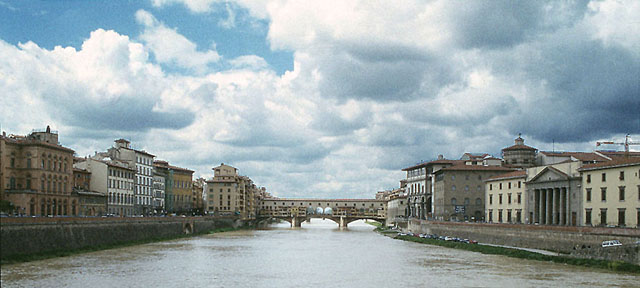
Florence, The Lungarni seen from Ponte alle Grazie
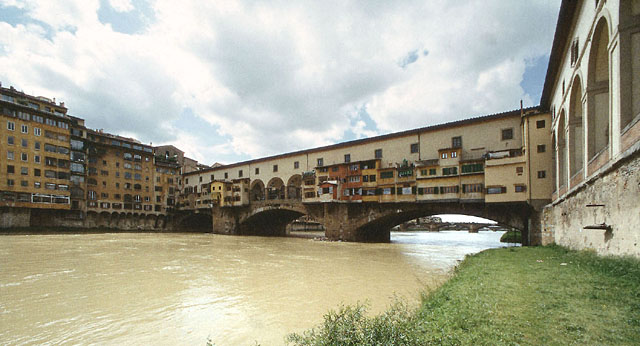
Florence, Ponte Vecchio, Detail of the back-shops supported by wooden struts
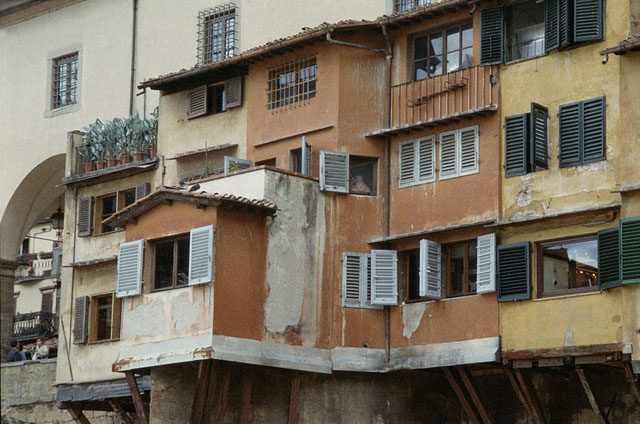
Florence, Ponte Vecchio, Central arches of the Pontevecchio with detail of the back-shops supported by wooden struts
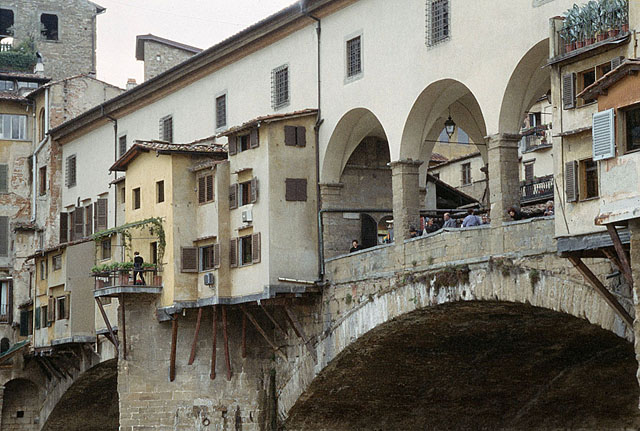
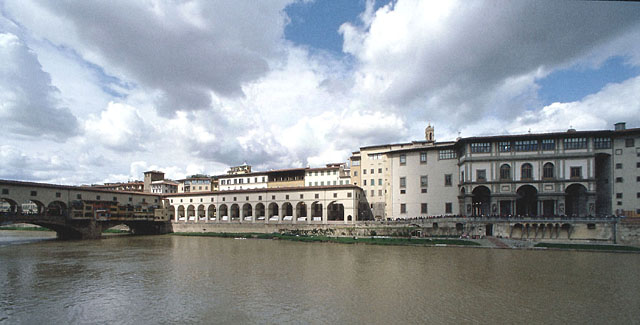
Florence, Ponte Vecchio, Corridoio Vasariano on the Lungarno
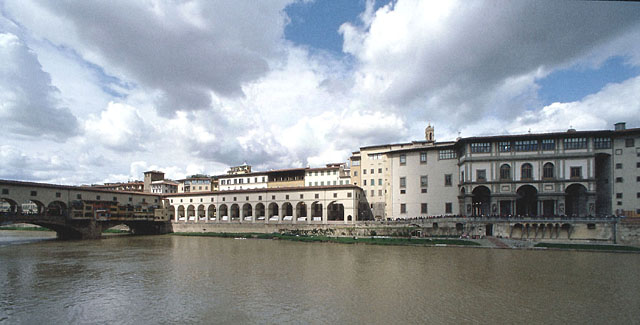
Florence, Ponte Vecchio, seen from the bank below
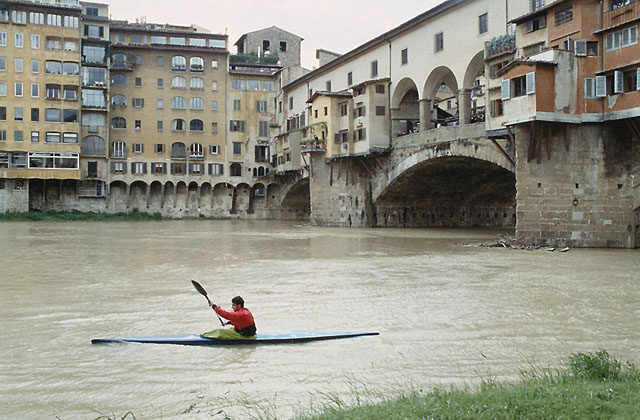
Florence, View of the Pontevecchio from the bank of the Arno
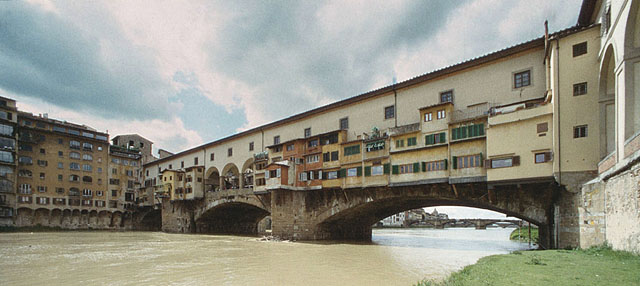
Florence, The Pontevecchio seen from Lungarno Acciaiuoli
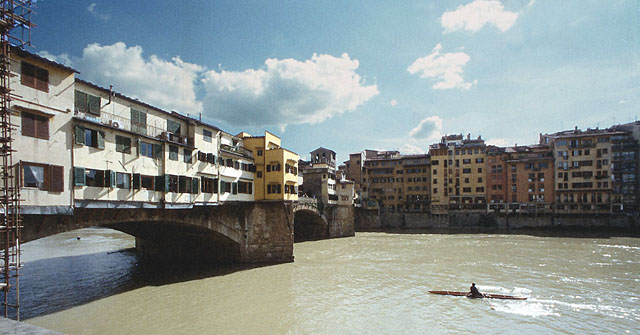
Florence, Ponte Vecchio seen from the Lungarno
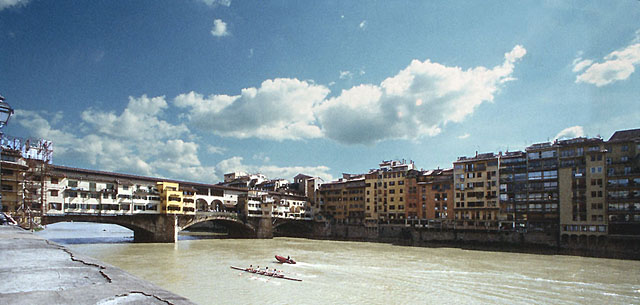
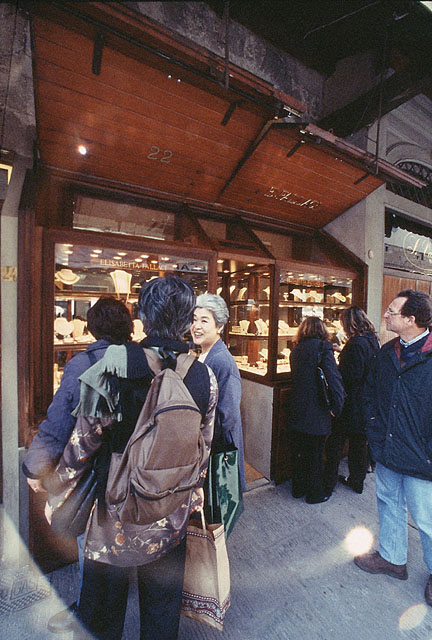
Florence, View of the goldsmiths' shops on the Pontevecchio
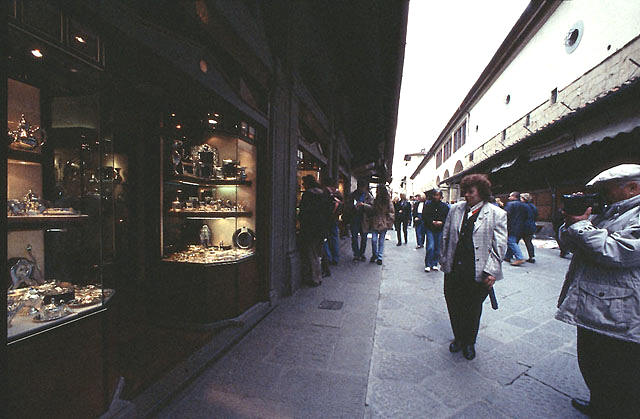
Florence, View of the goldsmiths' shops on the Pontevecchio
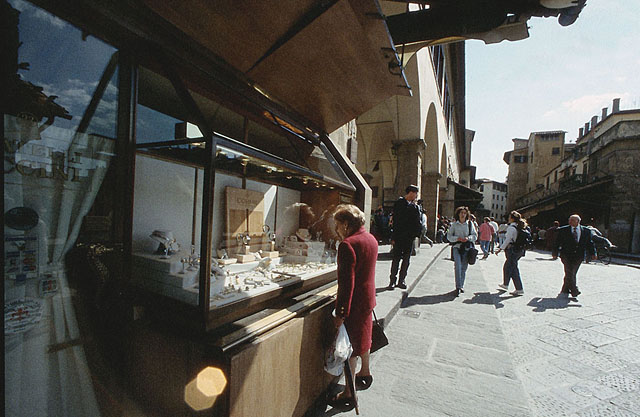
Florence, View of the goldsmiths' shops on the Pontevecchio
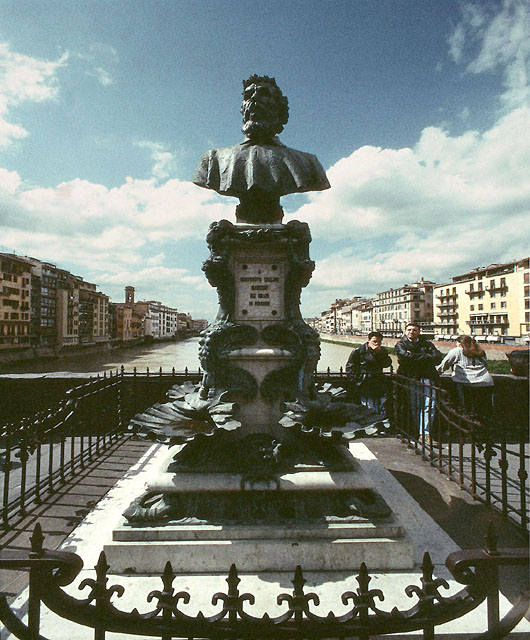
Florence, Monument to Benvenuto Cellini on Ponte Vecchio
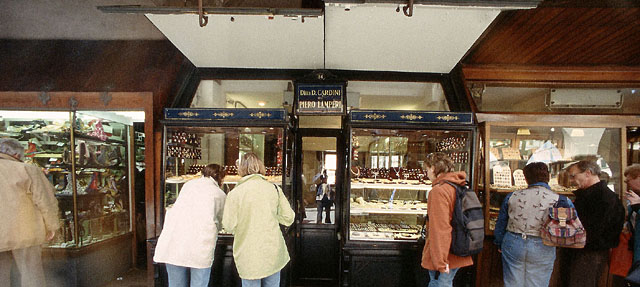
Florence, View of the goldsmiths' shops on the Pontevecchio
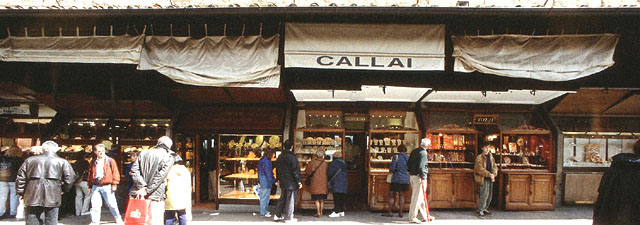
Florence, View of the goldsmiths' shops on the Pontevecchio
Florence, The Vasarian Corridor and the Pontevecchio seen from the bank of the Arno
Corridoio Vasariano
Florence, Uffizi Façade upon Lungarno with the Vasarian Corridor and the Ponte Vecchio seen from Oltr'Arno
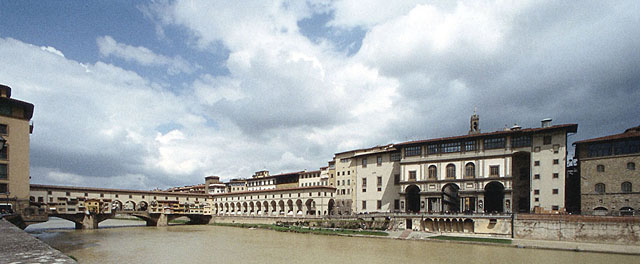
Florence, Corridoio Vasariano on the Lungarno
Florence, The Vasarian Corridor, supported by corbels, goes round the Mannelli tower
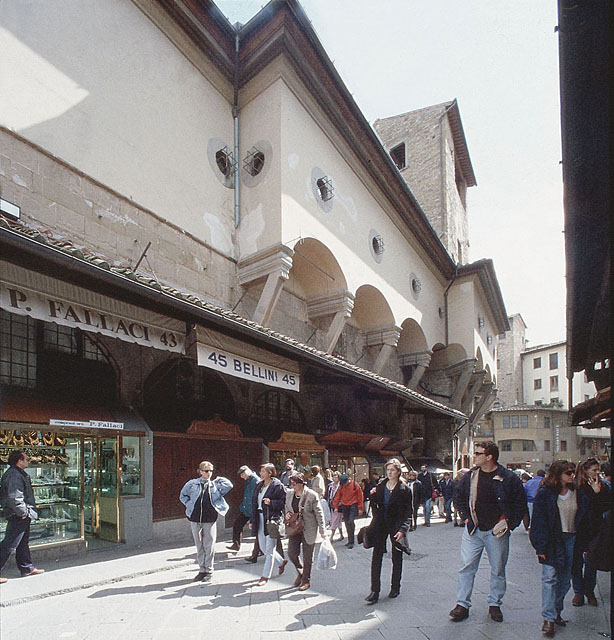
Florence, Junction of the Vasarian Corridor with the Pontevecchio
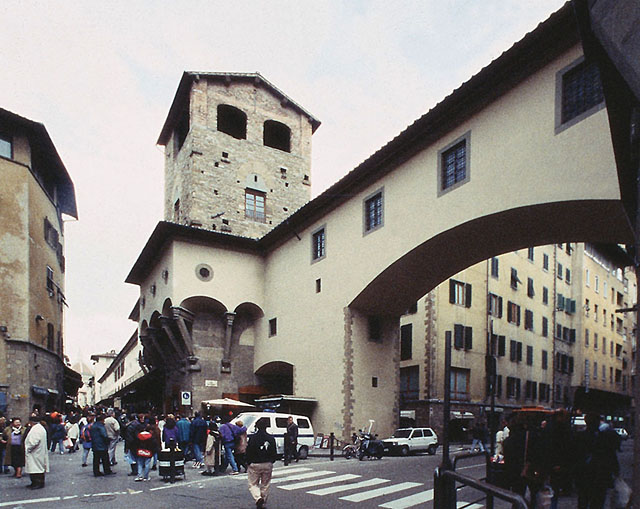
Florence, The Corridor over the 3 central arches of Pontevecchio
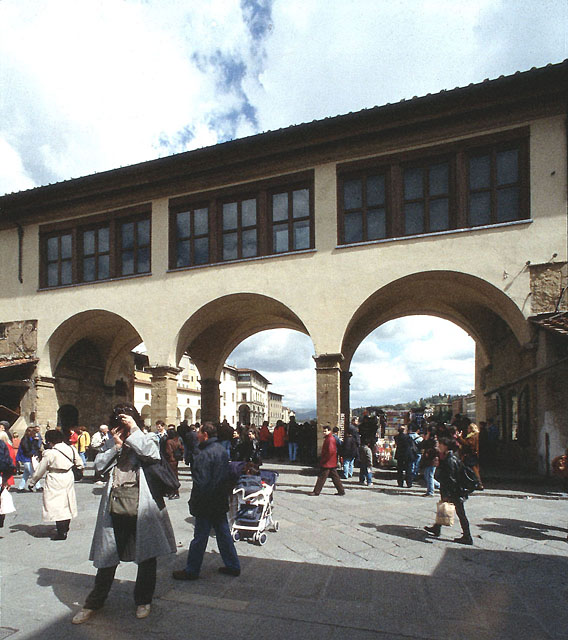
Florence, View of the Corridor going along Lungarno
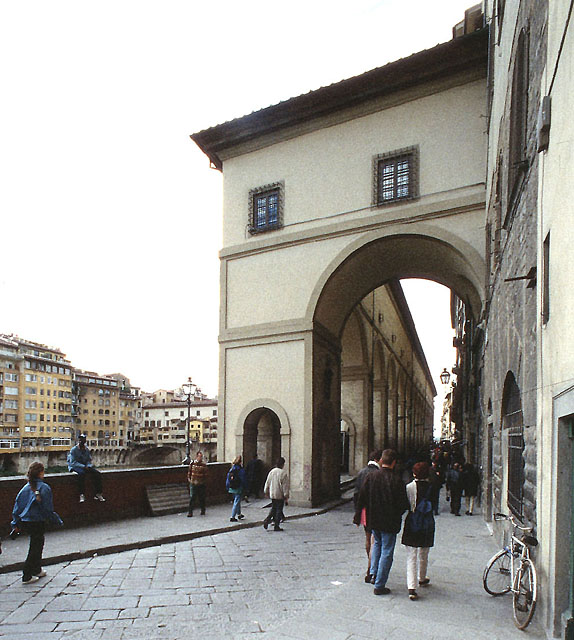
Florence, Lungarno Promenade bordering the Vasarian Corridor
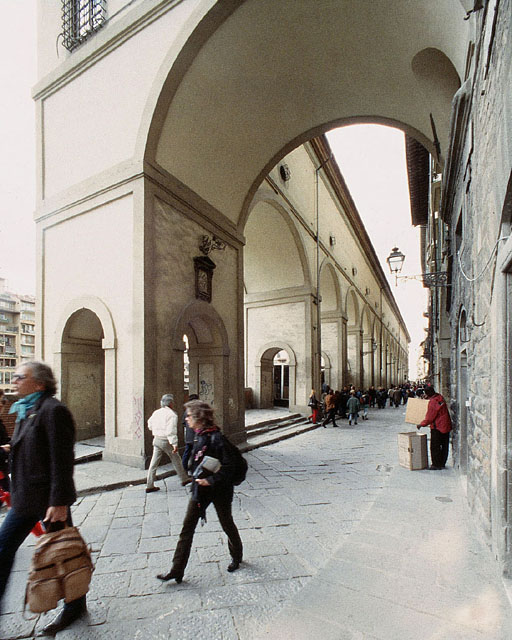
Museo Opera del Duomo
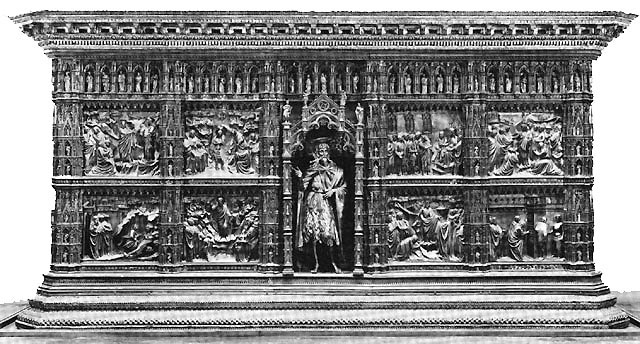
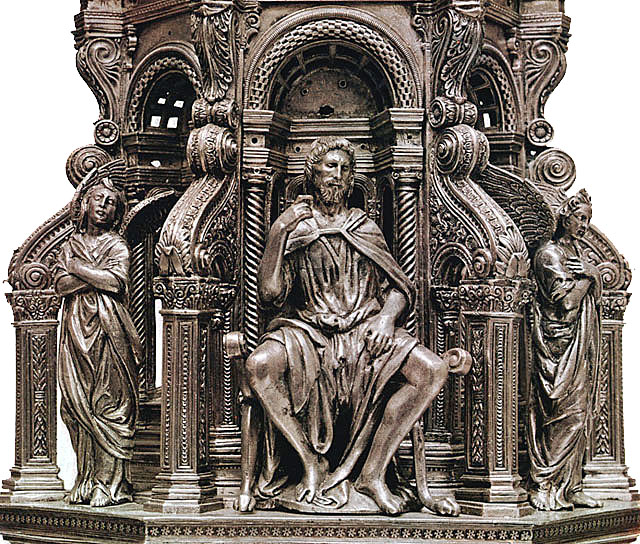
Museo dell'Opera del Duomo, Florence, the "Dossale" of San Giovanni.
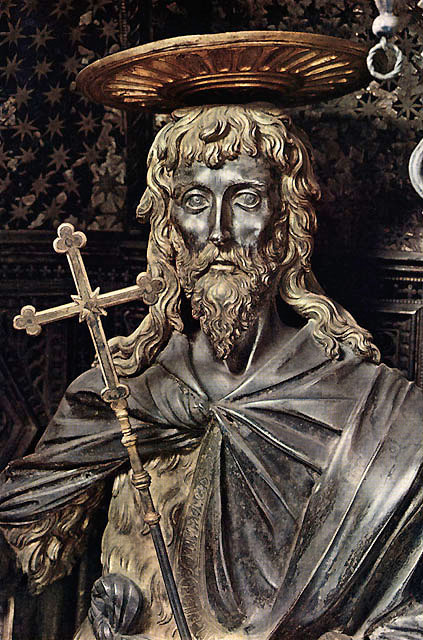
MOD in Florence, Michelozzo di Bartolommeo: St. John the Baptist
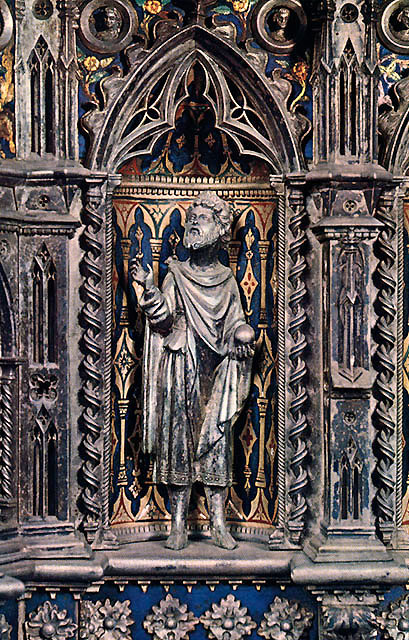
MOD in Florence, Florentine artist of the 14th century: Holy King
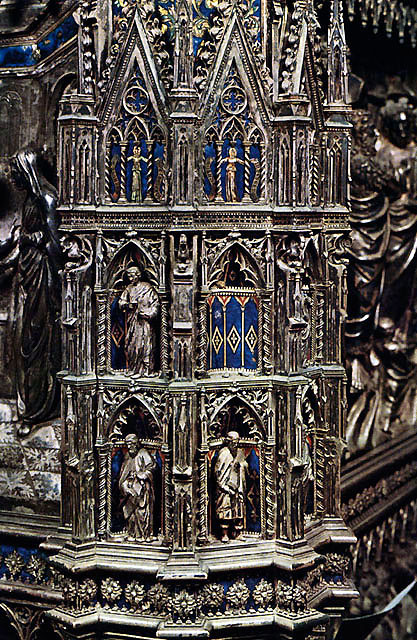
MOD in Florence, A corner pillar of the dossale
MOD in Florence, Betto di Geri (?) and followers: A middle pillar of the dossale
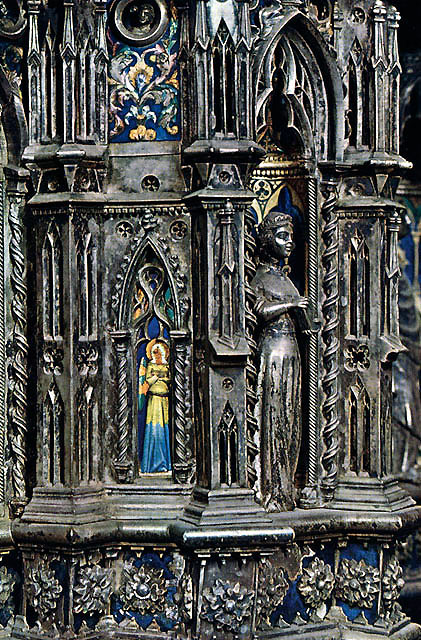
MOD in Florence, Florentine artist of the 14th century: Enamels on the pillars of the dossale.
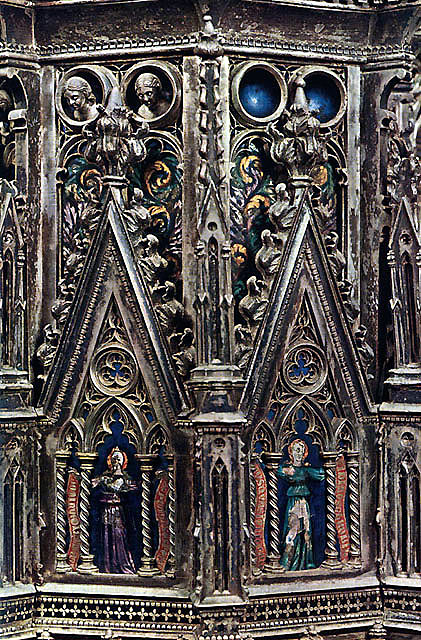
MOD in Florence, Leonardo di ser Giovanni and Betto di Geri (?): The Baptism of Christ
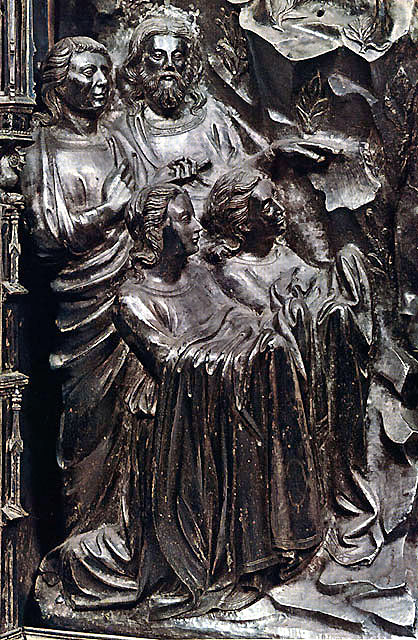
MOD in Florence, Leonardo di ser Giovanni and Betto di Geri (?): The Baptist before Herod
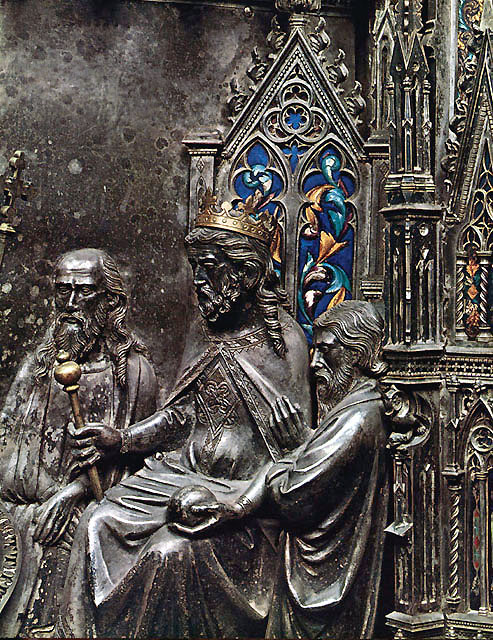
MOD in Florence, Leonardo di ser Giovanni and Betto di Geri (?): Christ receives the messengers of John
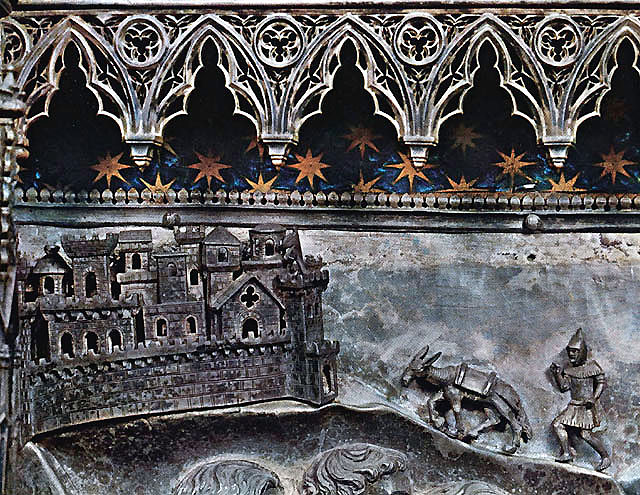
MOD in Florence, Leonardo di ser Giovanni and Betto di Geri (?): Saint John heads for the Desert
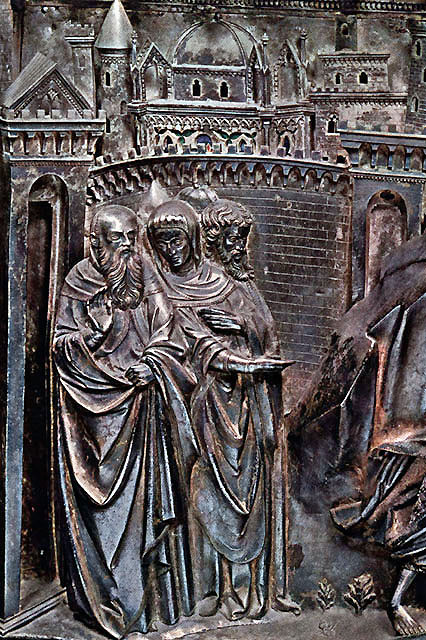
MOD in Florence, Andrea del Verrocchio: The Beheading of the Baptist
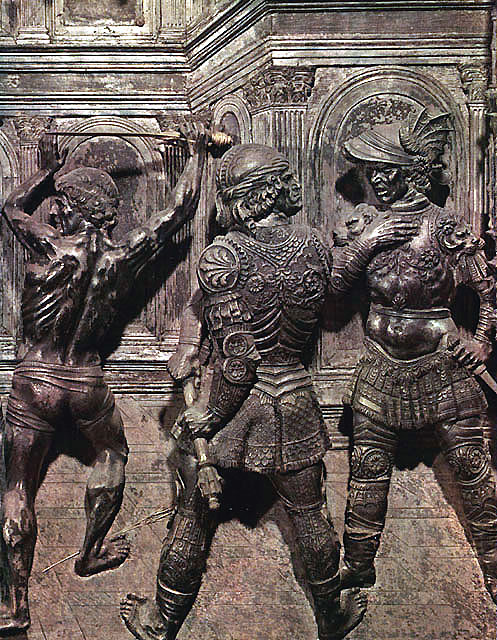
MOD in Florence, Antonio del Pollaiolo: The Birth of the Baptist
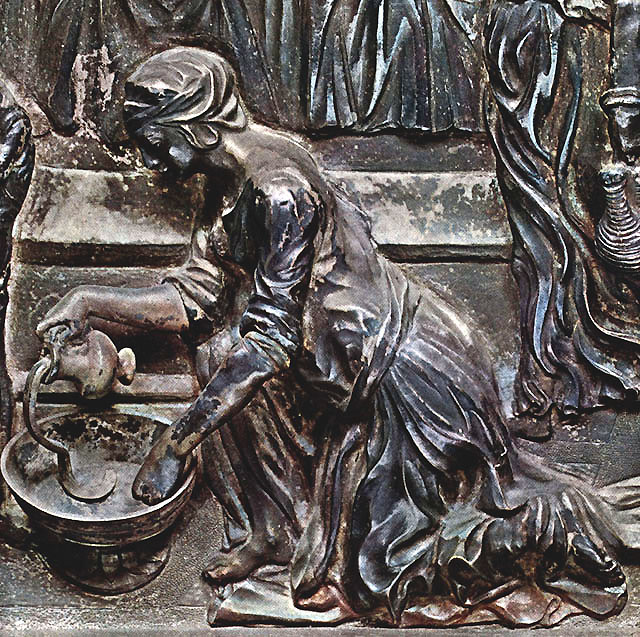
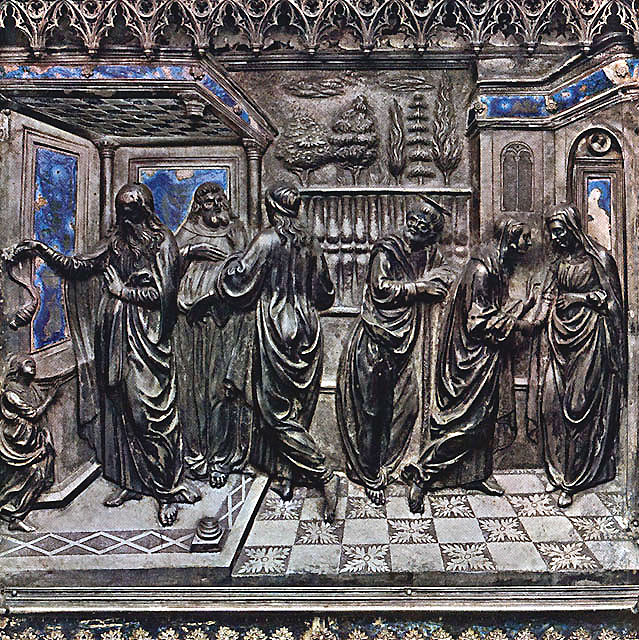
MOD in Florence, Bernardo Cennini: The Announcement to Zachariah and the Visitation
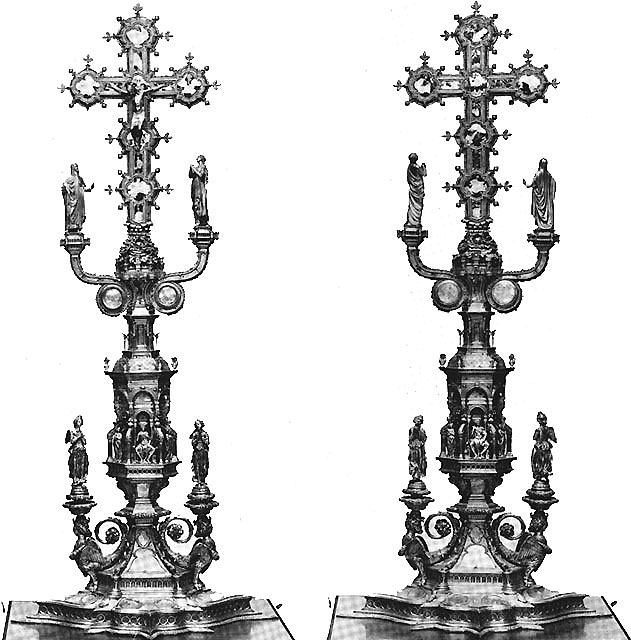
MOD in Florence, The Silver Cross from the Altar of St. John.
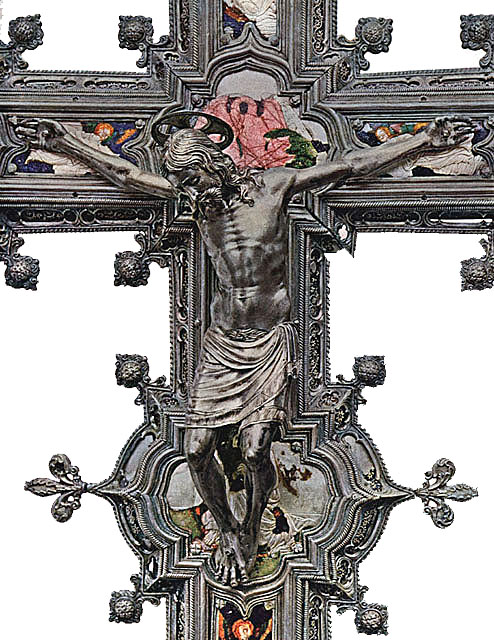
MOD in Florence, Bernardo Cennini: The Crucifix of the Silver Cross.
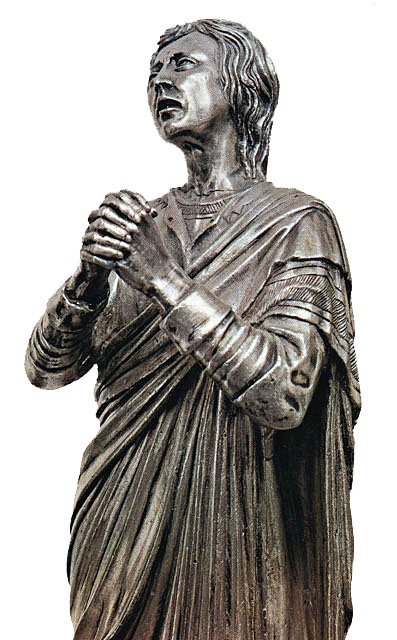
MOD in Florence, Bernardo Cennini: Saint John Mourning, particolare.
MOD in Florence, The Baptist and Two Angels, detail of the Silver Cross (front of the tempietto).
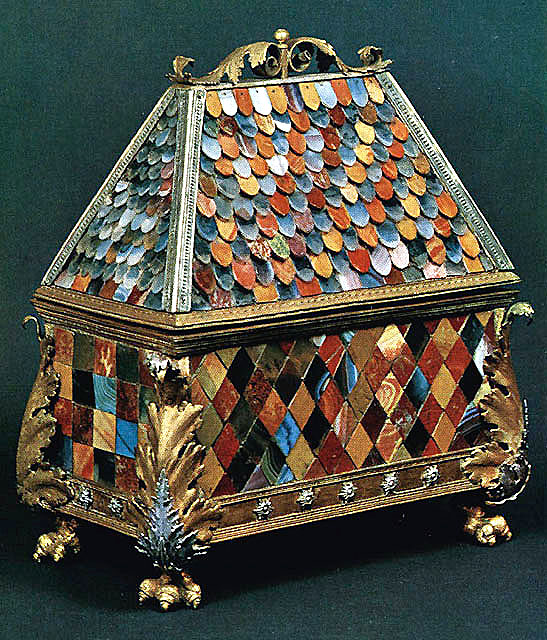
MOD in Florence, Pietre dure casket.
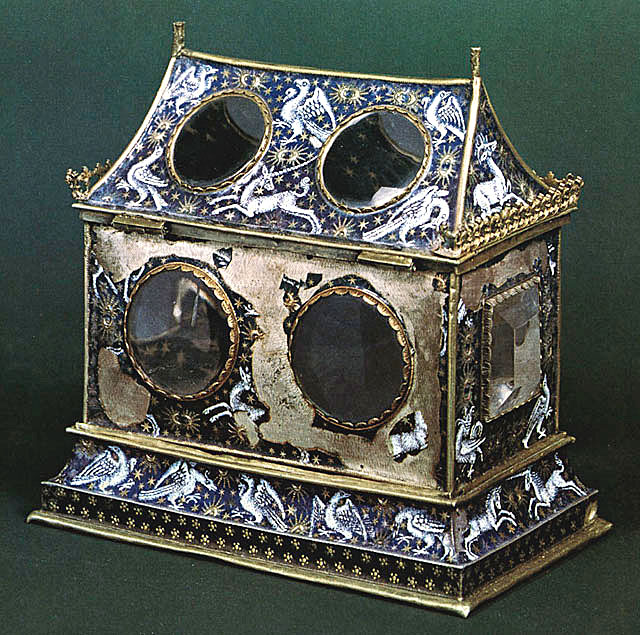
MOD in Florence, Venetian art of the 15th century (?): Casket with enamels.
MOD in Florence, Paolo di Giovanni Sogliani (1501): Reliquary of the "Libretto".
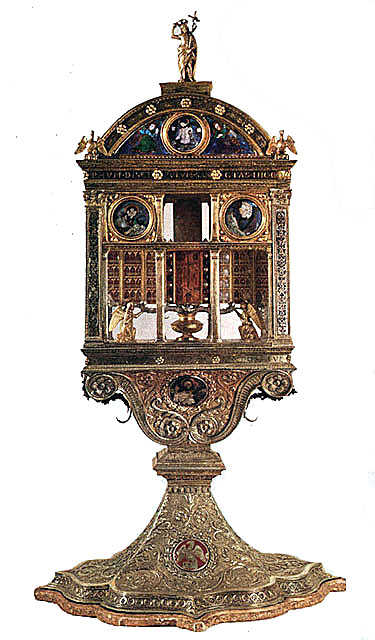
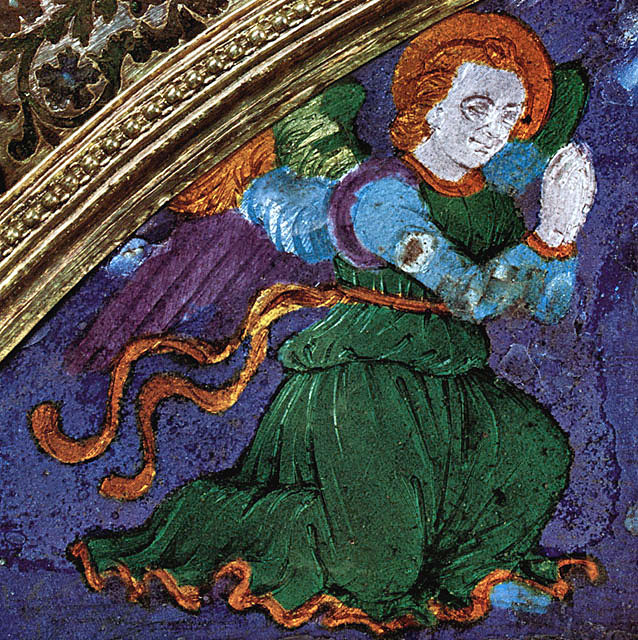
MOD in Florence, Reliquary of the "Libretto", an angel, detail of the enamels.
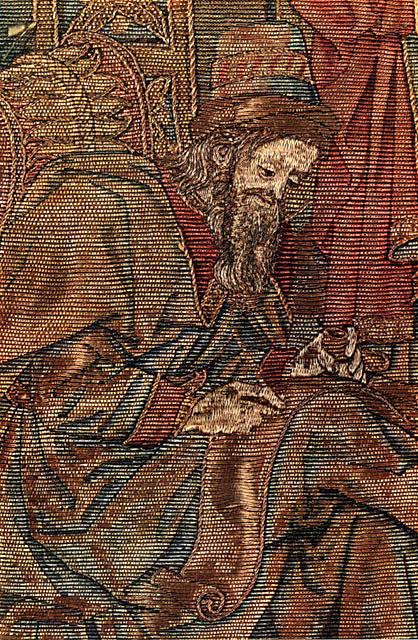
MOD in Florence, Antonio del Pollaiolo: Embroidered vestment, The Annunciation to Zacharias, particolare.
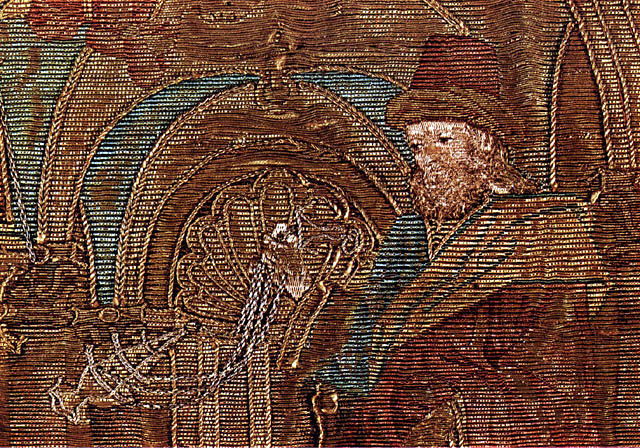
MOD in Florence, Antonio del Pollaiolo: Embroidered vestment, Zachariah writes the name of the Baptist.
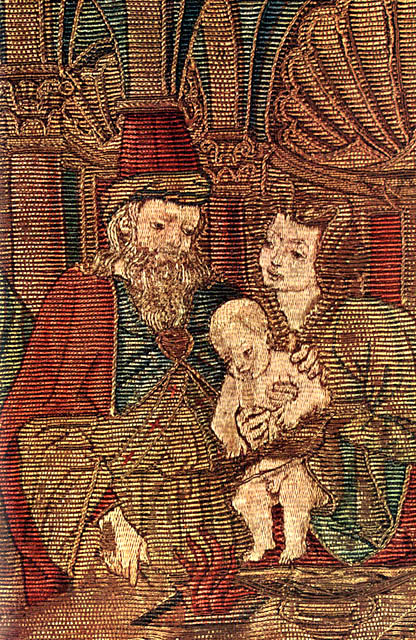
MOD in Florence, Antonio del Pollaiolo: Embroidered vestment, The Circumcision of the Baptist.
MOD in Florence, Antonio del Pollaiolo: Embroidered vestment, Preaching to the Multitudes.
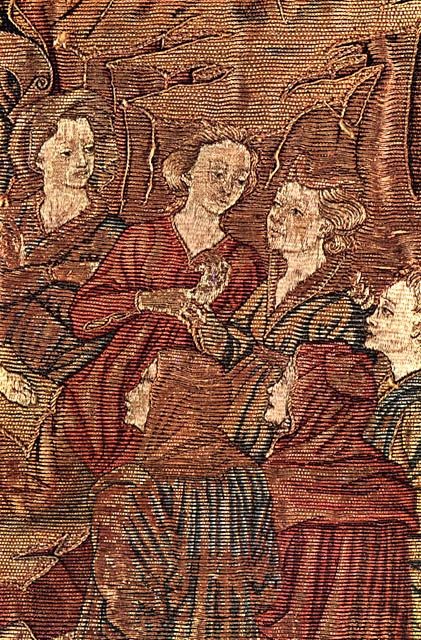
MOD in Florence, Antonio del Pollaiolo: The Meeting of the Baptist and the High Priest.
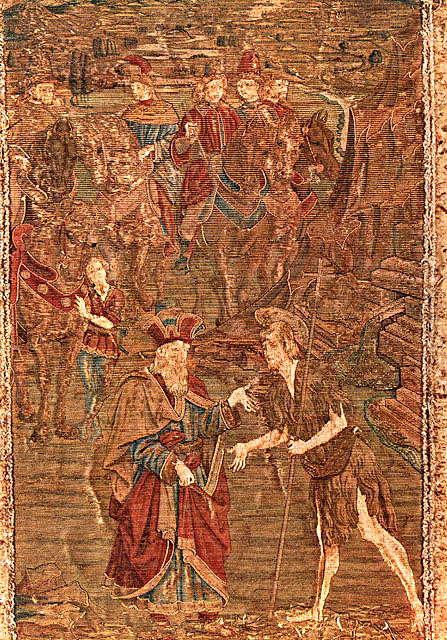
MOD in Florence, Antonio del Pollaiolo: The Arrest of the Baptist.
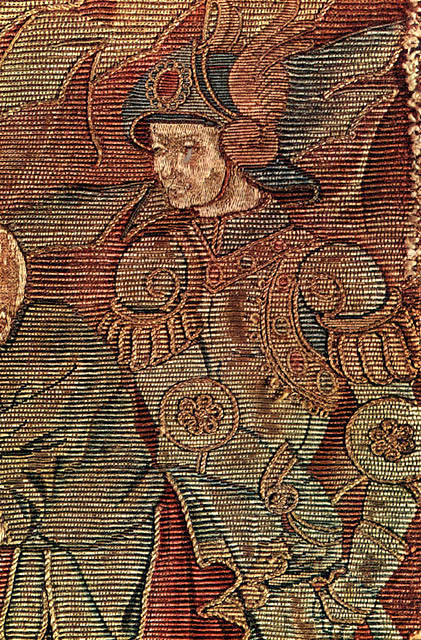
MOD in Florence, Antonio del Pollaiolo: The Baptist Led to Prison.
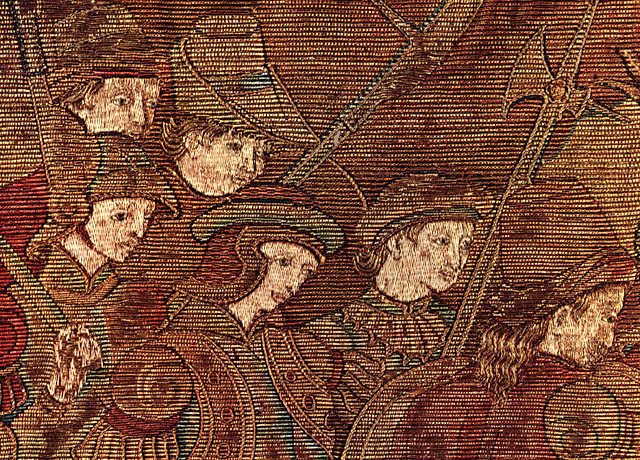
MOD in Florence, Antonio del Pollaiolo: The Dance of Salome
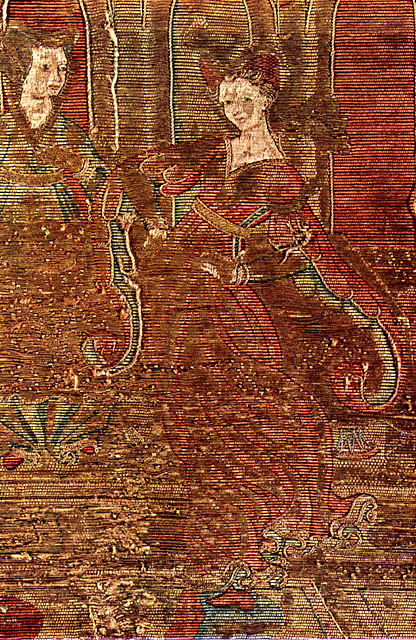
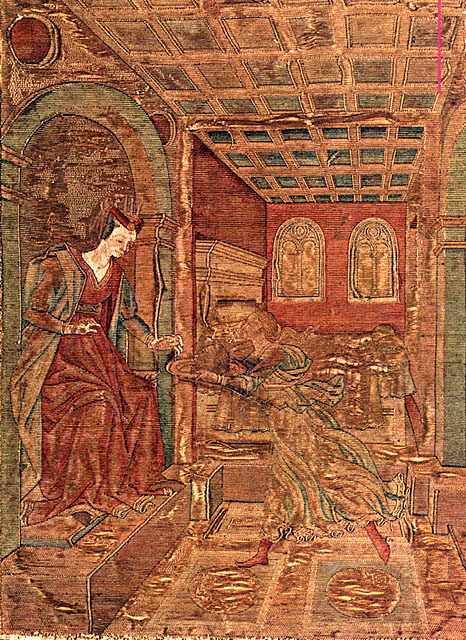
MOD in Florence, Antonio del Pollaiolo: The Head of the Baptist Presented to Herodias.
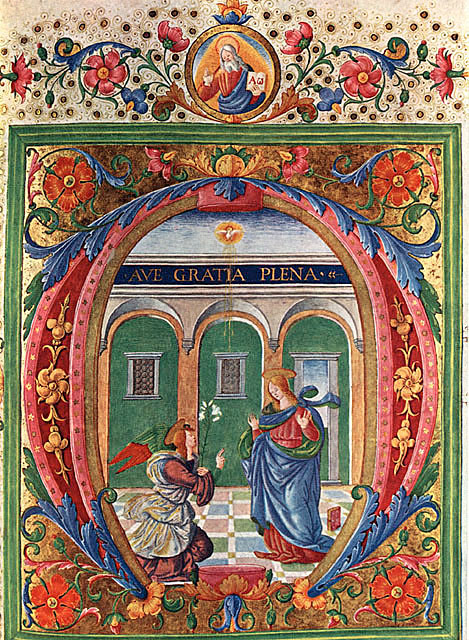
MOD in Florence, Fra Eustachio: Initial with the Annunciation
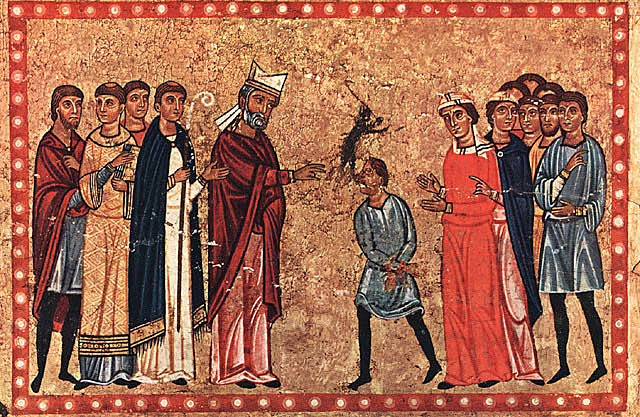
MOD in Florence, "Master of the Bigallo": Saint Zanobi between Sts. Eugenius and Crescentius
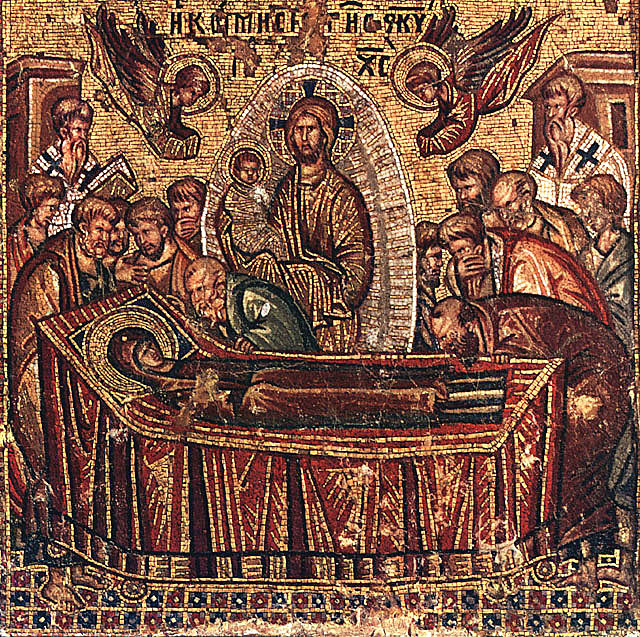
MOD in Florence, Portable mosaic, detail with the Death of the Virgin.
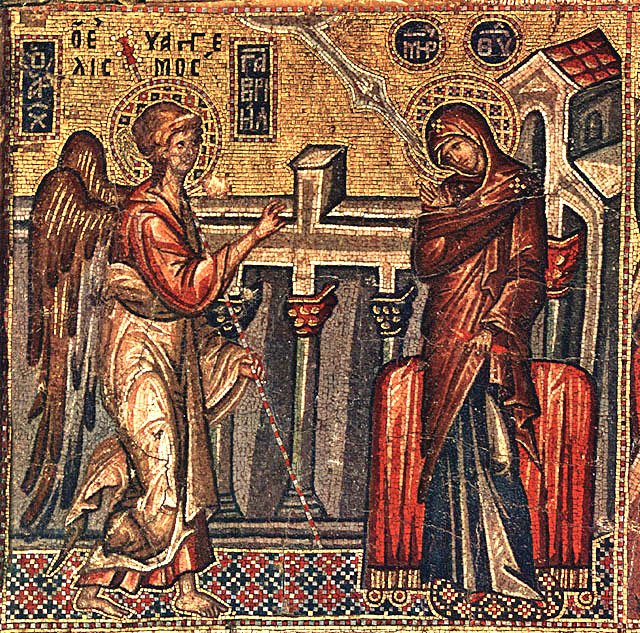
MOD in Florence, Portable mosaic, detail with the Annunciation.
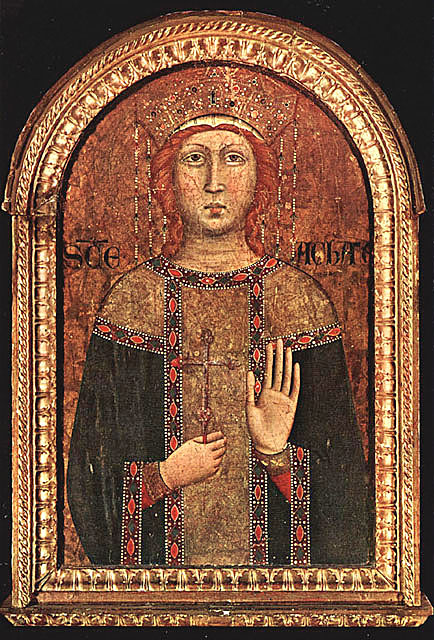
MOD in Florence, Jacopo del Casentino: Saint Agatha, processional panel
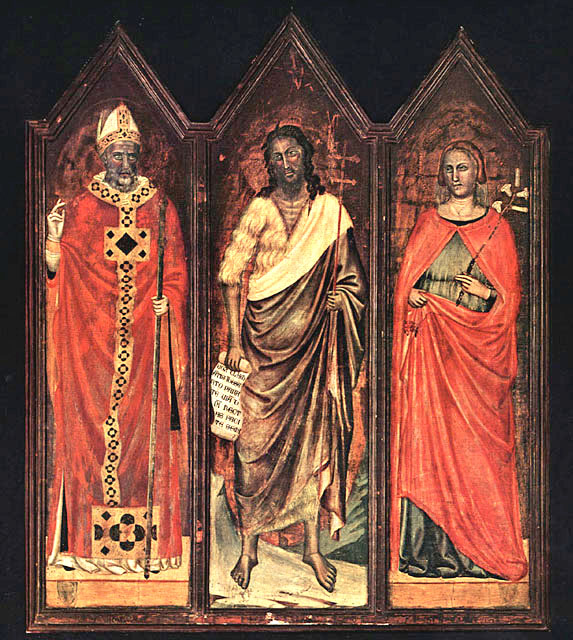
MOD in Florence, "Master of the Medici Polyptych": Saints Zenobius, John the Baptist and Reparata.
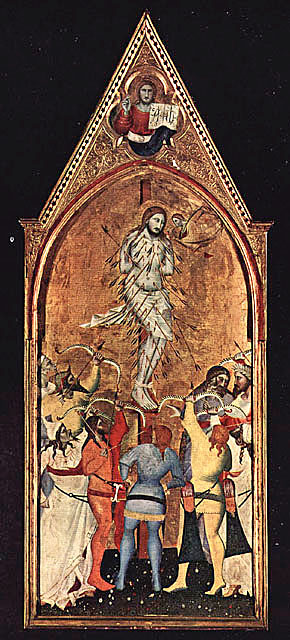
MOD in Florence, Giovanni del Biondo: Martyrdom of St. Sebastian
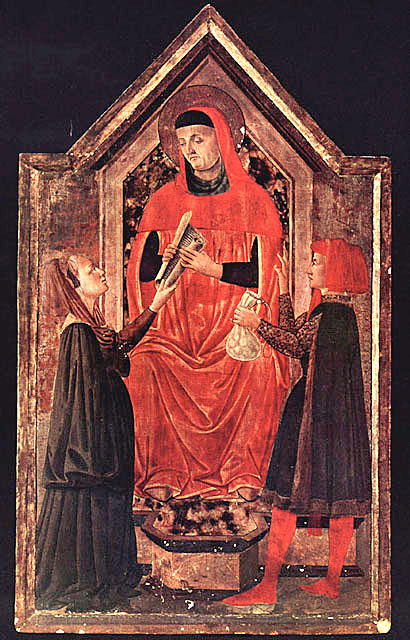
MOD in Florence, Neri di Bicci: Saint Ivo Dispensing Justice.
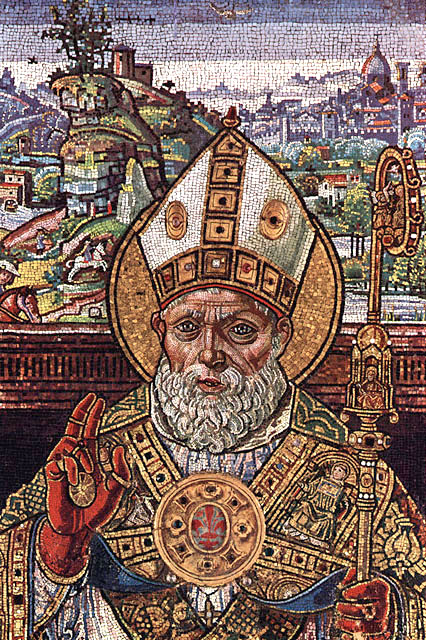
MOD in Florence, Monte di Giovanni: Mosaic with St. Zenobius
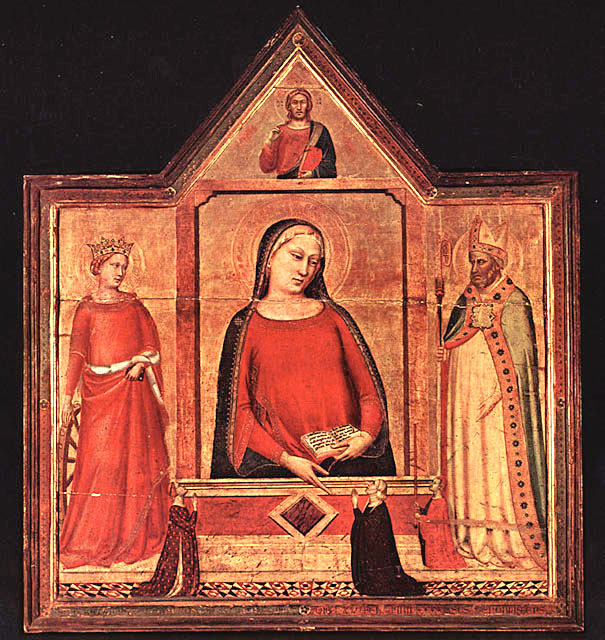
MOD in Florence, Bernardo Daddi: The Madonna among Saints
MOD in Florence, Antonio del Pollaiolo, Jesus Baptising John the Baptist.
Palazzo Pitti
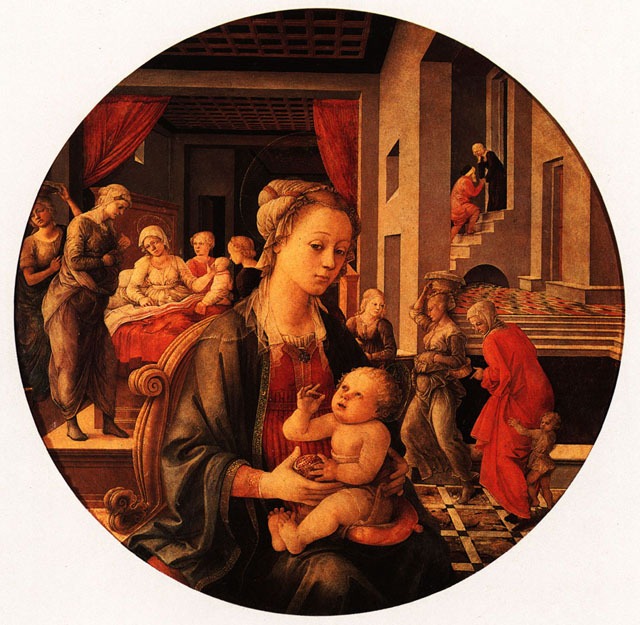
Florence, Palazzo Pitti, Filippo Lippi, Madonna and Child and the Birth of Mary
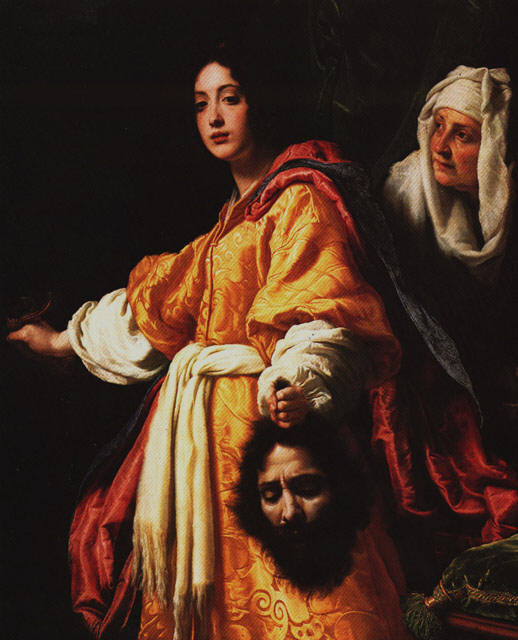
Florence, Palazzo Pitti, Cristofano Allori, Judith with the Head of Holofernes
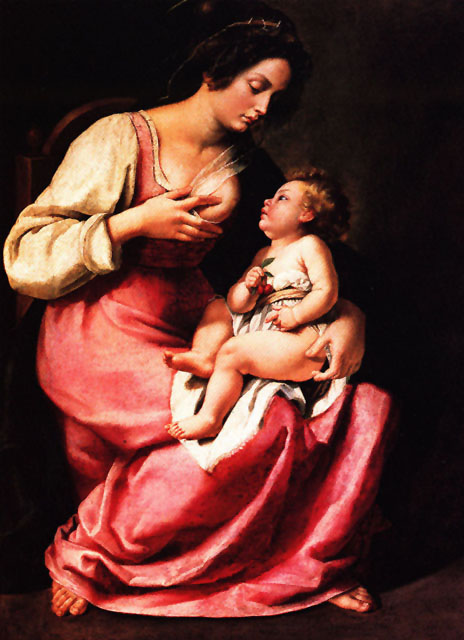
Florence, Palazzo Pitti, Artemisia Gentileschi, Madonna and Child
Florence, Palazzo Pitti, Baldassarre Franceschini, known as il Volterrano, The Jest of Parson Arlotto
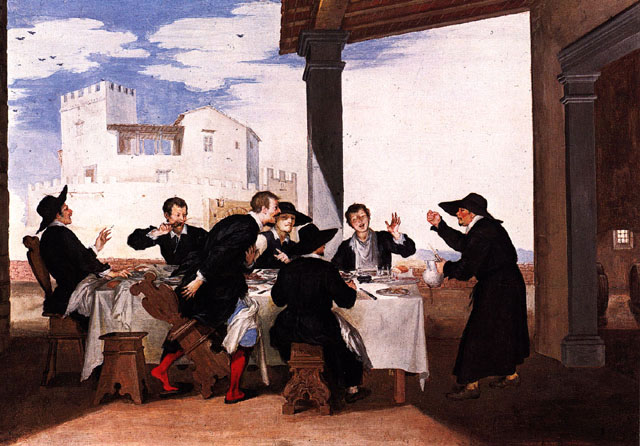
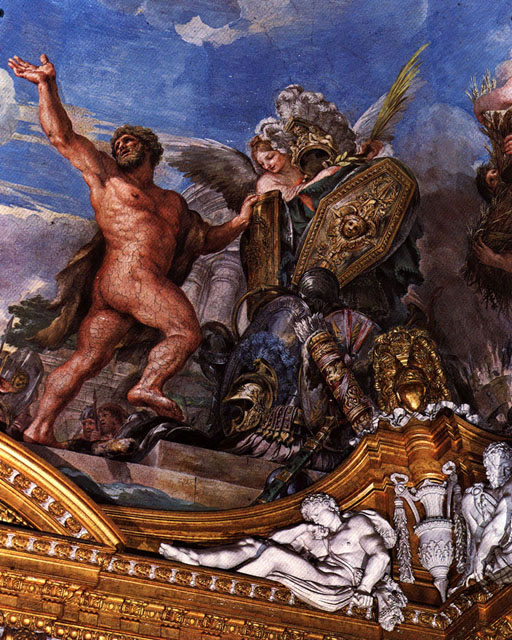
Florence, Palazzo Pitti, Pietro da Cortona and Ciro Ferri, Hercules forms a trophy with the arms given to him by the Dioscuri
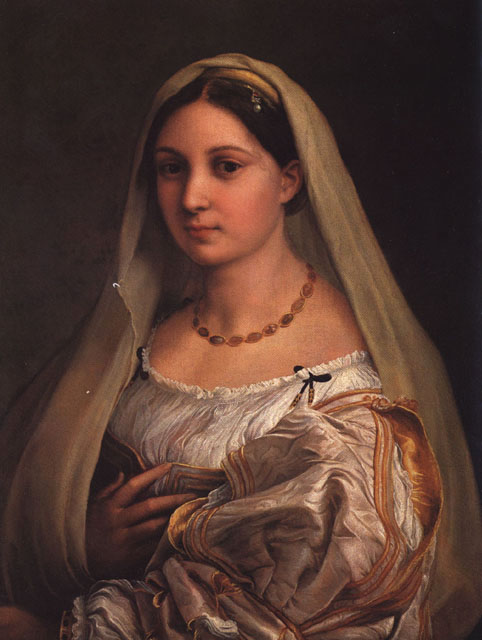
Florence, Palazzo Pitti, Raphael, Portrait of a Woman or La Velata
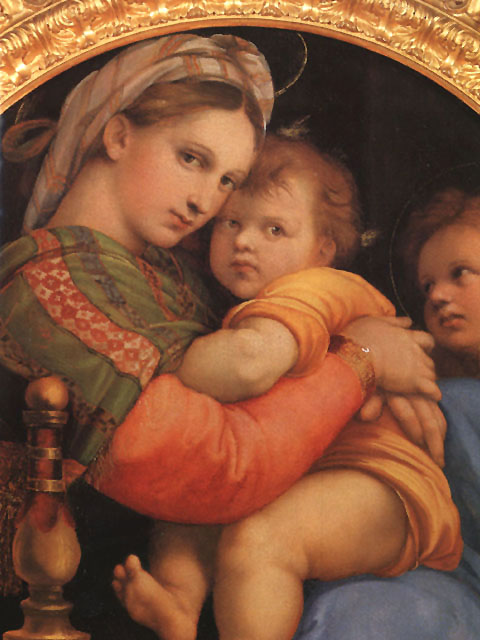
Florence, Palazzo Pitti, Raphael, Madonna della Seggiola
Florence, Entrance to Palazzo Pitti
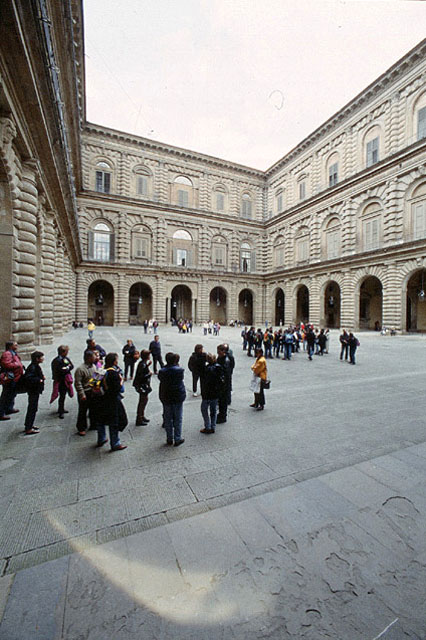
Florence, Palazzo Pitti, Internal courtyard.
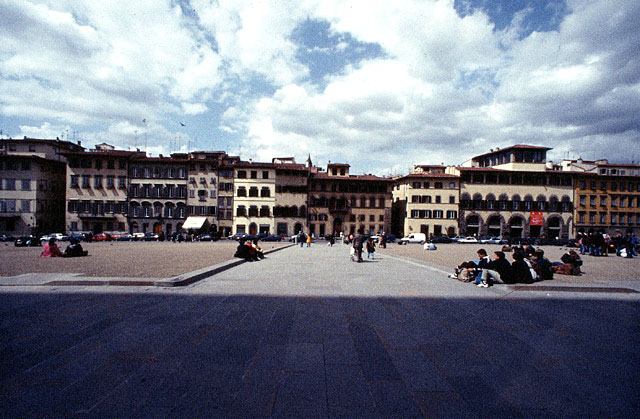
Florence, Palazzo Pitti, View of the city from the façade of the palace.
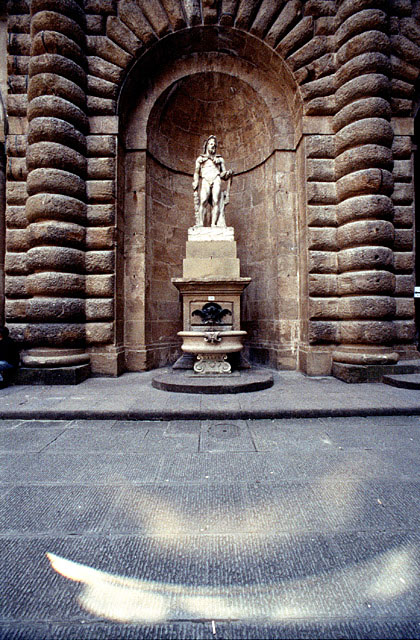
Florence, Palazzo Pitti, Detail of the courtyard.
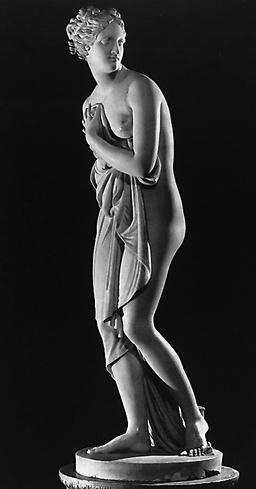
Florence, Palazzo Pitti, Antonio Canova, Venus Italica, Galleria Palatina.
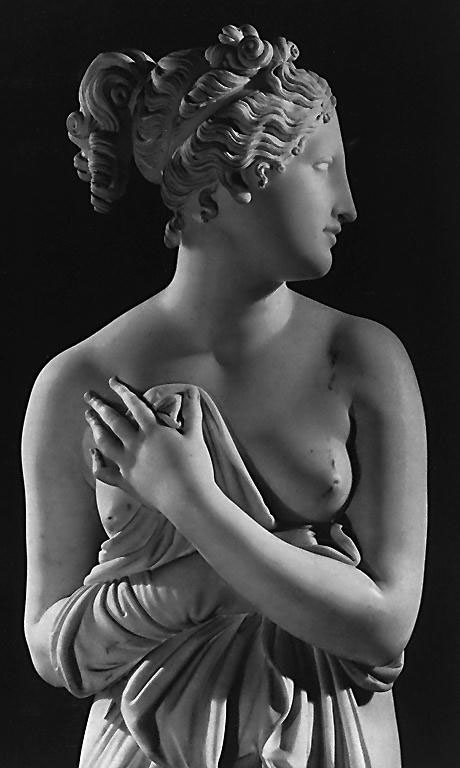
Florence, Palazzo Pitti, Antonio Canova, Venus Italica, Galleria Palatina.
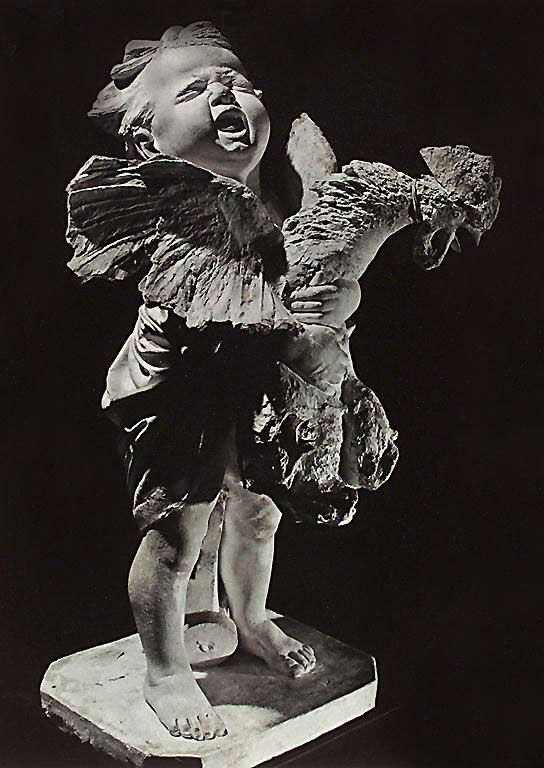
Florence, Palazzo Pitti, Adriano Cecioni, Child with a Cockerel, Galleria d'Arte Moderna.
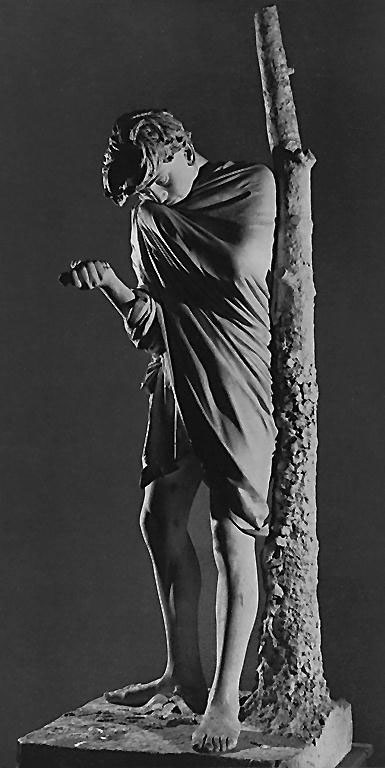
Florence, Palazzo Pitti, Adriano Cecioni, The Suicide, Galleria d'Arte Moderna.
Florence, Palazzo Pitti, Achille d'Orsi, The Parasites, Galleria d'Arte Moderna.
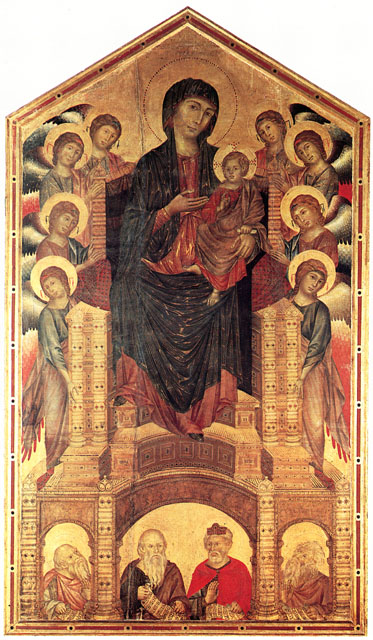
Uffizi
Florence, Uffizi. Cimabue, Madonna in Majesty.
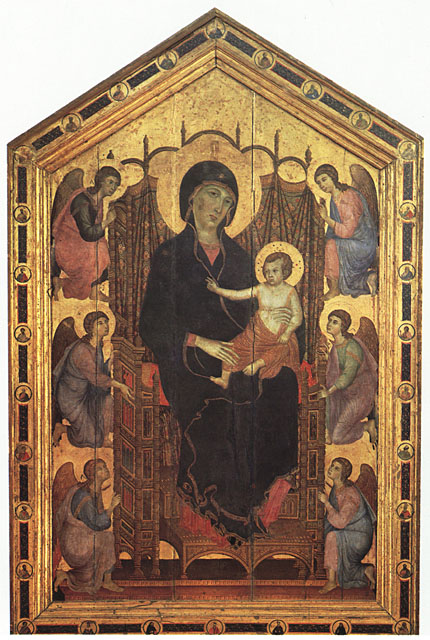
Florence, Uffizi. Duccio di Boninsegna, Rucellai Madonna.
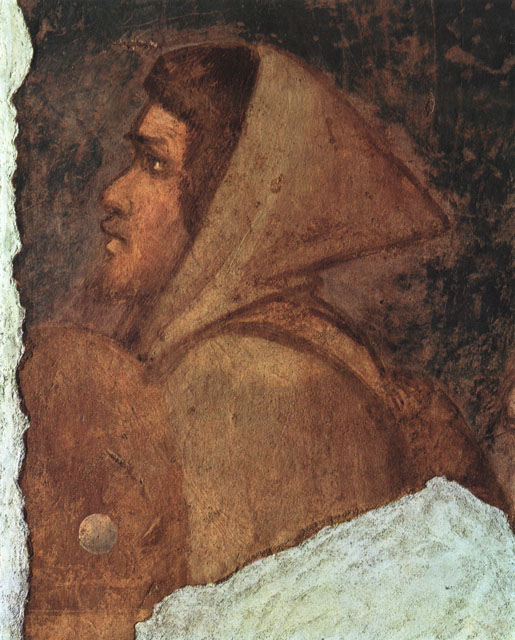
Florence, Uffizi.Giotto, Joachim among the Shepherds
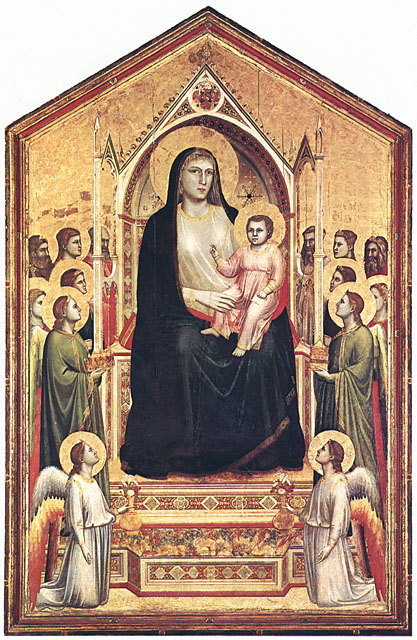
Florence, Uffizi. Giotto, Madonna in Majesty.
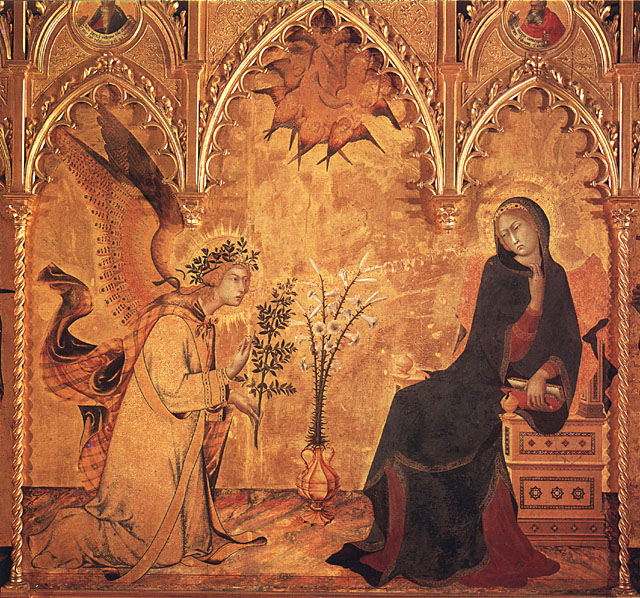
Florence, Uffizi. Simone Martini, L'Annunciazione.
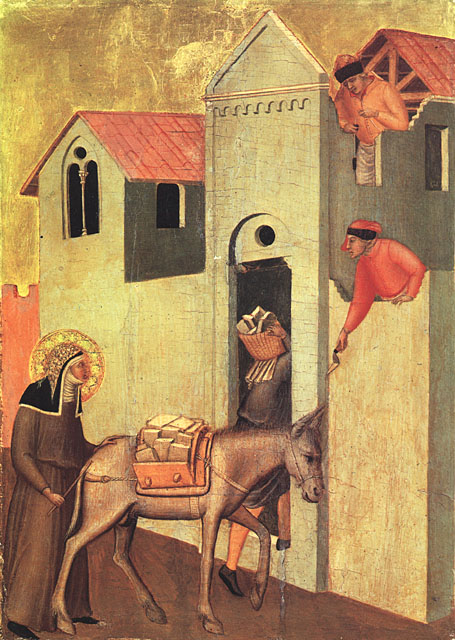
Florence, Uffizi. Pietro Lorenzetti, The Blessed Umiltà
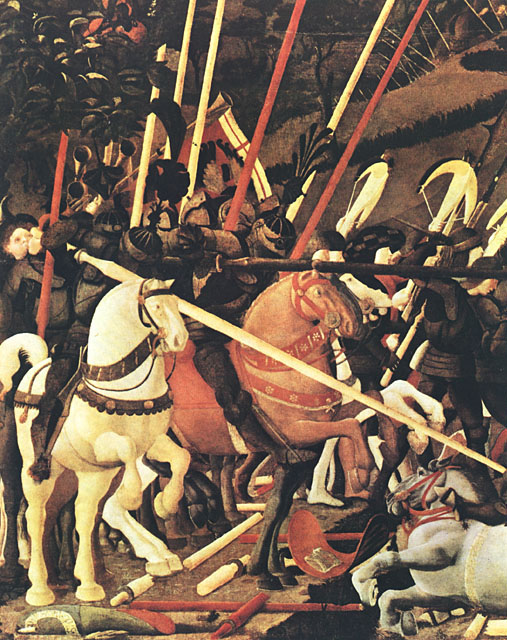
Florence, Uffizi. Paolo Uccello, The Battle of San Romano
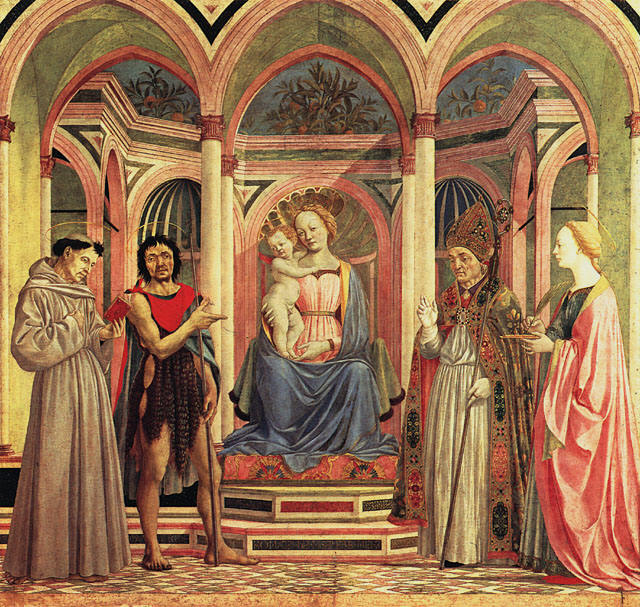
Florence, Uffizi. Domenico Veneziano, Sacra Conversazione.
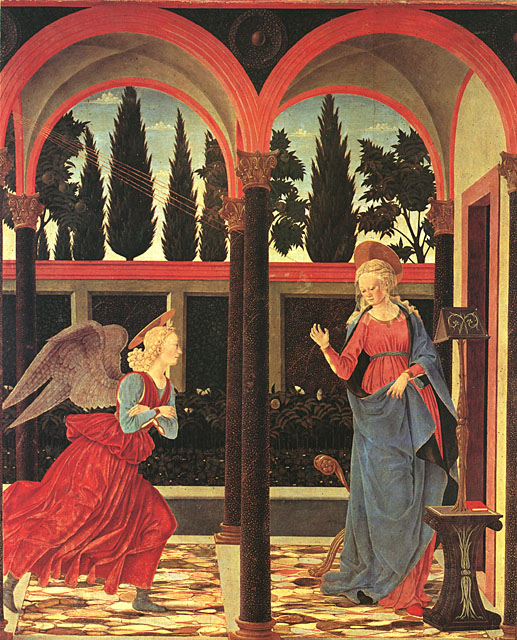
Florence, Uffizi. Alessio Baldovinetti, L'Annunciazione.
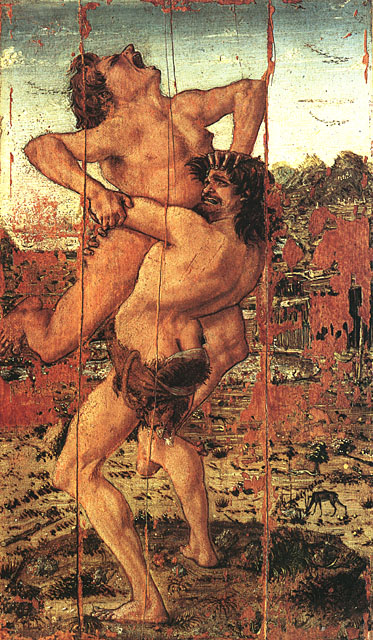
Florence, Uffizi. Antonio del Pollajolo, Hercules and Antaeus. .
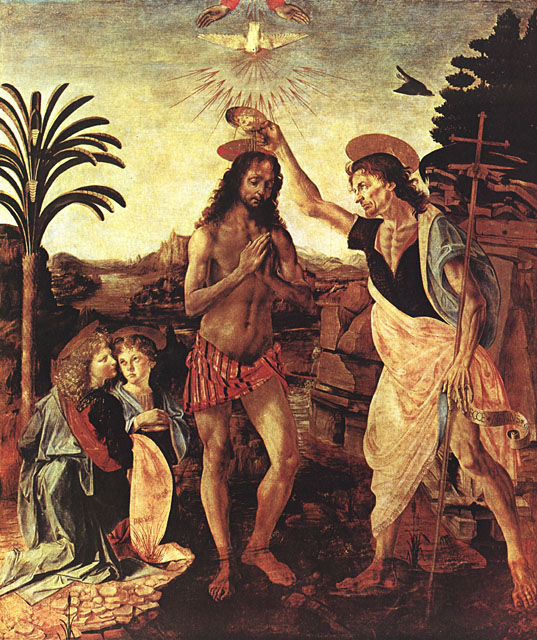
Florence, Uffizi. Andrea del Verrocchio, Baptism of Christ.
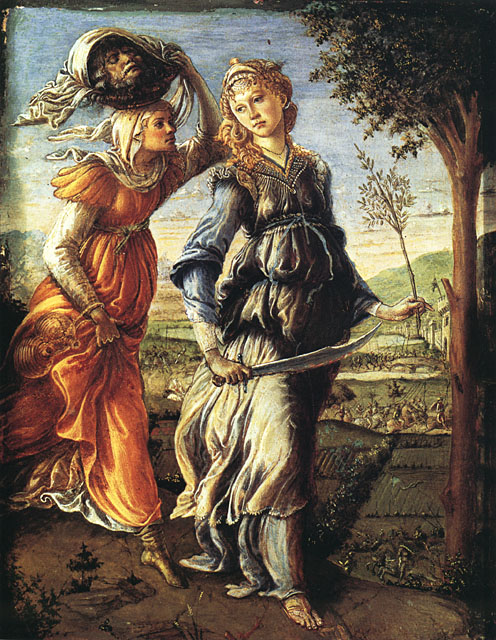
Florence, Uffizi. Sandro Botticelli, The Return of Judith from the Camp of Holofernes.
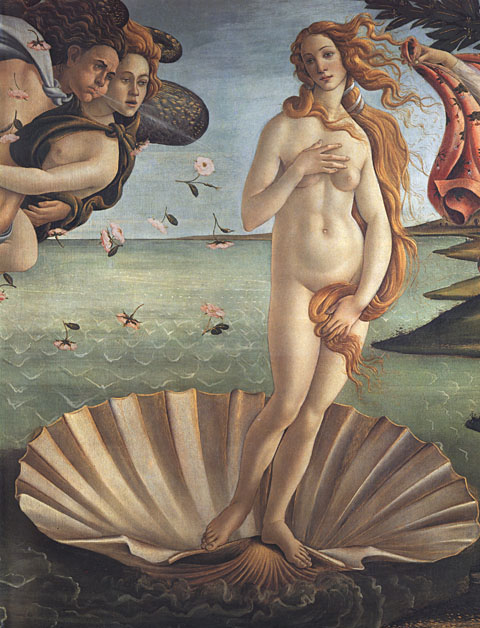
Florence, Uffizi. Sandro Botticelli, The Birth of Venus, particolare.
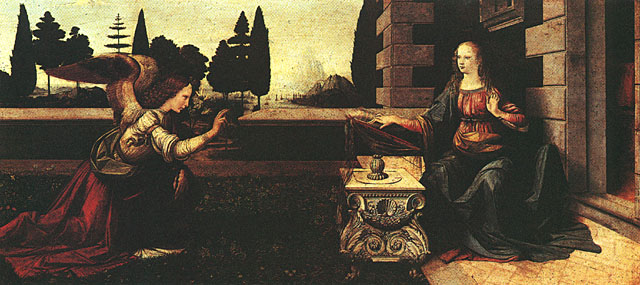
Florence, Uffizi. Leonardo da Vinci, L'Annunciazione.
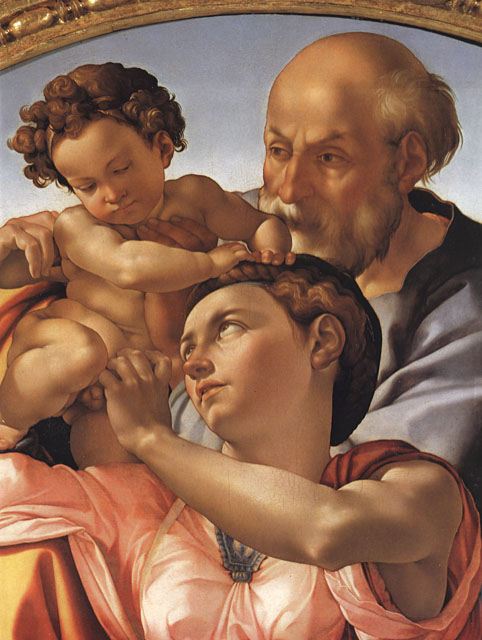
Florence, Uffizi. Michelangelo, Holy Family
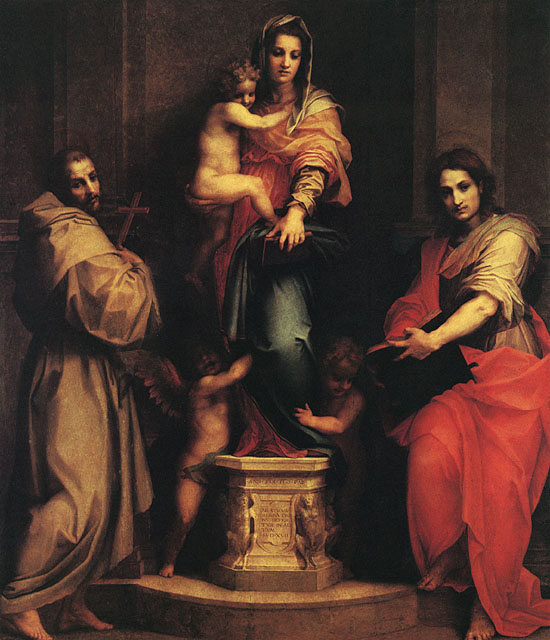
Florence, Uffizi. Andrea del Sarto, The Madonna of the Harpies.
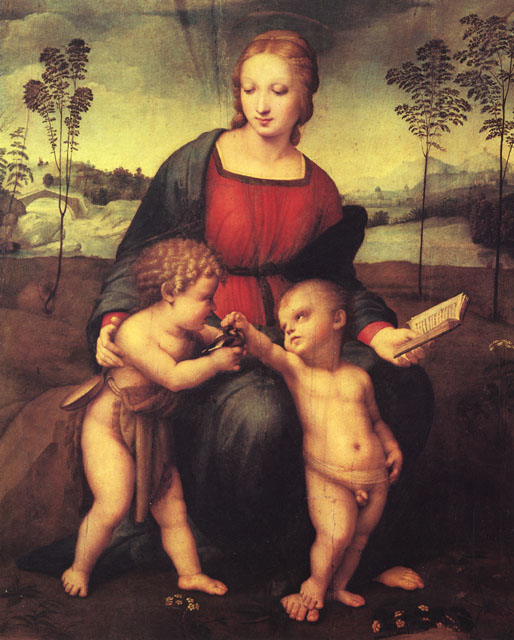
Florence, Uffizi. Raphael, The Madonna of the Goldfinch.
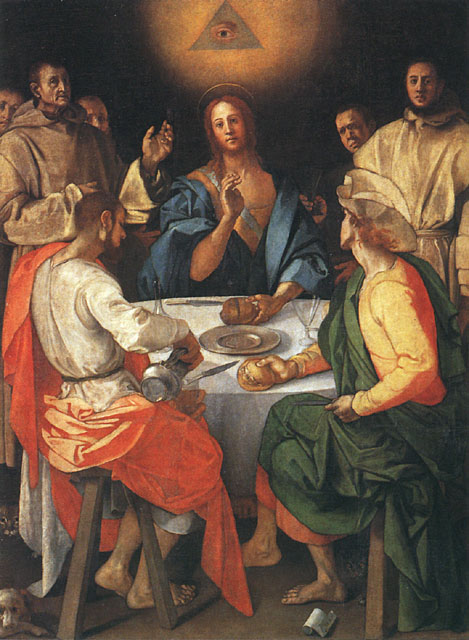
Florence, Uffizi. Jacopo da Pontormo, Supper at Emmaus.
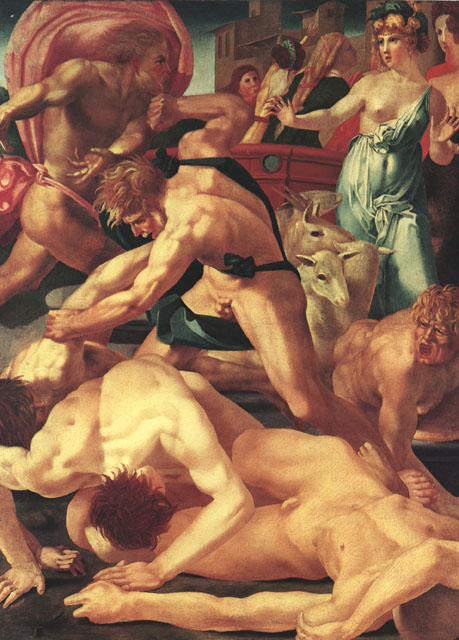
Florence, Uffizi. Rosso Fiorentino, Moses and the Daughters of Jethro.
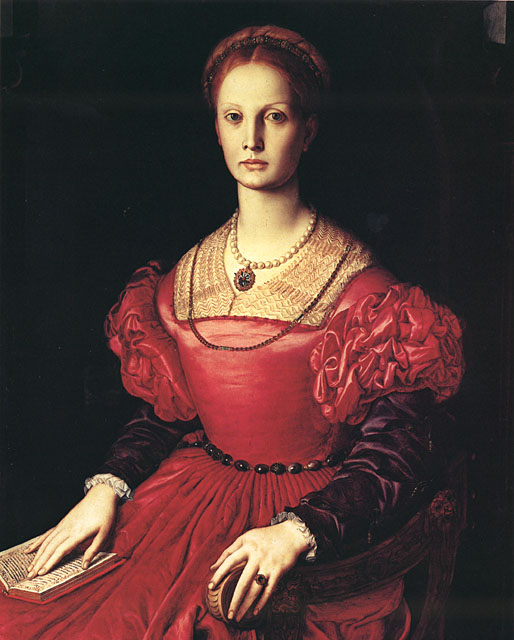
Florence, Uffizi. Agnolo Bronzino, Portrait of Lucrezia Panciatichi.
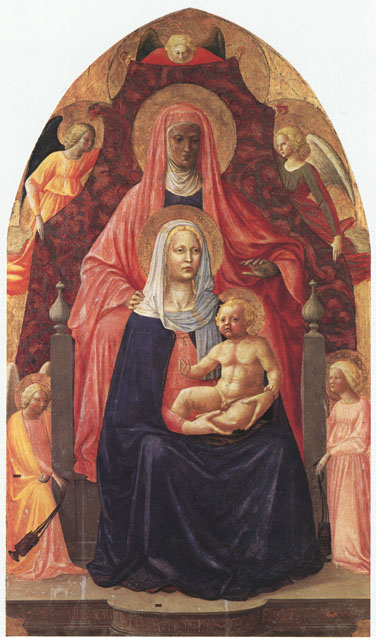
Florence, Uffizi. Masaccio, Madonna and Child with St. Anne.
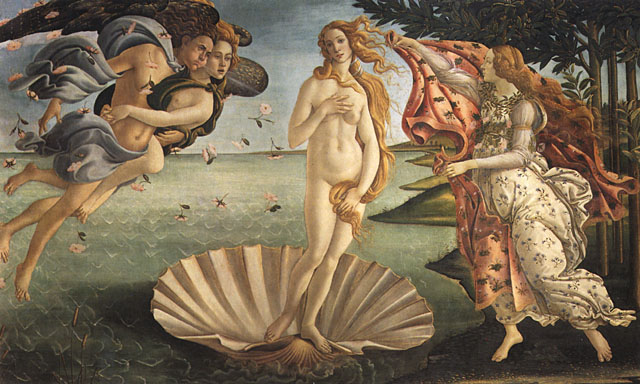
Florence, Uffizi. Sandro Botticelli, The Birth of Venus.
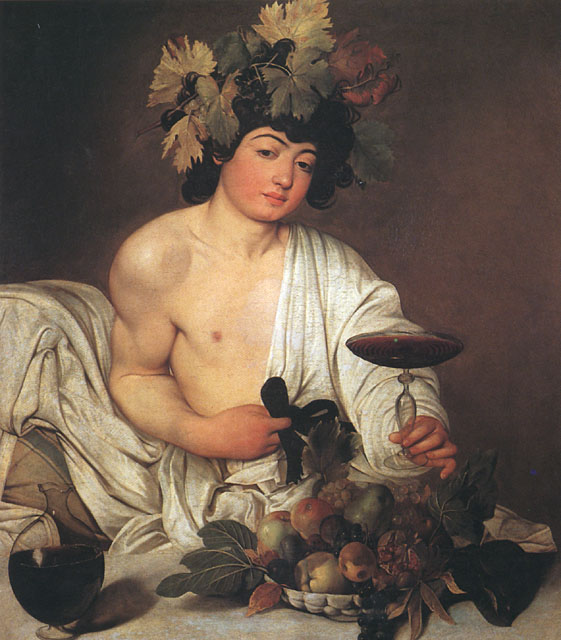
Florence, Uffizi. Caravaggio, Bacco.
Florence, Uffizi. Sandro Filipepi, known as Botticelli, Spring.
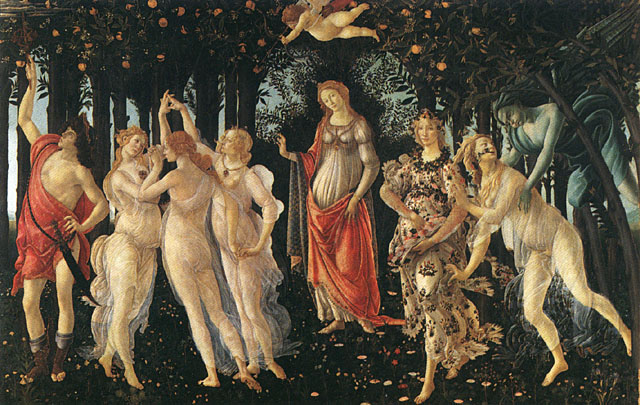
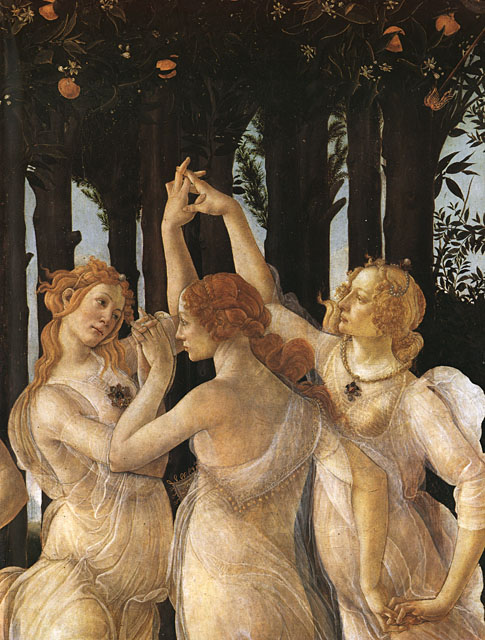
Florence, Uffizi. Sandro Filipepi, known as Botticelli, Spring, particolare.
Florence, Exterior of the Uffizi Palace.
Palazzo della Signoria or Palazzo Vecchio
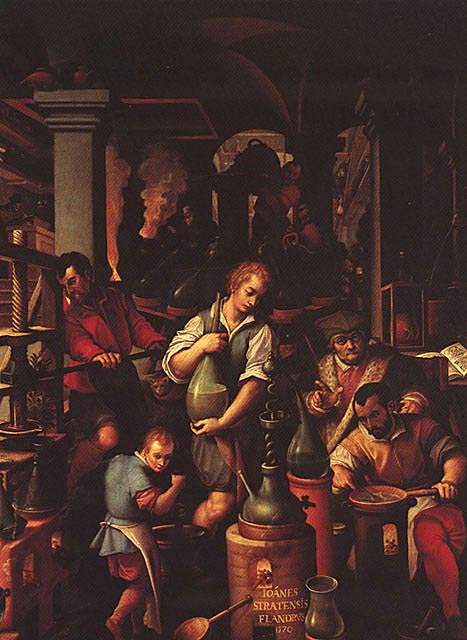
Palazzo della Signoria, Giovanni Stradano, The Alchemist's Laboratory
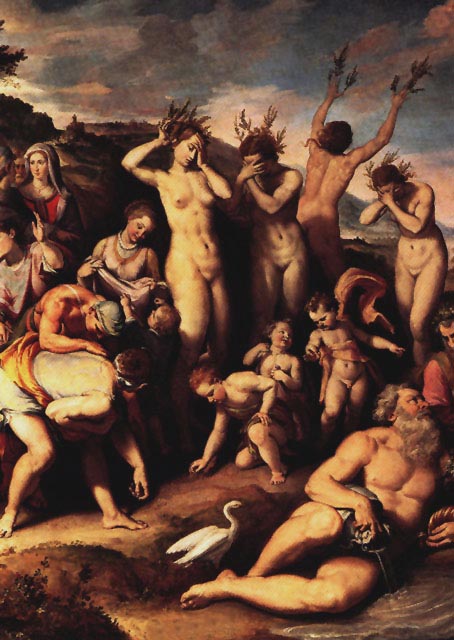
Santi di Tito, The Sisters of Phaethon
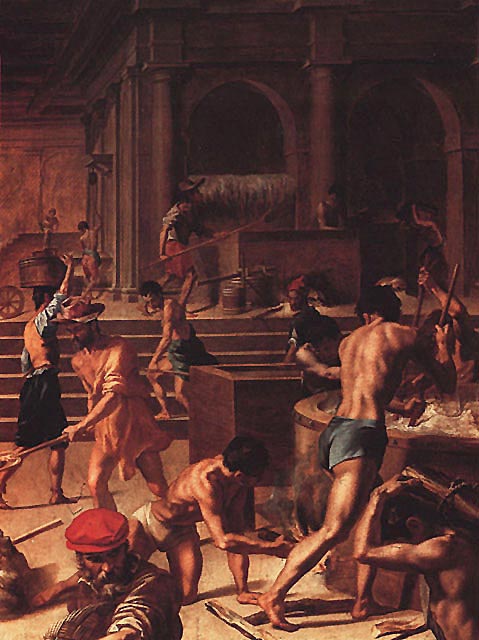
Mirabello Cavalori, The Wool Factory
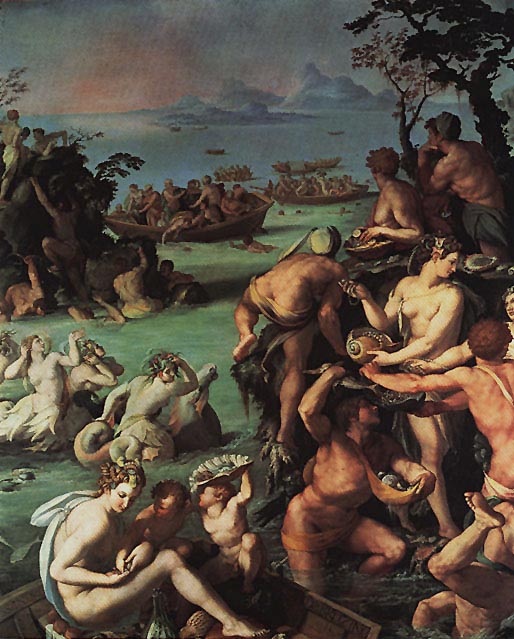
Alessandro Allori, Pearl Fishing
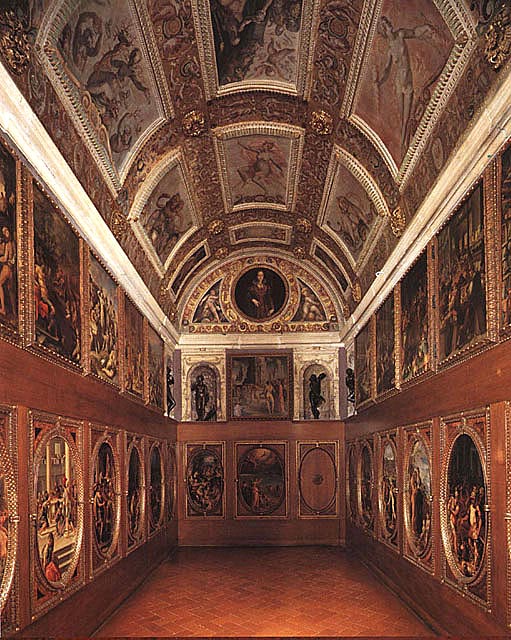
The Studiolo of Francesco I
Palazzo della Signoria, Donatello, Judith and Holofernes.
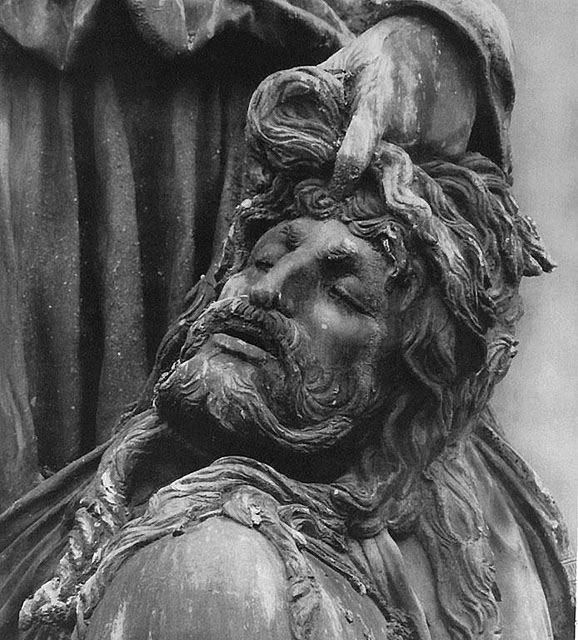
Palazzo della Signoria, Donatello, Judith and Holofernes, particolare.
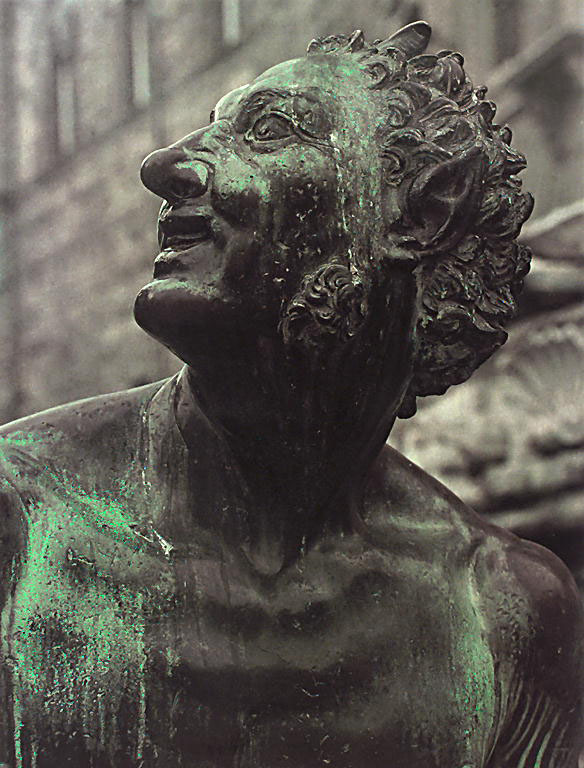
Palazzo della Signoria, Bartolomeo Ammannati, Bartolomeo Ammannati, Neptune Fountain, detail, piazza della Signoria.
Palazzo della Signoria, Benvenuto Cellini, Perseo.
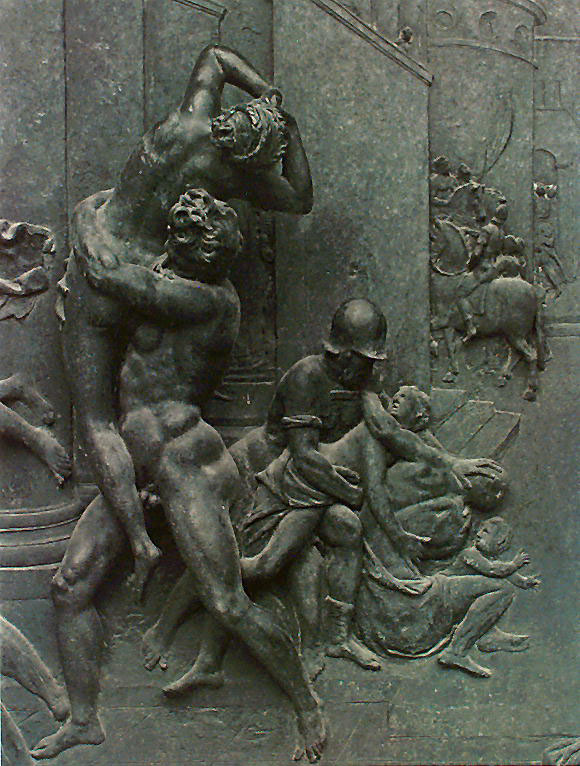
Palazzo della Signoria, Giambologna, The Rape of the Sabine Women, Bronze bas-relief at the base of the marble group.
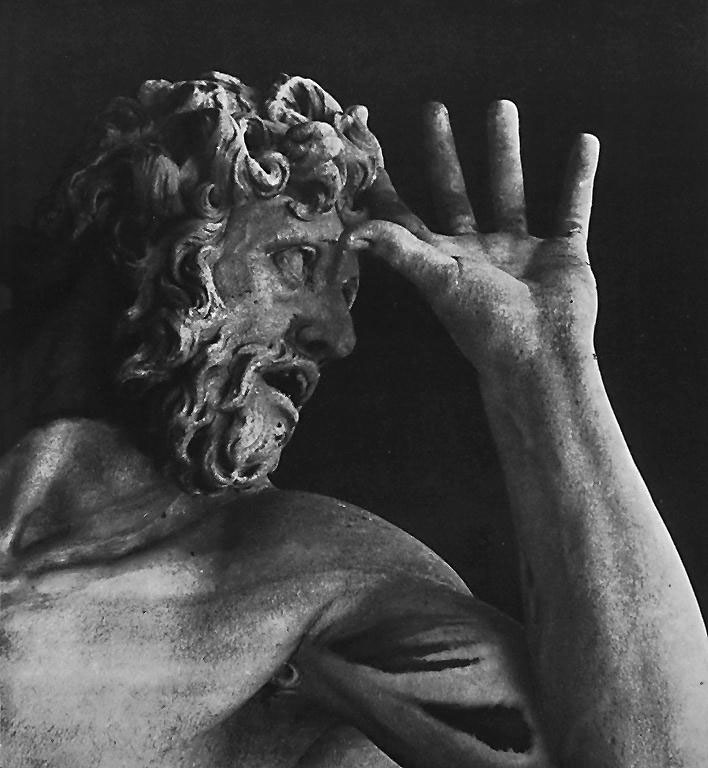
Palazzo della Signoria, Giambologna, The Rape of the Sabine Women, particolare.
Palazzo della Signoria, Giambologna, The Rape of the Sabines.
Palazzo della Signoria, Bartolomeo Ammannati, Neptune Fountain, piazza della Signoria.
Santa Maria del Fiore (Duomo)
Florence, Cathedral, SOUTH side seen from Piazzale Michelangelo
Florence, Cathedral, Giotto's Bell Tower.
Florence, Cathedral, Brunelleschi's Dome.
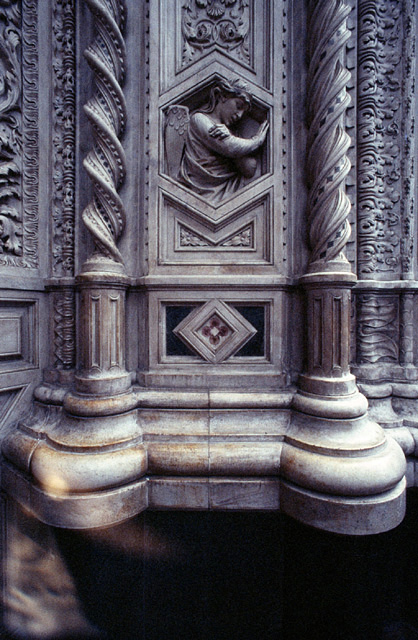
Florence, Cathedral, Façade detail.
Florence, Cathedral, Central Nave.
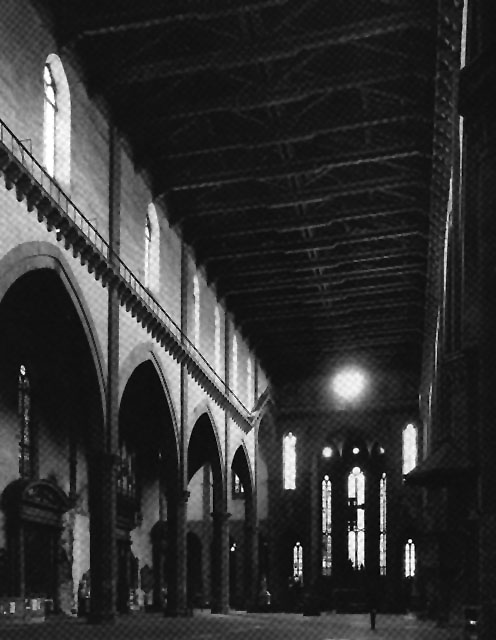
Florence, Cathedral, Nave
Florence, Cathedral, Dome of the Duomo, interno.
Florence, Cathedral, Dome of the Duomo, interno.
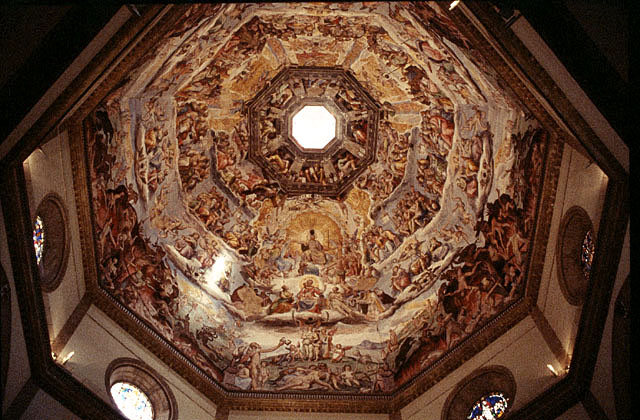
Florence, Cathedral, Dome of the Duomo, interno.
Florence, Cathedral, Giovanni Bandini, Reliefs of the Choir Enclosure, coro.
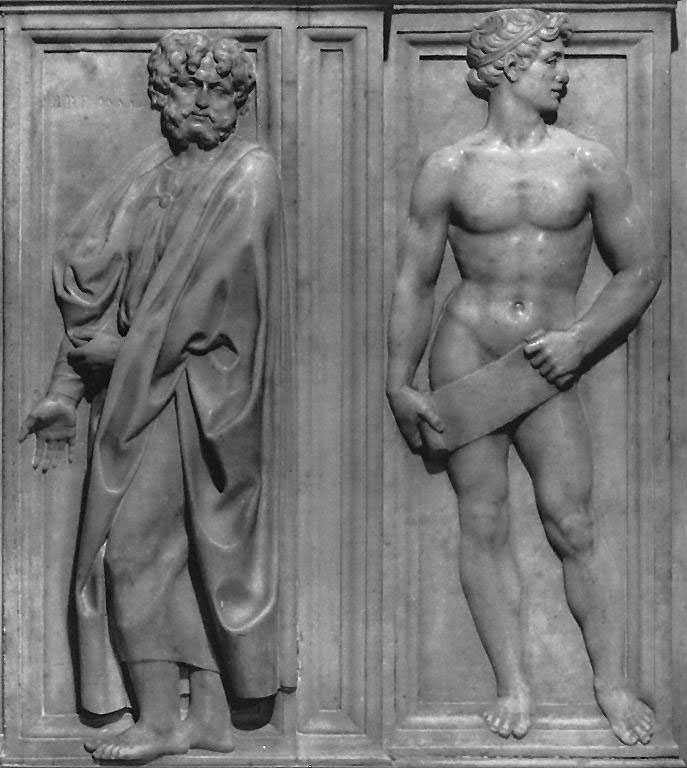
Florence, Cathedral, Luca della Robbia, San Gregorio, panel for the door of the Sagrestia Vecchia.
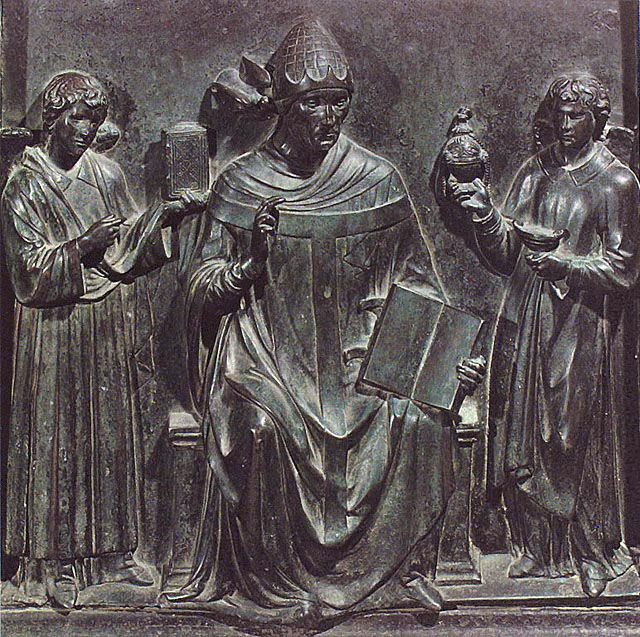
Florence, Cathedral, Nanni di Banco, The Assumption, detail of the Porta della Mandorla.
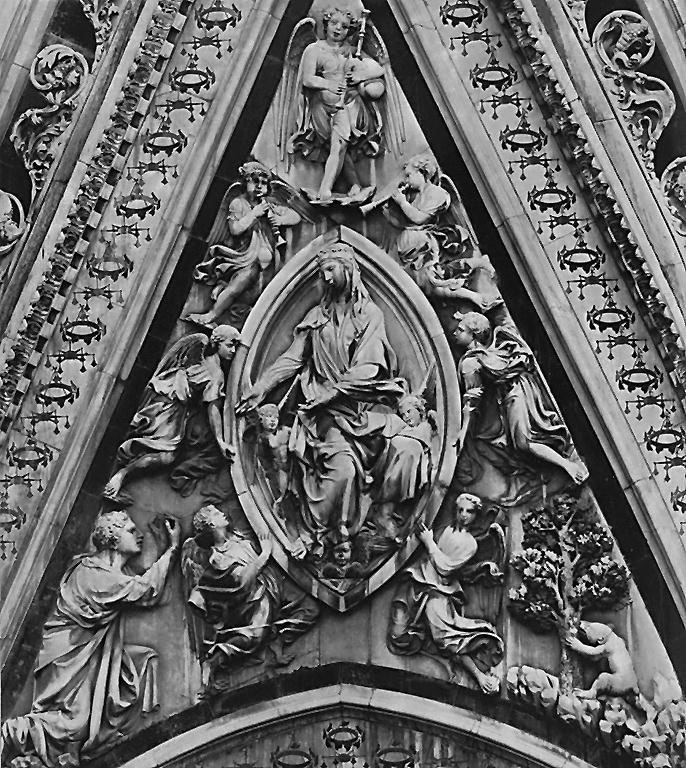
Florence, Cathedral, Tino di Camaino, Tomb of Bishop Orso, detail of the funerary monument.
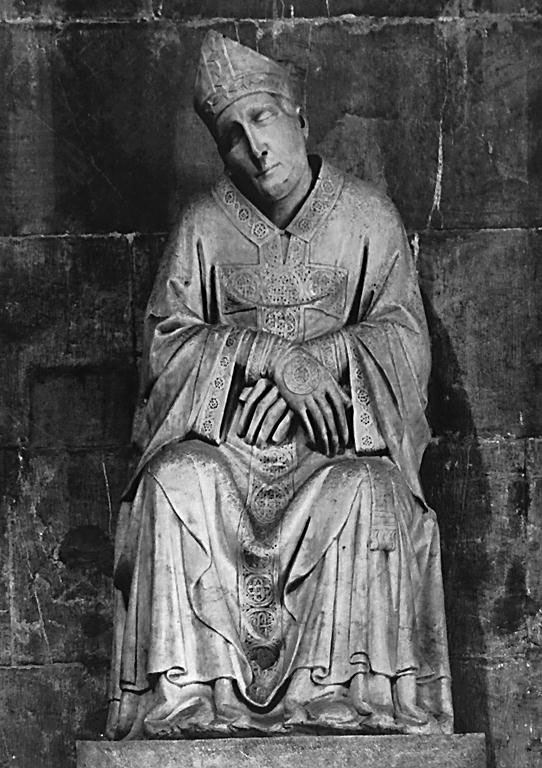
Galleria dell'Accademia
Florence, Accademia, Michelangelo Buonarroti, David.
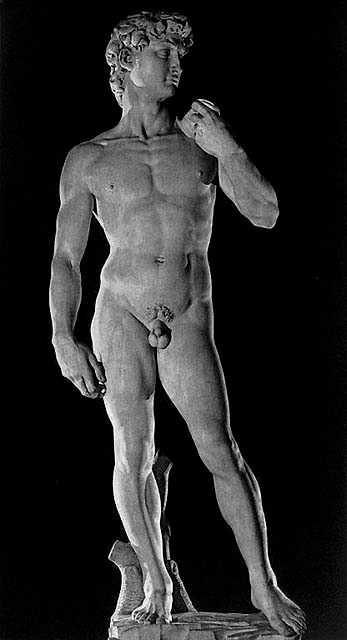
Florence, Accademia, Michelangelo Buonarroti, The Awakening Prisoners.
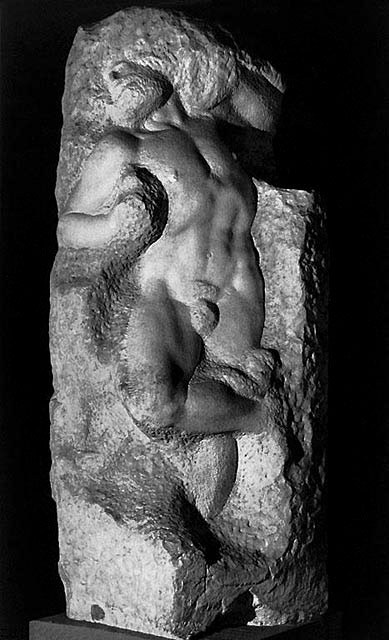
Florence, Accademia, Michelangelo Buonarroti, The Prisoner – Atlas.
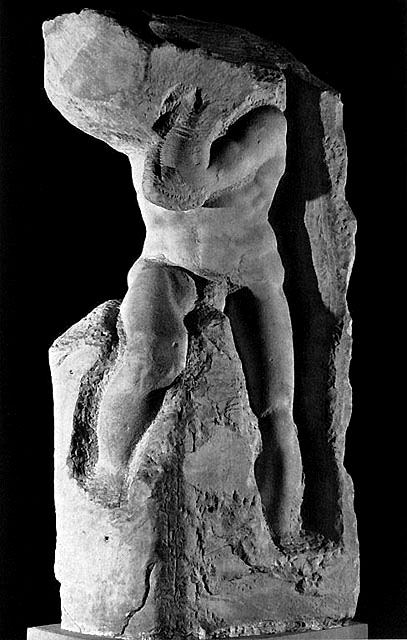
Florence, Accademia, Michelangelo Buonarroti, David, detail
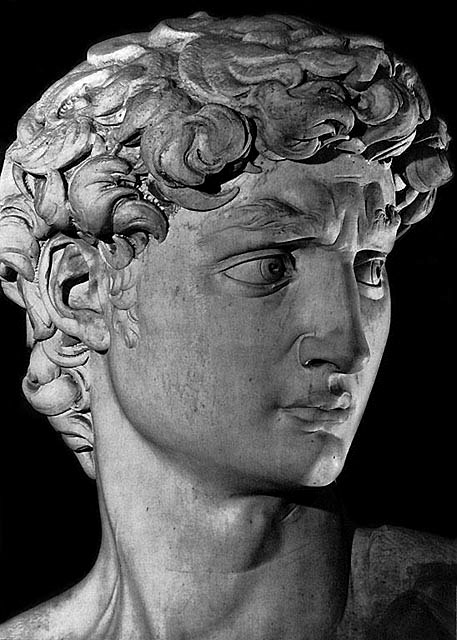
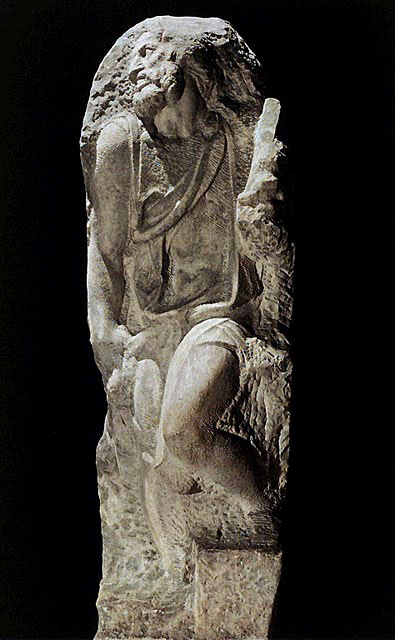
Florence, Accademia, Michelangelo Buonarroti, Saint Matthew.
Museo Nazionale del Bargello
Museo Nazionale del Bargello
Built in 1255 as the seat of the Captain of the People, it then became the seat of the Podestà and finally the Captain of Justice or Bargello from which it took its name. It now houses the National Museum, with important masterpieces of sculpture and of the minor arts.
Church of San Lorenzo and Cappelle Medicee
Church of San Lorenzo and Cappelle Medicee
In San Lorenzo, the New Sacristy (Michelangelo 1524) and the Princes' Chapel form the Museum of the Medici Chapels.
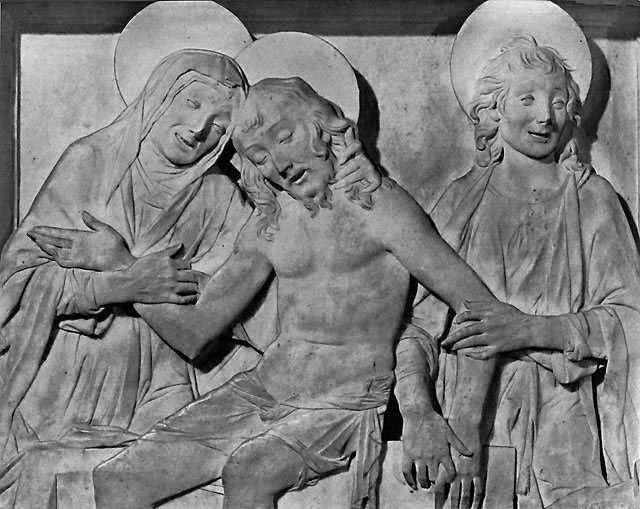
Desiderio da Settignano, Pietà, detail of the Tabernacle of the Sacrament.
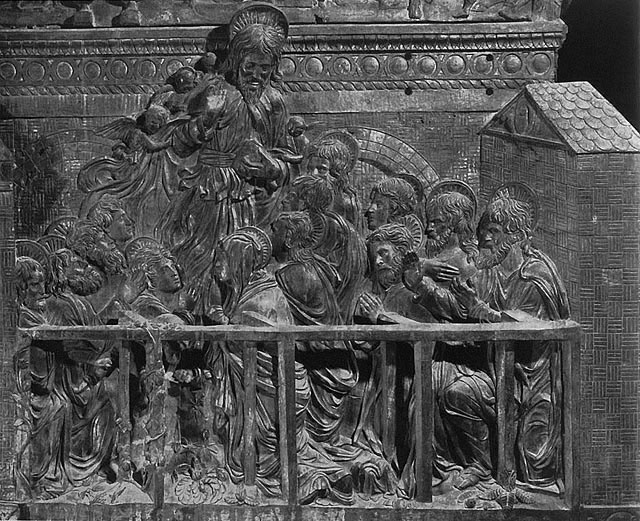
Donatello, The Ascension, detail of the second pulpit.
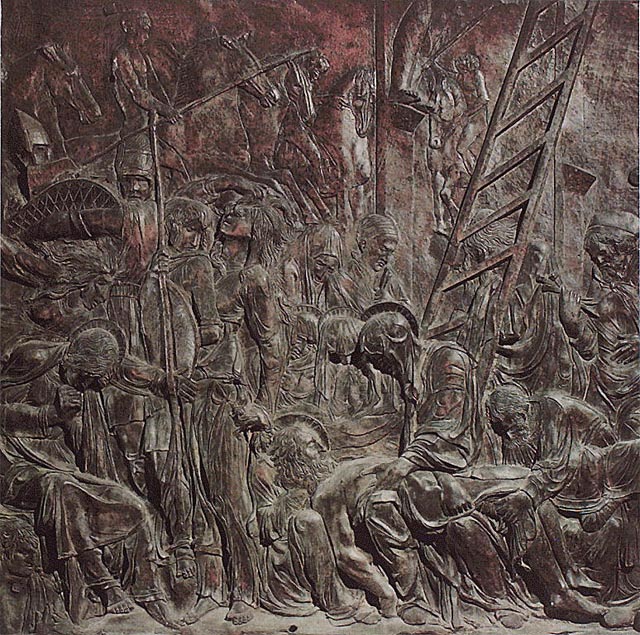
Donatello, The Descent from the Cross, detail of the first pulpit.
Donatello, Resurrection, detail of the panel of the second pulpit.
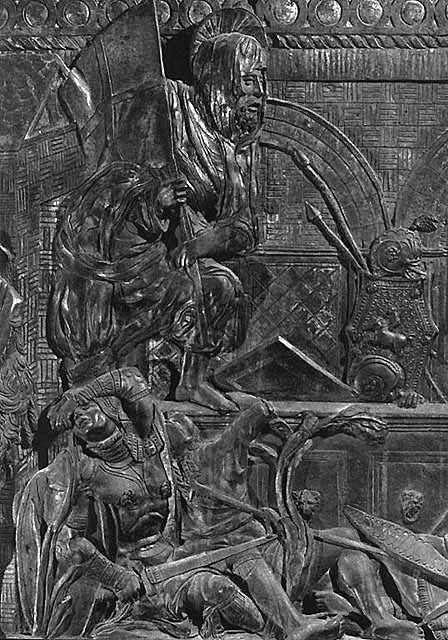
Andrea Verrocchio, Sarcophagus of Giovanni and Pietro de' Medici, Old Sacristy.
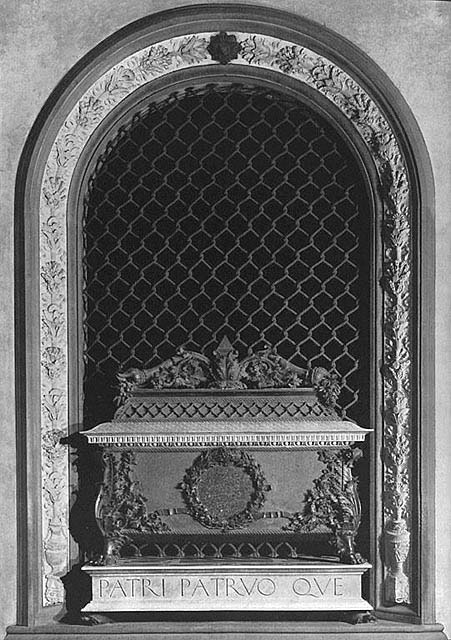
Michelangelo Buonarroti, Dusk, Cappella Medicea.
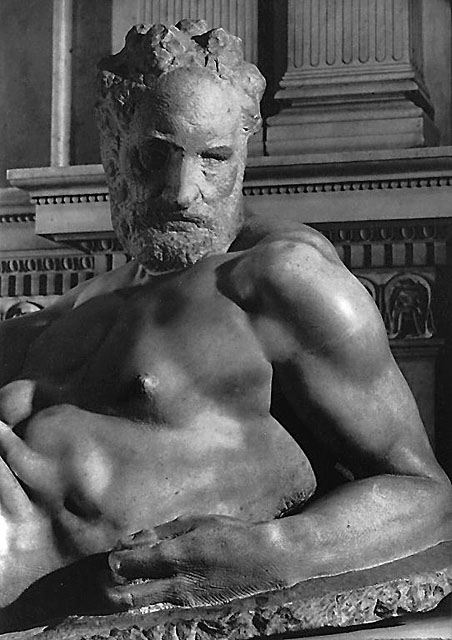
Michelangelo Buonarroti, Day, Cappella Medicea.
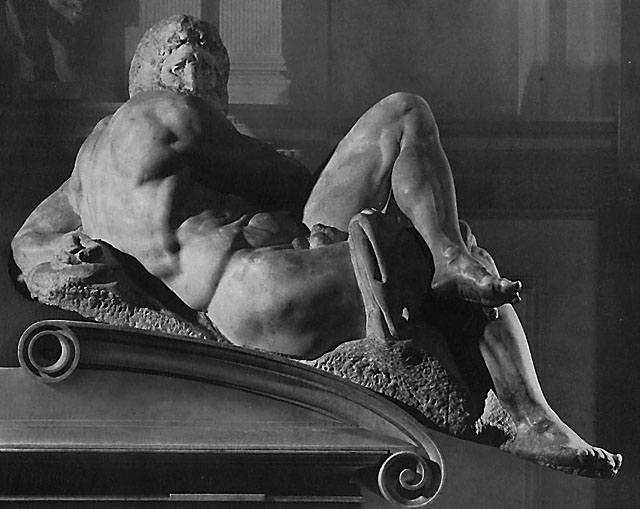
Michelangelo Buonarroti, Dawn, Cappella Medicea.
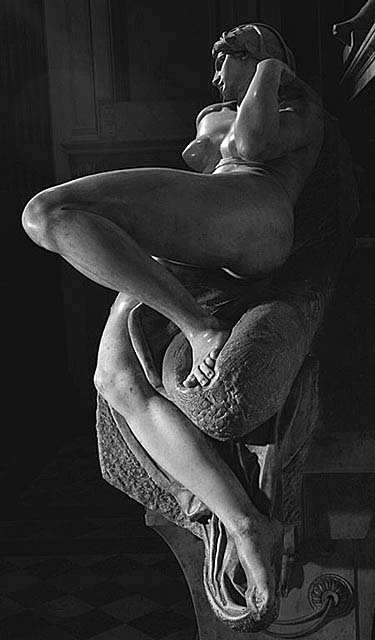
Michelangelo Buonarroti, Dawn, Cappella Medicea.
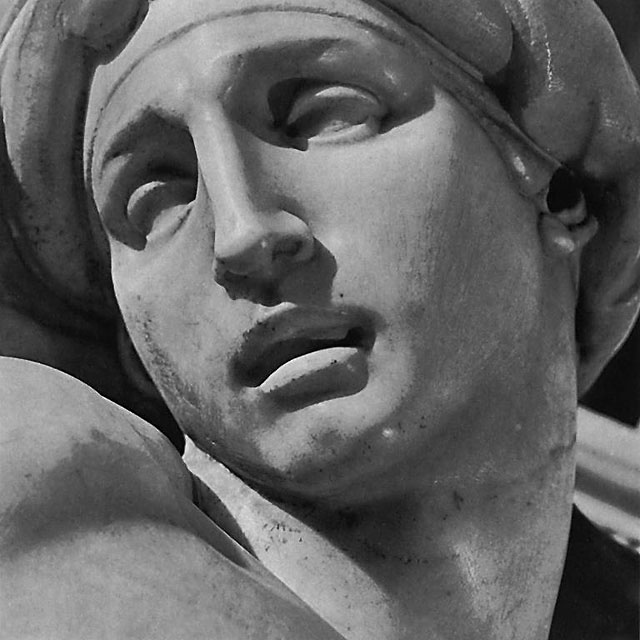
Michelangelo Buonarroti, Dawn, Cappella Medicea.
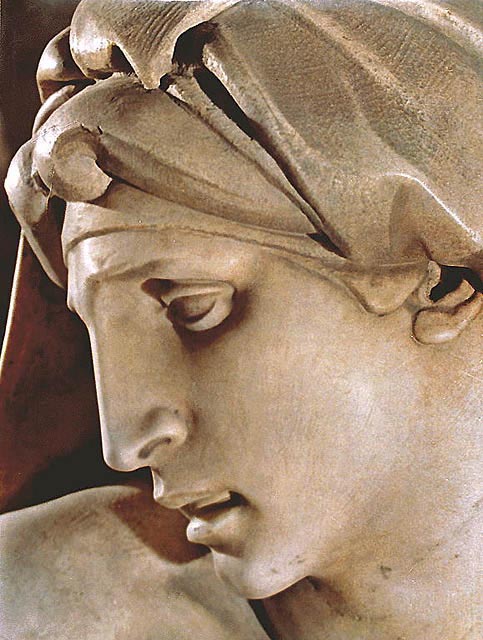
Michelangelo Buonarroti, Night, Cappella Medicea.
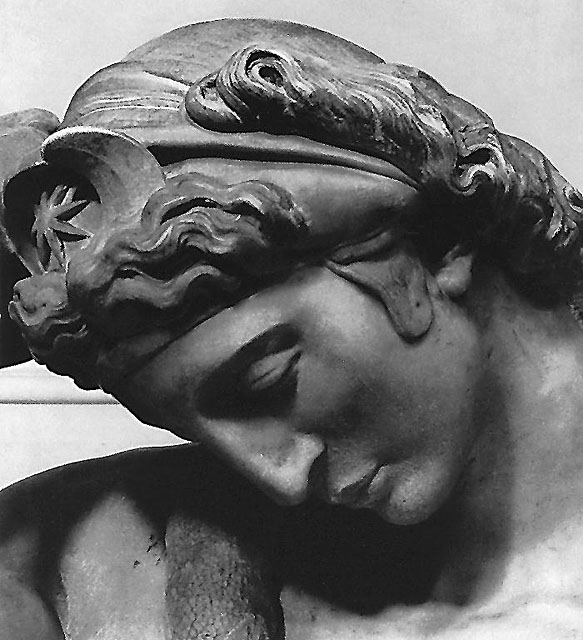
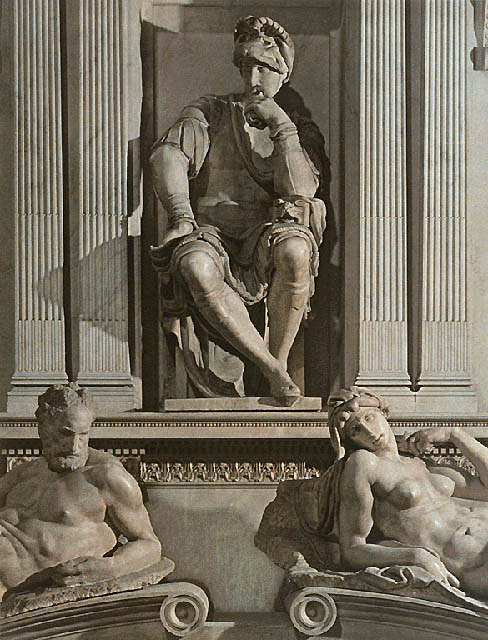
Michelangelo Buonarroti, Tomb of Giuliano de' Medici, Cappella Medicea.
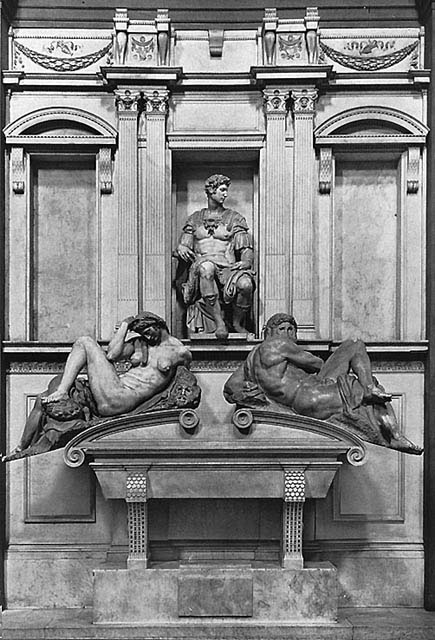
Michelangelo Buonarroti, Tomb of Lorenzo de' Medici, Cappella Medicea.
Great Staircase, vestibule of the Laurenziana Library. Firenze.
Biblioteca Laurenziana, 1519-59, Michelangelo Buonarroti. Michelangelo's design is articulated in two rooms, the vestibule and the reading room, conceived as autonomously configured spaces placed one after the other. The vestibule is completed in the centre by the monumental staircase, executed by Ammannati.