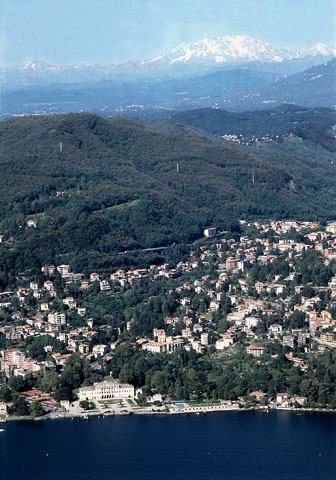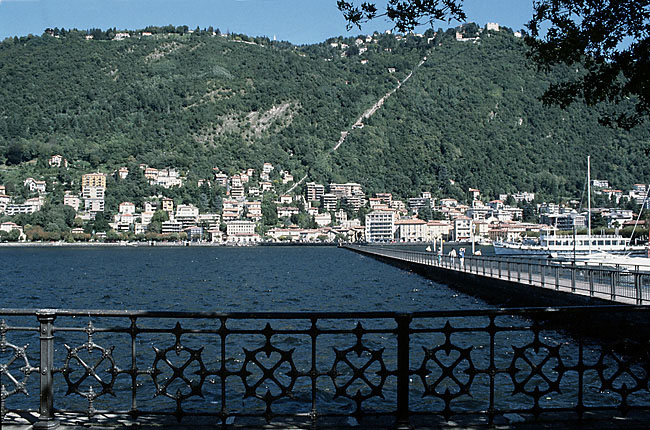
Como
Text taken from: “Nuovo Dizionario Geografico Universale”, an original Italian work by a society of scholars, Venice, 1828.
COMO, Comum, a province of the Lombardy-Venetia kingdom bounded to the North by Switzerland, to the North-East by the Valtellina, to the East by the province of Bergamo, to the South by that of Milan, and to the West by the Sardinian States, from which it is separated by Lake Maggiore. Its shape is very irregular, being 23 leagues long from South to North and varying from 3 and a half to 14 leagues in width, from East to West. It covers an area of 160 leagues, with 345,100 inhabitants. The Lepontine and Rhaetian Alps and the delightful hills of the Brianza and the Varesotto offer varied scenery and form fine valleys, such as the ValSassina, the Val-Intelvi and the Val-Assina, the last of which is the source of the river Lambro. The Olona rises in the Val-Sessia, not far from Varese. Its principal river is the Adda, which, descending from the Braulio, flows into Lake Como, leaves it lower down at Lecco and, by way of artificial canals, links this province with the Milanese. In its eastern part lies Lake Como, to the South-West Lake Varese, and to the South-East the small lakes of Alserio, Montorfano, Pusiano, Sala and Annone, which
perhaps, once united, formed in ancient times the lovely Eupili. The abundant vegetation makes the temperature of the air excellent, although it is subject to variations on account of the winds that suddenly issue from those gorges. In the depth of winter the hills and shores are enamelled with violets and citrus fruits. As early as the 12th century the shore of the Lario was rich in olives, and in the 13th a tithe was paid on them, as on the fruits that were most abundant. Wheat, maize, vines of excellent yield, many mulberry trees and fruit of every kind, as well as flax and hemp, reward the good husbandry generally practised there, although in some places extensive scrubland is not lacking. The mountains also supply many herbs useful in pharmacy and dyeing, and in the woods every kind of plant grows, among them the chestnut trees, which provide the mountain people with their winter food. On the mountain tops numerous herds and many sheep graze, while in the plain a great many silkworms are reared, which yield excellent silk. Marbles of every shade of colour are found there, excellent clays for pottery, sandstone that yields easily to the chisel, building stone, and stone coated with very clear crystals, copper pyrites, and iron, which is mined and worked in Valcavargna, Gaeta, Dongo and Valsassina. Near Ponte Tresa and in the valley of Marchirolo lead is also mined. Trade is active there, above all the transit trade. It has tanneries, glass, crystal and majolica works, paper mills, woollen mills and above all a great number of silk mills, with steam-powered spinning mills, the privileged factory of which is in Como, as are many other factories of silk fabrics and linen cloth. In the villages near Como barometers, thermometers, microscopes, telescopes etc. are made in great numbers, and the inhabitants travel to distant countries to sell them.
Since the people of Como have been accustomed from remote times to emigrate as smiths, masons, stucco workers, etc., they are found in the ancient Lombard laws under the name of magistri comacini. The Val-Intelvi produced many masters of the art of design, and several other places were likewise fertile in fine talents: it suffices to recall Luini, the architects Fontana and Cantoni, Boldoni, a good Latin writer and poet of the 16th century, the two Venini, the one a mathematician and poet, the other a preacher, Rezzano, Sacco, the apostle of vaccination, and, to pass over many others, Parini and Apiani. The Milanese gentry have their villas on the delightful slopes of this country, which under the Romans belonged to Gallia Transpadana. In the Middle Ages Varese was the seat of the counts of Seprio, while a large part of the Brianza belonged to the Martesana.
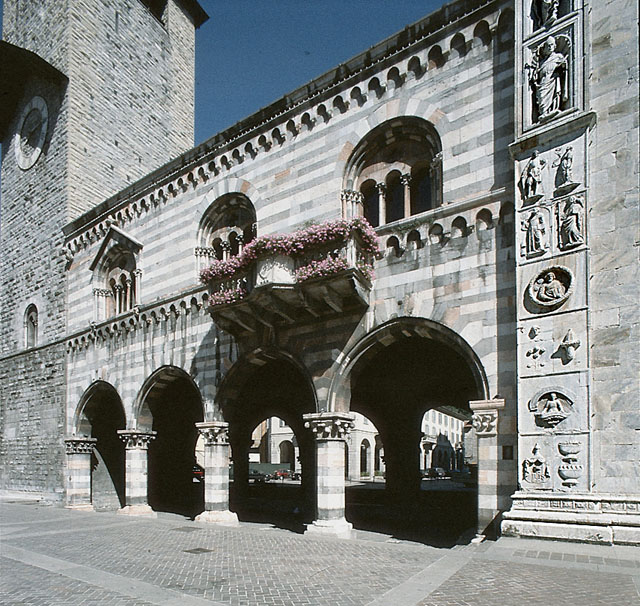
Como and the pievi of the Lario governed themselves as communes, while the so-called rural counts resided in Lecco; but they were afterwards all united under the dominion of Milan, then under the Cisalpine Republic and the Kingdom of Italy, with the name of department of the Lario, which it kept until 1816, in which year it took the title of province of Como, divided into the following 26 districts: Angera, Appiano, Arcisate, Bellagio, Bellano, Brivio, Canzo, Como, which forms two of them, Cuvio, Dongo, Erba, S. Fedele, Gavirate, Gravedona, Lecco, Luino, Maccagno, Mariano, Menaggio, Missaglia, Oggiono, Porlezza, Taceno or Introbbio, Tradate and Varese. The districts are subdivided into 530 communes. Marbles of every shade of colour are found there, excellent clays for pottery, sandstone that yields easily to the chisel, building stone, and stone coated with very clear crystals, copper pyrites, and iron, which is mined and worked in Valcavargna, Gaeta, Dongo and Valsassina. Near Ponte Tresa […]rolo lead is also mined. Trade is active there, above all the transit trade. It has tanneries, glass, crystal and majolica works, paper mills, woollen mills and above all a great number of silk mills, with steam-powered spinning mills, the privileged factory of which is in Como, as are many other factories of silk fabrics and linen cloth. of the province and of two districts, situated in a pleasant valley, 8 leagues North-North-West of Milan, at the South-West end of the lake of the same name. Lat. N. 45° 48’ 10"; long. E. 26° 44’ 57". It is the seat of a bishopric, formerly suffragan of the patriarch of Aquileia and now of the archbishop of Milan. Worthy of note in this city is the cathedral, built of fine marbles, begun in 1396 and completed only in 1513 through the voluntary offerings of the citizens; a majestic edifice whose lack of a uniform design betrays the diversity of its architects, since it displays the various gradations from the Gothic of the 14th century
to the elegant solidity of the 16th. On the Gothic façade can be seen the statues of the two Plinys, placed there by the people of Como as a monument of gratitude to their great fellow citizens. In the interior, formed of three naves in a Latin cross, paintings by Luini and Gaudenzio Ferrari are admired. Not far away is the theatre erected in 1813, behind which stands an amphitheatre. Also noteworthy is the façade of the Liceo, which rises on eight columns of antique cipollino marble and which, among other ornaments, displays the busts of those who brought fame to this city, namely the two Plinys, Caecilius, the comic poet, Caninius Rufus, who sang the victories of Trajan, Paolo Giovio, historian and orator, the popes Innocent XI of the Odescalchi and Clement XIII of the Rezzonico, and Count Castone Rezzonico, a lively writer; another niche will soon be occupied by the bust of Alessandro Volta, who was born and died there. Besides these, the people of Como boast a Benedetto Giovio, who narrated the history of his native city and collected its many ancient inscriptions, Giambattista Giovio, who illustrated the affairs of Como with patriotic zeal, Ignazio Martignoni, a good man of letters and jurist, and Giuseppe Rovelli, tireless in gathering, and a consummate critic in examining, everything that might pertain to this city, of which he also left a complete history up to 1802. Attached to the Liceo are a good physics cabinet, a botanical garden and a library founded in the 17th century by Doctor Francesco Benzi. Como is surrounded by several populous suburbs, in which are worth seeing a sanctuary of the Crucifix, which for over four centuries has drawn great crowds of the devout; the Collegio Gallio; and, in the suburb of Vico, many delightful villas, among them the most splendid Odescalchi, now Raimondi, and the Gallia, where Paolo Giovio had set up his museum on the ruins of the suburban villa of Caninius Rufus. The wool trade of this city is of very ancient fame, and was carried on by the Humiliati,
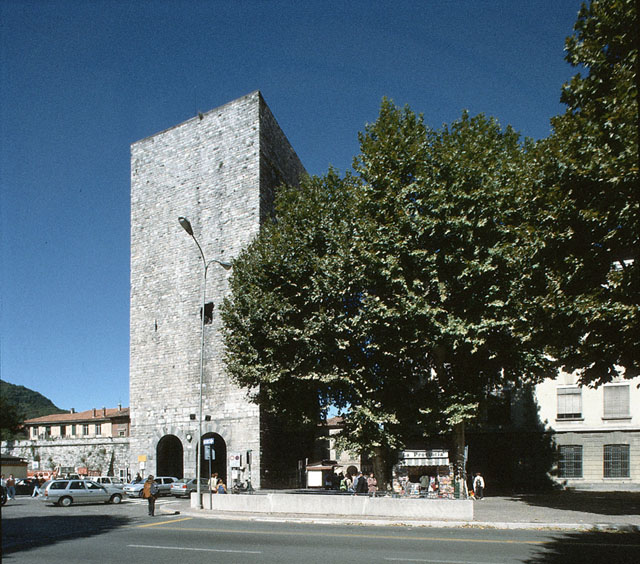
who in the 14th century had as many as 18 houses there. In the 15th century it sent to Venice alone 12,000 pieces of cloth, valued at 180,000 ducats, which today would be 2,073,600 livres tournois. Francesco Sforza clothed his troops in Como cloth and used it for many purposes at his court. The silk trade too was brought there from Zurich as early as the middle of the 14th century. The first silk mill of which any record is found in Como was set up in 1510 by Pietro Boldoni of Bellano, and by 1512 Muratto was already saying that the Como countryside looked like forests of mulberry trees. A fair has been held there since very ancient times. Today too it has extensive factories of woollen cloth, veils and silk fabrics. The Pirarde-Compagni woollen mill in S. Martino alone, where the raw wool goes in and the finest cloth comes out, supports over 450 people. Cato the Elder asserts that Como was founded by the Orobii, Cornelius by the Greeks who peopled the nearby shores, and Justin by the Gauls who came with Brennus. Having suffered greatly in the invasion of the Rhaetians, it was rebuilt almost entirely by the Romans, whence it was called Novo-Comum. Pompeius Strabo made it a municipium; Scipio settled 3,000 inhabitants there, and Caesar, having embellished it, peopled it with as many as 3,000 colonists, among them 500 Greek nobles. Under the Goths we find it showered with praise by Cassiodorus, and their rule is attested by the castle of Baradello, not far away, built in the 8th century. Having made itself free, like the other Lombard cities, in the 11th and 12th centuries, it vied with the Milanese, who, after a war of ten years fought on land and water, destroyed it in 1127. Frederick Barbarossa rebuilt it in 1159 within those sturdy walls, fortified with high towers, which still surround it, though their present circuit is much smaller than that of the ancient walls. It was troubled by the factions of the Vitani and the Rusca, the latter of whom also held the lordship of it at the beginning of the 1400s and later ceded it to the Visconti in 1415, from which time it shared the fortunes of Milan. It now has 15,500 inhabitants, including those of the suburbs. Taken from: “Nuovo Dizionario Geografico Universale”, an original Italian work by a society of scholars - Venice 1828
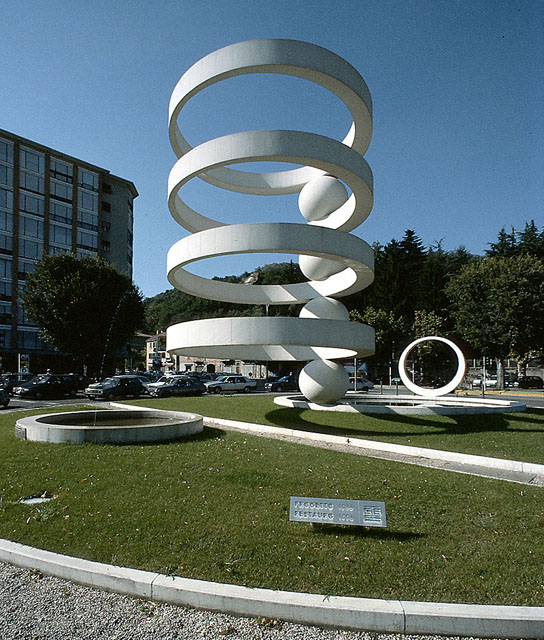
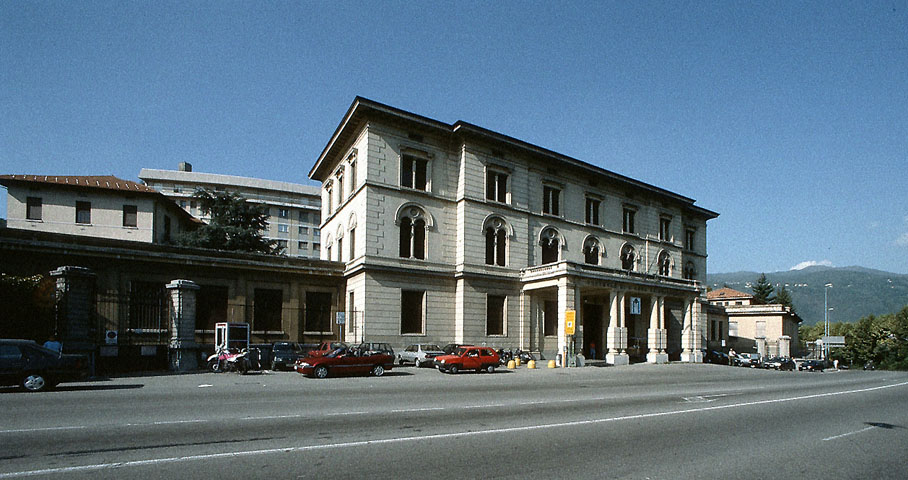
Ospedale Sant'Anna and the Camerlata fountain in Como
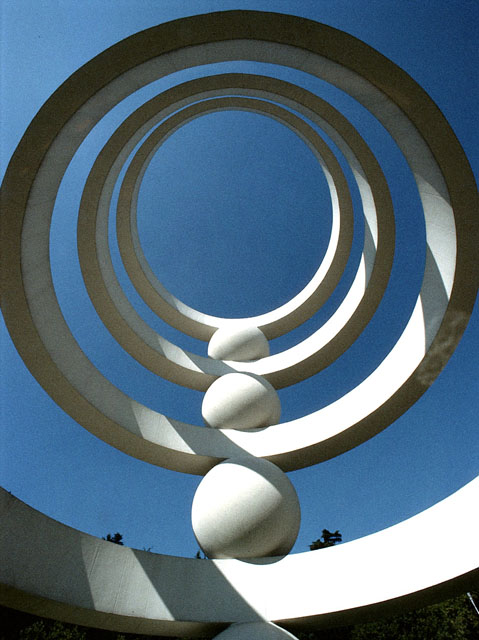
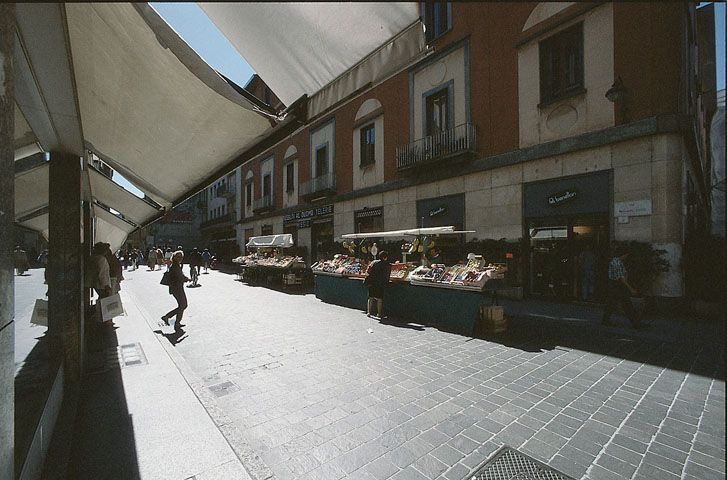
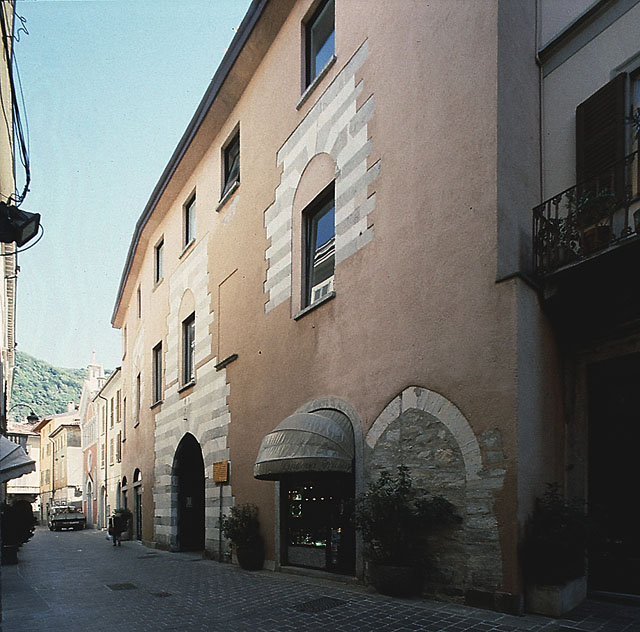
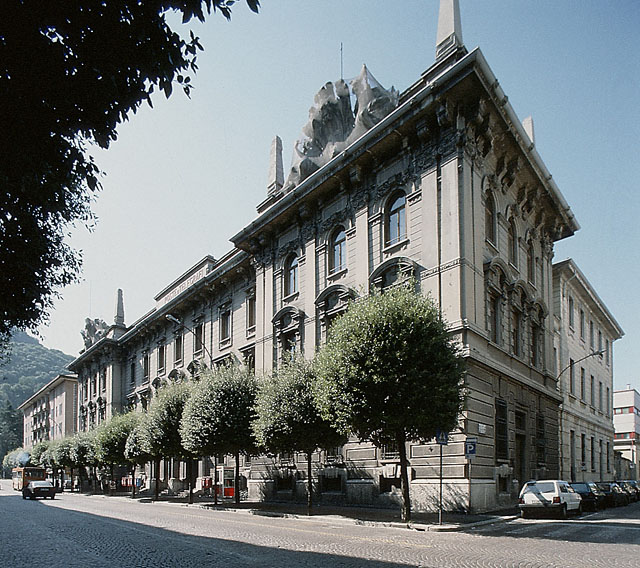
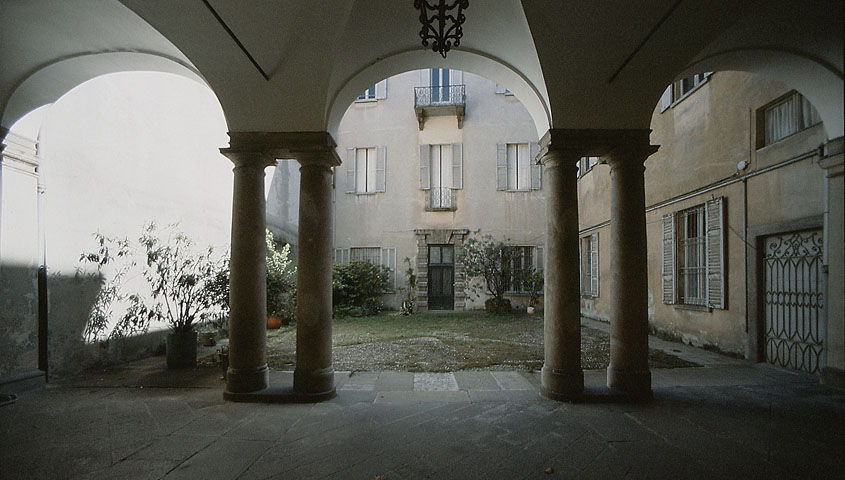
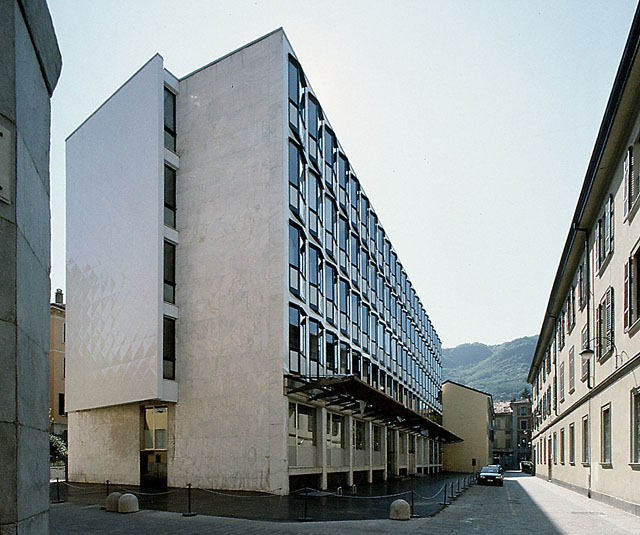
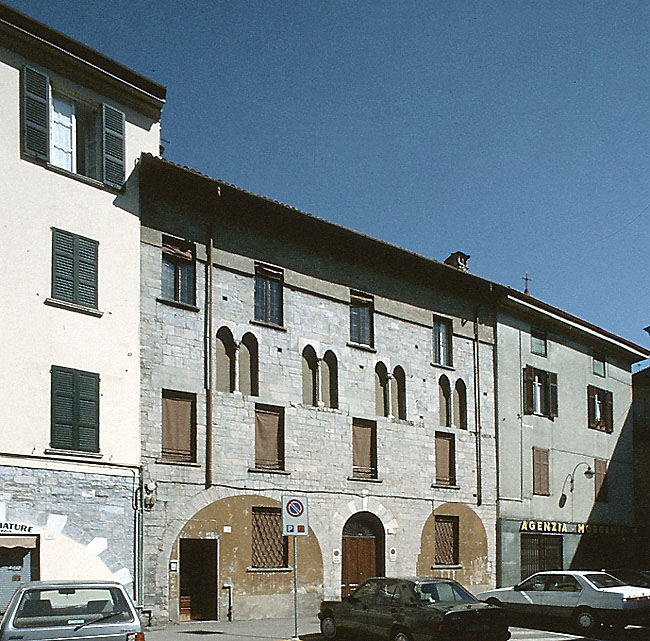
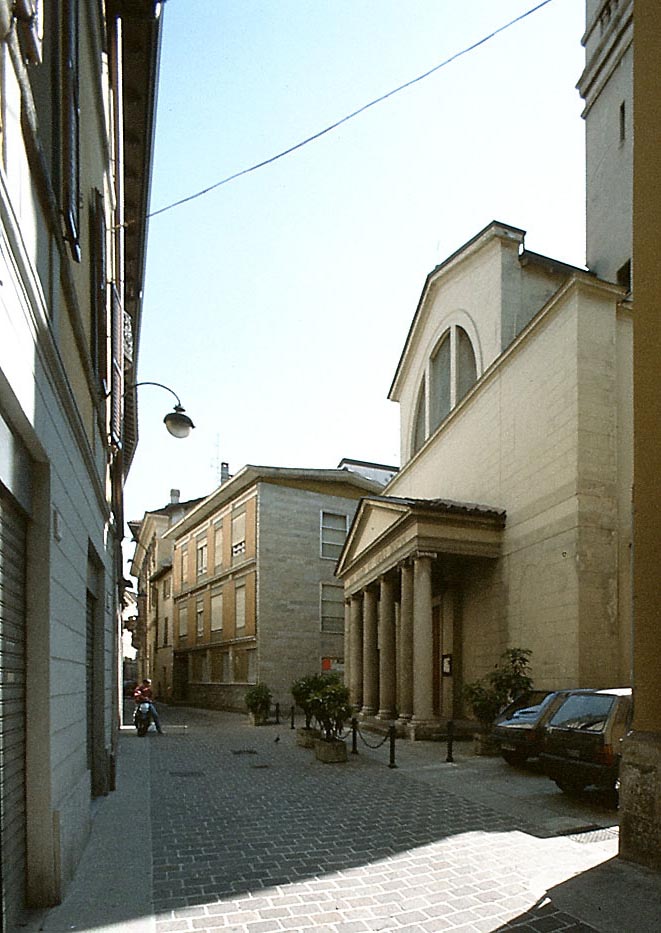
Como, city centre




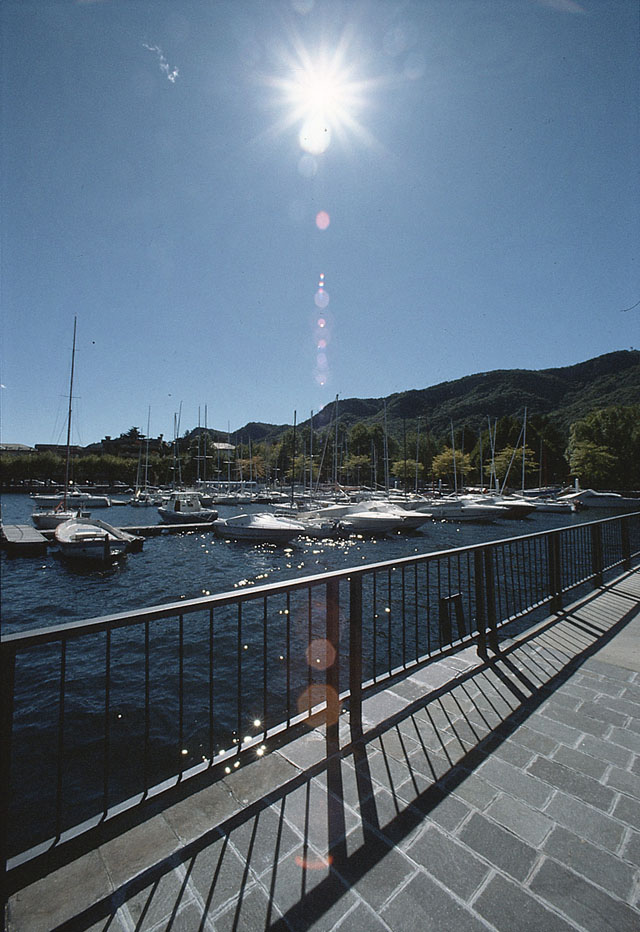
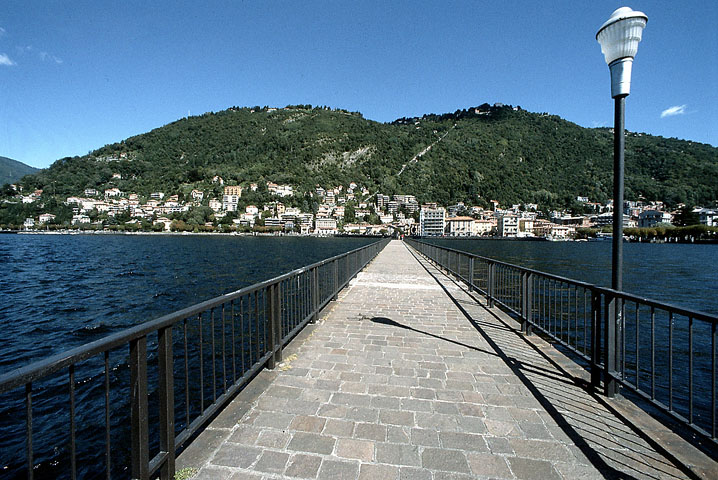
Como, Diga Foranea




Como - The Fountain


Como - The funicular

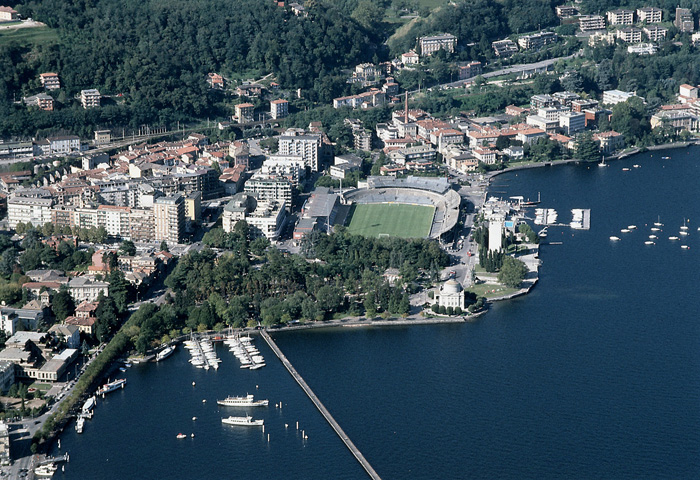


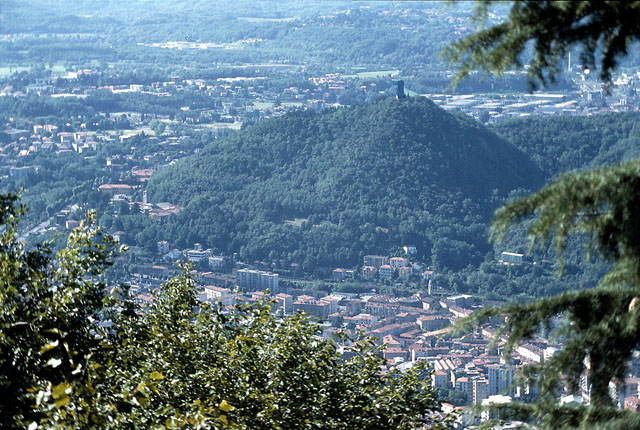


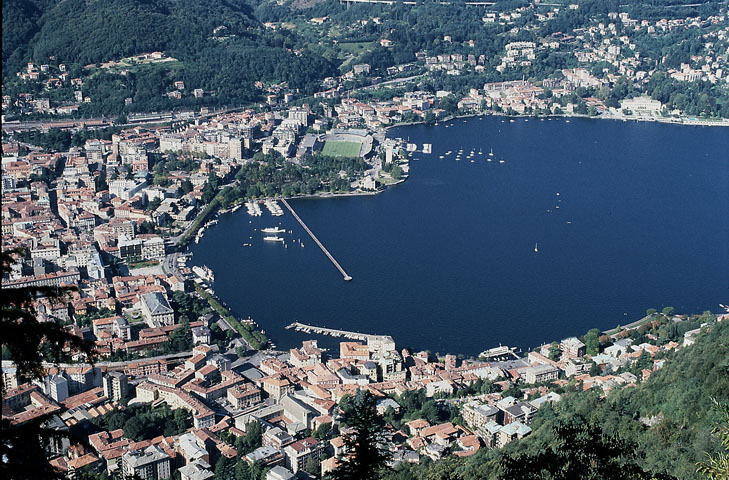
Como - The lake


Como - Piazza Cavour
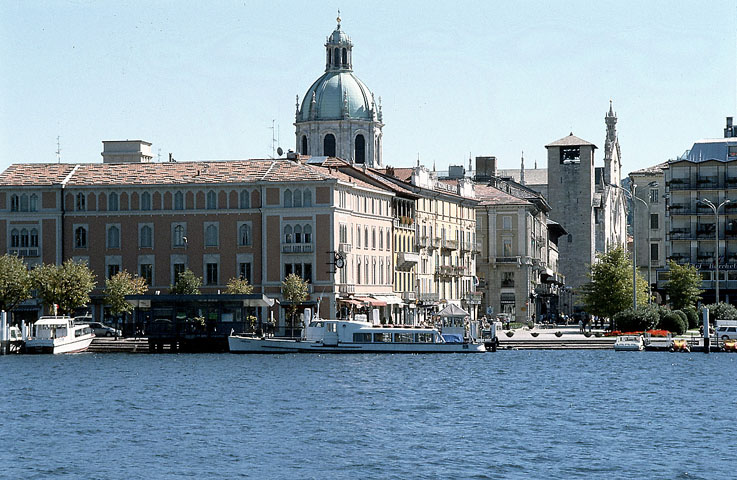


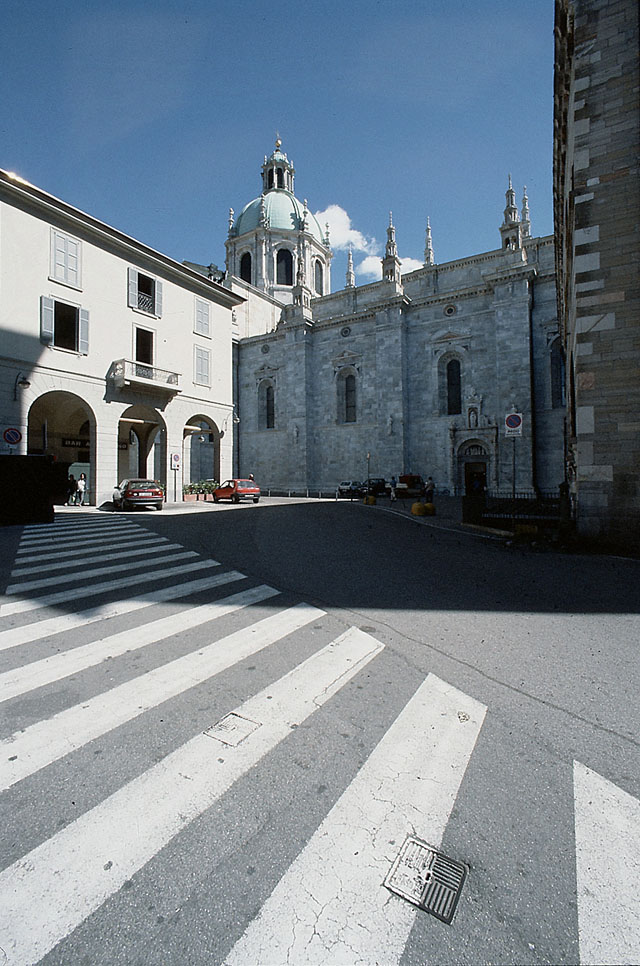
Como - Piazza Duomo



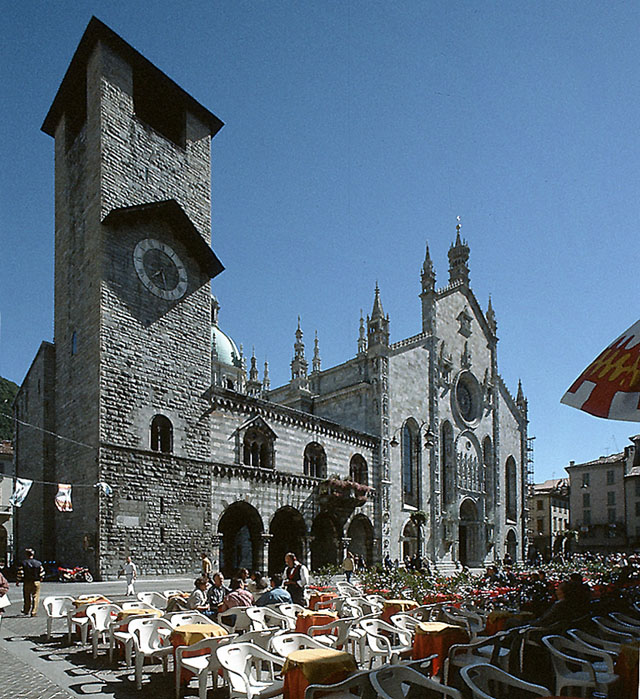

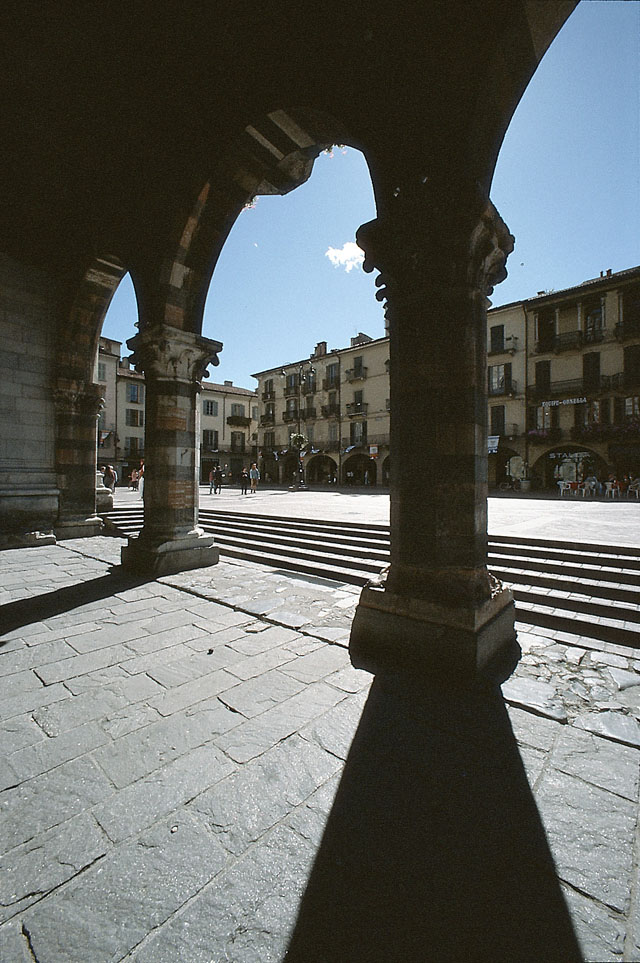
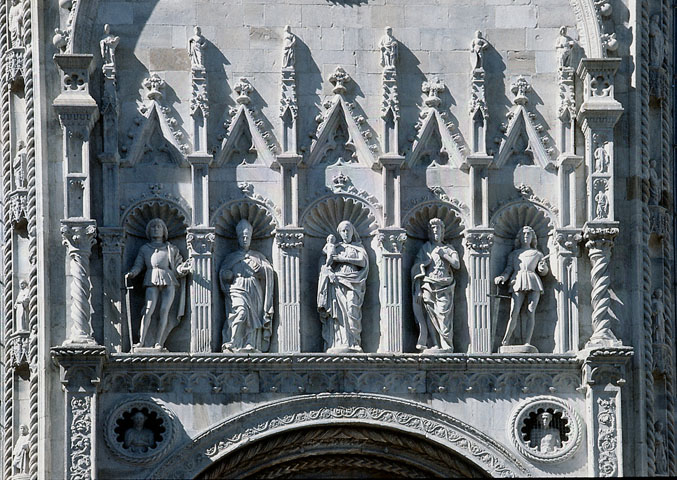


Como - Piazza Verdi and Piazza del Popolo
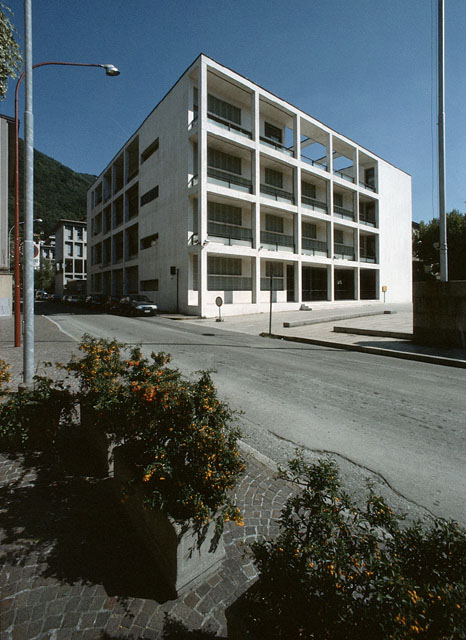

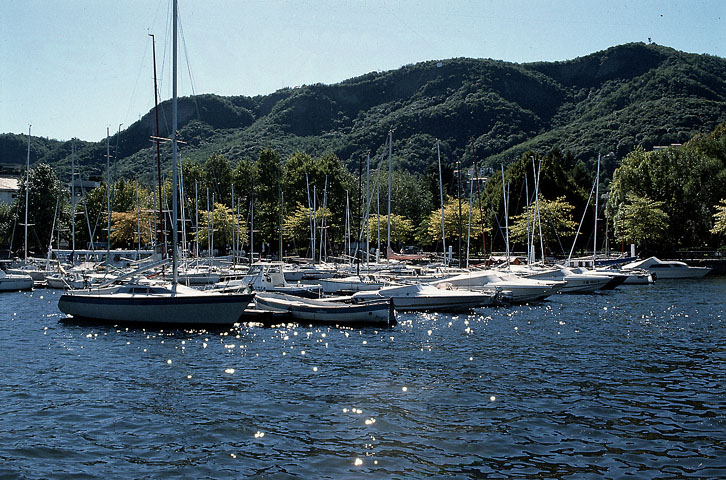
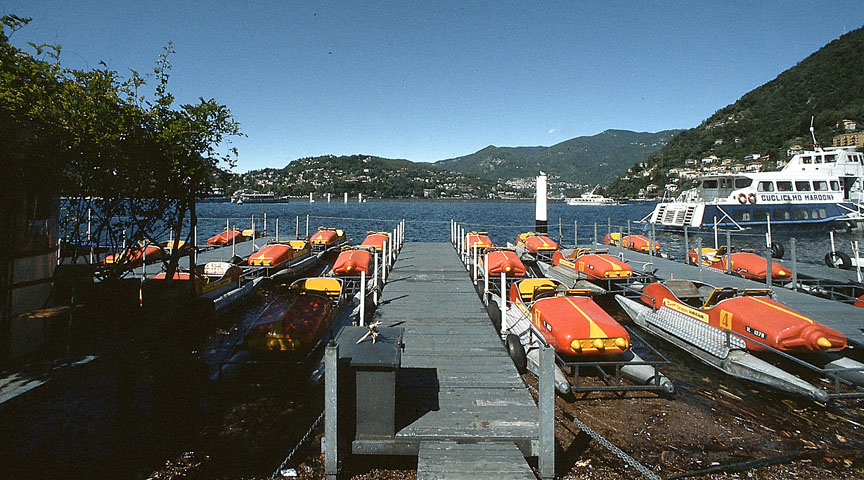
Como, the harbour



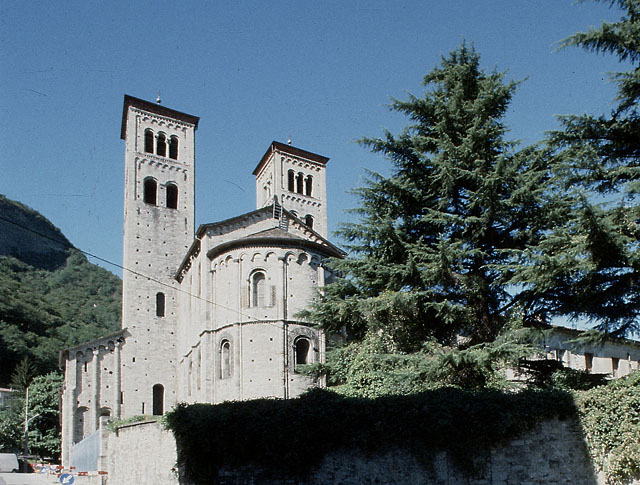
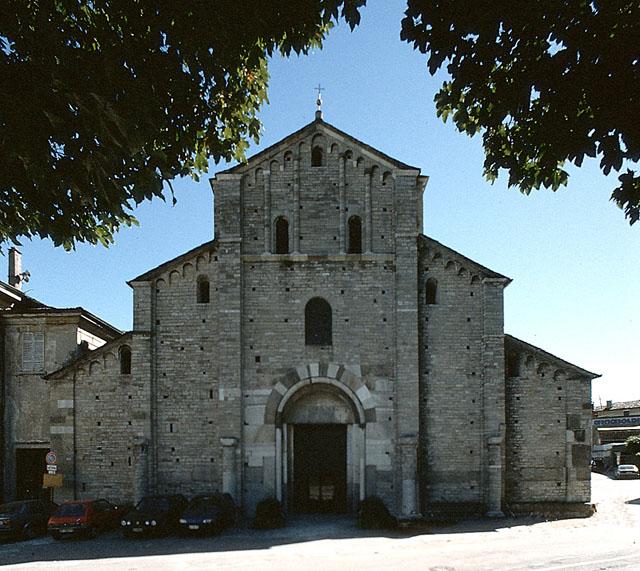
Como - Sant'Abbondio



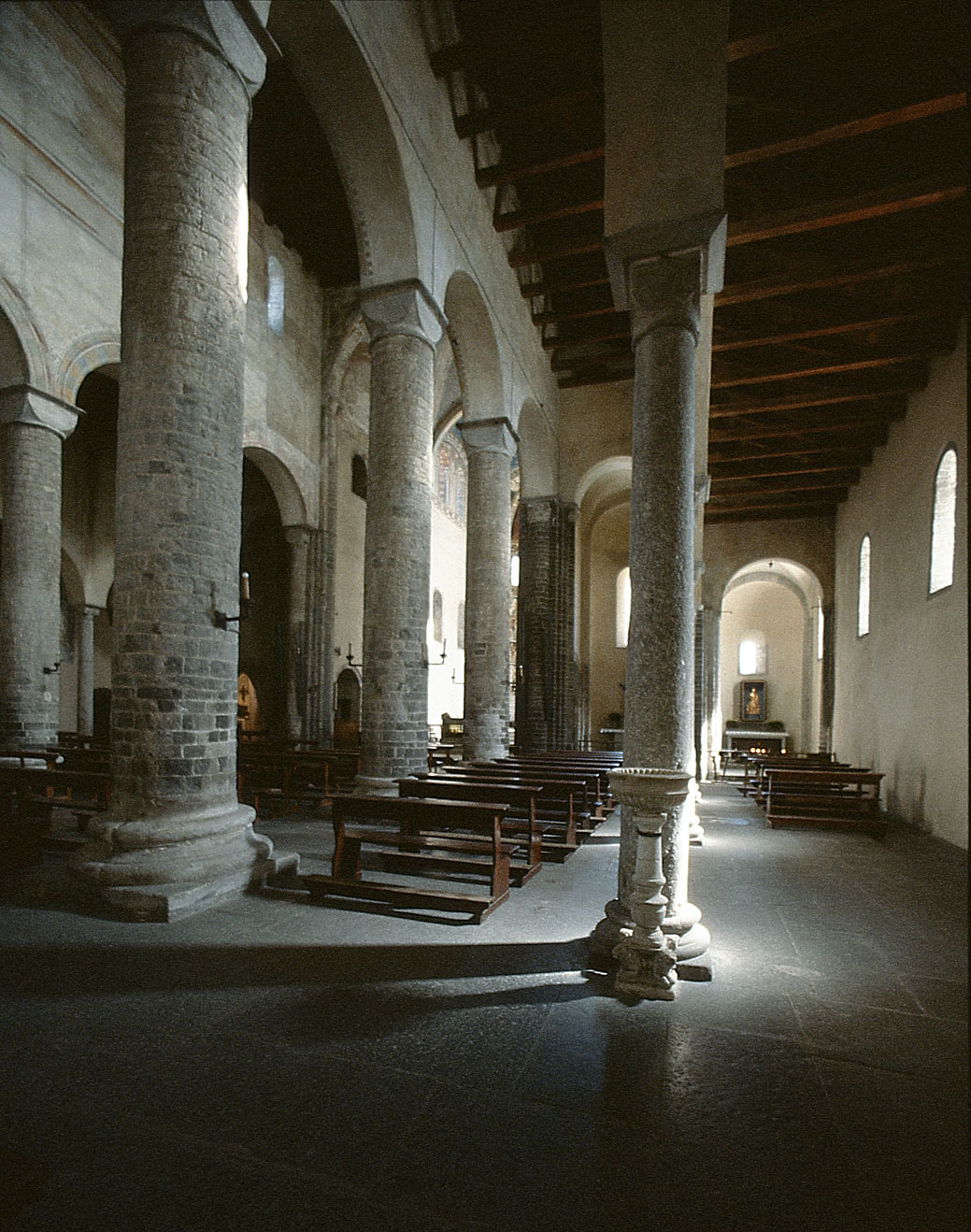
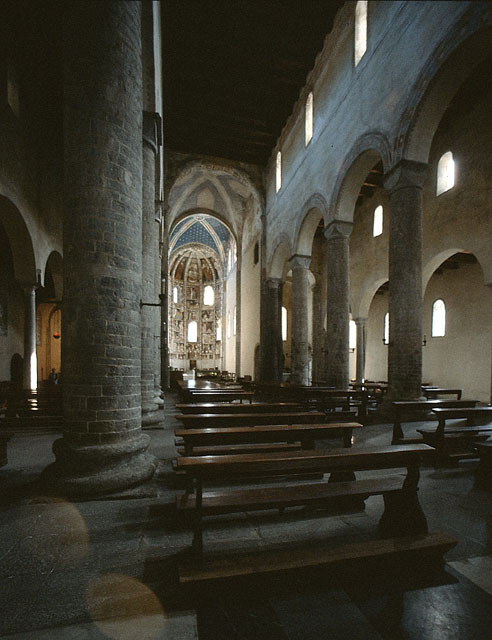

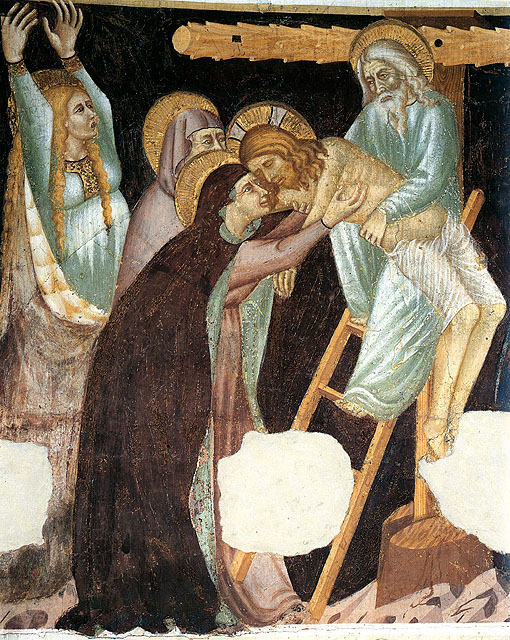
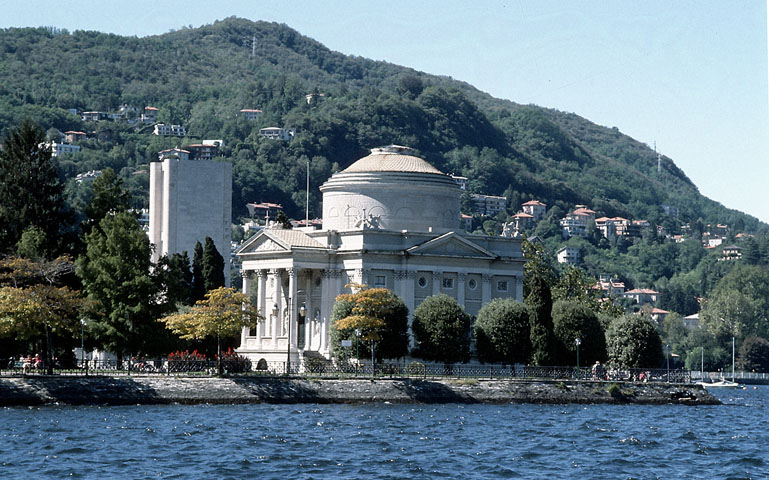
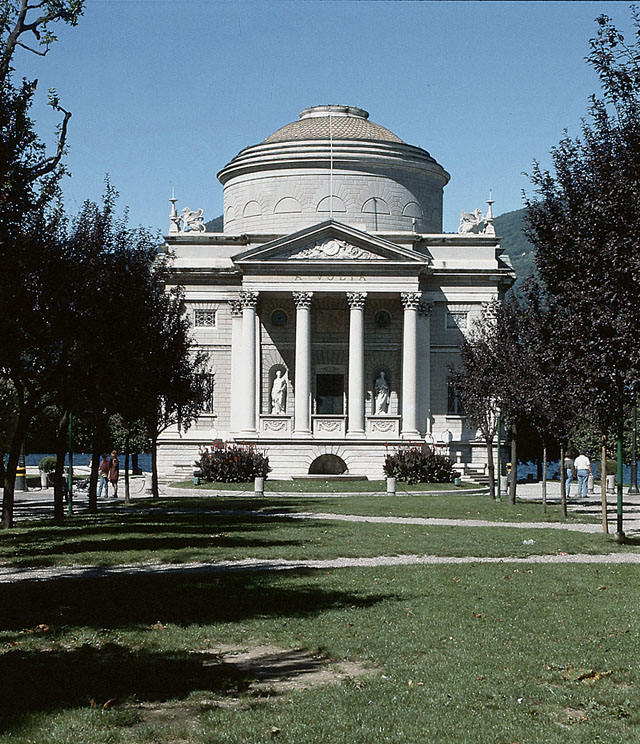
Como - Tempio Voltiano


Villa Olmo