Francesco Messina
Francesco Messina’s childhood is a textbook example of poverty and emigration – in his case not even successful emigration, so wretched were his family’s circumstances. He was born in 1900 in Linguaglossa, a small Sicilian town on the slopes of Etna, and was only a little boy when he arrived in Genoa with his father, who discovered that he did not have the money needed for the rest of the journey, whose obvious destination was America. At the age of eight he began working in a marble-cutter’s workshop, and so had time to learn the technique and manual skill that would make him a sculptor able to draw confidently out of the material (wax, terracotta and above all bronze) the exact design of the work of art.
For many he was a great, or even a very great, craftsman, he was certainly not an innovator, but the history of his long and prolific career (he died in Milan in 1995) shows an evolution that reflects the cultural climate of the times, while always remaining consistent with his own idea of figurative art. With few exceptions, his subject would always be the human body.
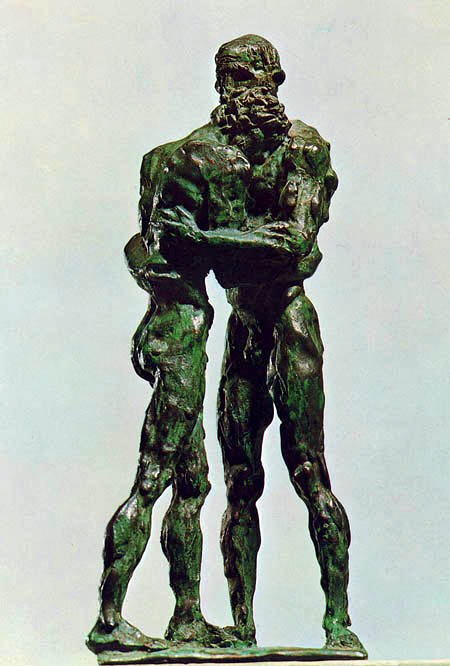
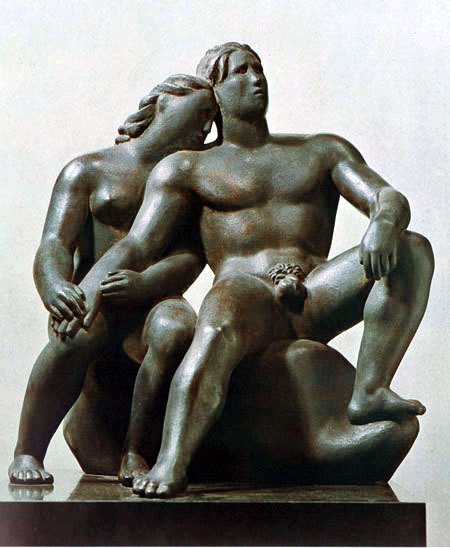
At fifteen he exhibited his first works, and he went on working in the workshop until he was twenty, when he decided that he had to see the best of the world’s art for himself, and he toured the museums of Europe, travelling by night to save on hotels – but perhaps this is just an anecdote. Rodin, who had been accused of making his famous sculpture The Age of Bronze of 1877 by taking casts directly from the models, was certainly a fundamental encounter, with his naturalism that was not without attention to the expressive means inherent in the medium used: stone is not a canvas, a sculpture has no colours to harmonise but space to occupy and a bodily fabric to bring out. From Rodin, whom he called a “wizard of sculpture”, he would say he had learned the lesson of honesty before the model; the lesson of style, visible above all in the portraits, came from the study of the Italian Quattrocento and especially of Donatello. For the record, the figurative choice was not immediate for Messina: just after the First World War he made, in his own words, a brief foray into Futurism. Almost nothing remains of this phase, because the artist destroyed all his attempts in that direction, significantly saving only the bronze Pair of Lovers, in which the1 dilation of the bodies – reminiscent of one of Picasso’s periods – and the lines drawn taut to conceal the muscles certainly do not take the work outside the naturalistic sphere.
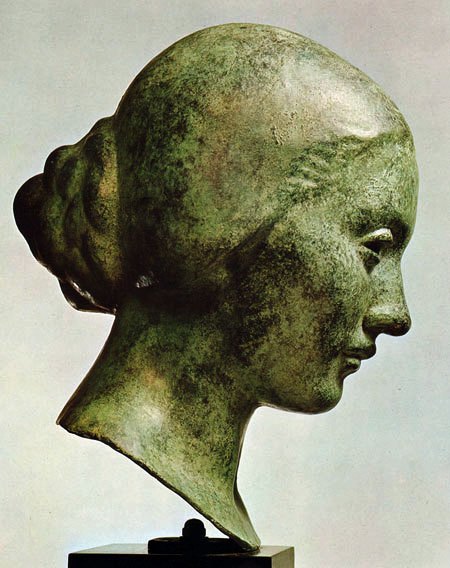
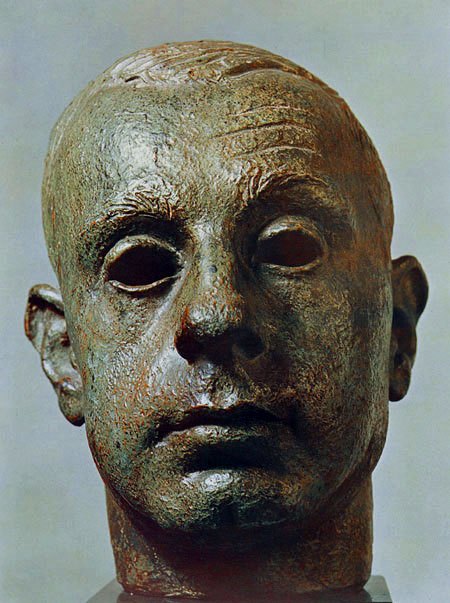
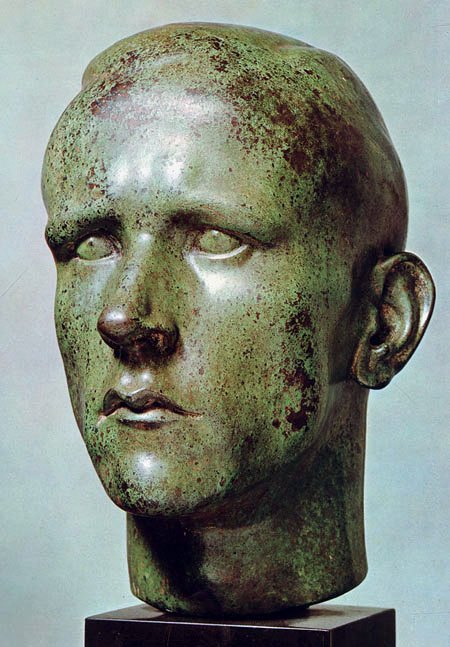
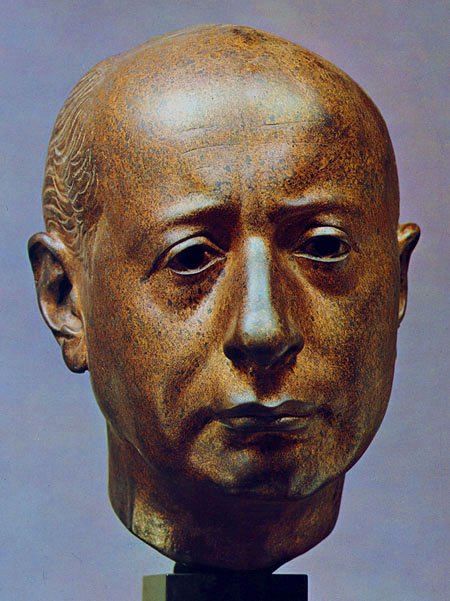
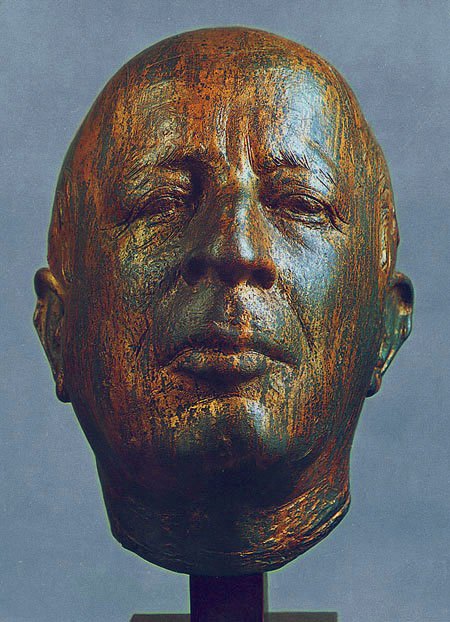
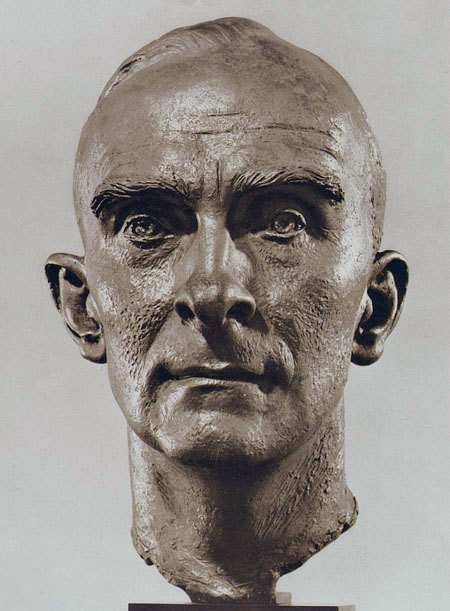
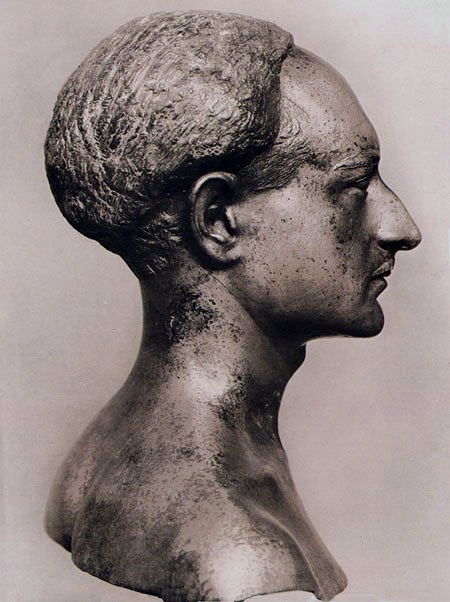
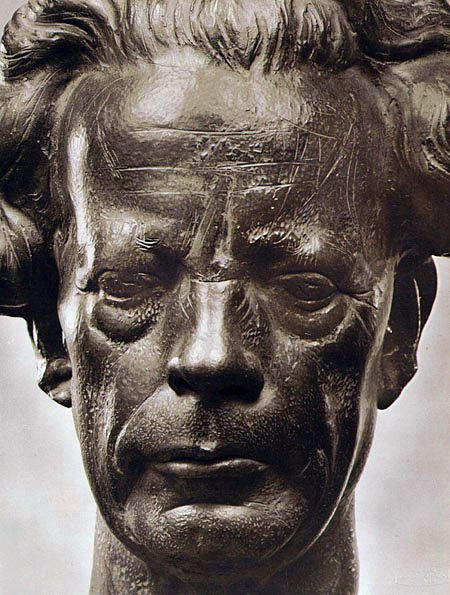
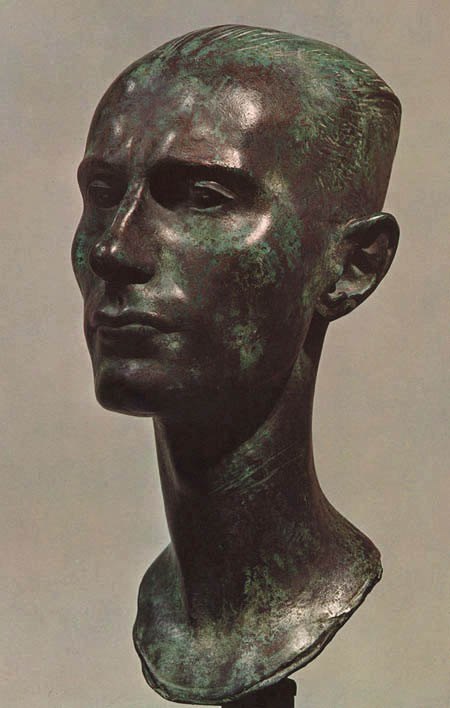
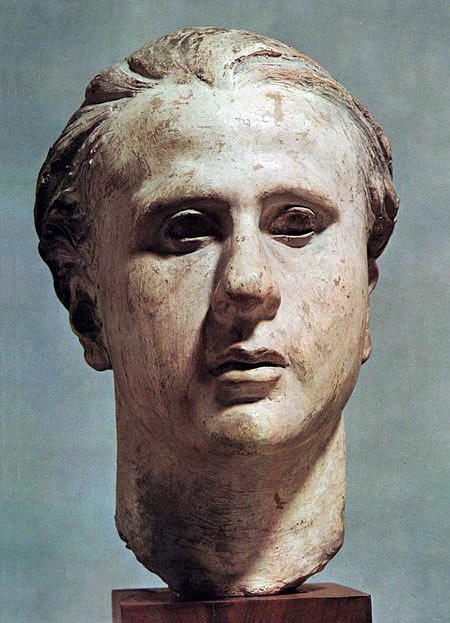
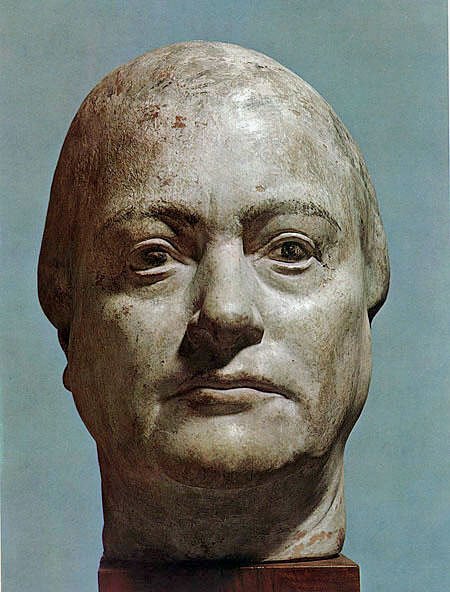
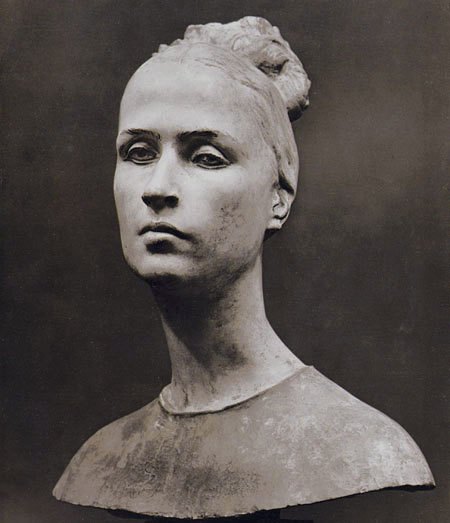
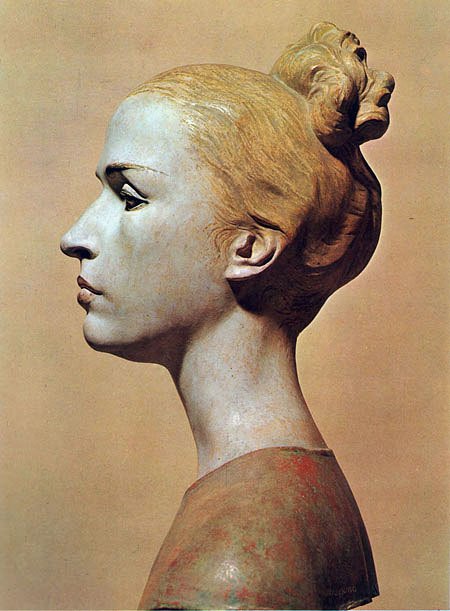
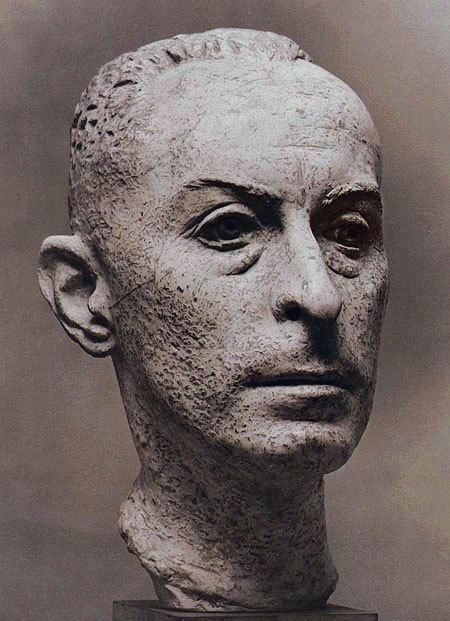
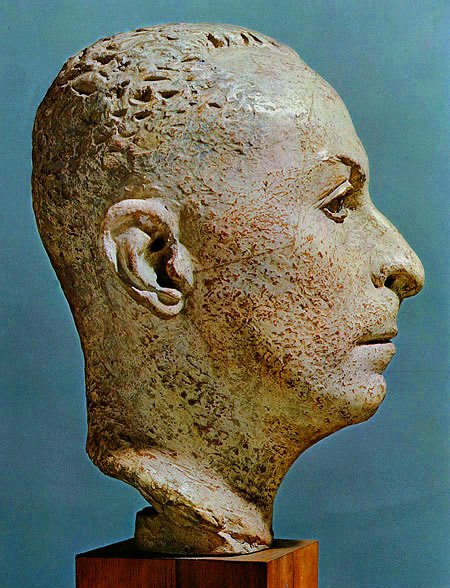
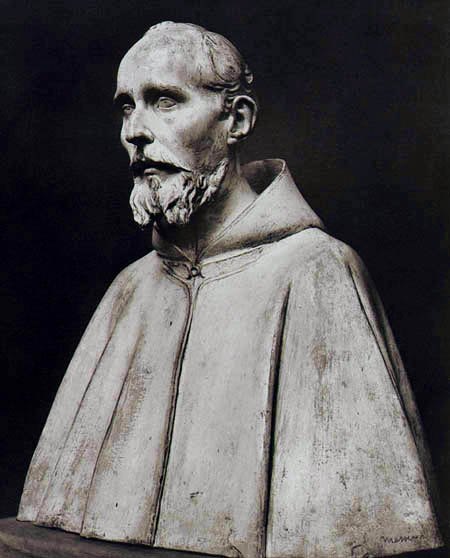
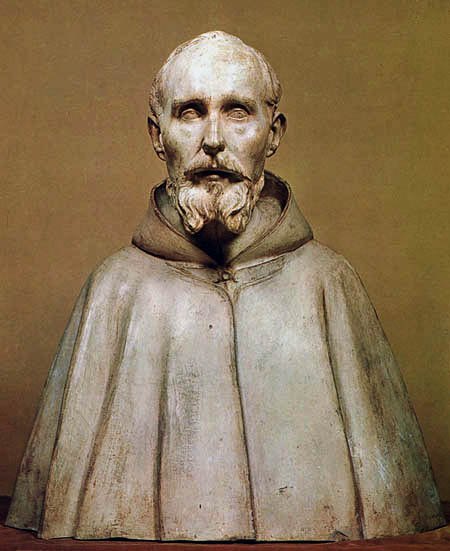
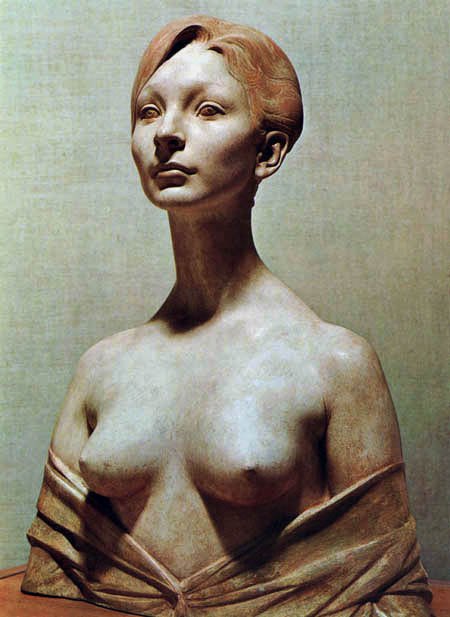
By the 1930s Messina was a more than established sculptor: in 1932 he moved to Milan and two years later, through a national competition, he obtained the chair of sculpture at the Accademia di Brera, succeeding Wildt. His fame grew, and with it his work as a portraitist. The bronzes Head of a Girl and Portrait of a Poet date from 1929; they were followed by famous and less famous sitters, such as the Portrait of a Fair-Haired Young Man, and those of Massimo Lelj, Raffaele Calzini, Heinz Wressing, Salvatore Quasimodo and Giovanni Papini, up to the razor-sharp Indro Montanelli of 1950, the year in which Messina began to cut back on portraiture to concentrate on the female figure. But those mentioned are only some of the works in bronze: among the polychrome terracottas we find a Self-Portrait of 1932, a Portrait of His Mother, the busts of his wife Bianca and of Gustavo Sanvenero Rosselli, the perfect pyramid of the Capuchin Friar, and the gentle profile of the little girl with the dove, Beatrice.2
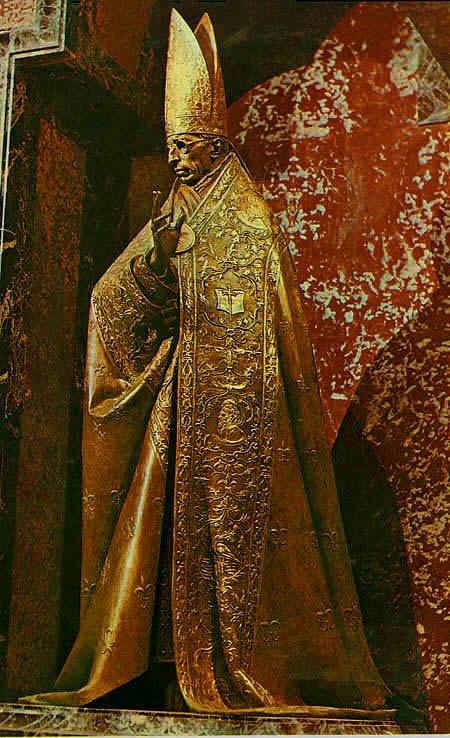
In the difficult art of portraiture, which is a compromise between the truth of the model, the interpretation of the artist and the patron’s demand for a portrait that is at once a good likeness and pleasing, as well as expressive, Messina moved skilfully between the verism of the terracottas and almost Expressionist concessions to the material of bronze (as in the Portrait of a Poet, and in those of Papini and Calzini; matter left to quiver in the manner of Rodin, or left unfinished in the manner of Medardo Rosso, would be much more frequent in the works Messina made for himself). A chapter apart among the portraits is the monument to Pope Pius XII, a work of photographic realism that comes alive in the magical pose of the pontiff’s hand. This monument has a history that reveals the artist’s ability to prevail even over more authoritative patrons, who wanted it in marble rather than bronze; Messina also managed to persuade the commission of cardinals to depict the pope as Bishop of Rome and not as Pontifex Maximus, for a compositional reason: the ogival shape of the papal tiara, unlike the more linear mitre, would not have allowed him to complete the conical structure of the statue.
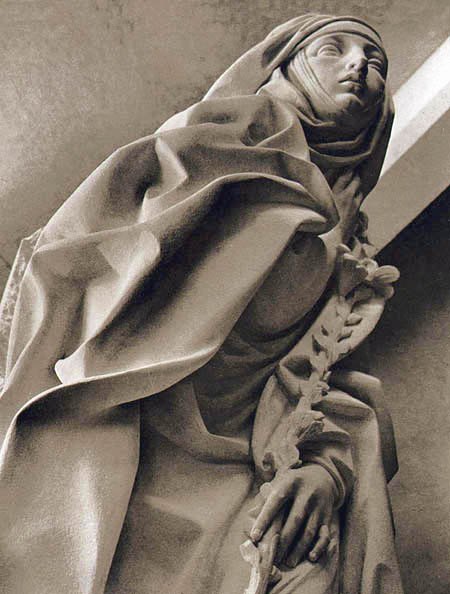
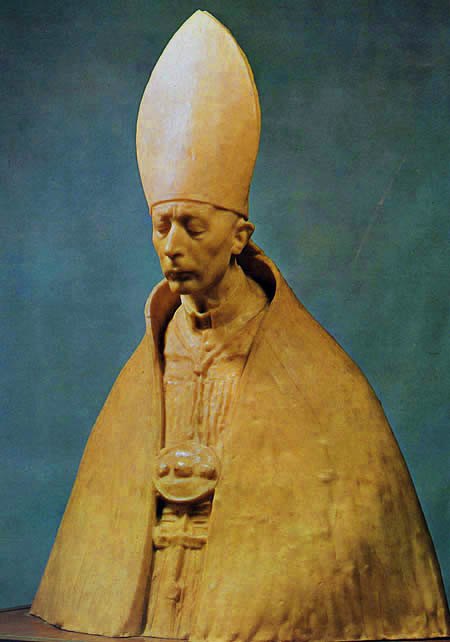
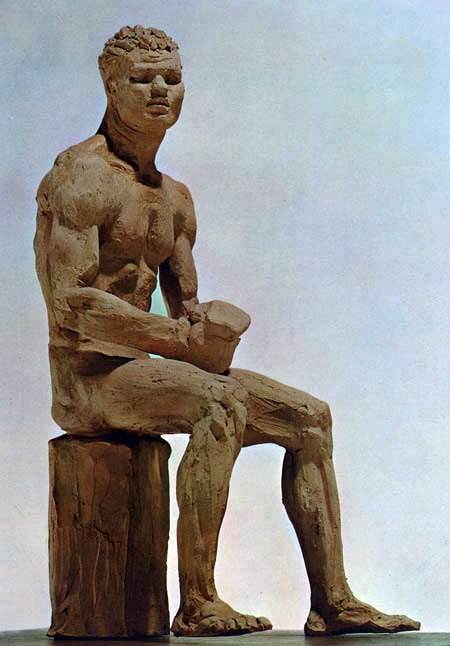
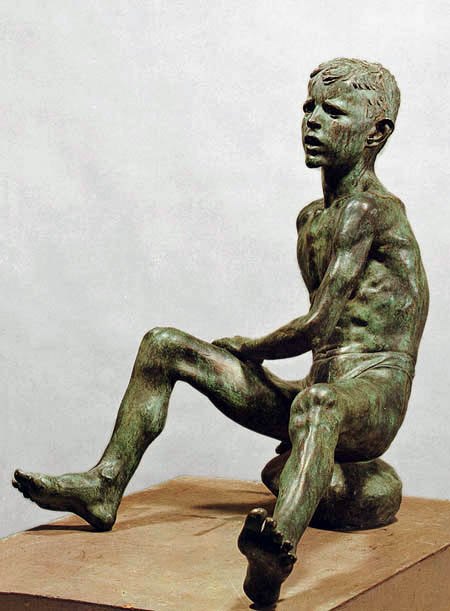
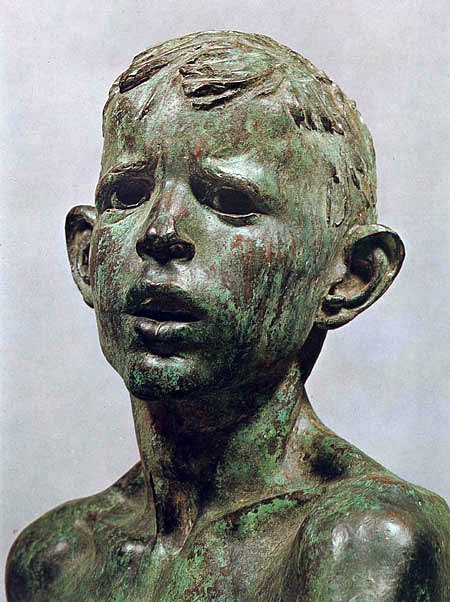
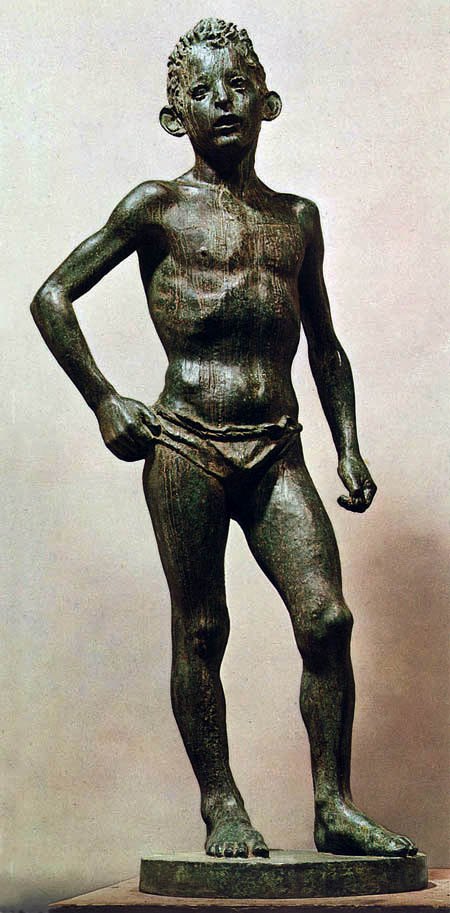
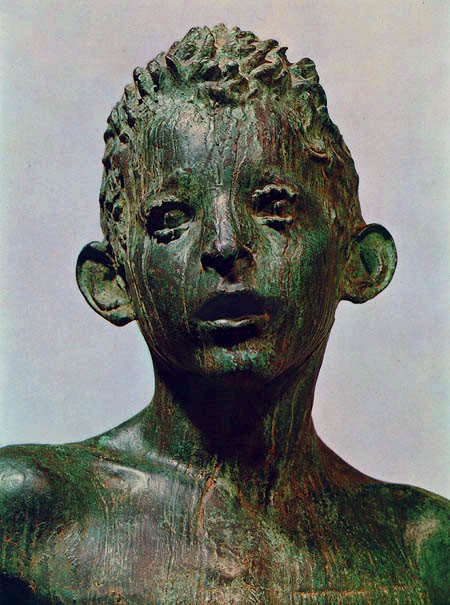
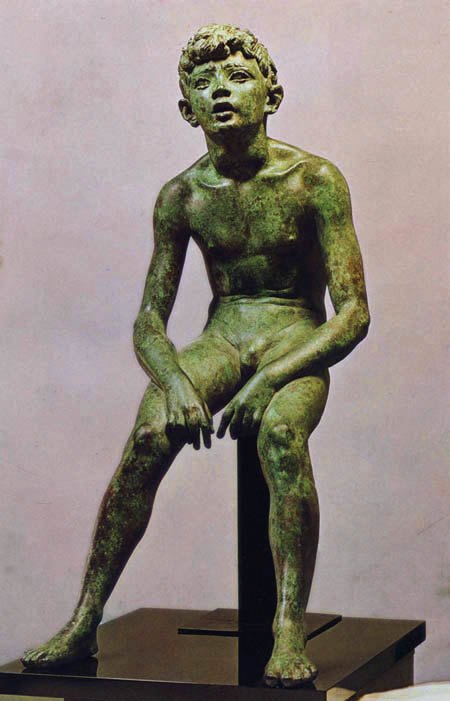
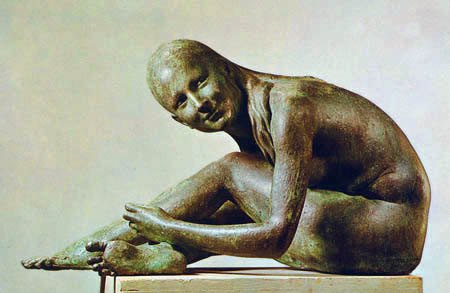
Alongside his vast output of commissioned work,3 private or ecclesiastical (we should mention at least the monumental Catherine of Siena, a marble three metres thirty high on the ramparts of Castel Sant’Angelo in Rome; the Portrait of Cardinal Ildefonso Schuster, to be compared with the statue of Pius XII to see how the wax merely hints at the vestments and concentrates instead on the severity of the face; and the tormented bronze of the Prodigal Son ), Messina always pursued an activity of study, understood as the study of the human body. To this strand belong the various figures of athletes, such as the terracotta Seated Boxer, almost a sketch, and the portraits of children taken from the beach and “forced” to act as models: The Child at the Seaside is a study of developing musculature and of breathing movements (here the anecdote has it that the boy found himself every so often with his head plunged into a tub, to simulate the forced breathing of someone who has just come up from a dive; the Swimmer shows the water running over the body through a series of incisions that corrode the bronze, while the Young Swimmer captures, in a more relaxed way, the moment of rest after the struggle with the sea. These last three works are also representative of the strong fascination that the unripeness of youth held for the artist, with its promises of development and the unique possibility of fixing a moment of evolution in sculpture.
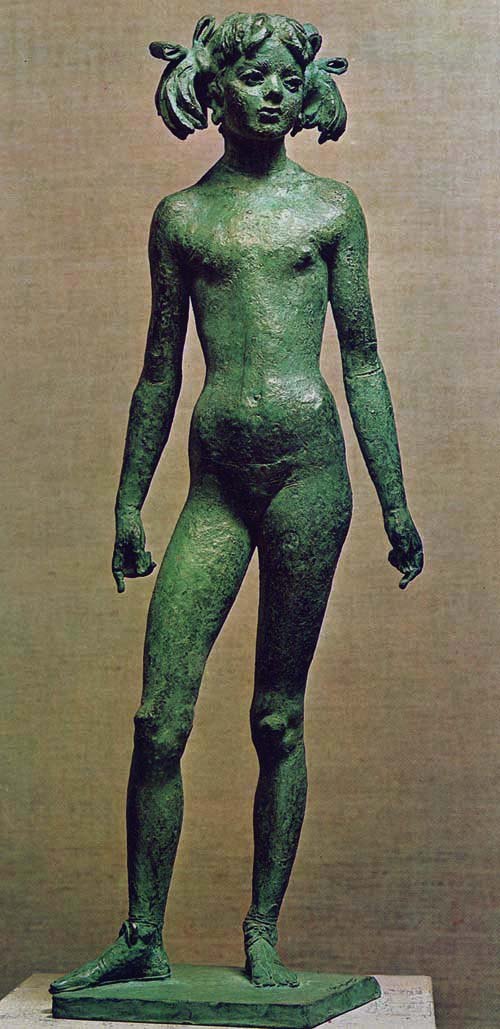
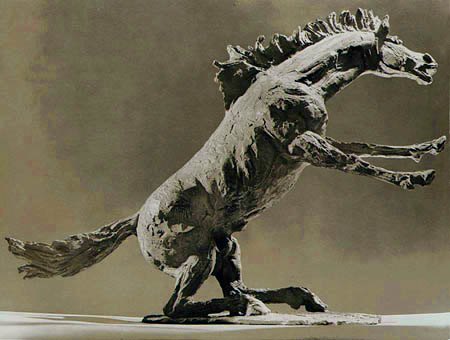
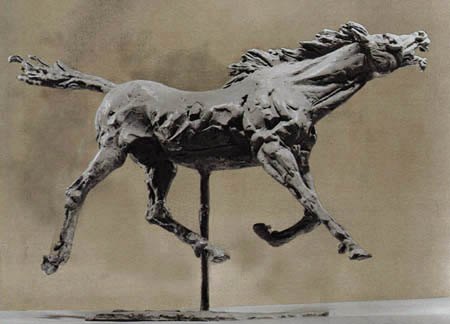
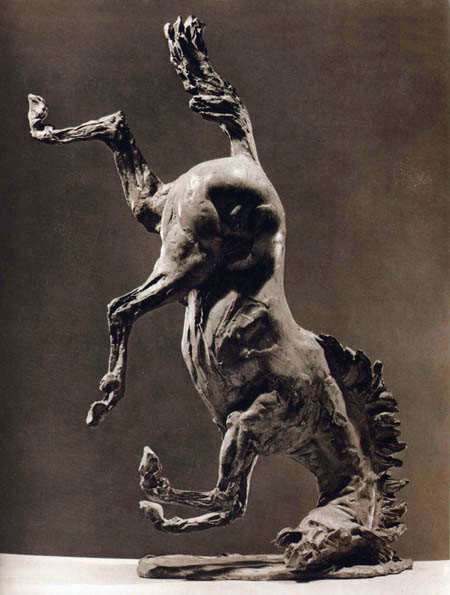
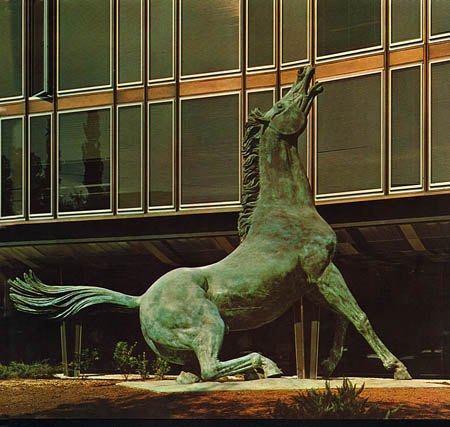
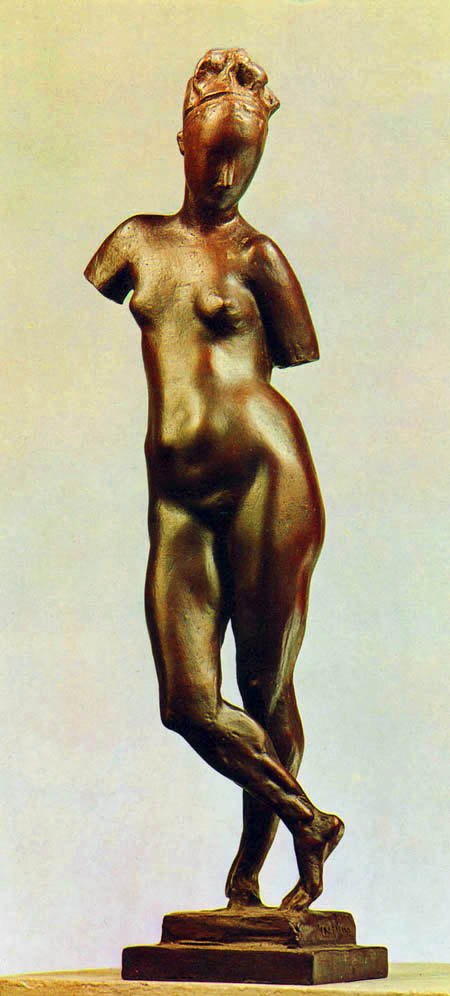
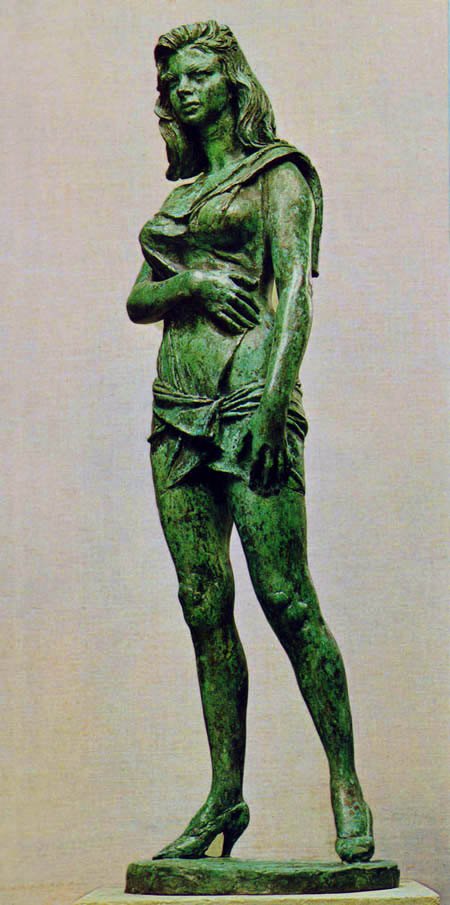
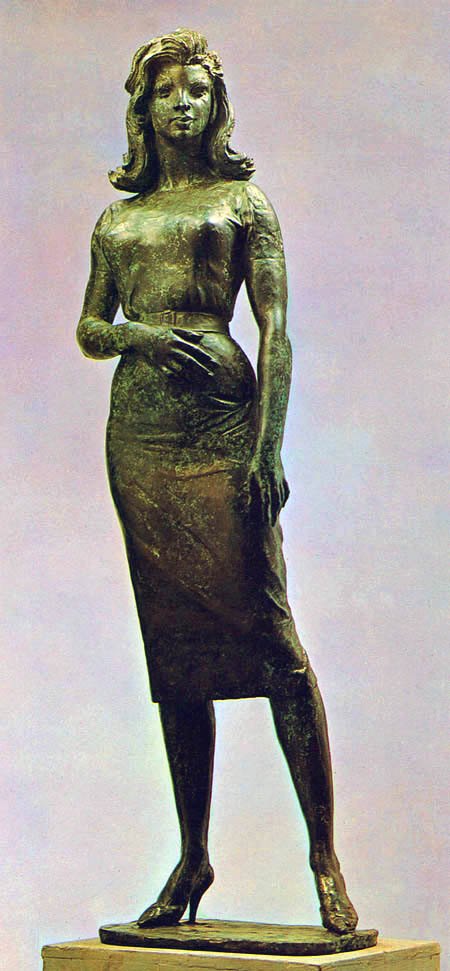
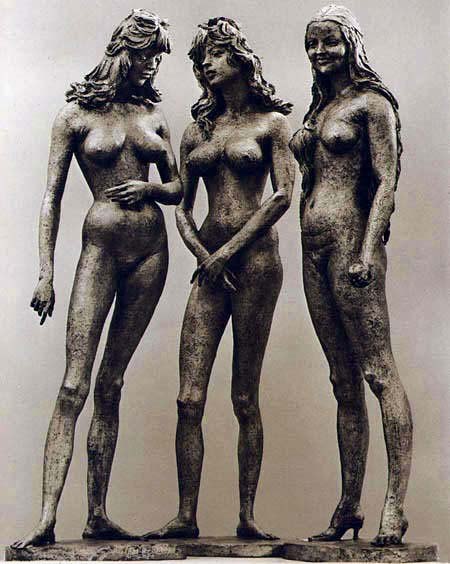
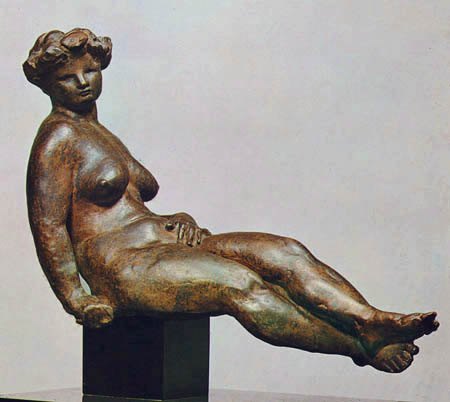
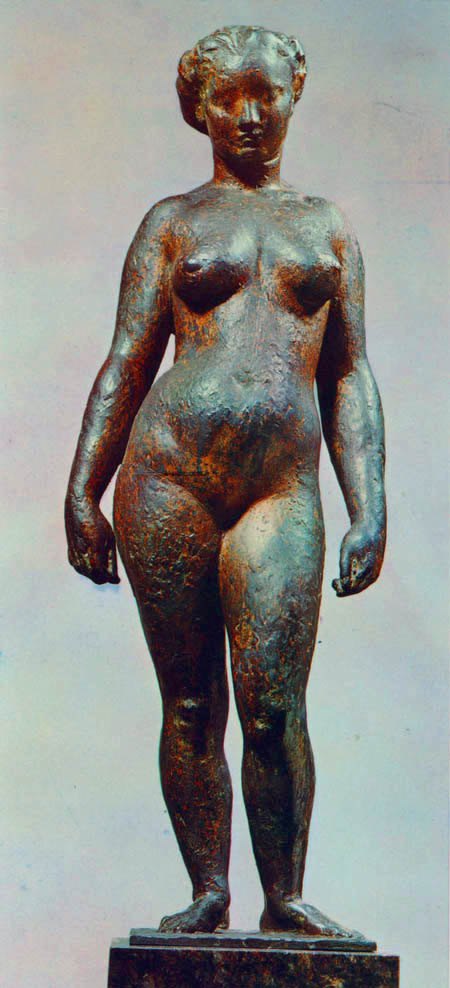
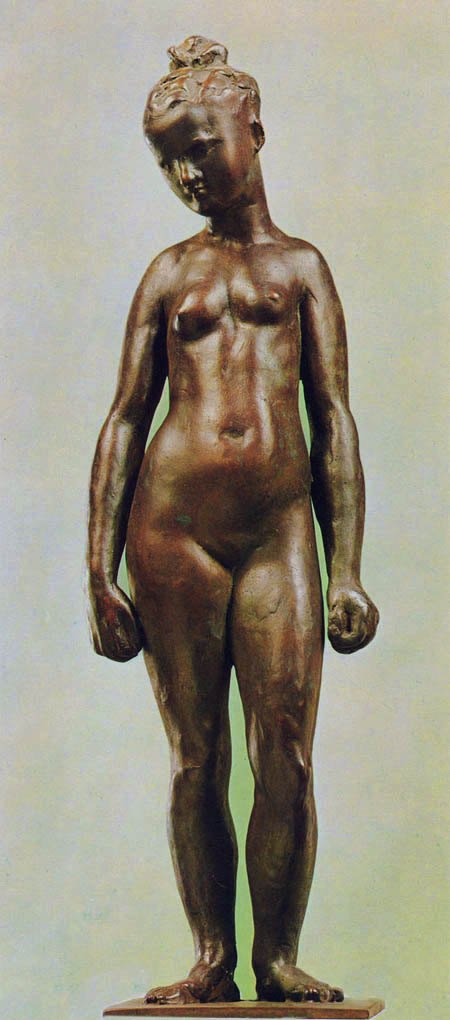
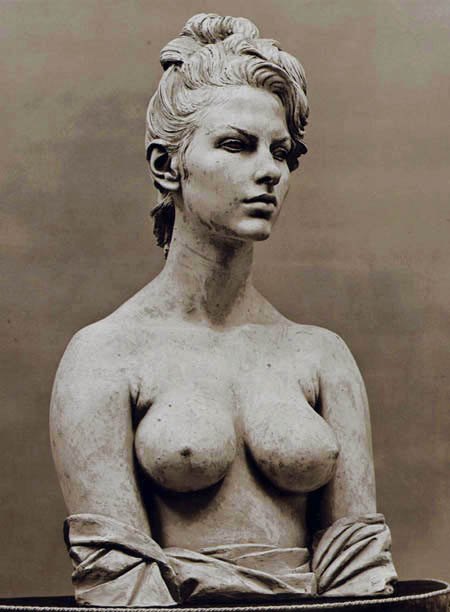
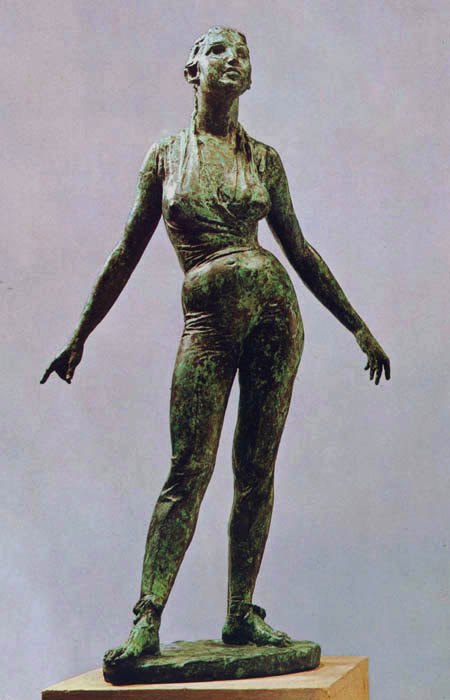
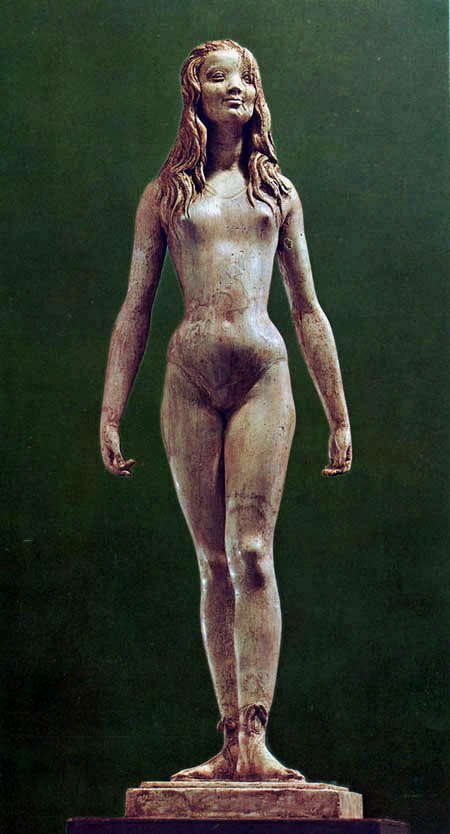
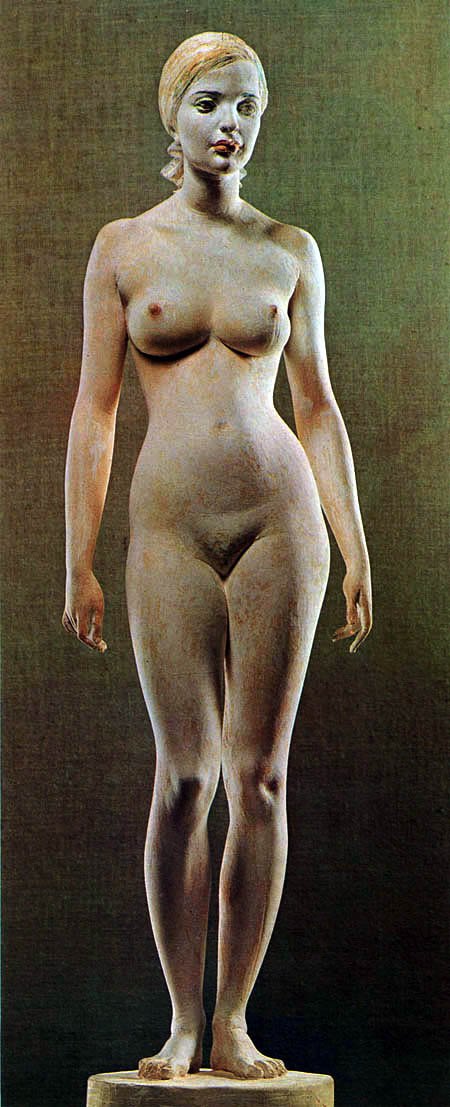
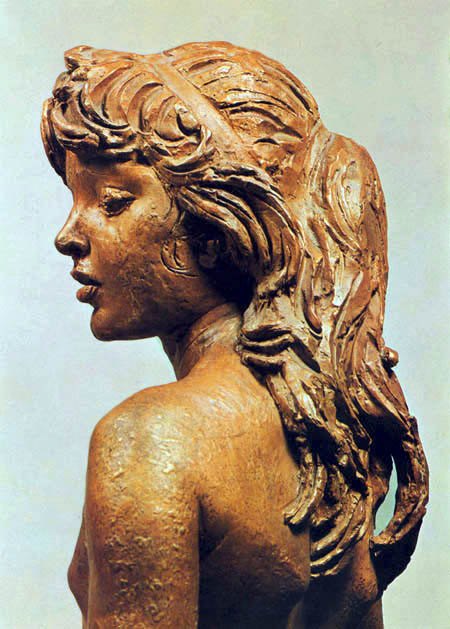
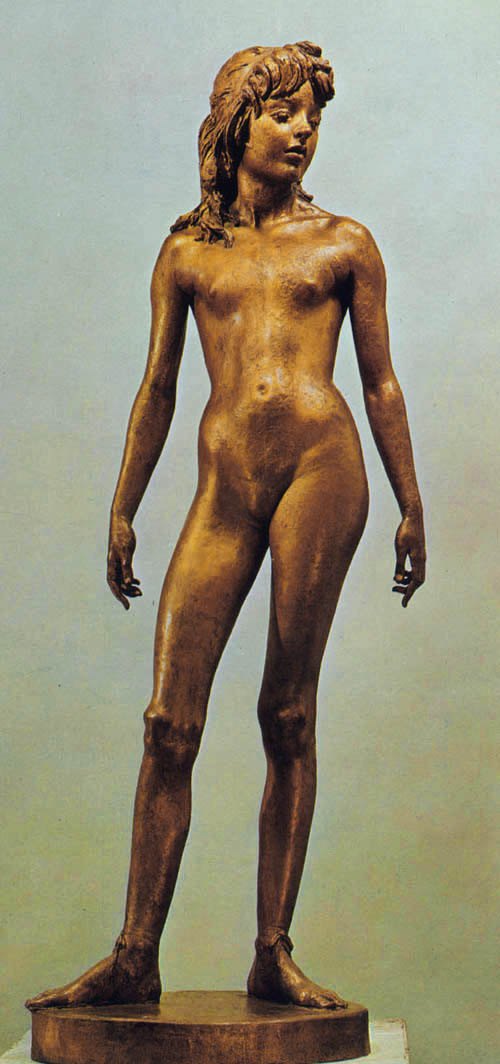
If Messina’s favourite theme was always the human body (with the important exception of the series of horses caught in4 movements unusual in equestrian imagery, made in 1958 and a prelude to the famous, enormous Dying Horse of the RAI), the female nude could not be missing from his repertoire. From the Dancers, one crouching and the other standing but also at rest, to the series of busts and full figures, some of them clothed, of Sandra, to the variation on the theme of the Graces of 1959, so brazenly contemporary and anti-classical and a little too much in the fashion of the moment, by way of Dora, the various Eves, Alice and Giséle, Messina depicted every morphological and psychological type. Mother-women, athletic women such as the Gypsy and the Acrobat, alluring women, sunny like Maria Grazia or severe like The Viennese Woman. Finally, the point where the myth of youth and that of woman meet: the bronzes and plasters of Beatrice, a twelve-year-old with barely budding breasts, long legs, thin arms, her torso wider than her pelvis. It is hard to call her beautiful, with her pronounced thinness that stretches the skin over the bones and makes the knee joints stand out like sharp stones; her face is already no longer a child’s, and the whole has all the disquiet that a forcibly undefined promise can generate
The photographs